
KINALO Kitchen / Learn to cook
Cooking basics, from the beginning.
A clear next step, whether you are holding a knife for the first time or working out why dinner went wrong.
128 guides across 18 subjects
Fix what went wrong
Put a skill into practice
Cook and store safely
11 guides
First Kitchen Skills
Set up, read the instructions and learn the small actions a recipe assumes.
 First Kitchen Skills
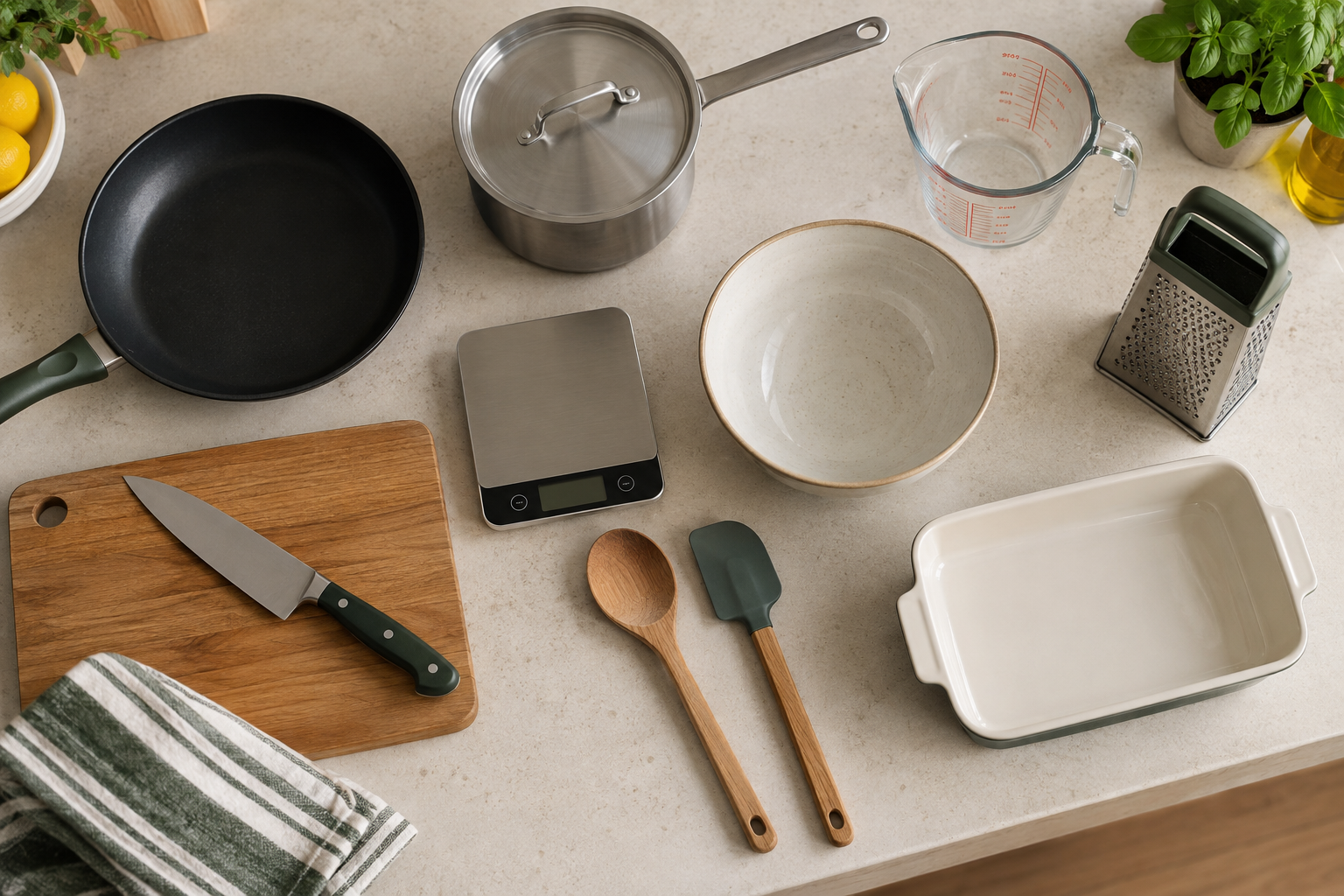
Read a recipe and get ready to cook
Turn a recipe into a sequence you can follow: quantities, preparation, unfamiliar words, equipment and the right moment to start cooking.
 First Kitchen Skills
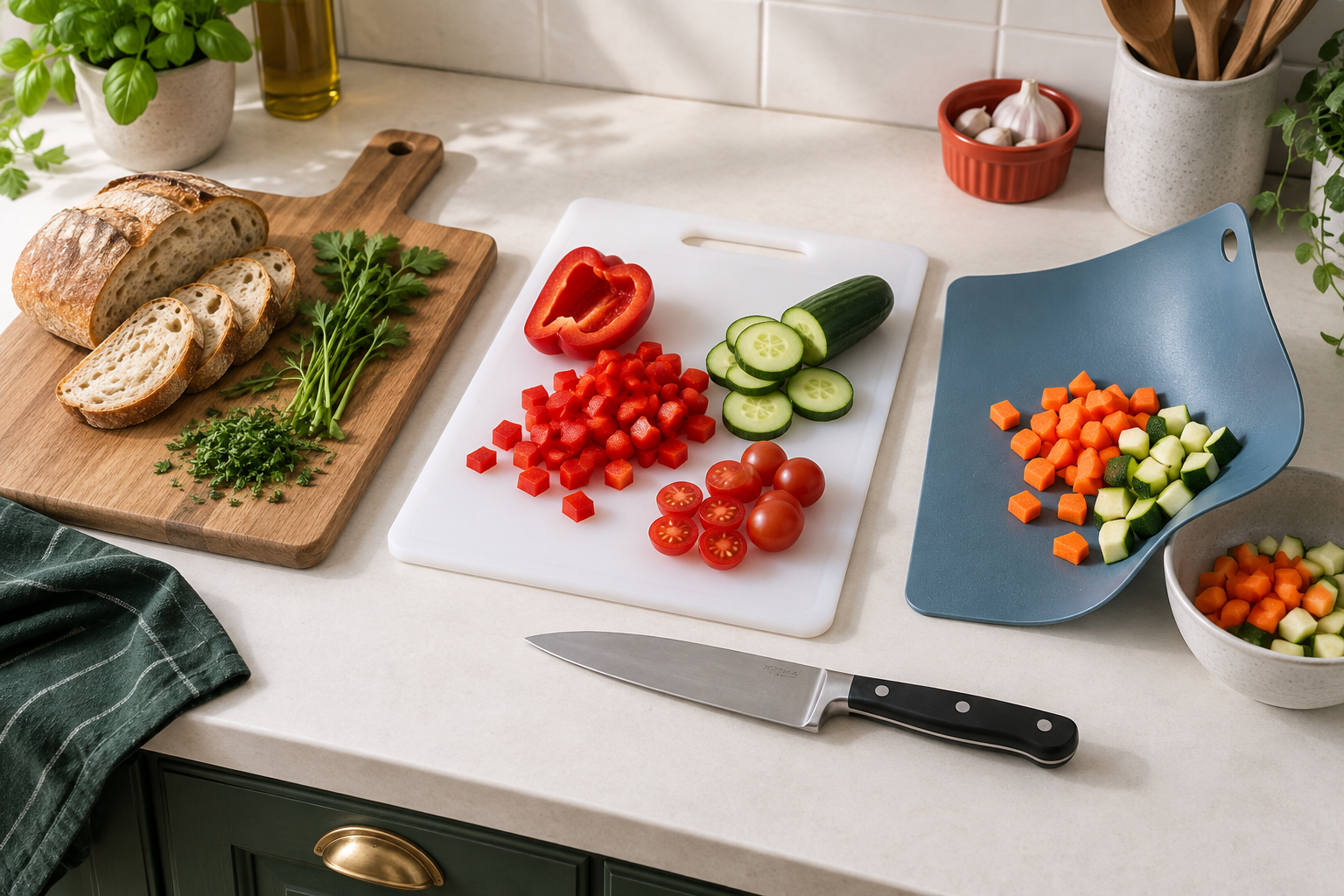
Clean and set up your kitchen before cooking
Prepare hands, worktops, boards and utensils, then keep ready-to-eat food separate from raw ingredients as you cook.
 First Kitchen Skills
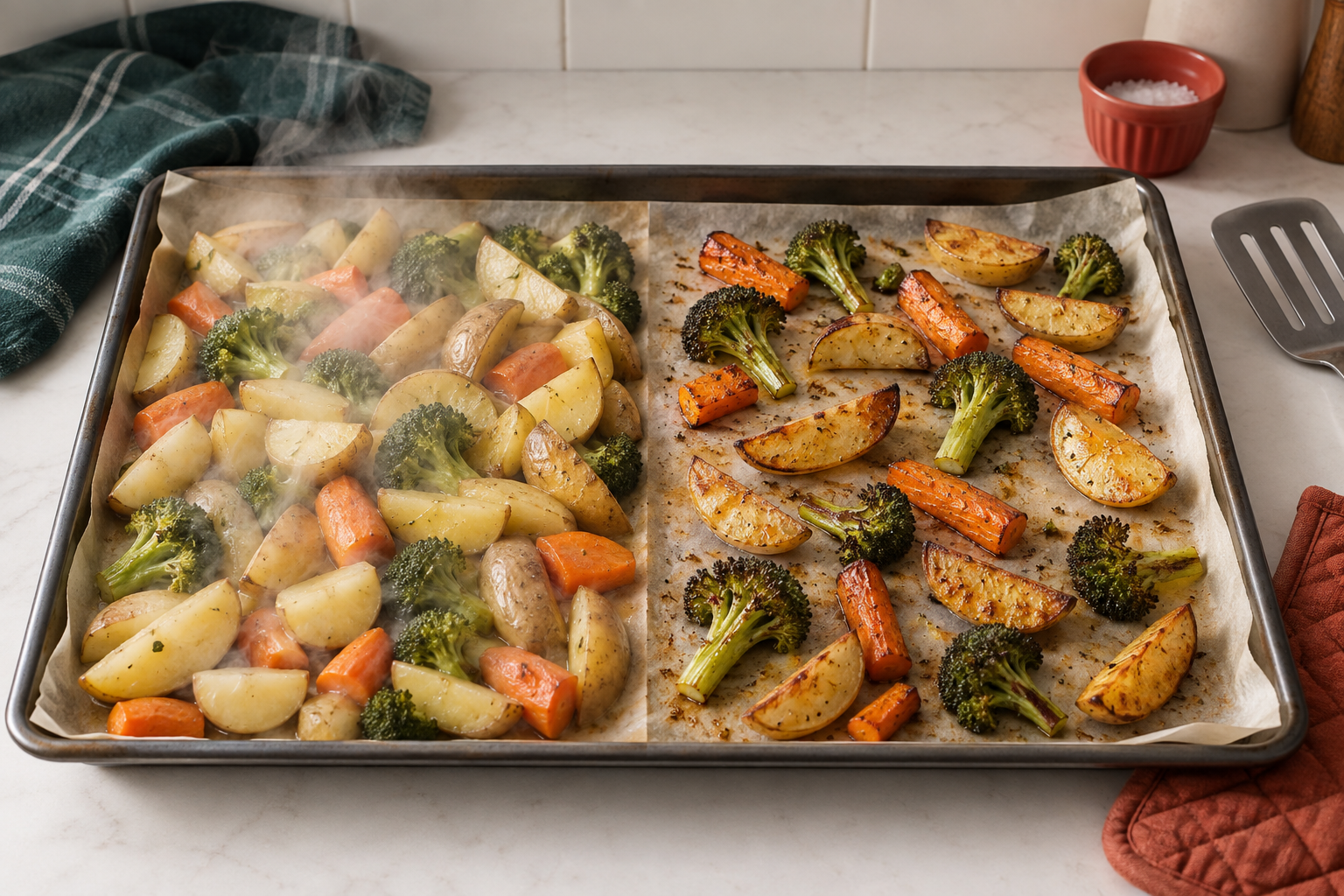
Use an oven: settings, preheating, shelves and the grill
Identify the correct oven setting, heat it before cooking, position a shelf and move a tray safely. Learn why a grill is a different method.
 First Kitchen Skills
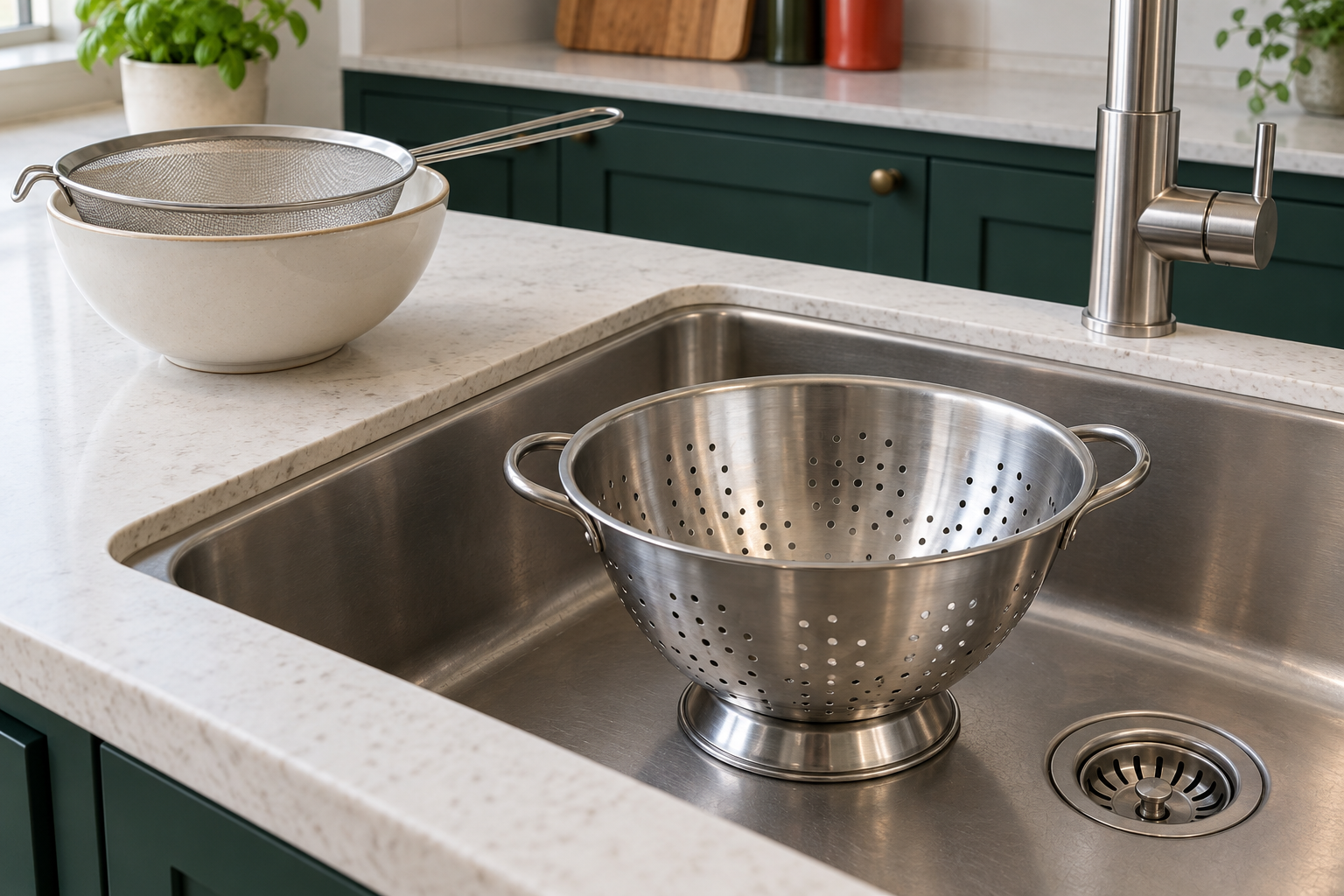
Drain food and save cooking water safely
Set up before lifting a hot pan, save the liquid you need, and drain without holding a loose lid against boiling water.
 First Kitchen Skills
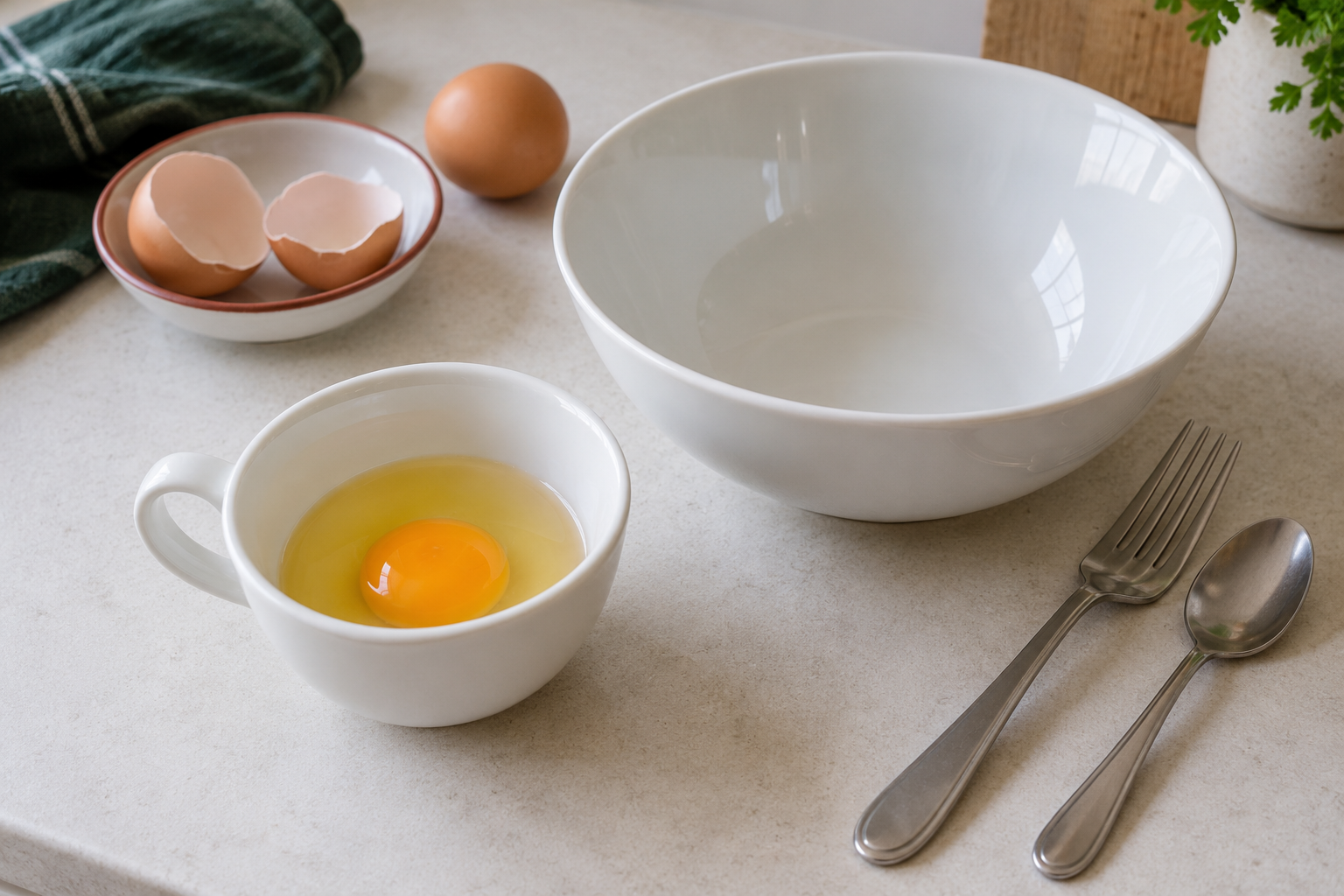
Crack an egg and beat it with a fork
Open the shell, remove a fragment without chasing it, and mix white and yolk for scrambled eggs, an omelette or batter.
 First Kitchen Skills
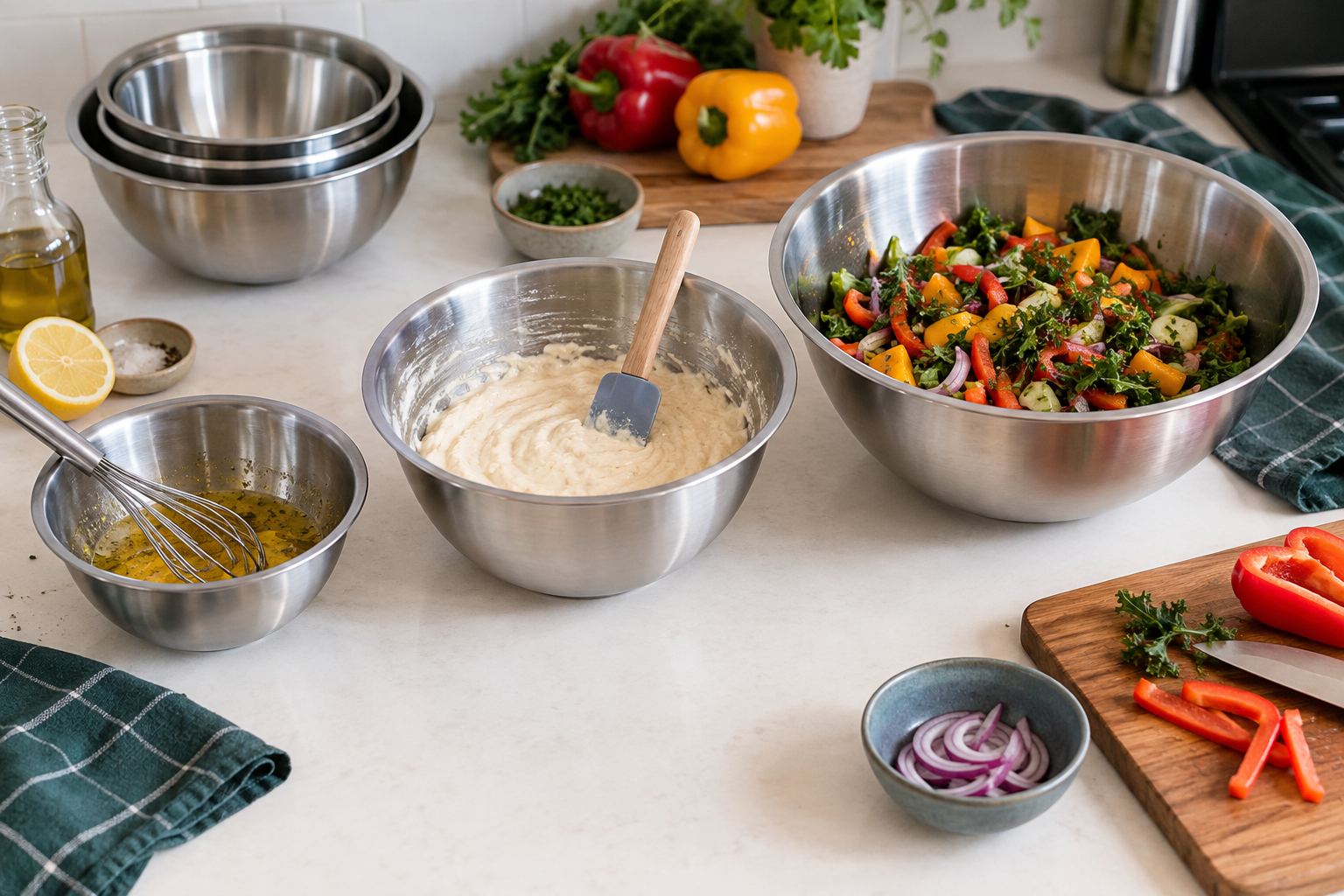
Stir, whisk, fold and turn: four different movements
Understand which utensil and movement a recipe needs, from scraping the base of a sauce to turning a fragile egg.
 First Kitchen Skills
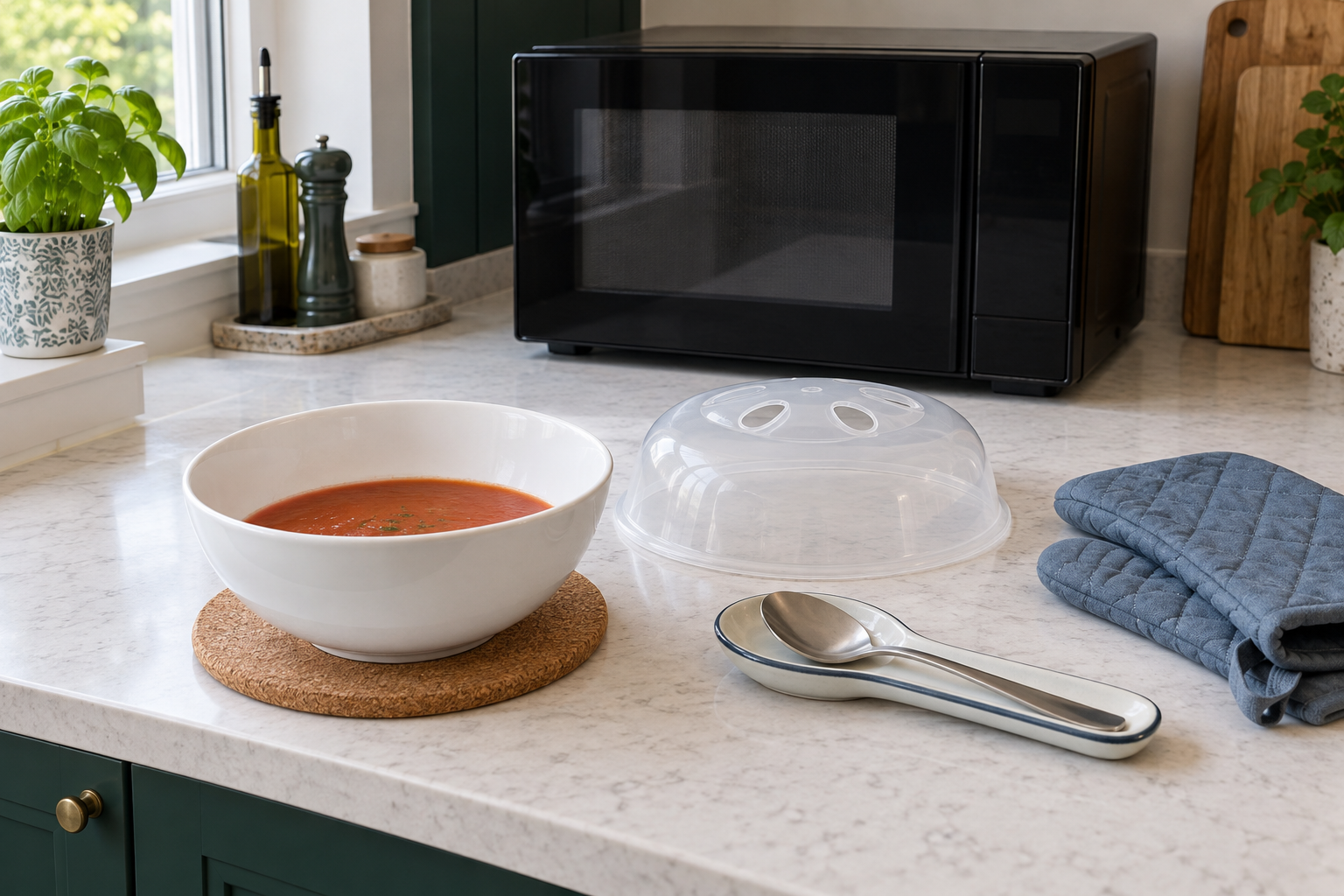
Use a microwave and check for even heating
Choose a suitable container, match the power setting, stir and allow standing time, then check the centre rather than trusting a hot bowl.
 First Kitchen Skills
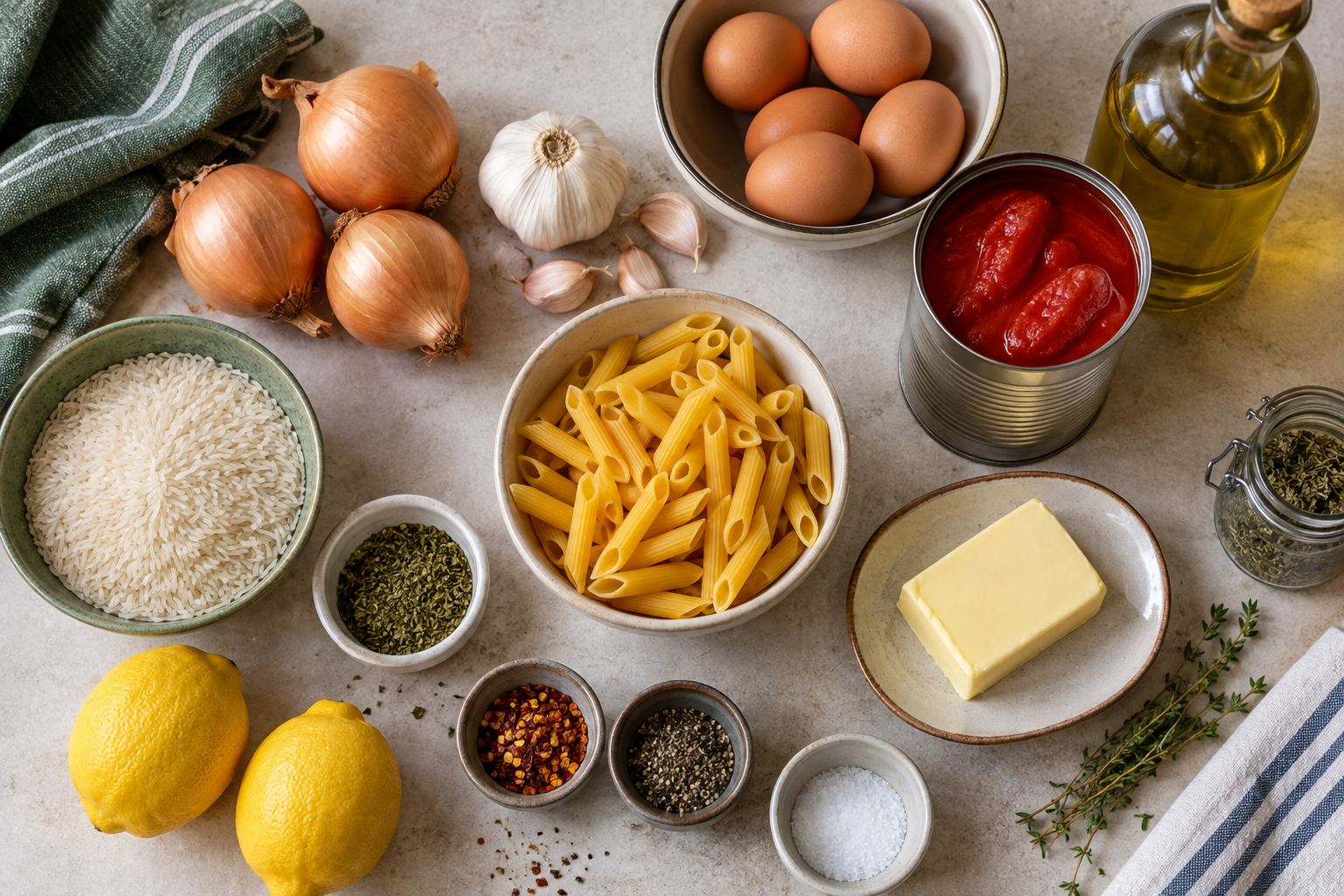
Read food labels before you cook
Find the ingredient list, dates, storage rules and preparation instructions, and know when a label does not give enough information to serve someone safely.
 First Kitchen Skills
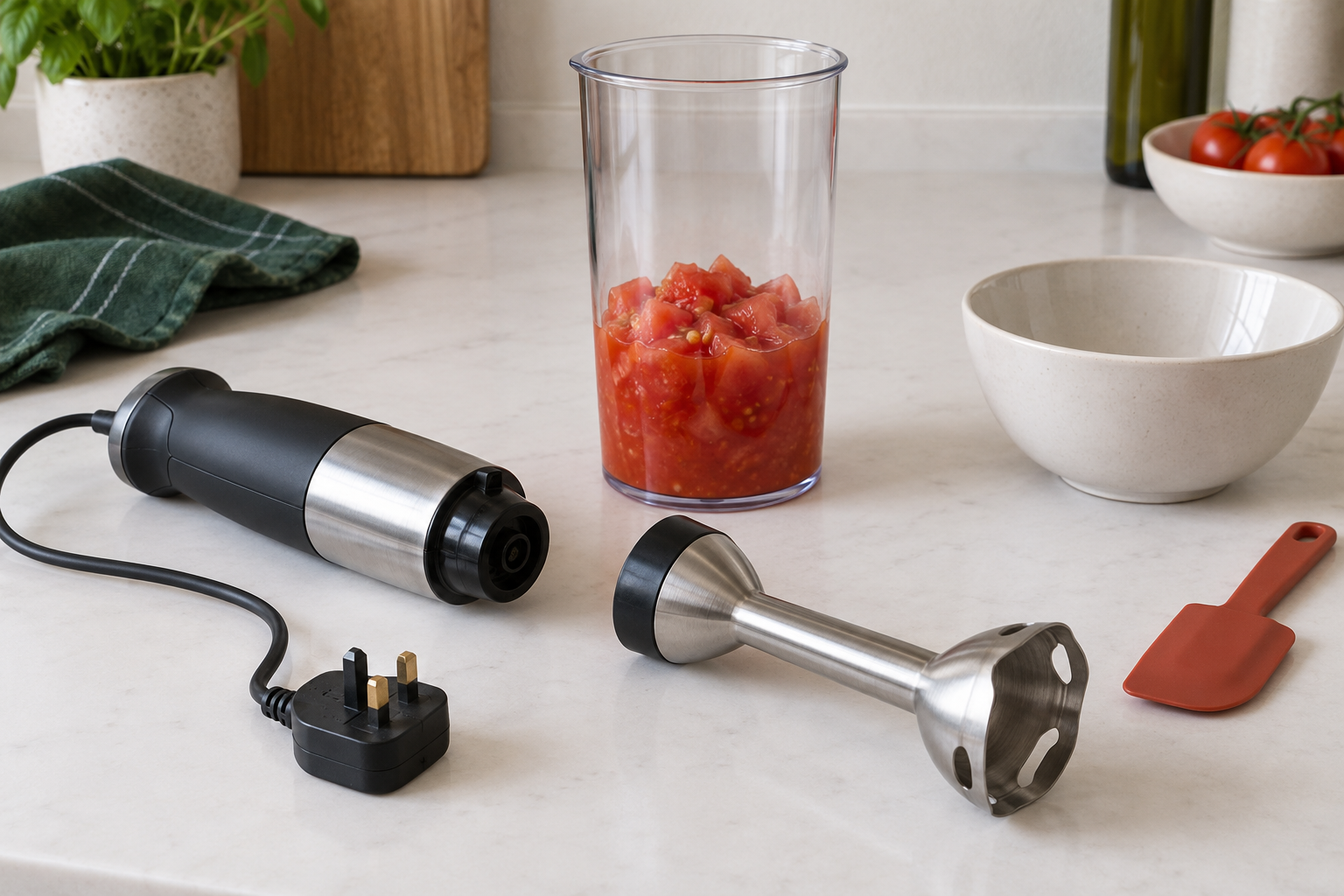
Blend food without splashes or unsafe shortcuts
Identify a hand or jug blender, practise with cold canned tomato, finish a measured sauce, and clean sharp parts while disconnected.
 First Kitchen Skills
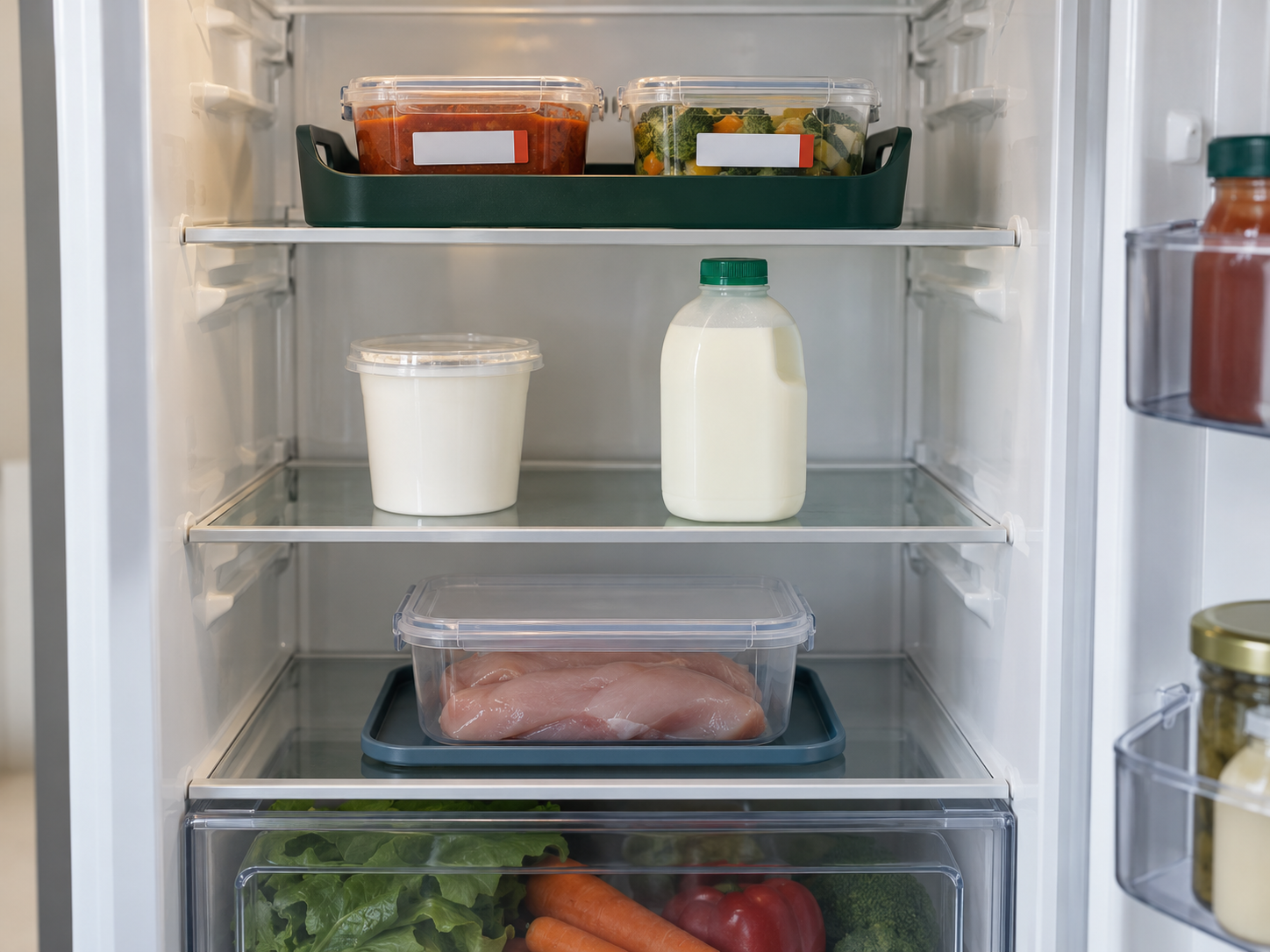
Decide whether food is still safe to use
Check known identity, dates, handling and storage before deciding to use, keep or discard food; do not substitute a smell test for its history.
 First Kitchen Skills
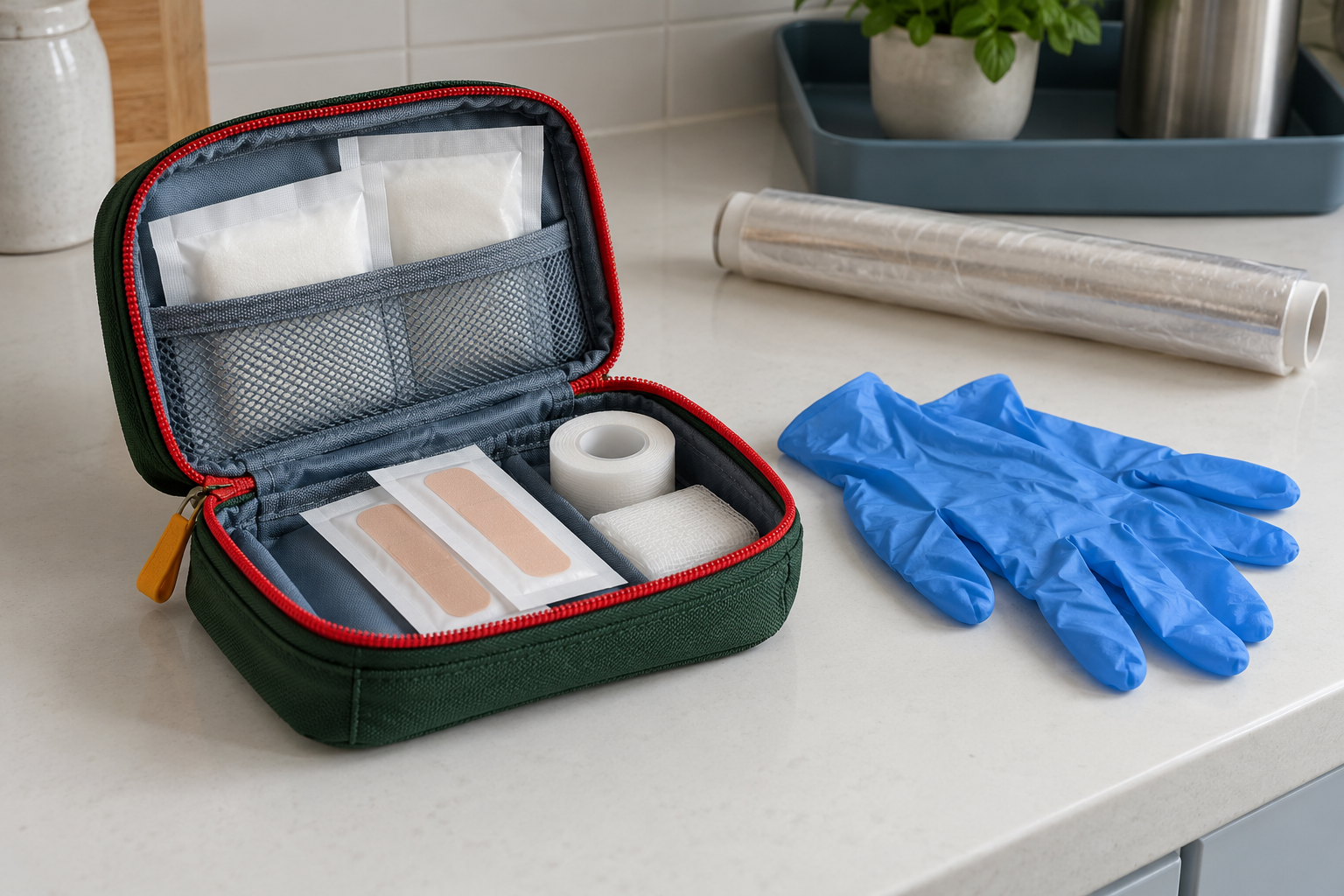
Kitchen cuts, burns and emergencies
Stop cooking, recognise when to call for help, and follow basic immediate care for a small cut or heat burn without improvised remedies.
6 guides
Vegetables And Pulses
Everyday vegetables, beans and lentils, from preparation to a useful texture.
 Vegetables And Pulses
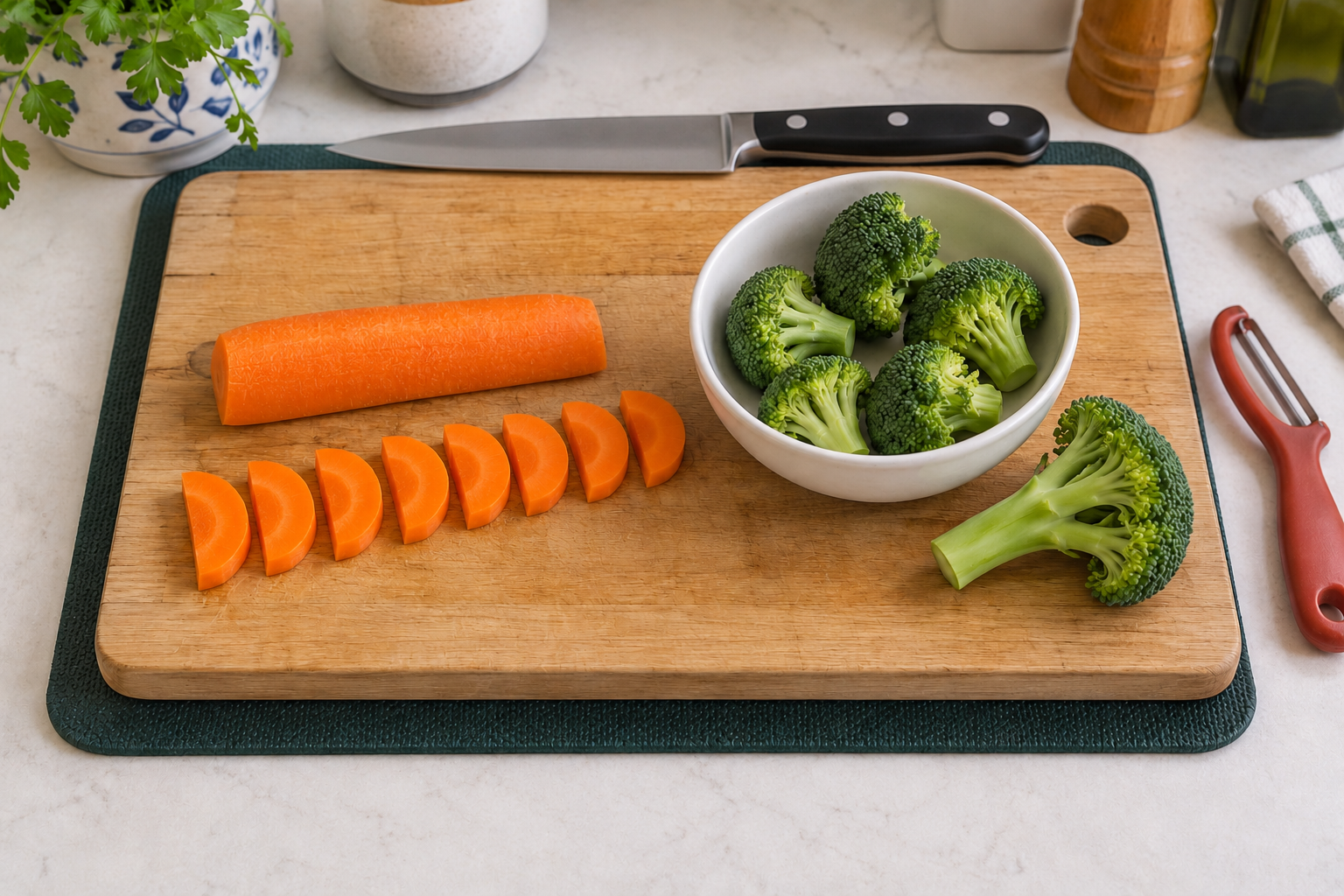
Boil and steam vegetables without guessing
Use a small batch of carrots or broccoli to learn water level, gentle cooking, steam safety and the difference between tender and mushy.
Vegetables And PulsesOpen a can and use cooked beans
Handle a can and its sharp lid, drain or rinse cooked pulses, then warm a small batch without confusing them with dried beans.
 Vegetables And Pulses
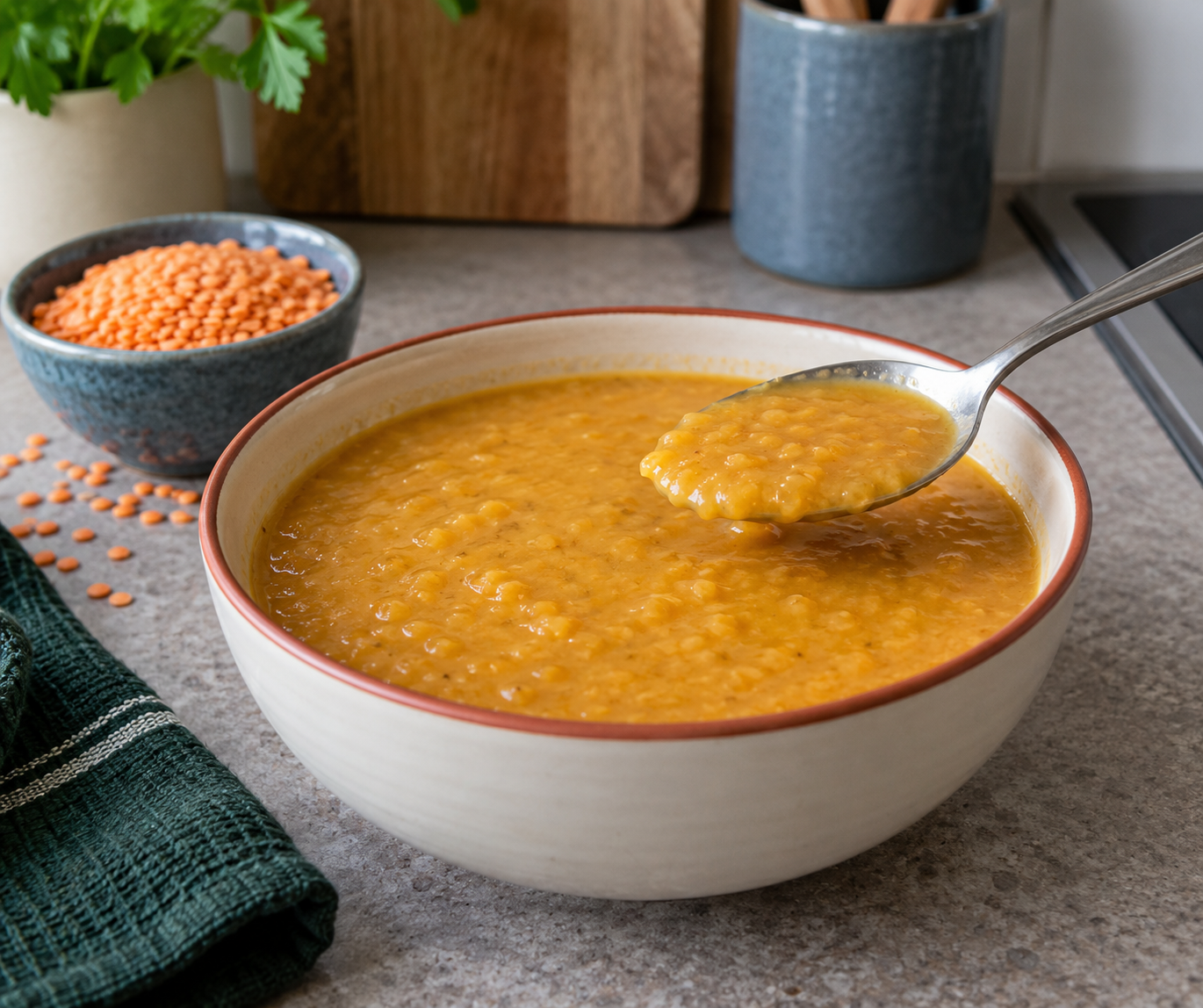
Cook red lentils and make a simple soup
Sort, rinse and simmer red split lentils, learn their tender endpoint and turn a small batch into soup without needing a blender.
 Vegetables And Pulses
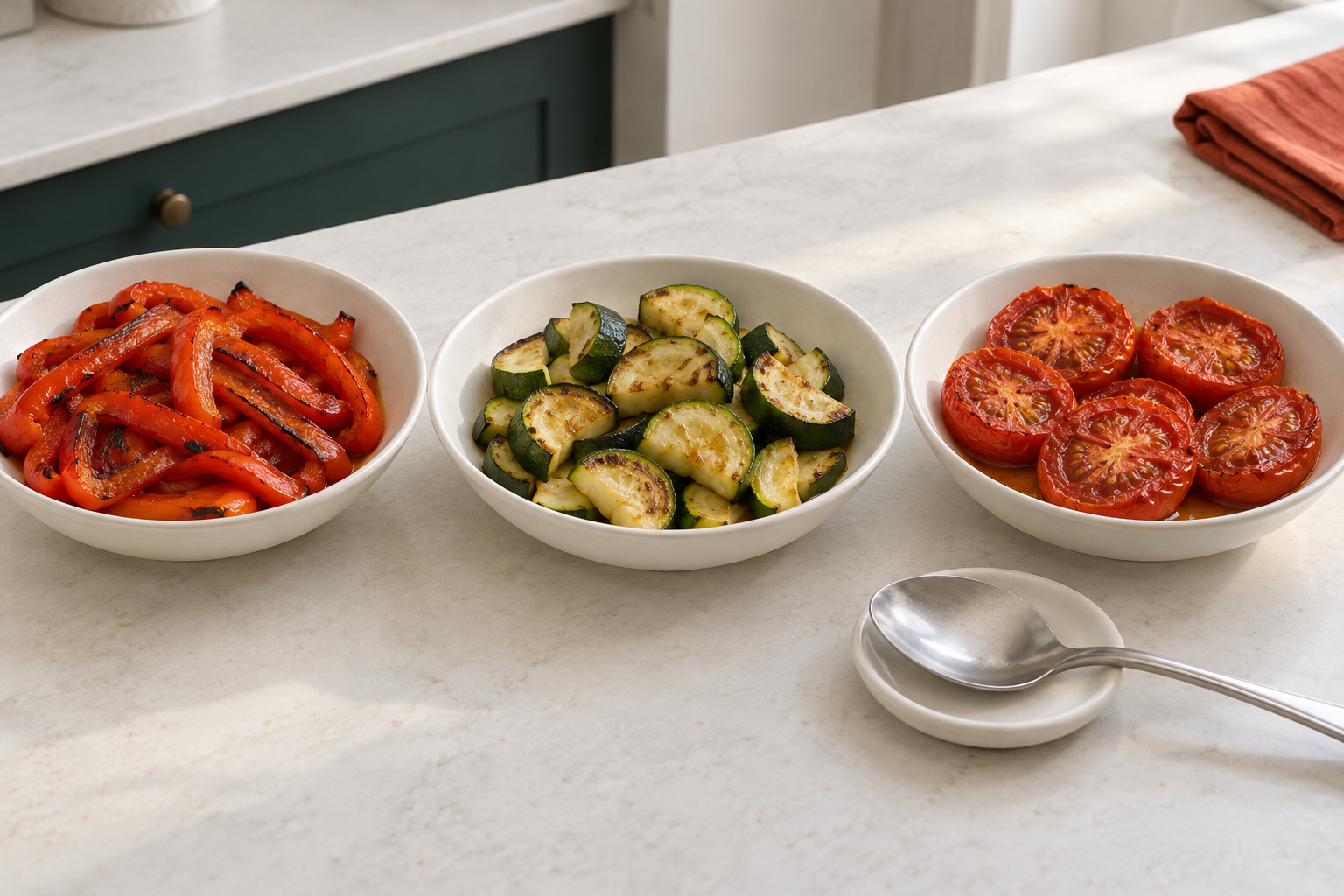
Roast peppers courgettes and tomatoes
Prepare one soft vegetable, choose its own roasting temperature and stop at a tender centre rather than waiting for everything to look alike.
 Vegetables And Pulses
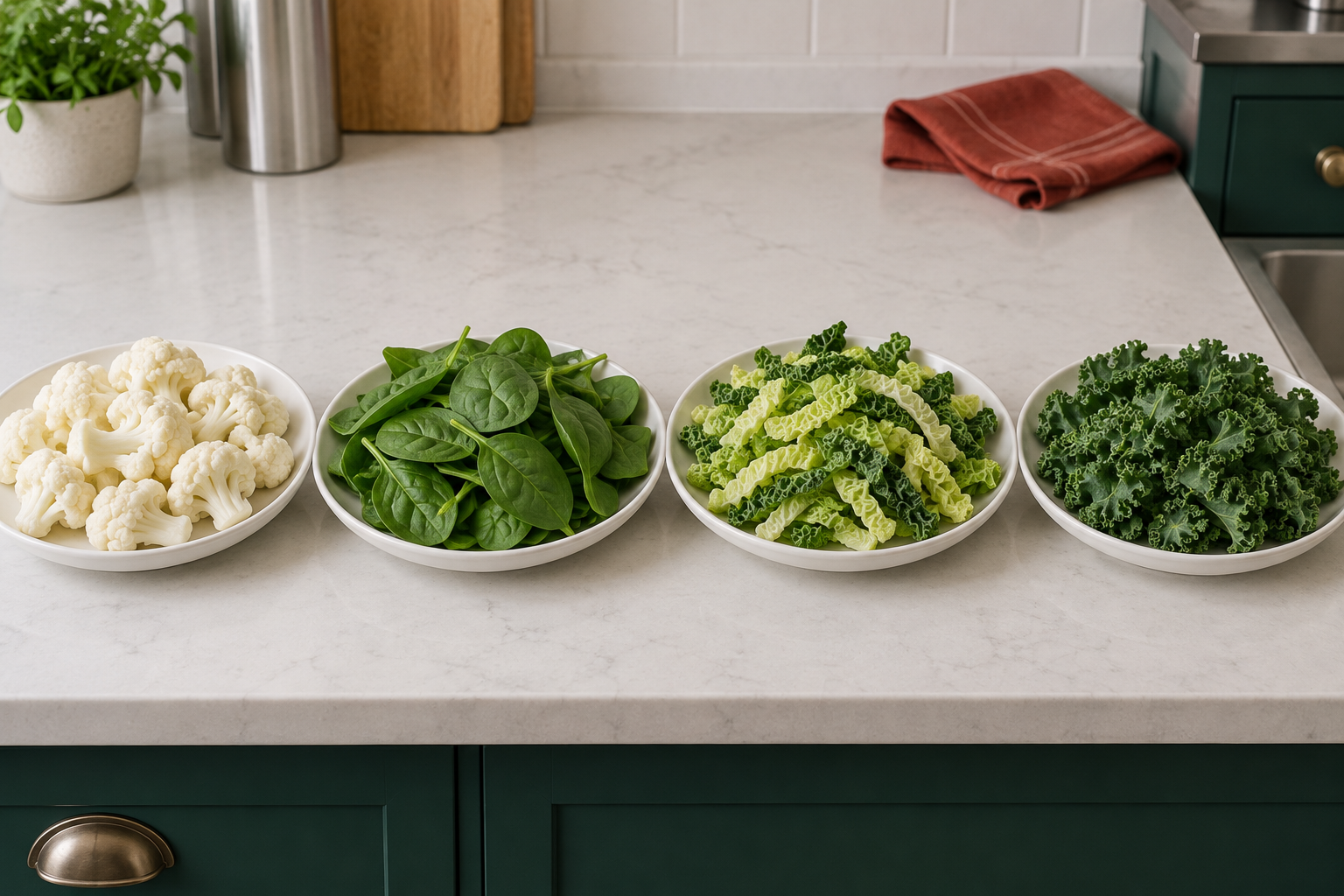
Cook cauliflower spinach cabbage and kale
Separate florets from a cauliflower, prepare delicate or tougher leaves, then cook and drain one small batch with checks suited to that vegetable.
 Vegetables And Pulses
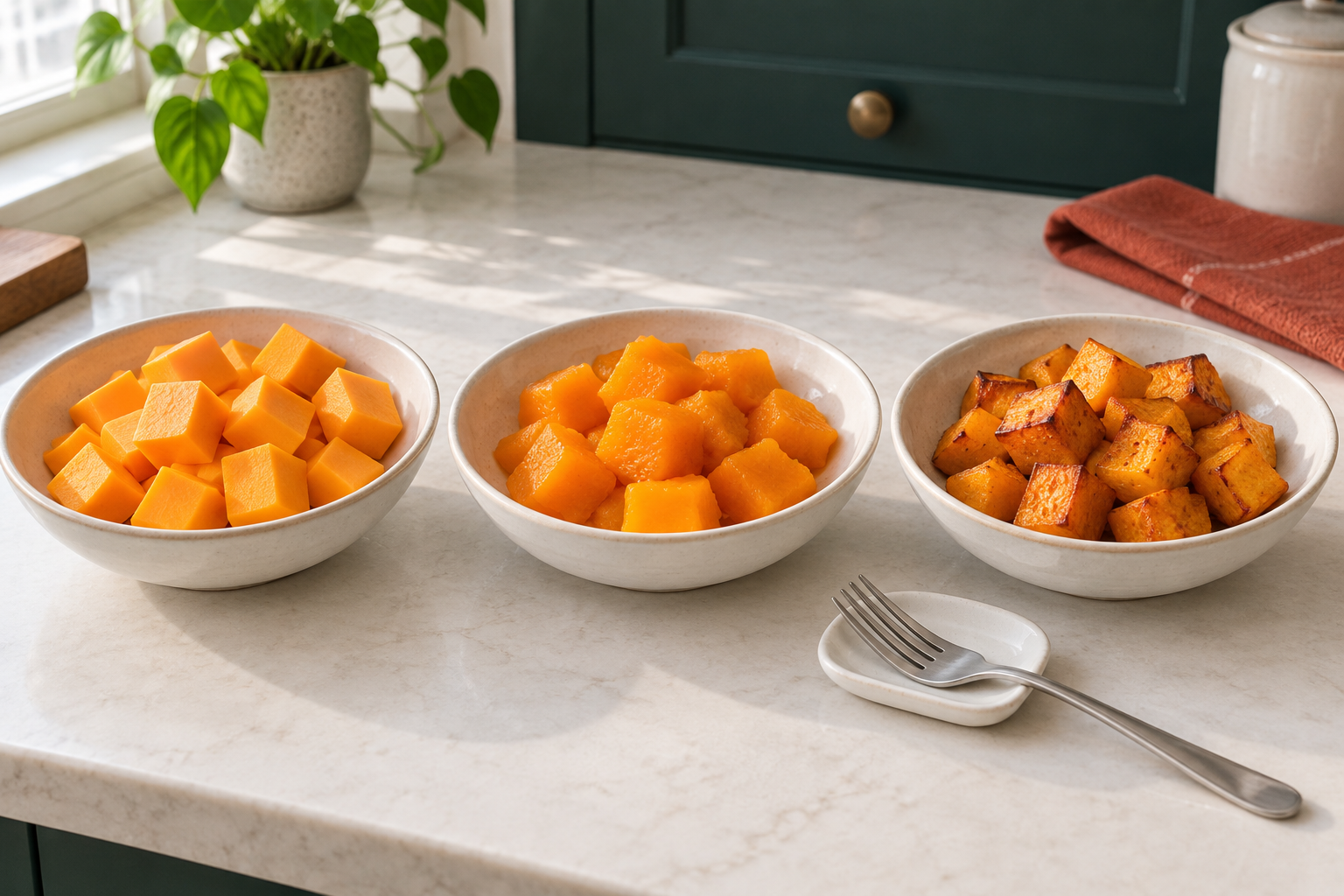
Boil roast and mash prepared butternut squash
Start with peeled fresh cubes to learn tenderness, draining, roasting and a supported fork mash without first tackling a hard whole squash.
3 guides
Sauces
Build a sauce from the beginning, then adjust its texture and flavour.
 Sauces
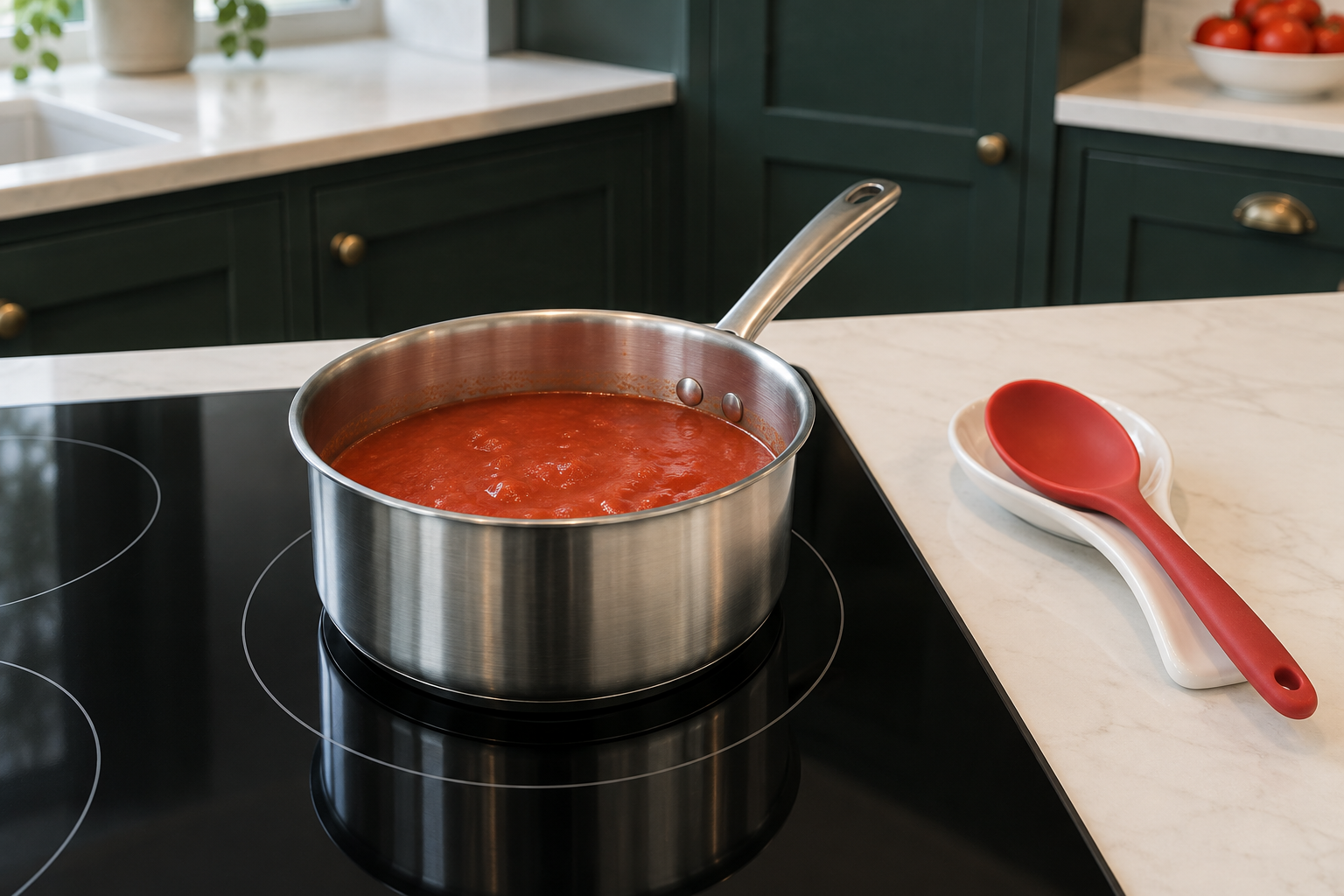
Make a simple tomato sauce from passata
A first sauce without chopping: learn a gentle simmer, watch thickness change and season a small quantity before serving.
 Sauces
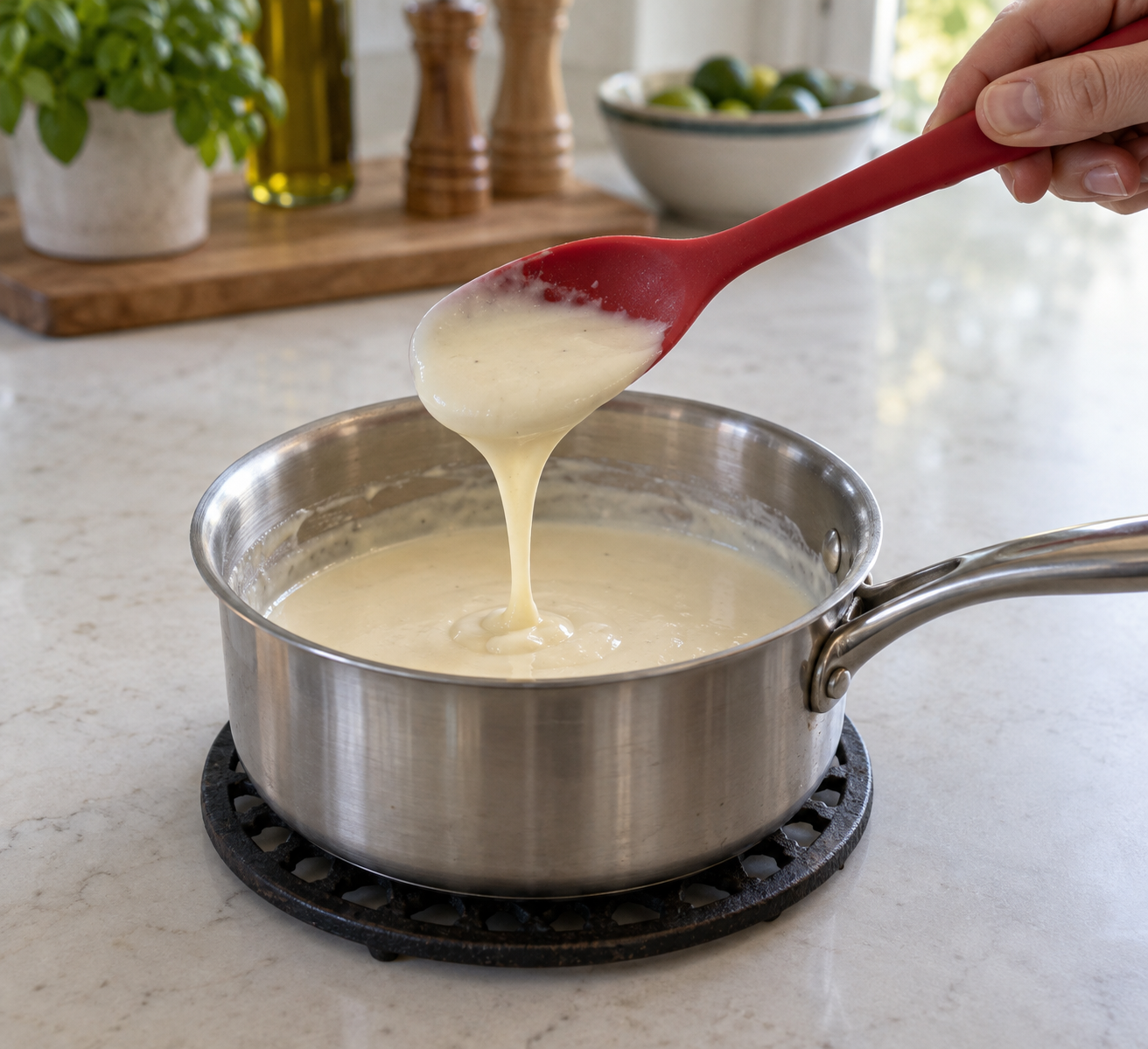
Make a white sauce, then a cheese sauce
Make a small roux, add milk without a panful of lumps, and recognise a sauce ready for cooked vegetables or pasta.
 Sauces
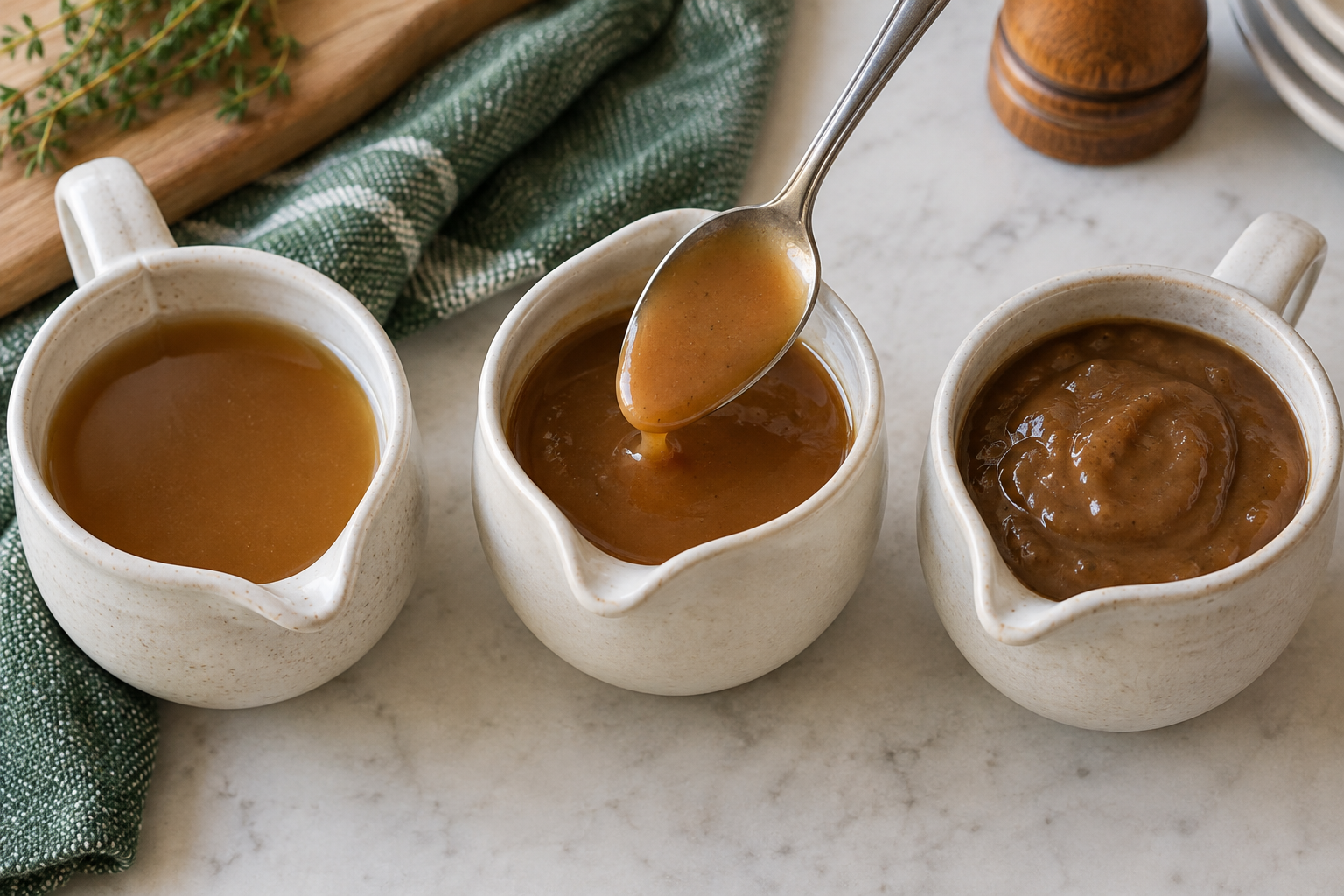
Thicken a sauce with a cornflour slurry
Mix cornflour with cold liquid, add it gradually and give it time to thicken before deciding whether the sauce needs more.
2 guides
Fish And Plant Proteins
Simple fish and tofu methods with clear preparation and doneness checks.
 Fish And Plant Proteins
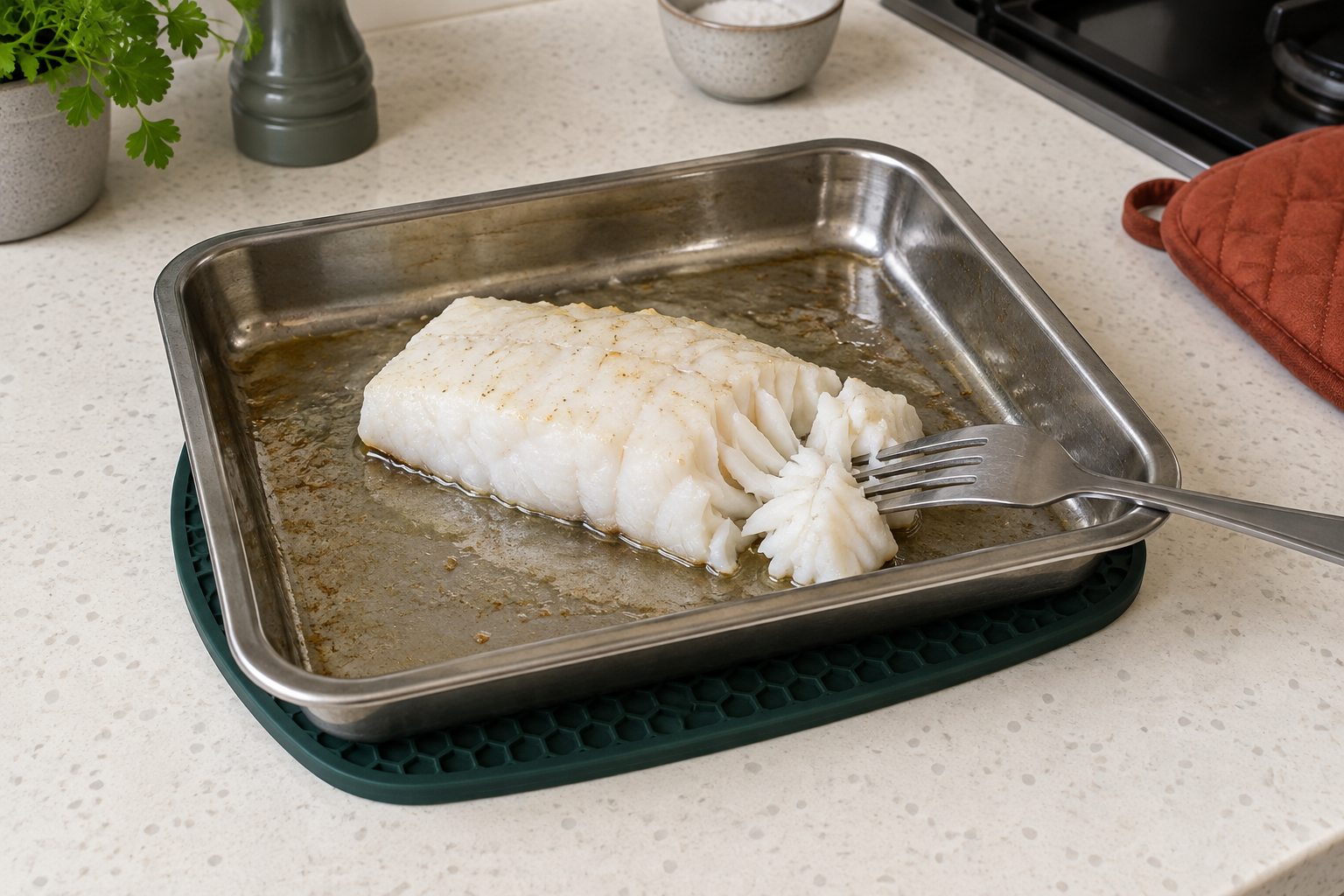
Cook a fish fillet in the oven
Start with a boneless white-fish fillet: check for bones, prepare a small tray and use the centre of the fish to decide when it is cooked.
 Fish And Plant Proteins
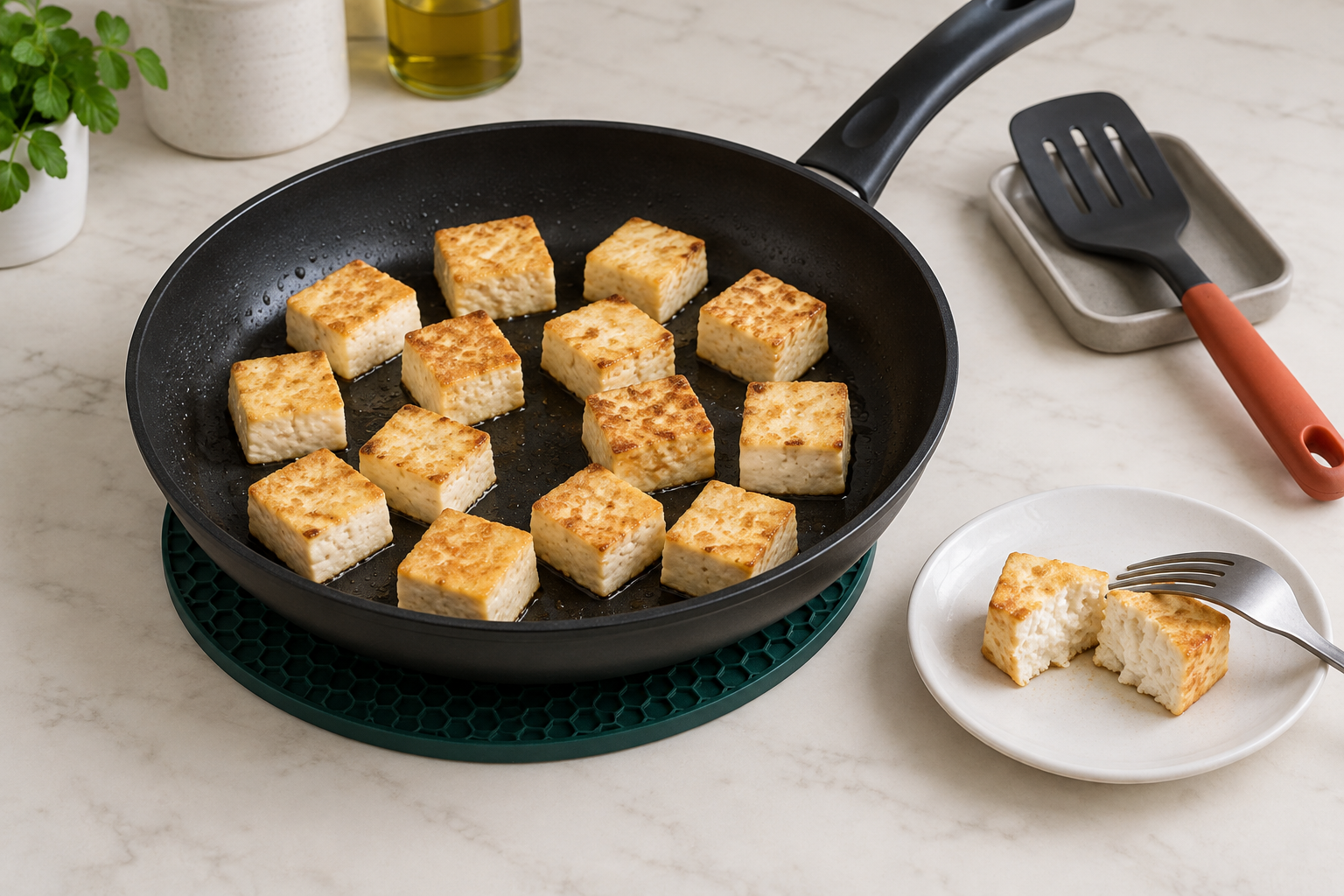
Prepare and pan-fry firm tofu
Choose firm rather than silken tofu, drain and cut it, then practise turning small pieces until the surfaces are golden.
7 guides
Heat And Method
Hobs, ovens, browning and bubbling: recognise what the heat is doing.
 Heat And Method
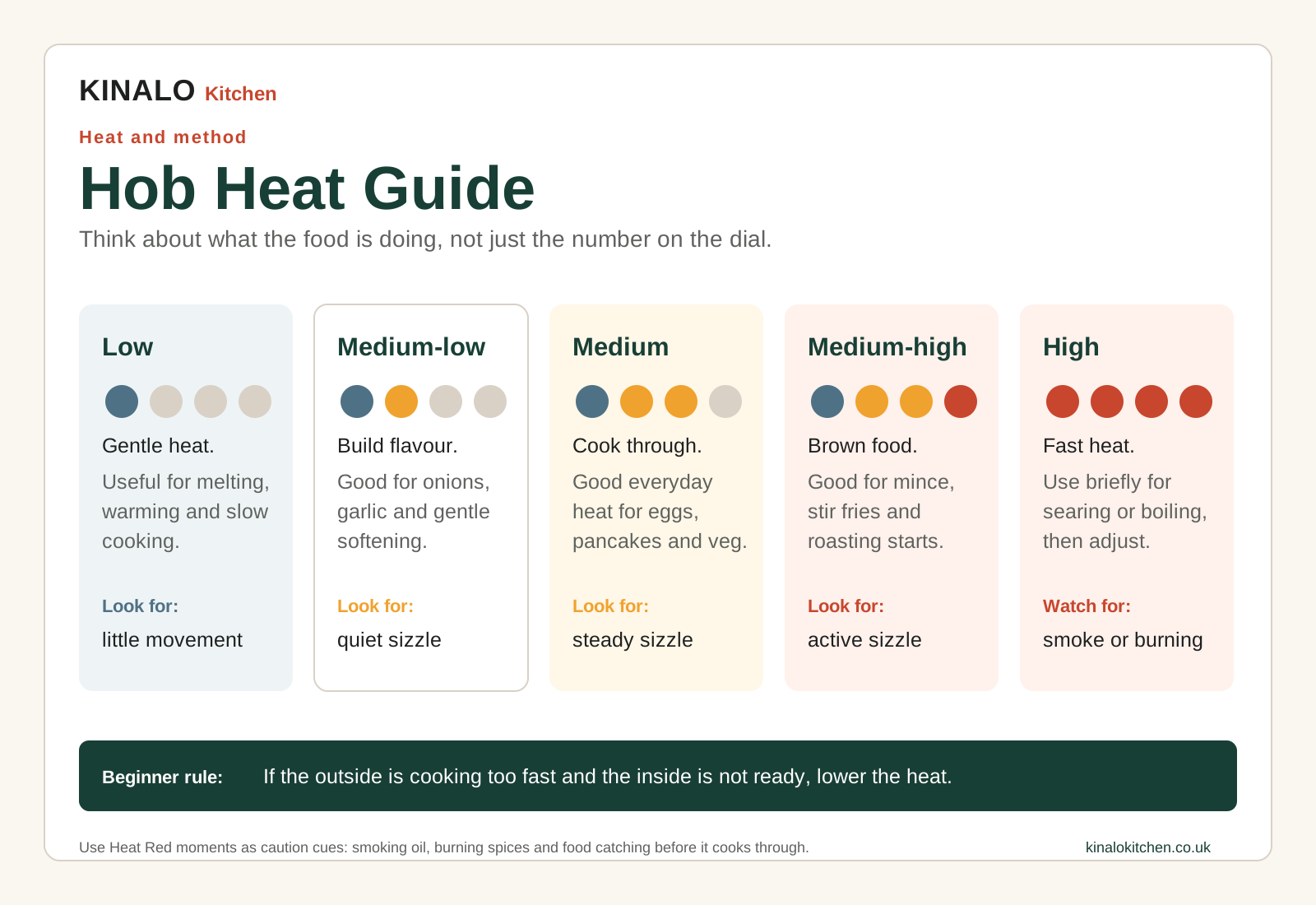
How to use hob heat without guessing
A plain-English guide to low, medium and high heat, what to look for in the pan, and how to correct the heat before food gets ruined.
 Heat And Method
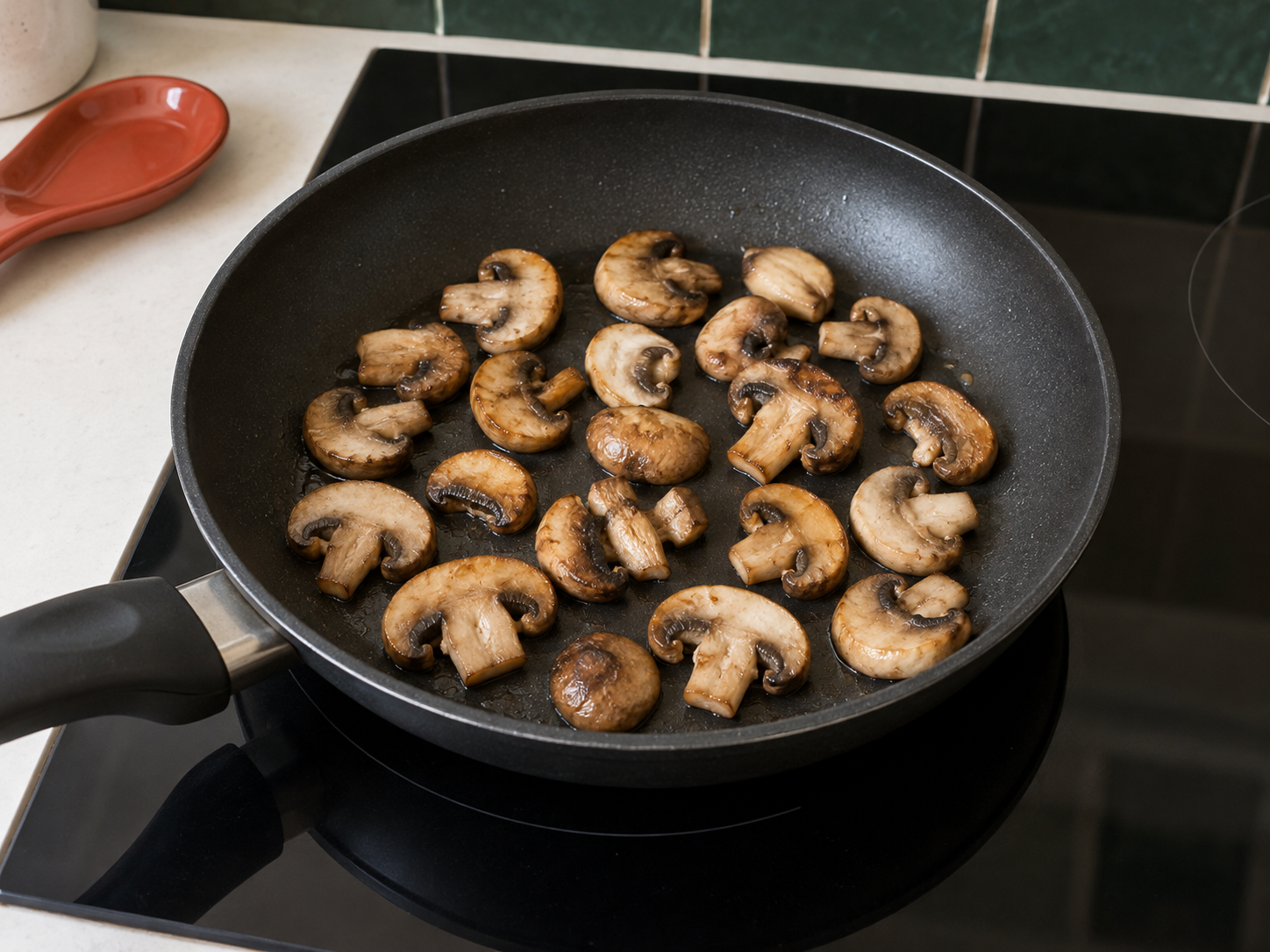
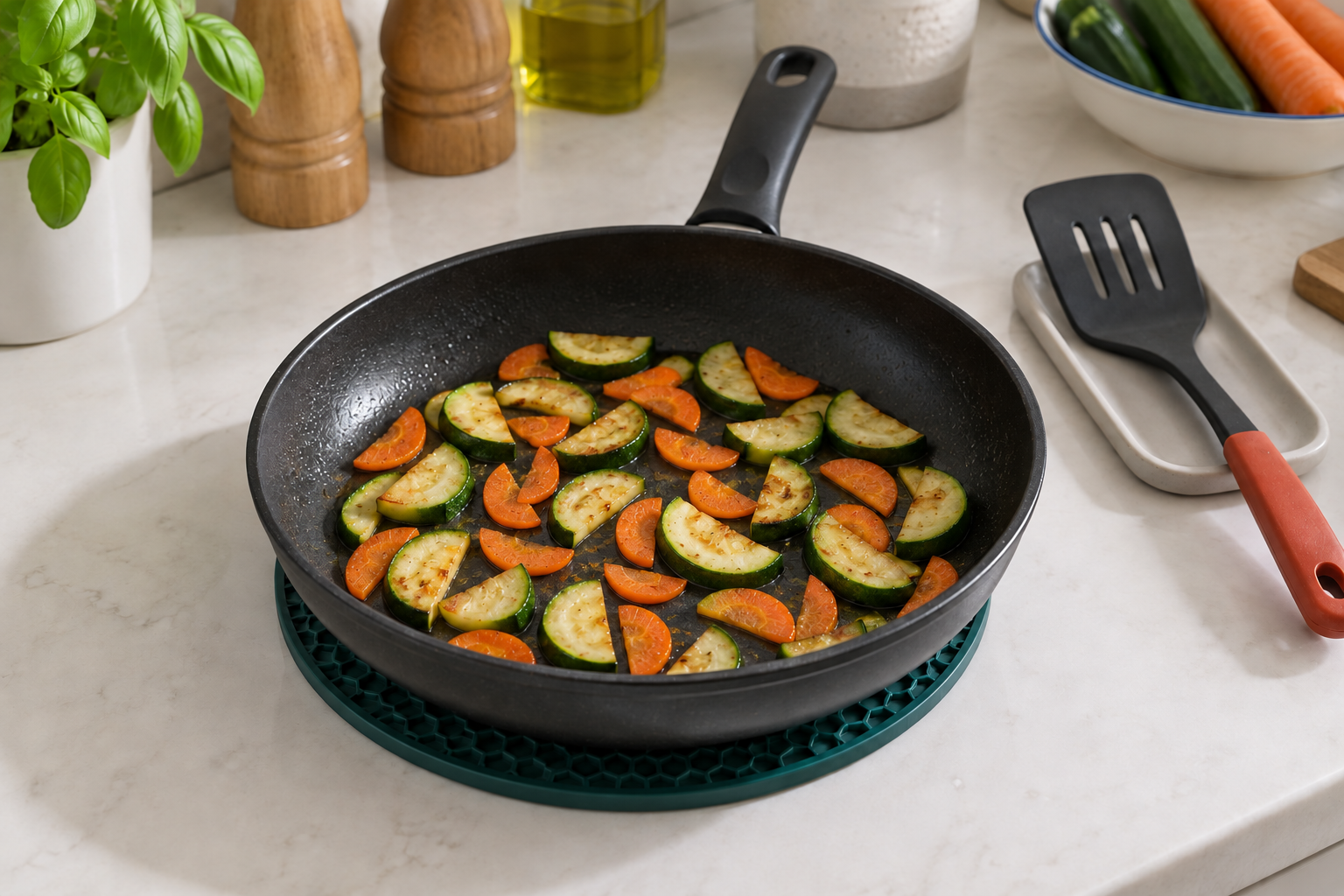
Why food steams instead of browns
Learn why crowded pans make food wet and pale, how browning actually happens, and how to rescue a pan that has started steaming.
 Heat And Method
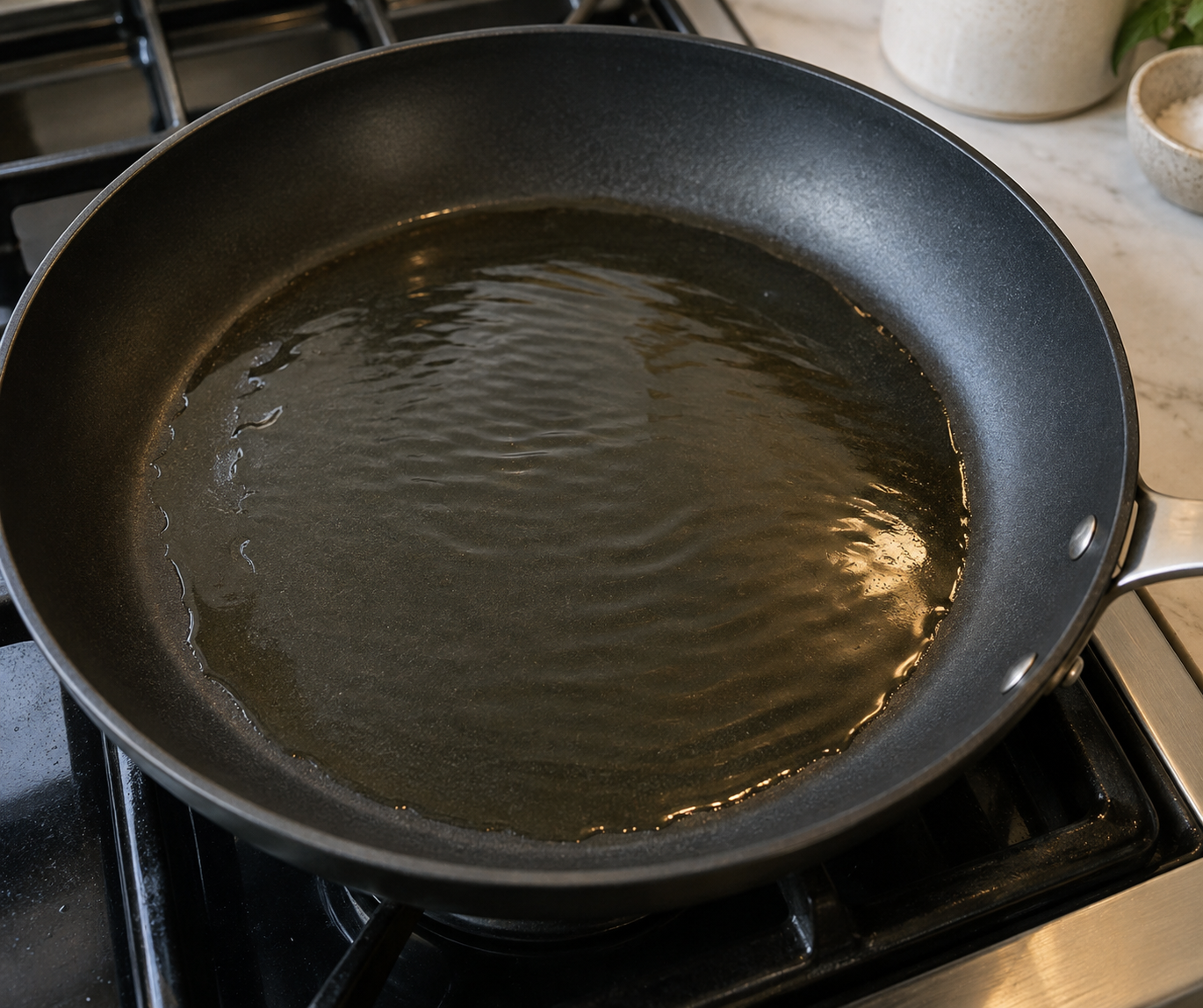
Hot oil: shimmer, smoke and when to stop
How to recognise oil that is warming, ready, too hot or smoking, and why beginners should treat smoke as a reset cue.
 Heat And Method
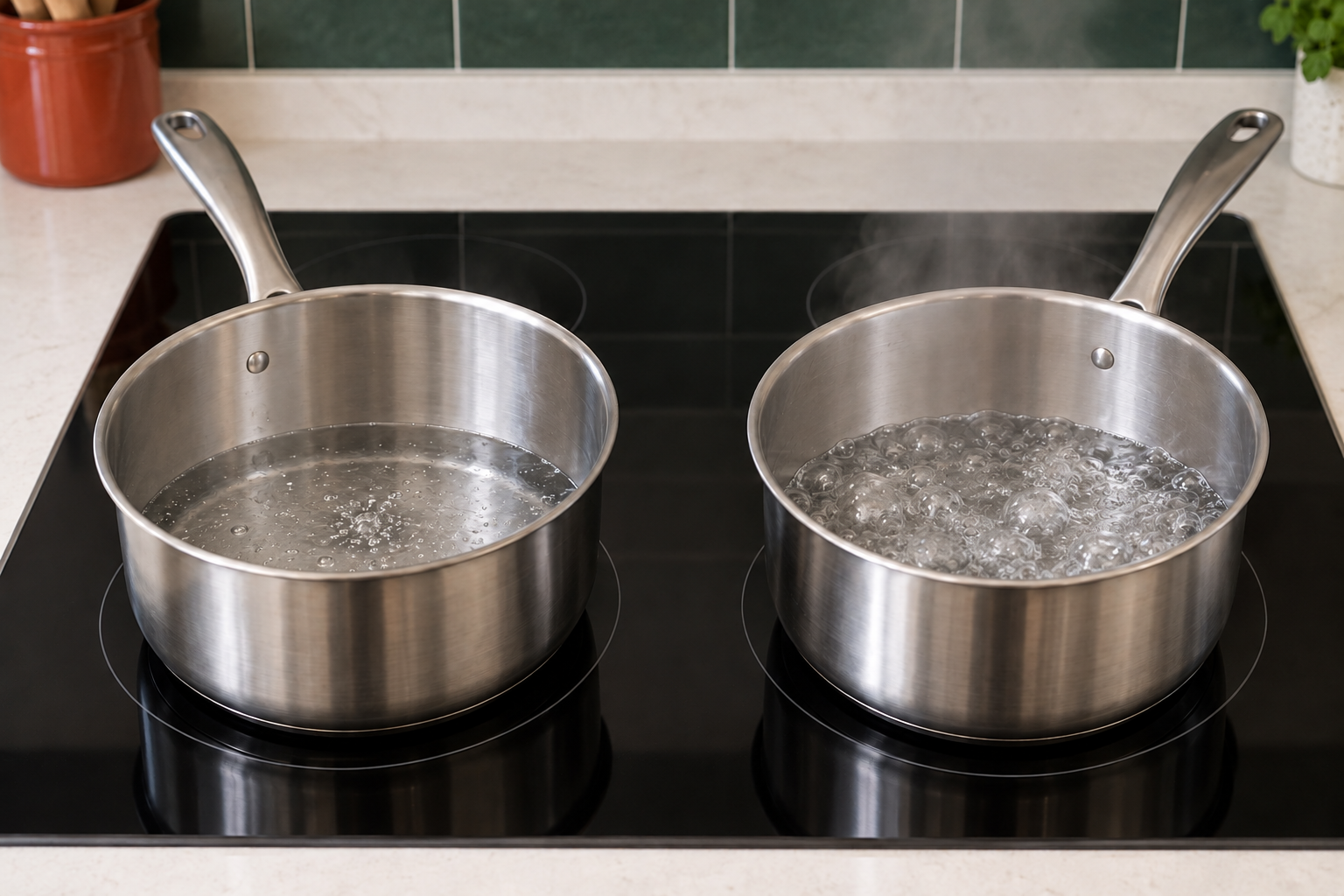
Simmer versus boil
A complete beginner guide to small bubbles, rolling bubbles, and why gentle cooking often gives you more control.
Heat And MethodTray spacing and oven airflow
Why crowded trays steam, why space matters in the oven, and how to arrange food for better browning.
 Heat And Method
Wok and batch cooking basics
How to use a wok or large pan without overcrowding, cooling the pan and turning stir-fry into steam-fry.
 Heat And Method
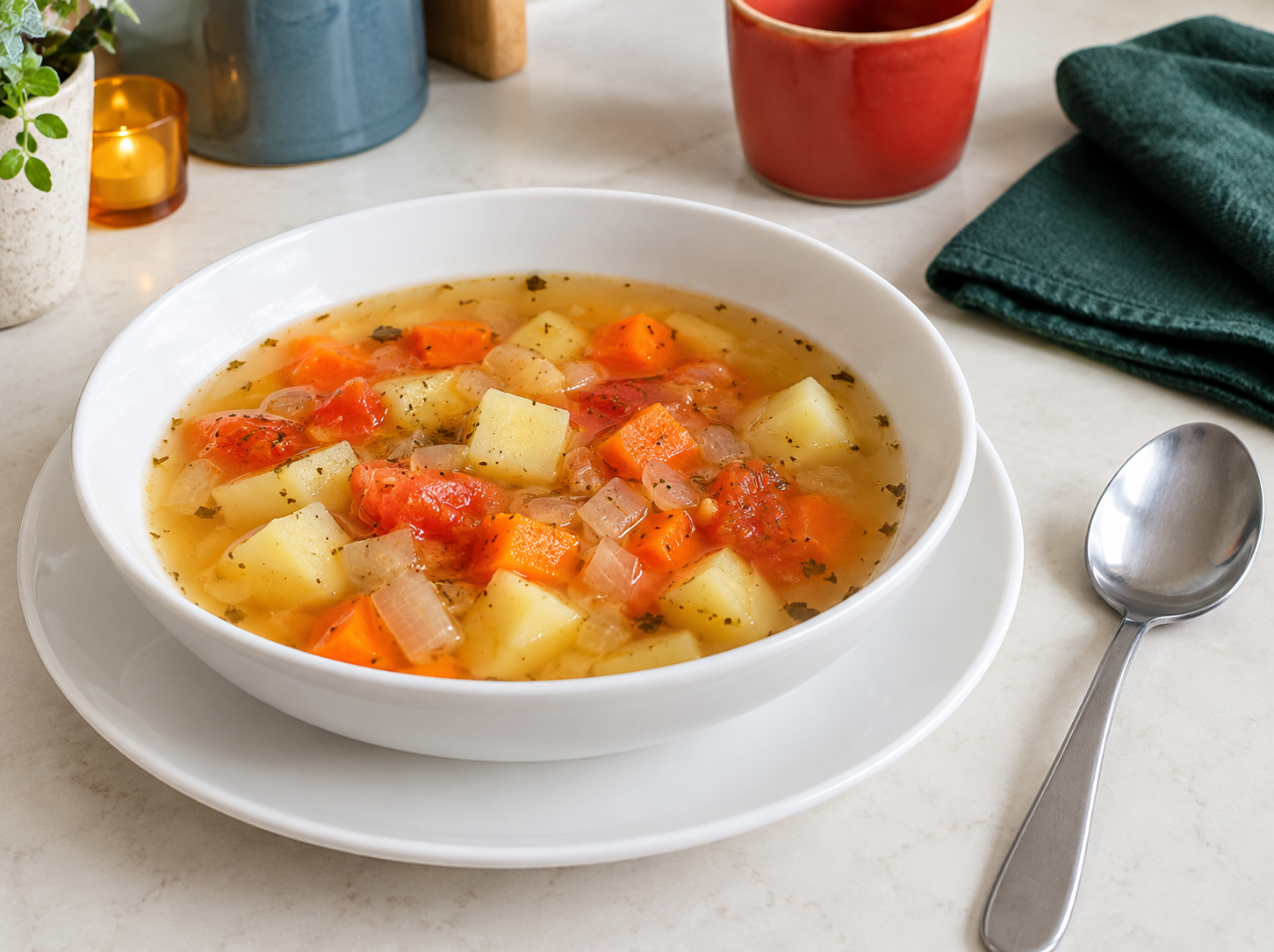
Slow cooker basics: browning, liquid and timing
Understand how a slow cooker behaves, adapt cautiously and use the correct setting for cooking rather than reheating.
7 guides
Knife And Prep
Stable boards, controlled cuts and preparation without rushing.
 Knife And Prep
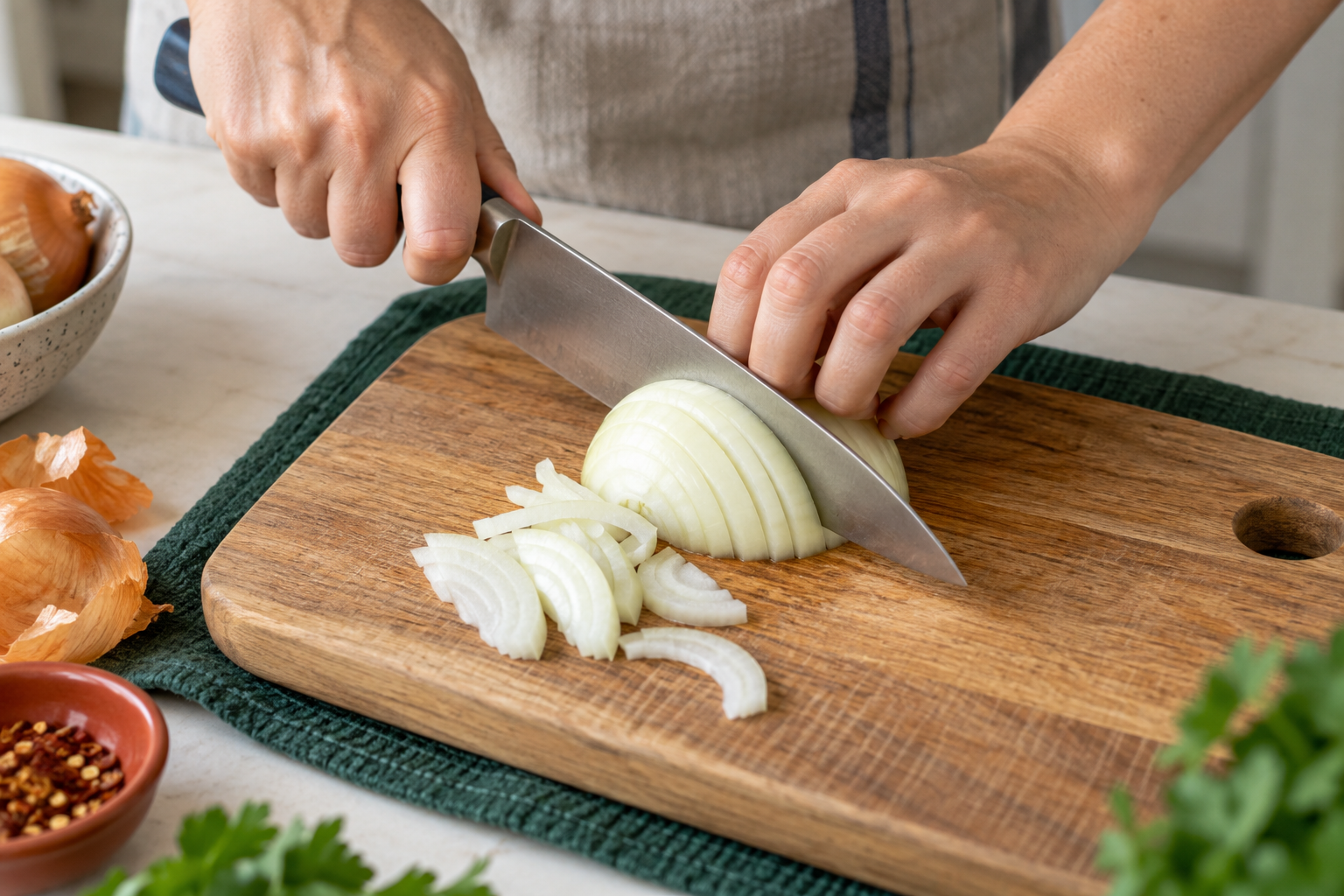
Knife confidence: the safe claw grip
A calm beginner guide to holding food safely, controlling a knife, and cutting slowly without fear or rushing.
 Knife And Prep
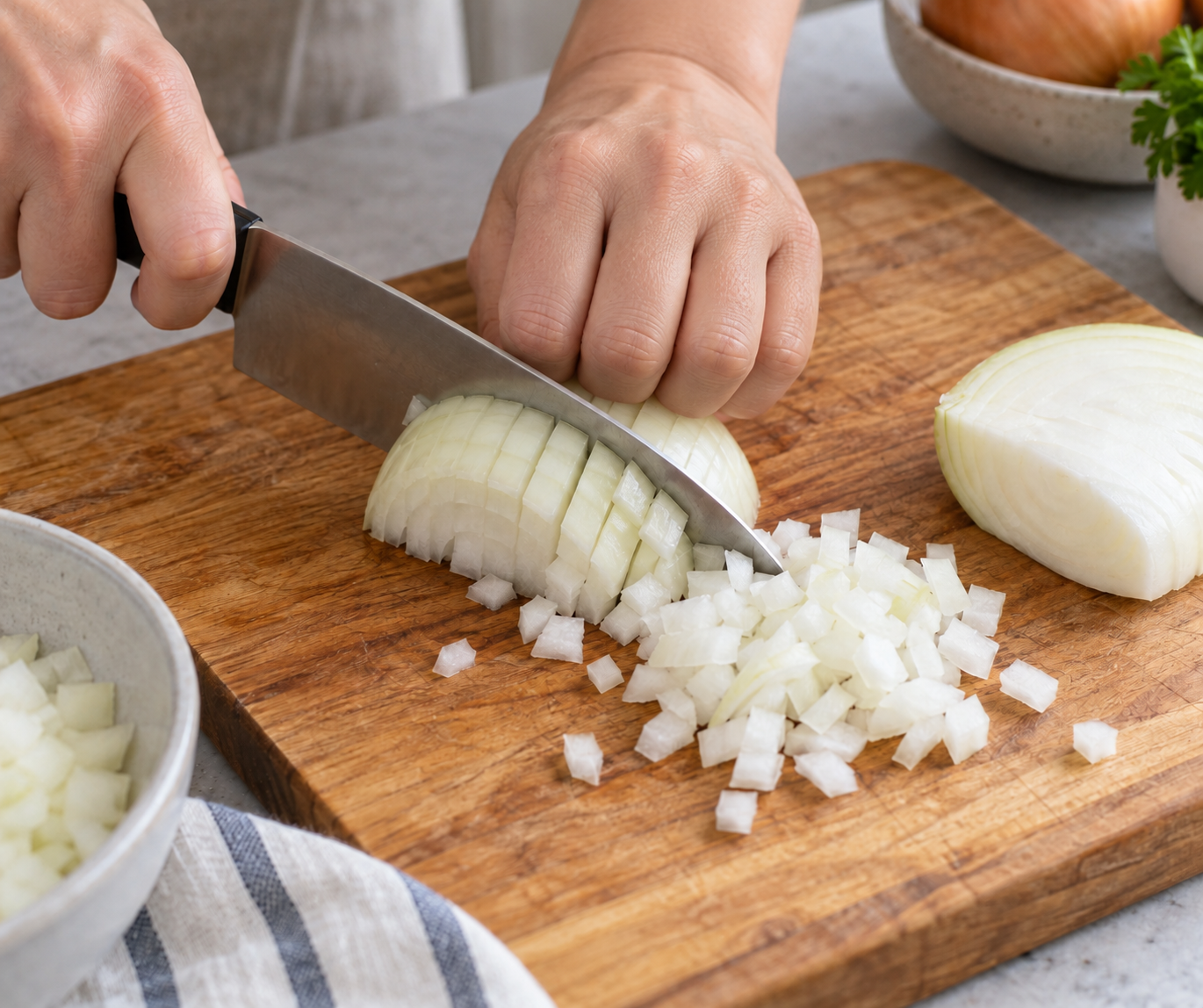
How to dice an onion without stress
A step-by-step beginner guide to cutting onion pieces that cook evenly, without worrying about chef perfection.
 Knife And Prep
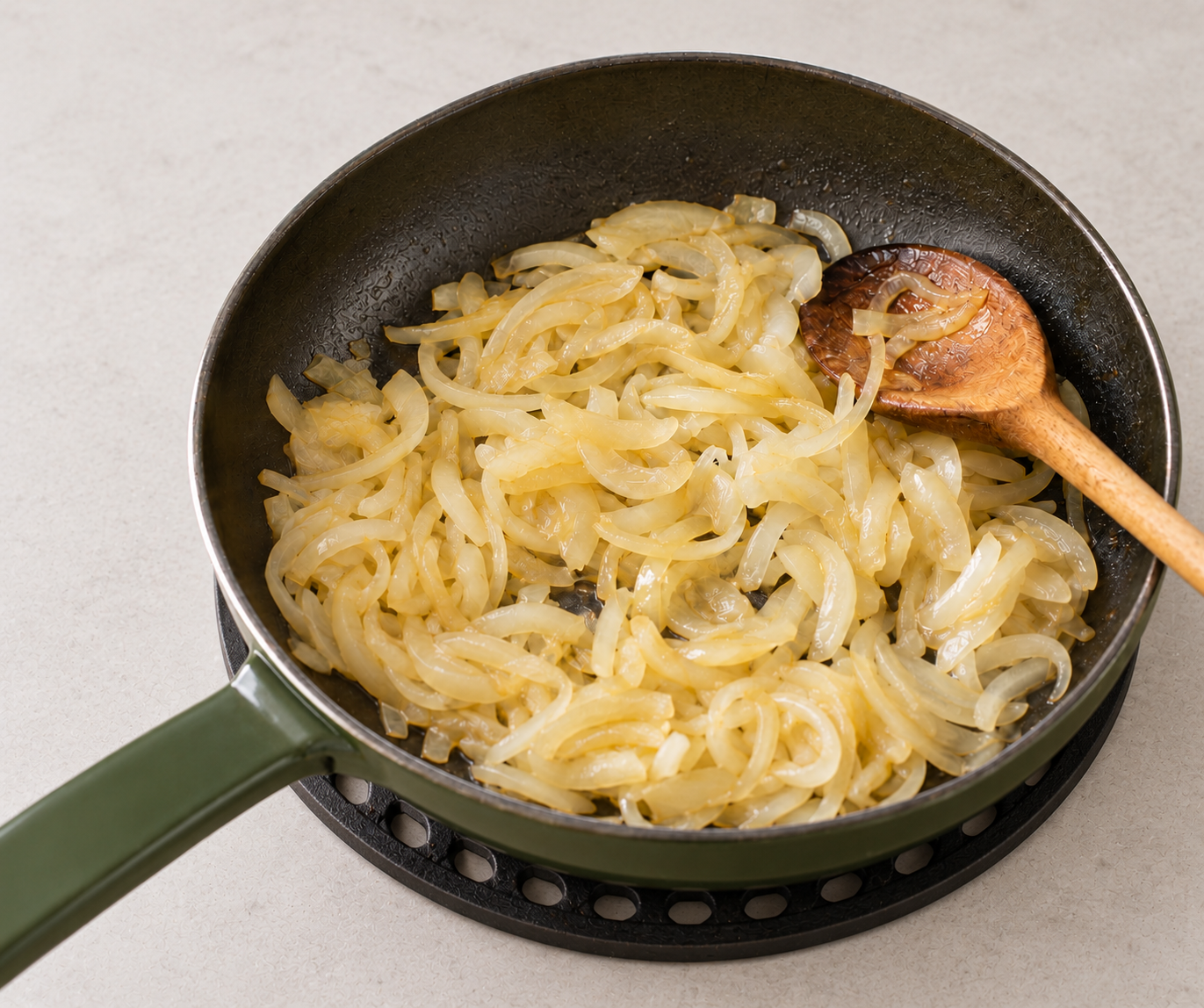
How to soften onions without burning them
A beginner guide to turning sharp raw onion into soft, sweet onion without rushing the heat or accidentally browning too early.
 Knife And Prep
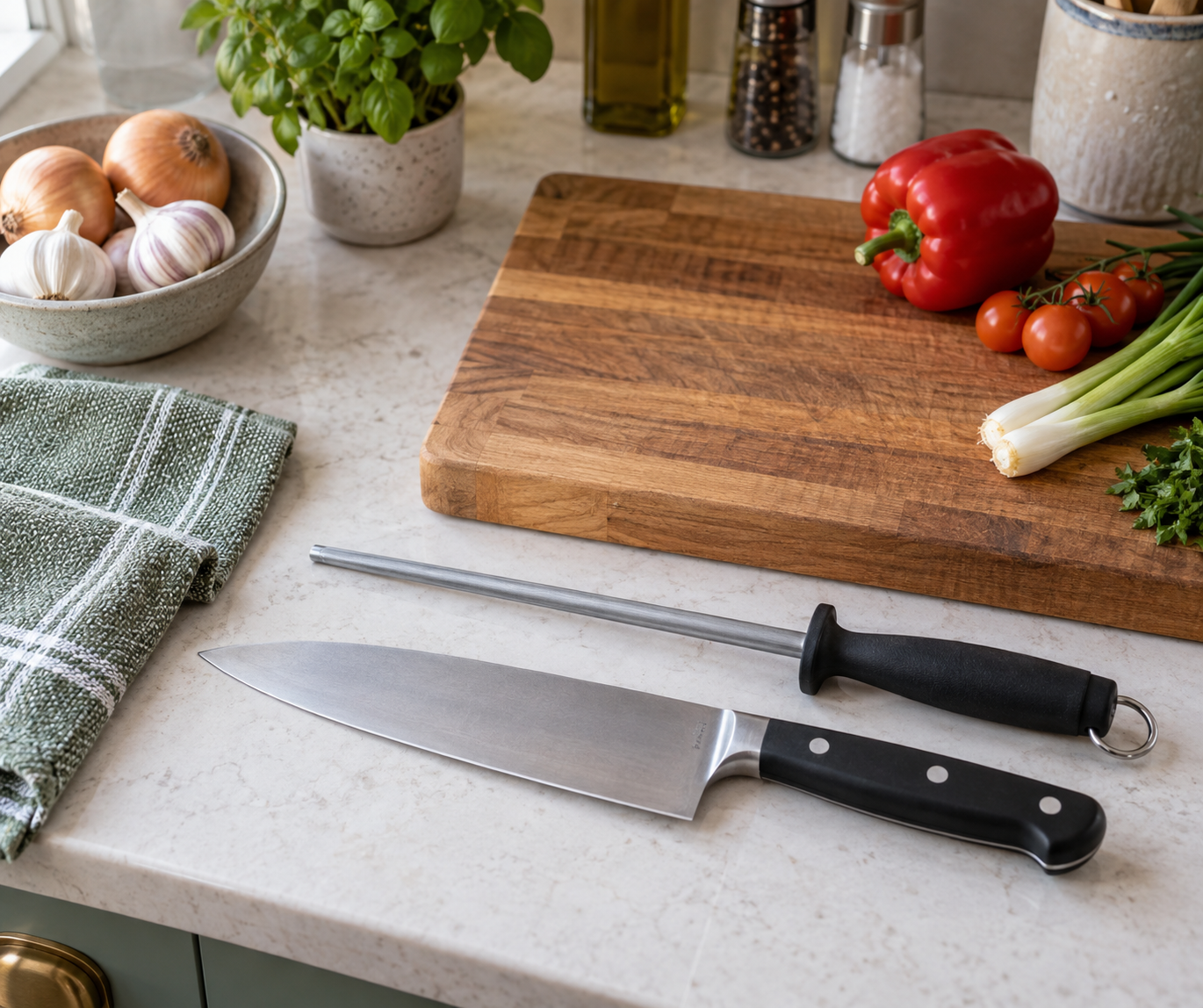
Knife sharpening and honing for beginners
Understand a dull blade, choose a suitable maintenance method and avoid the force that makes cutting harder to control.
 Knife And Prep
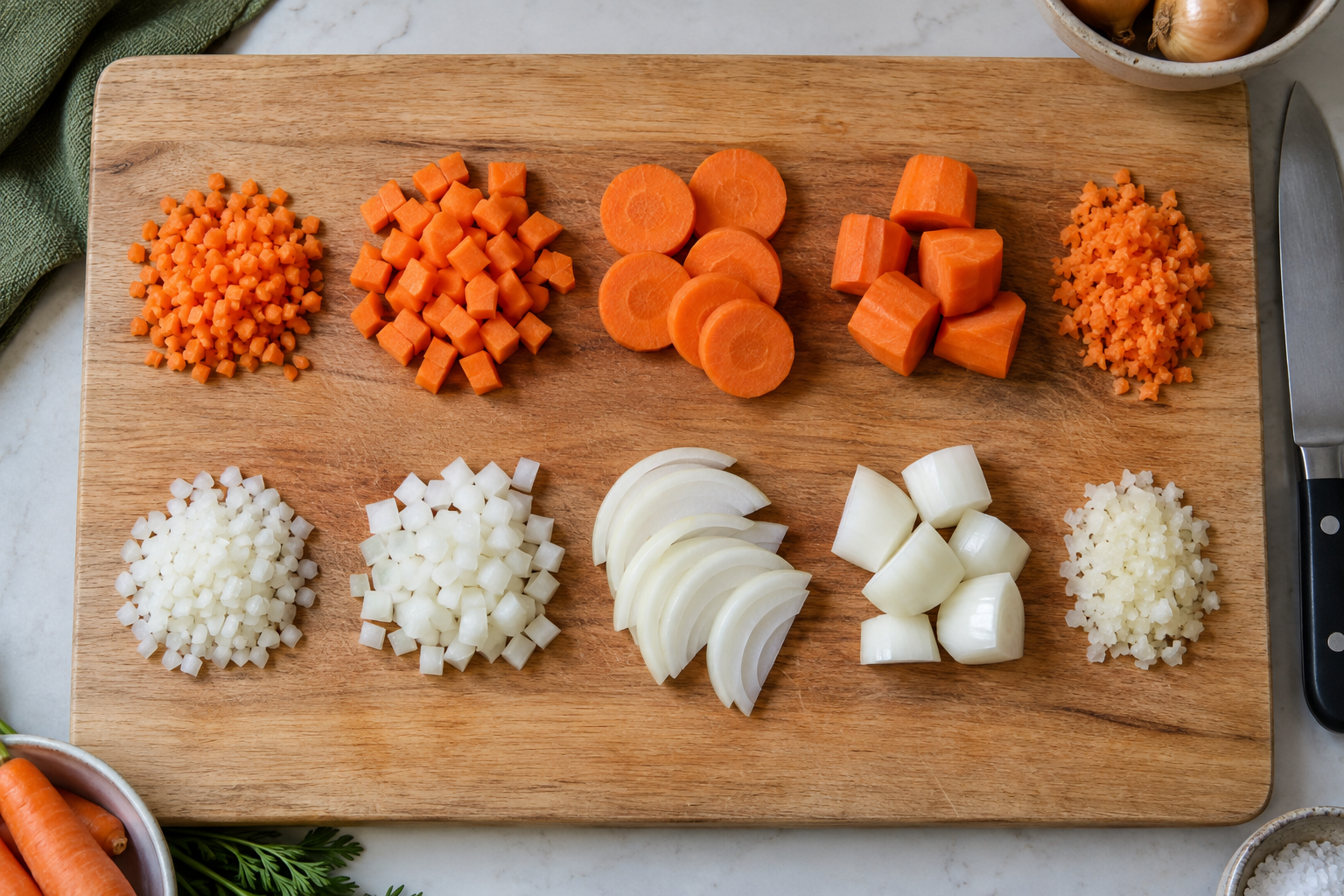
Chopping, slicing, scoring and using kitchen shears
Understand common cutting instructions and practise stable, even cuts before attempting smaller or more difficult work.
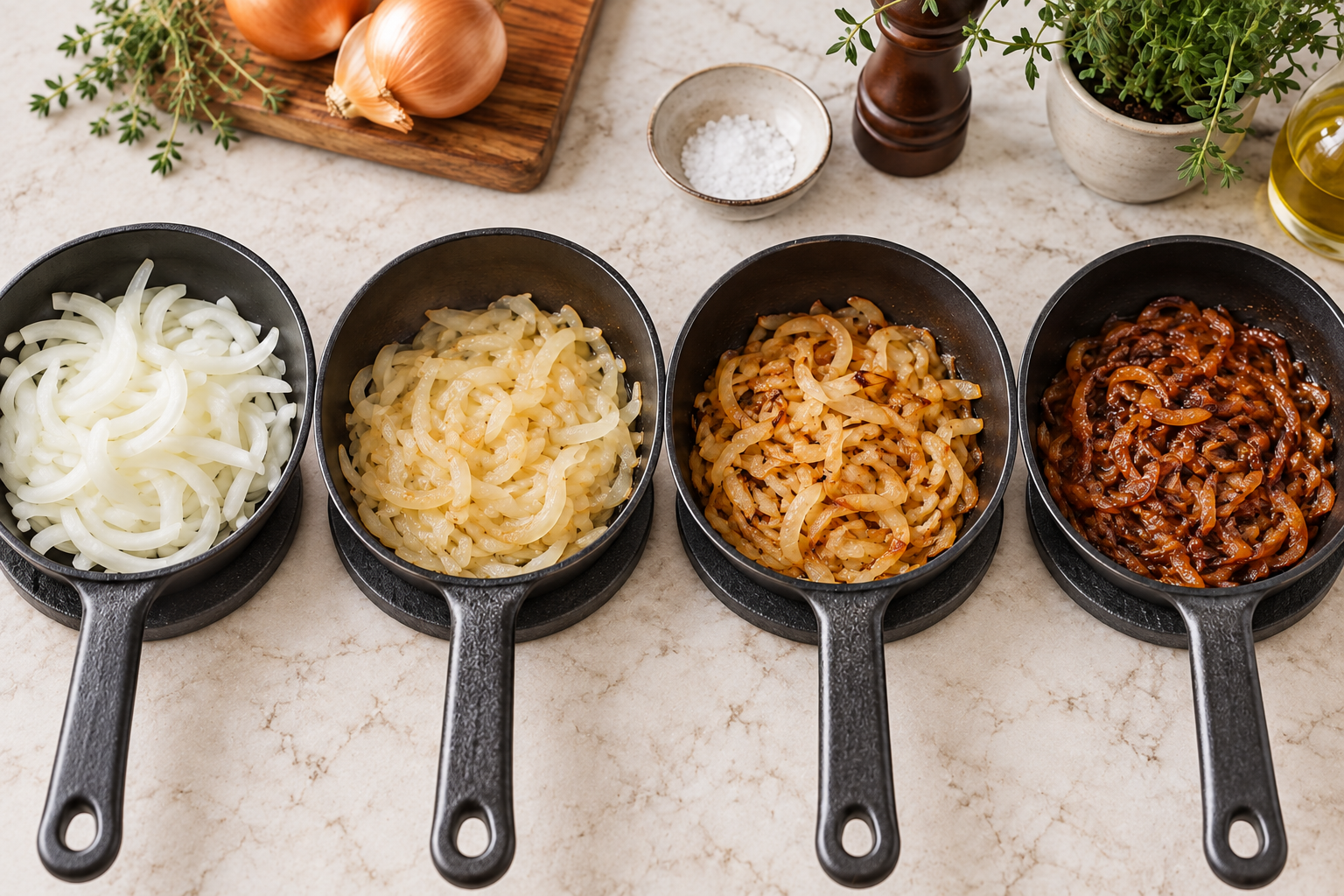 Knife And Prep
Caramelised onions: the slow route to sweetness
Learn the difference between softened and caramelised onions, control sticking and allow enough time for deep colour.
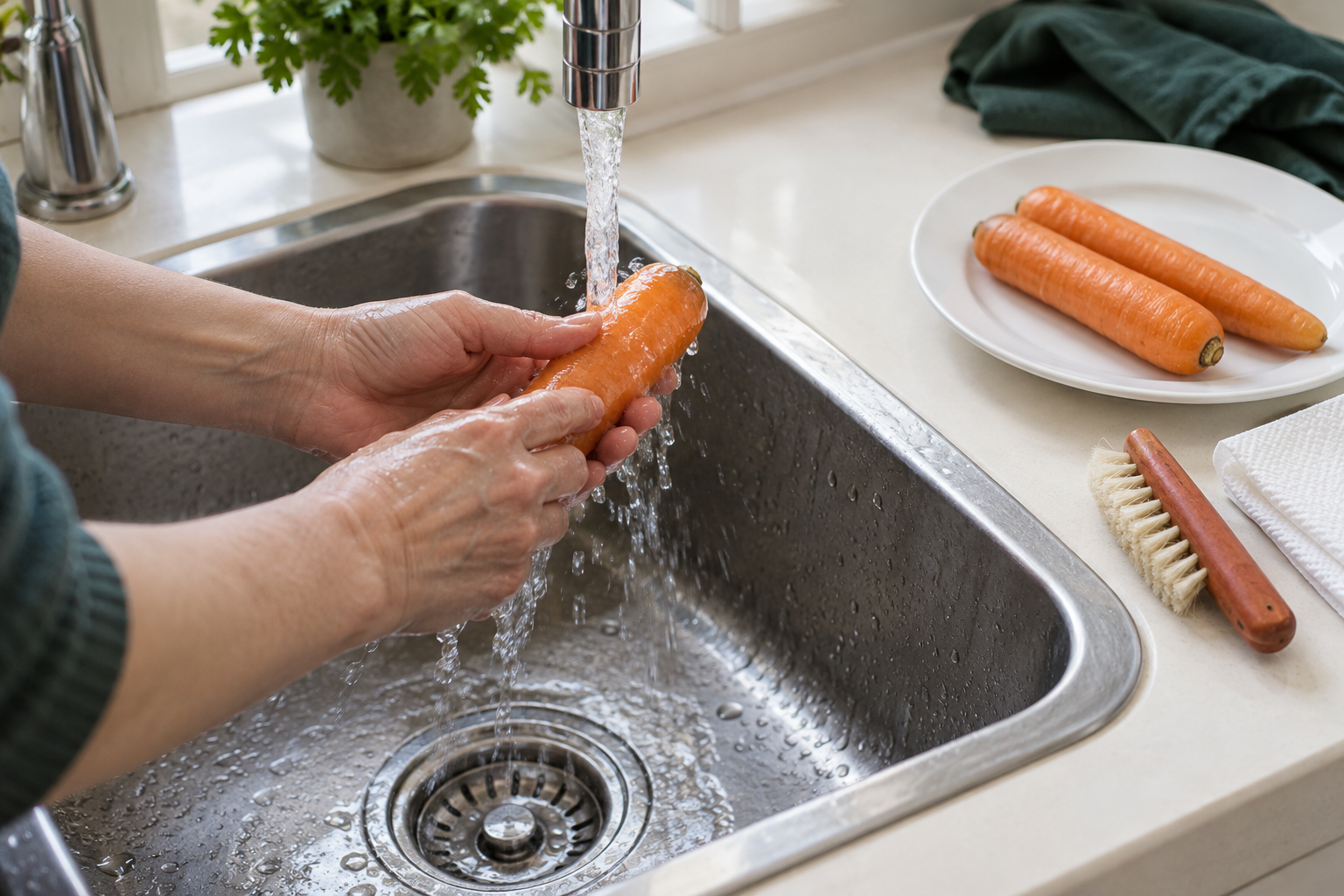 Knife And Prep
Washing vegetables and keeping prep clean
Remove soil, follow ready-to-eat labels and keep clean vegetables away from raw meat preparation.
6 guides
Eggs
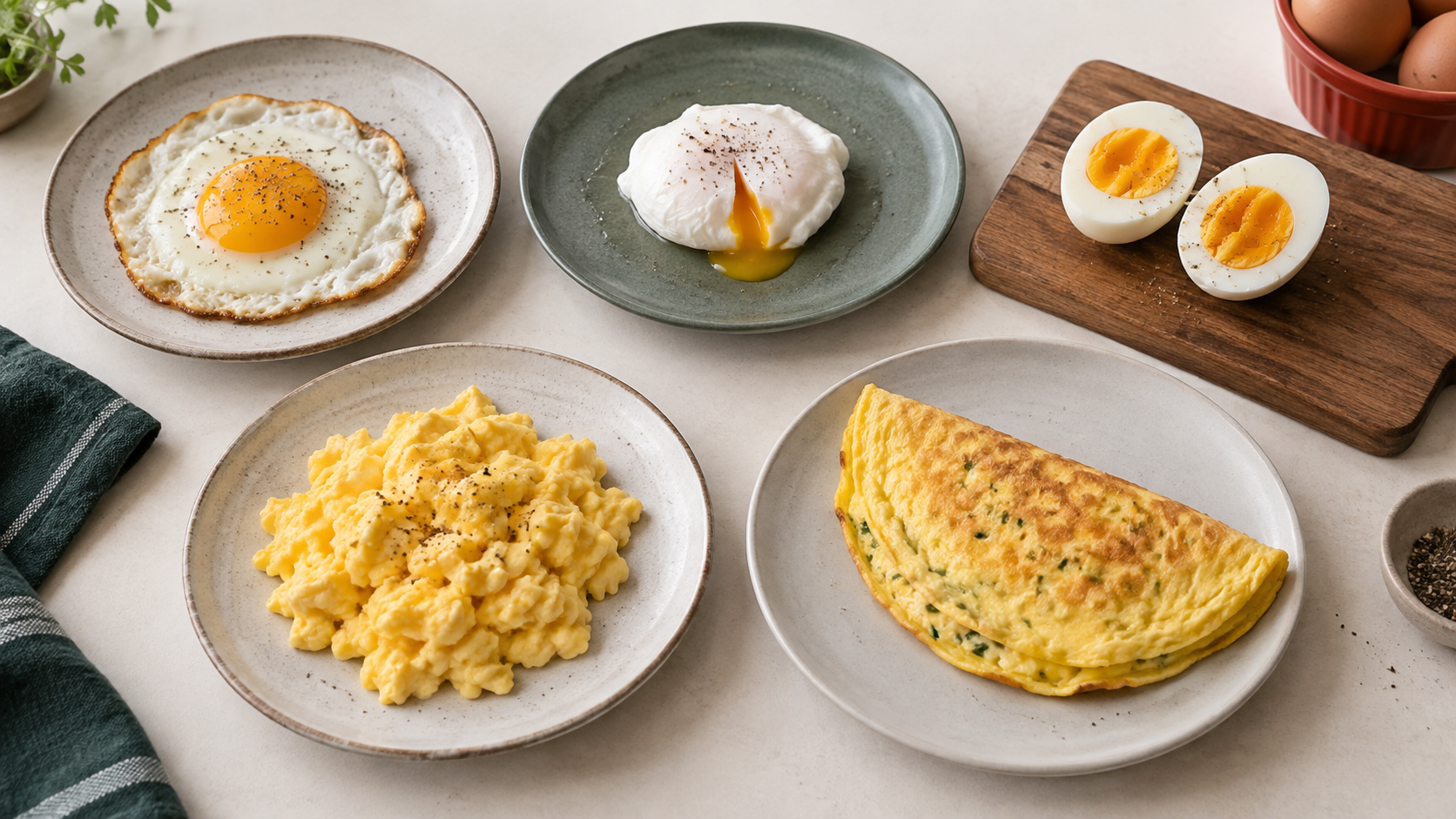
Learn timing and texture with fried, poached, boiled and scrambled eggs.
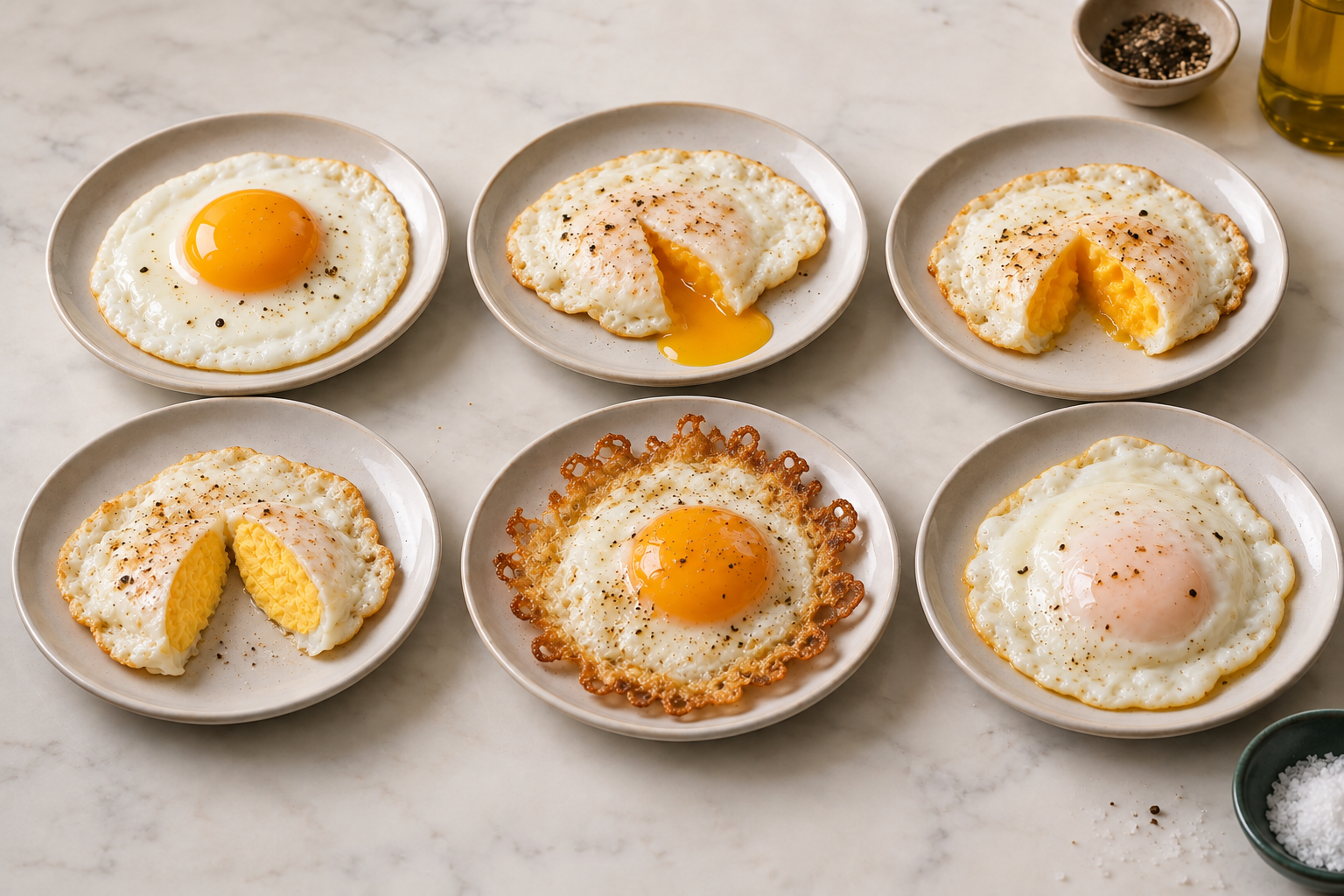 Eggs
Fried eggs: six styles and what to look for
Sunny side up, over easy, over medium, over hard, crispy-edge and basted fried eggs explained for complete beginners.
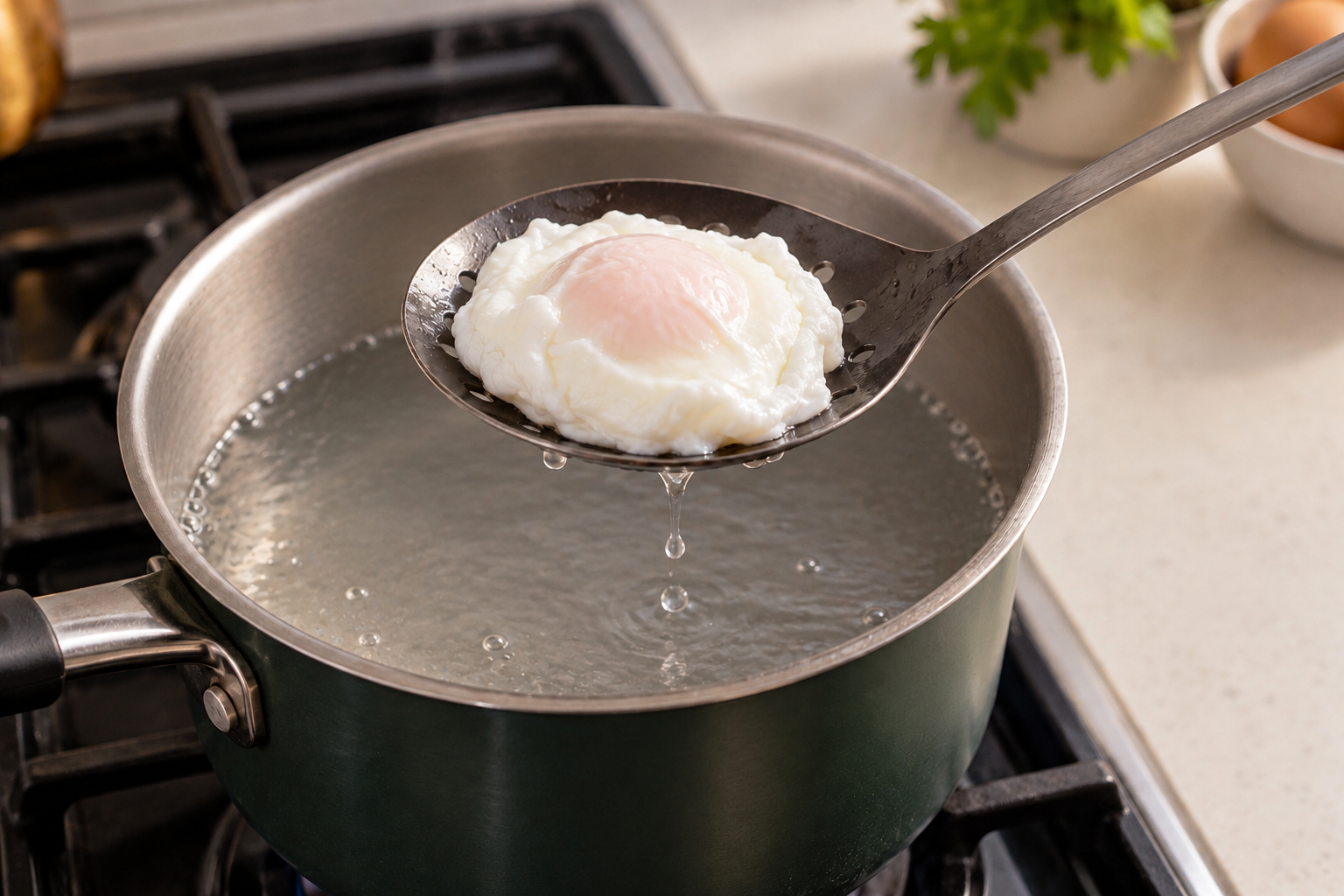 Eggs
Poached eggs without fear
A beginner guide to gentle water, gathered whites, draining, and what to do when a poached egg looks messy.
 Eggs
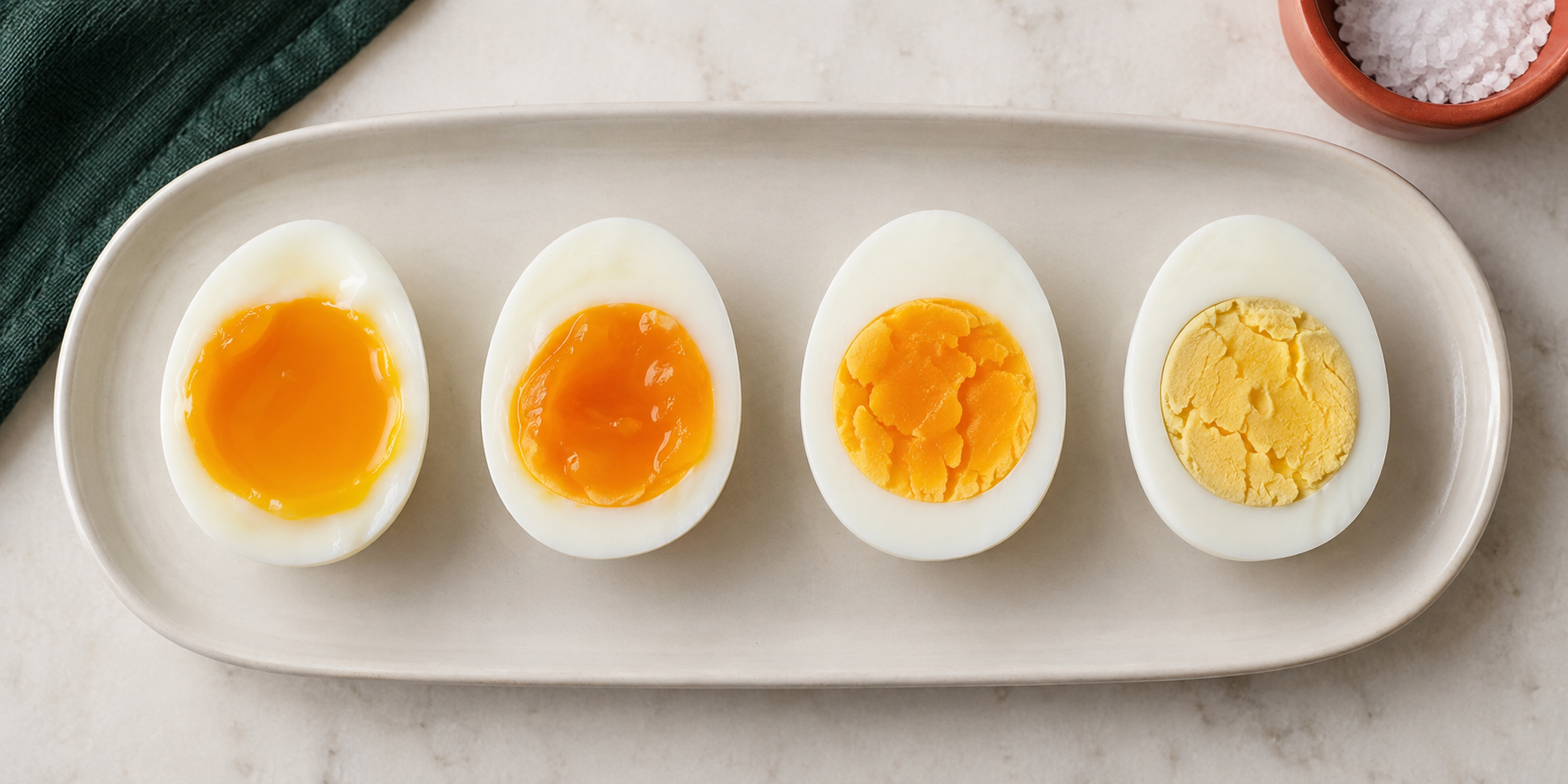
Boiled eggs: soft, jammy and hard
A complete beginner guide to boiled egg textures, cooling, peeling and what overcooked eggs look like.
 Eggs
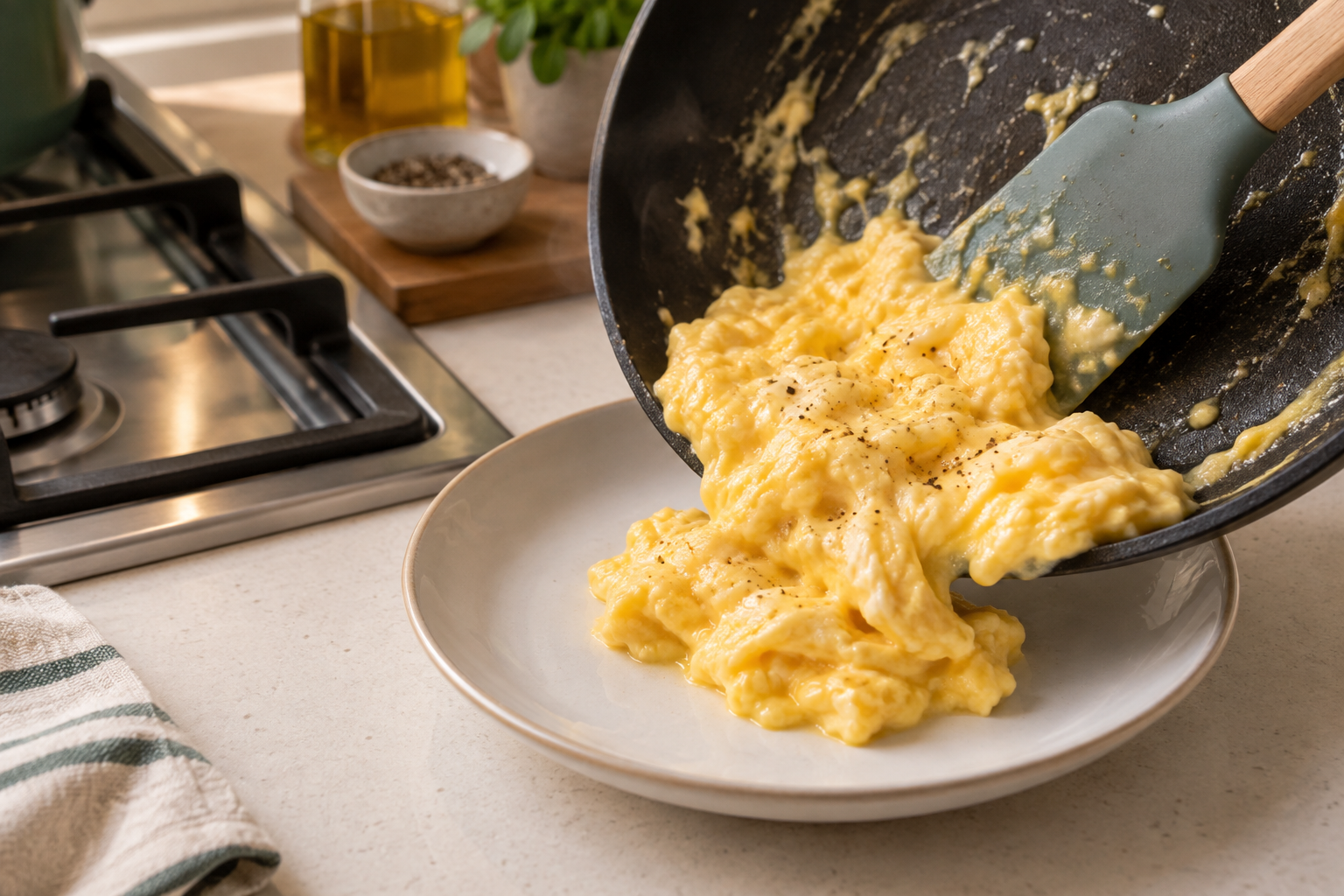
Scrambled eggs: soft curds, dry curds and when to stop
Learn what scrambled eggs look like as they set, why low heat helps, and how to avoid dry rubbery curds.
 Eggs
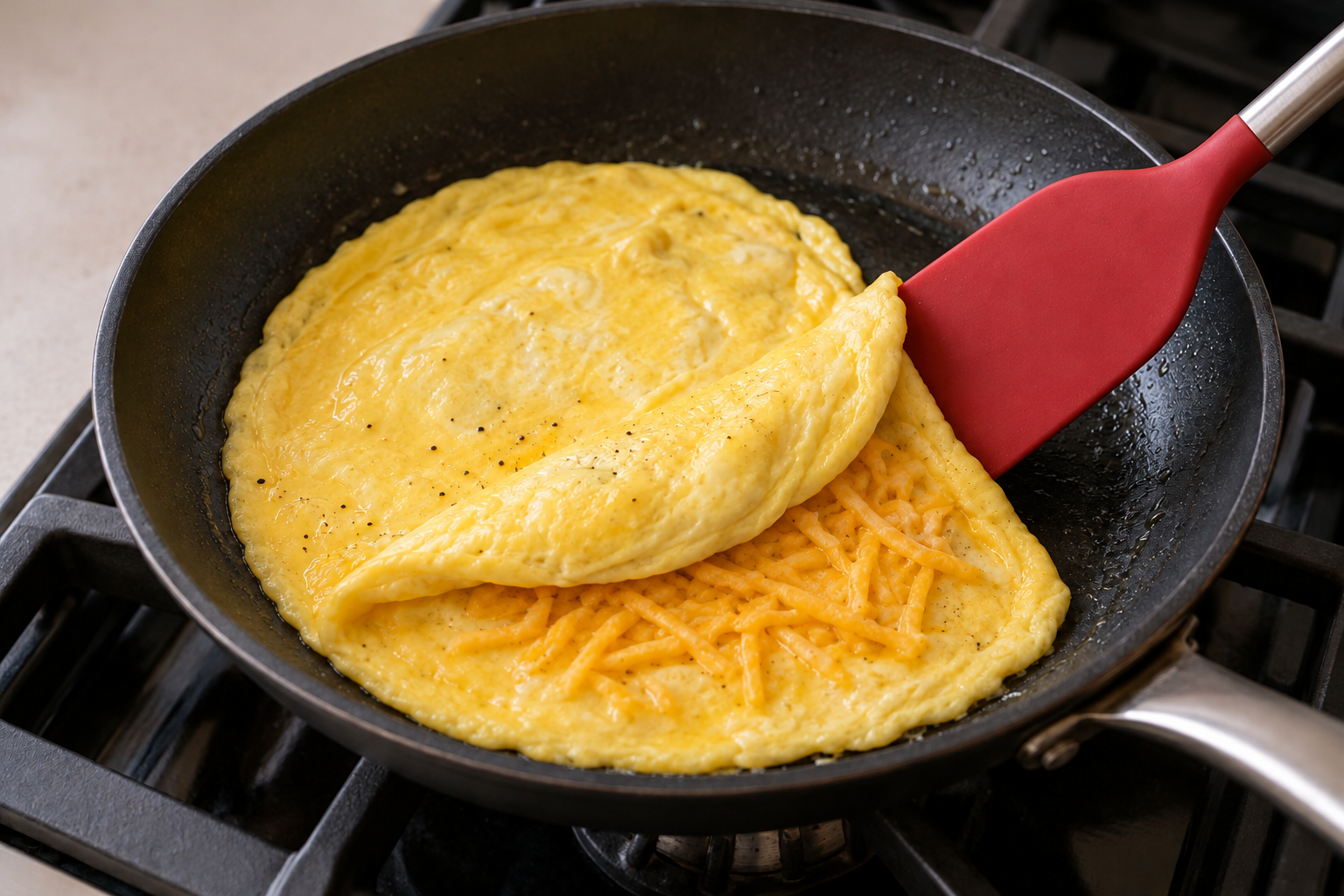
Omelettes: set, fill and fold without panic
A beginner guide to omelette surface cues, filling amounts, folding and what to do if it tears.
 Eggs
Egg freshness, storage and separating yolks
Understand the float test and yolk colour, store eggs consistently and separate a yolk from its white without rushing.
6 guides
Pasta And Rice
Portions, doneness, sauce, water and safe leftovers.
 Pasta And Rice
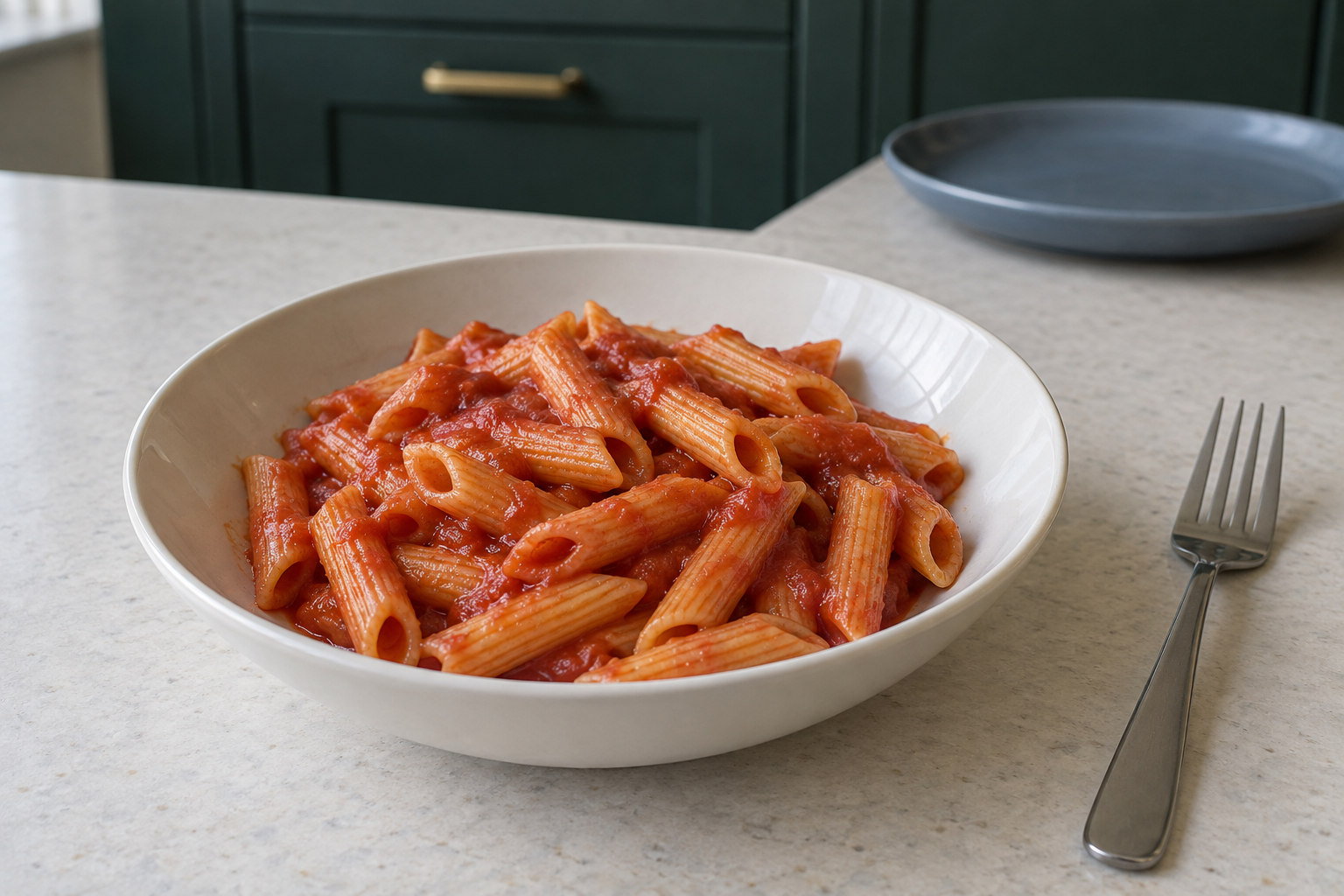
Pasta water and sauce cling
Save a little cooking water safely, then add it gradually while mixing pasta with tomato sauce until the coating suits you.
 Pasta And Rice
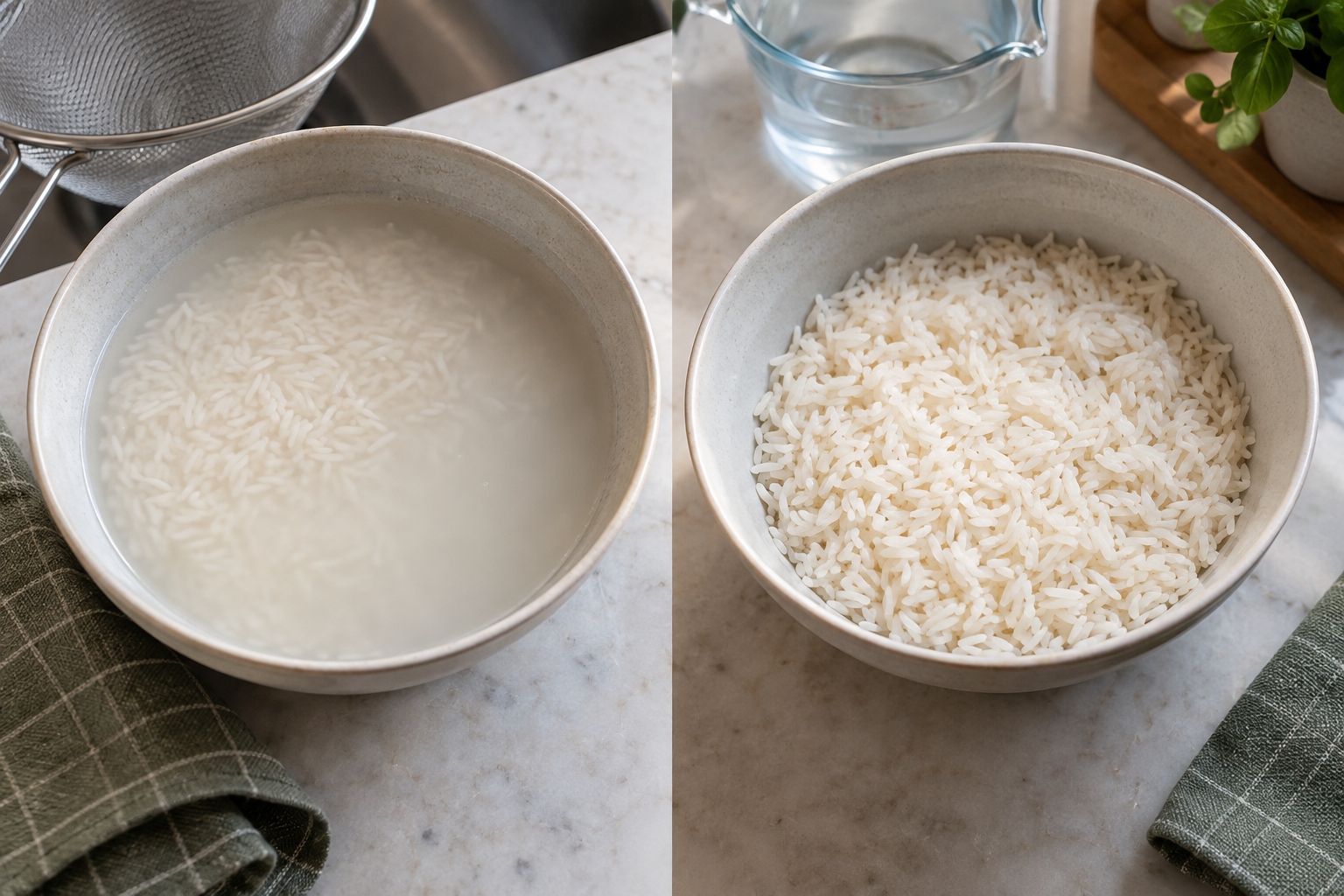
Rice texture basics for beginners
A beginner guide to fluffy, wet, mushy and undercooked rice, with practical rescue options.
 Pasta And Rice
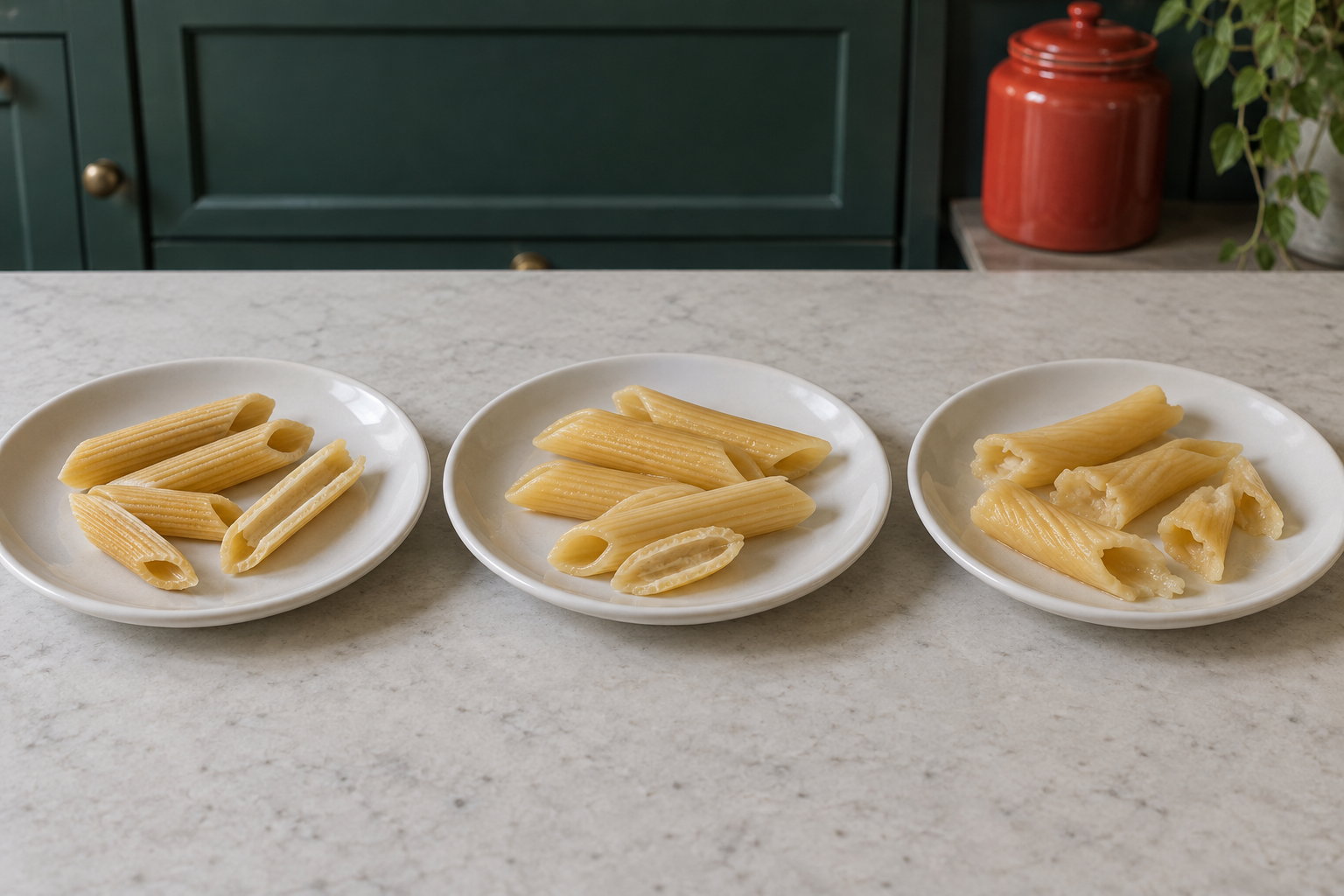
Pasta doneness: why tasting matters
Cook a small portion of dried pasta, take a cooled sample safely and learn the difference between pleasantly firm and hard in the middle.
Pasta And RicePasta portions, sauce amount and finishing
How much sauce pasta needs, why finishing in the pan helps, and how to avoid dry piles or sauce puddles.
 Pasta And Rice
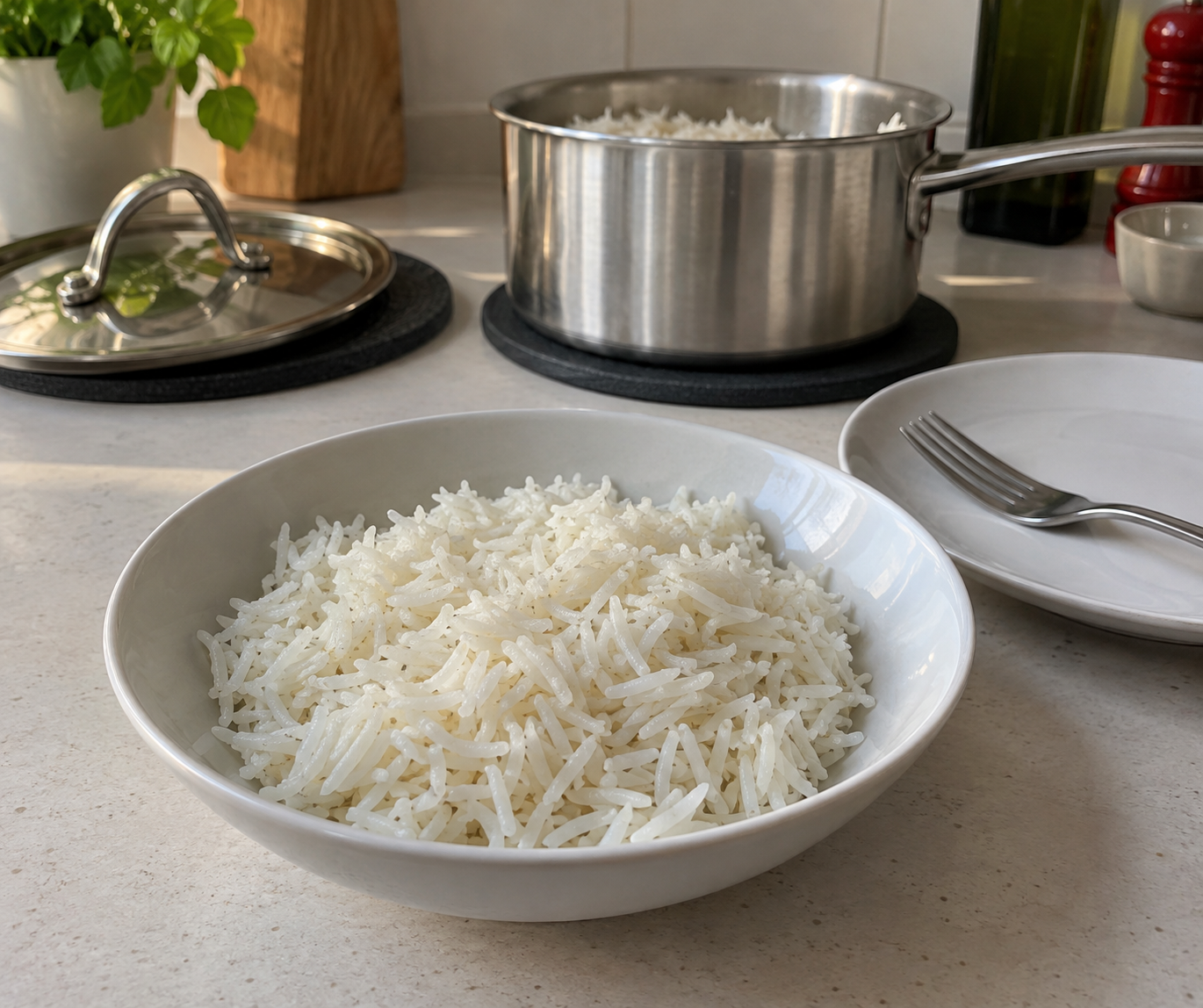
Rice absorption and water ratio
A beginner explanation of how rice absorbs water, why resting matters, and what to do when the pan looks too wet or too dry.
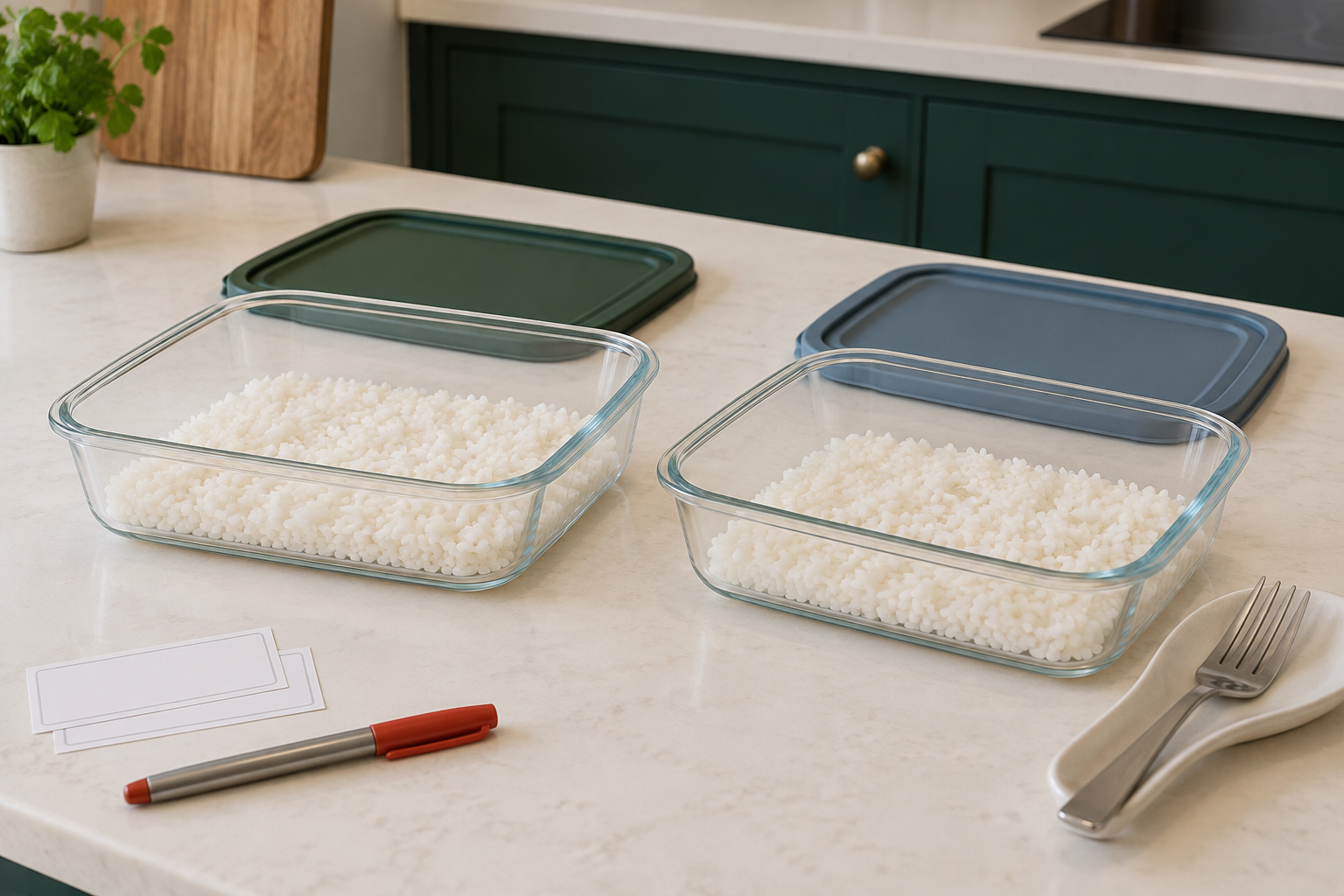 Pasta And Rice
Rice leftovers safely
A beginner guide to cooling, storing and reheating rice with a cautious source-checked approach.
10 guides
Flavour
Taste deliberately and learn what salt, acid, fat, herbs and spices change.
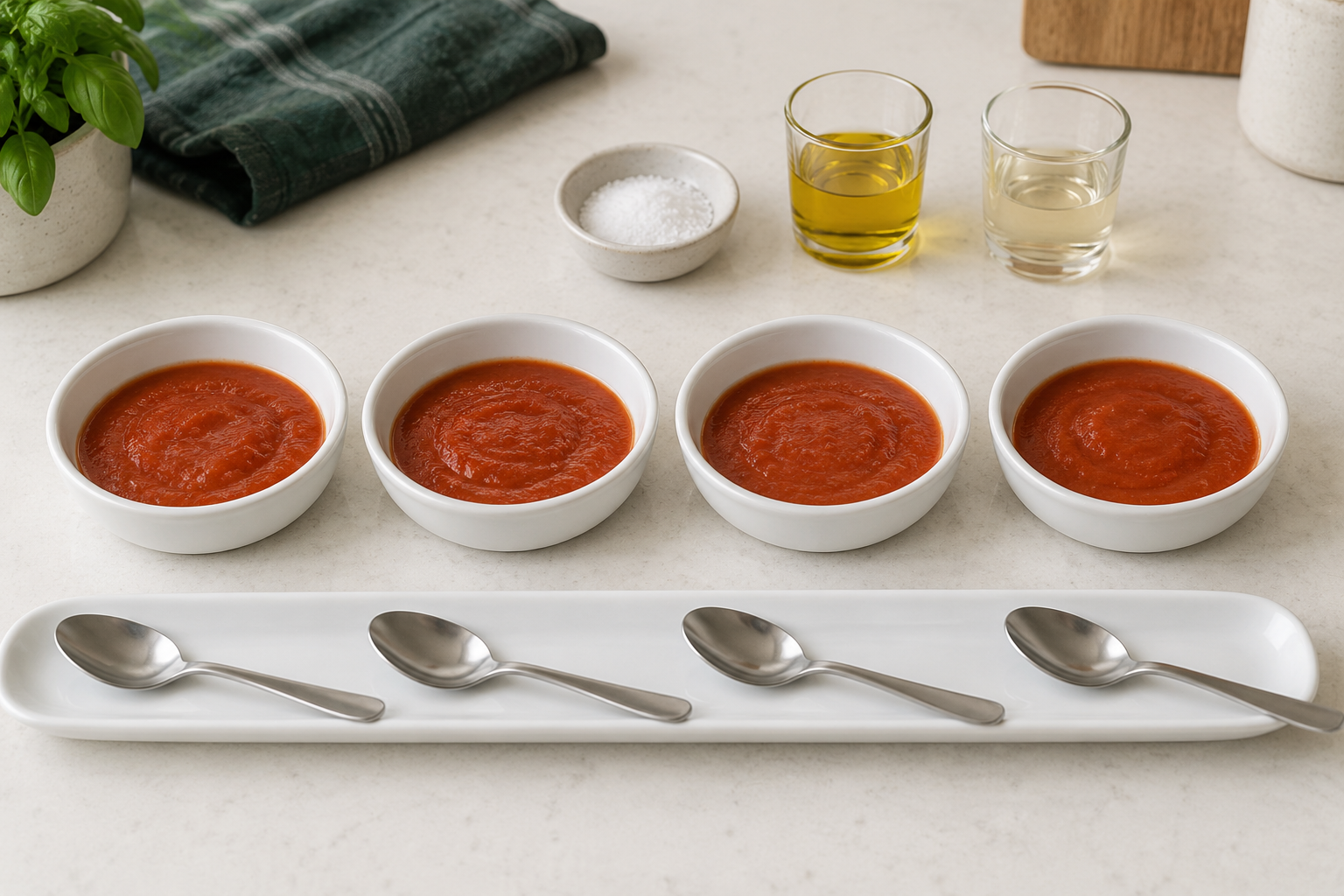 Flavour
Seasoning food without guessing
How to taste food, name what is missing, and adjust with salt, acid, fat, heat, herbs or sweetness one step at a time.
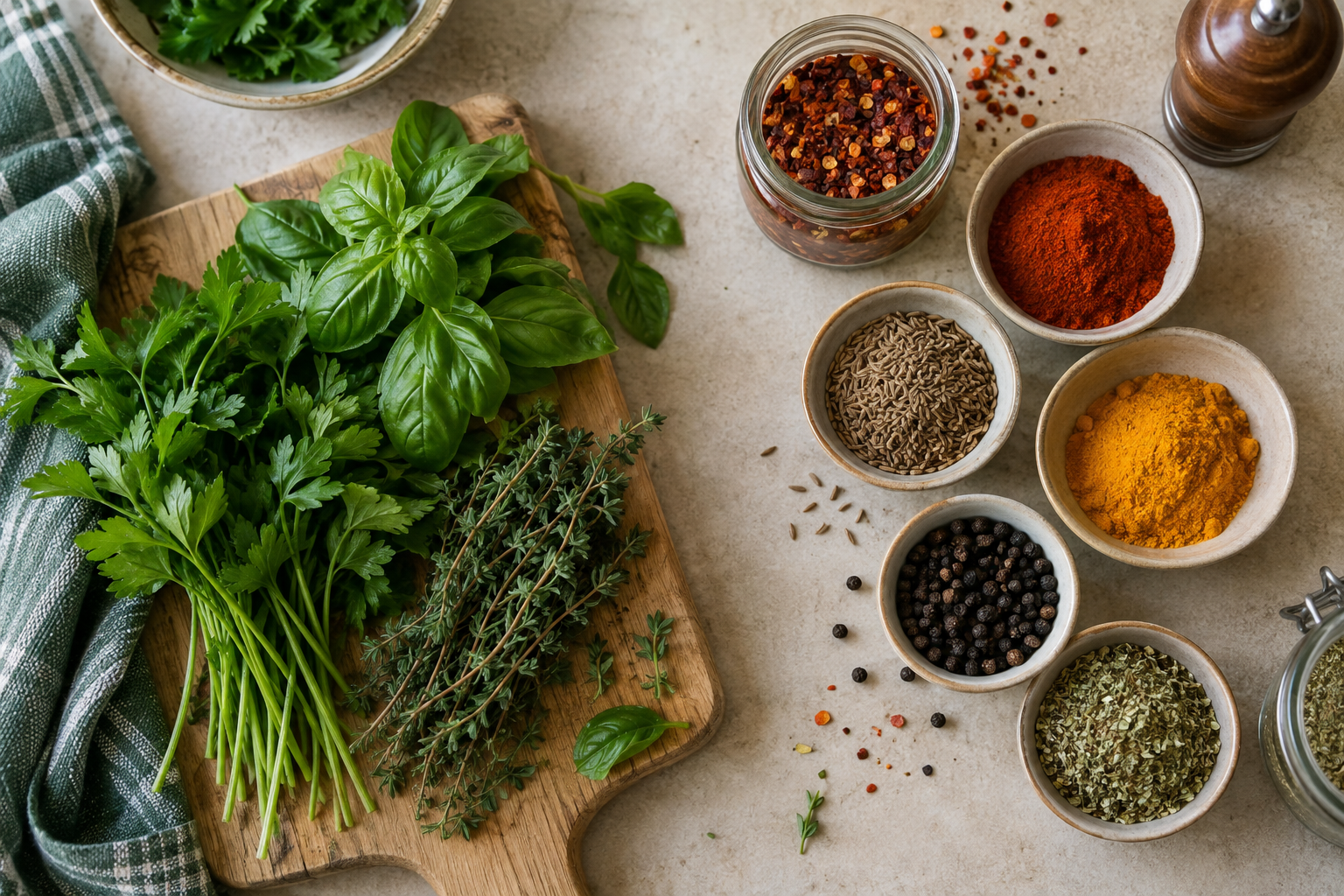 Flavour
Herbs versus spices: what they are and when to add them
Choose a herb or spice, prepare it, and compare a fresh finish with a separately cooked dried-herb sauce.
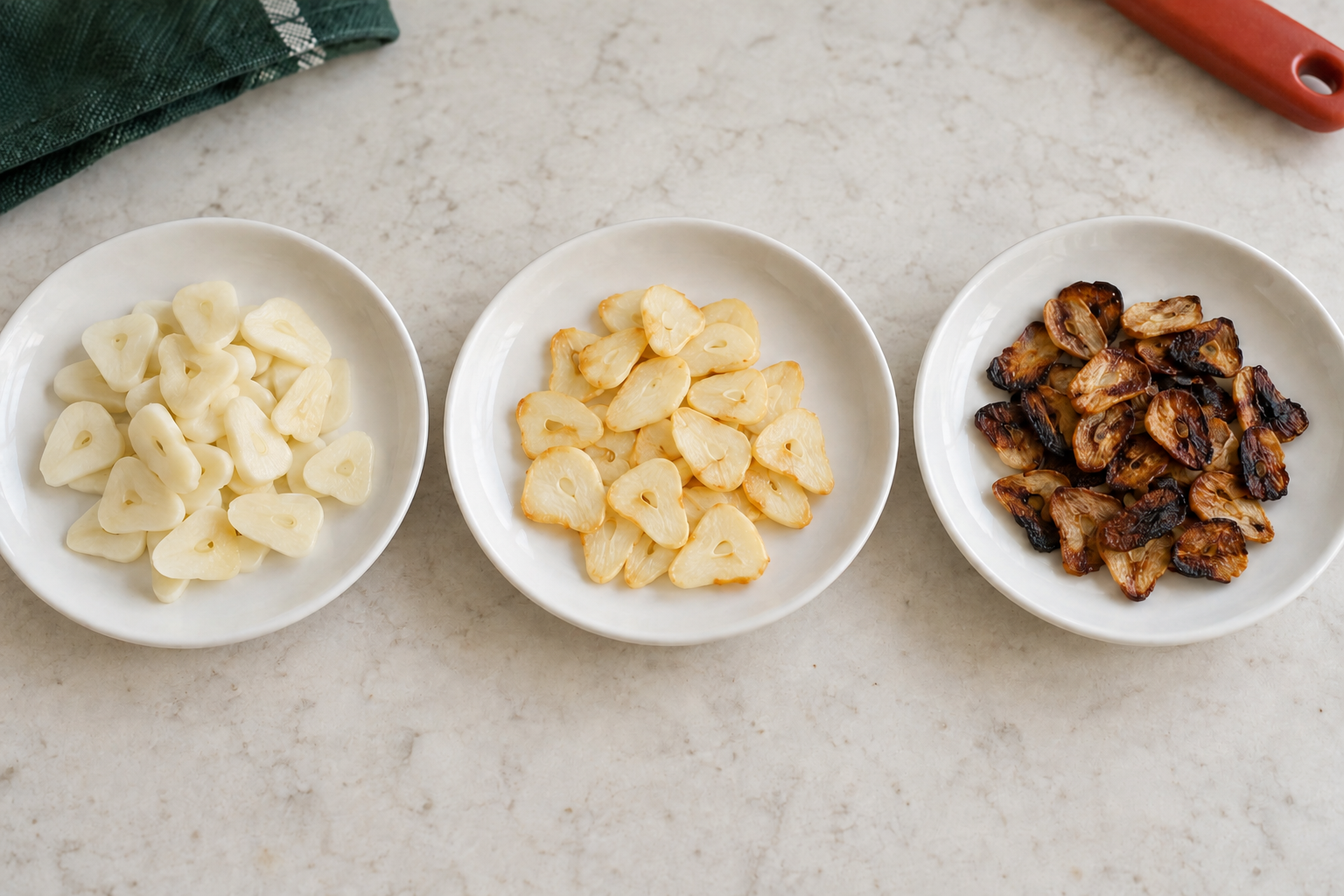 Flavour
Garlic colour: fragrant, golden or burnt
Peel and cut a clove, add pale garlic to a finished onion base, and practise a separate gentle golden-slice topping.
 Flavour
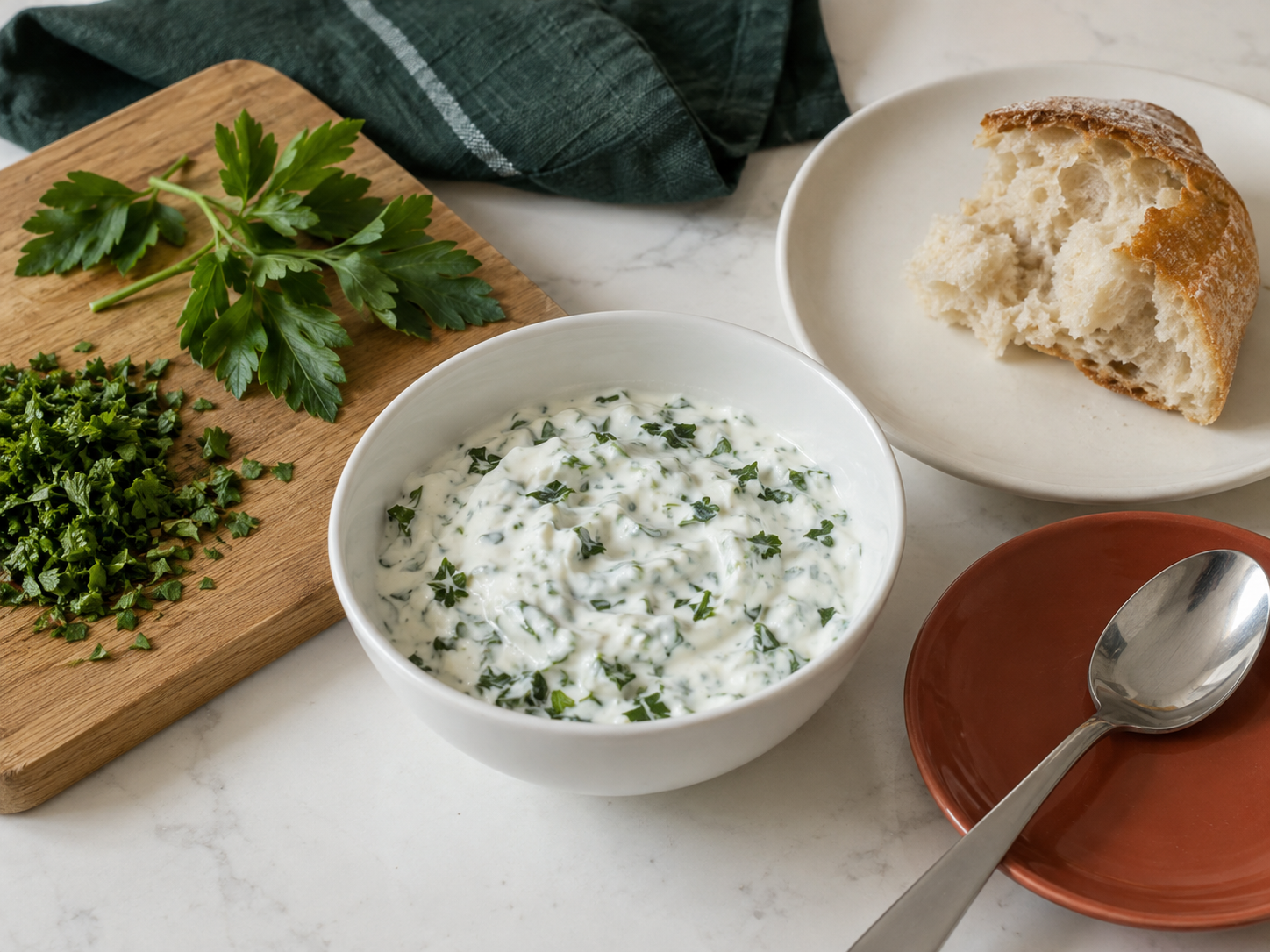
Fresh herbs: storing them and using them up
How to keep herbs useful for longer, when to add them, and how to use a bunch before it turns sad in the fridge.
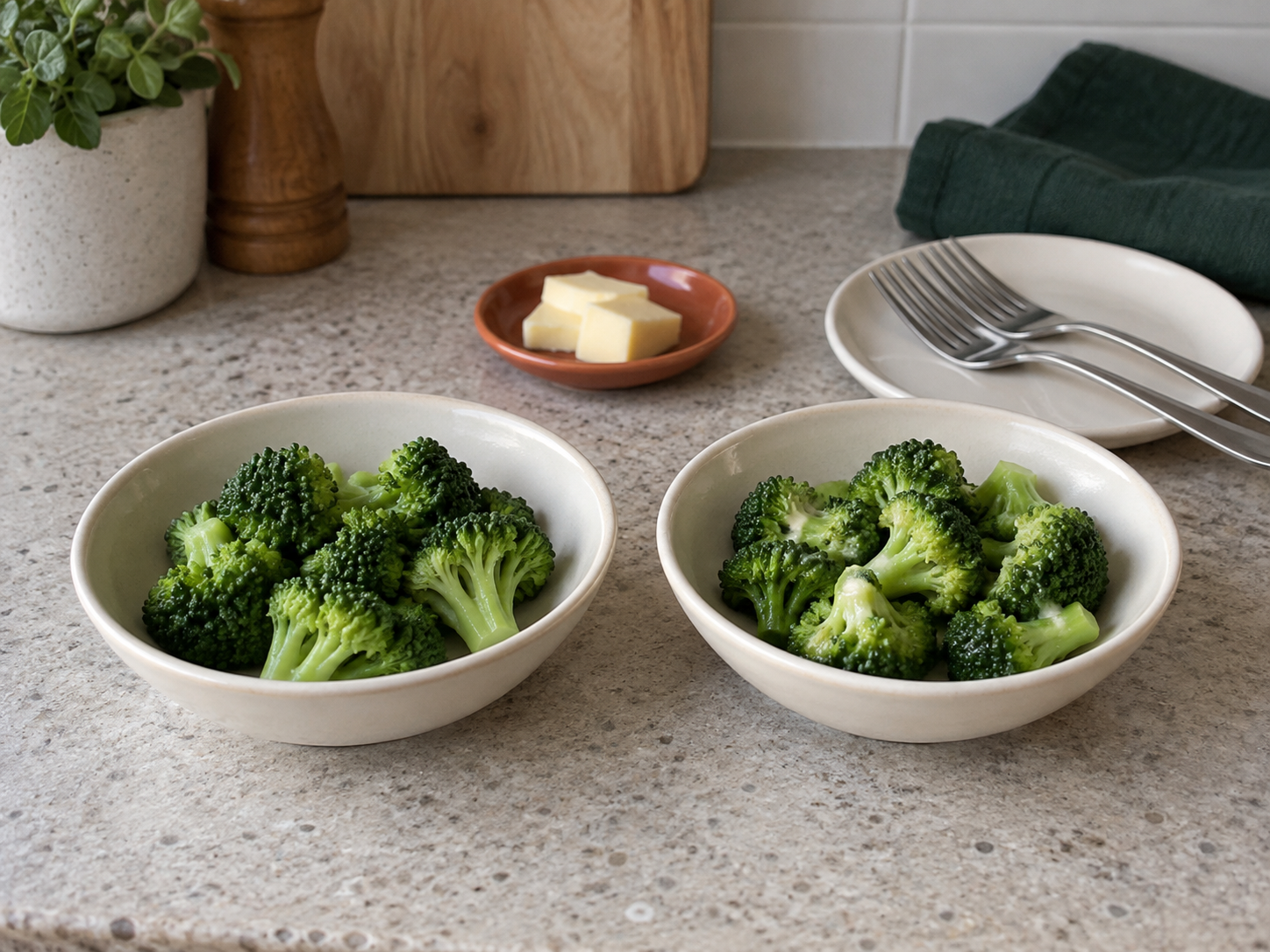
FlavourAcid, fat and salt balance
A beginner guide to why food tastes flat, heavy or sharp, and how acid, fat and salt change a bite.
 Flavour
Butter, oil and finishing fat
A beginner guide to what butter and oil do, why fat carries flavour, and when a small finish matters more than adding more salt.
 Flavour
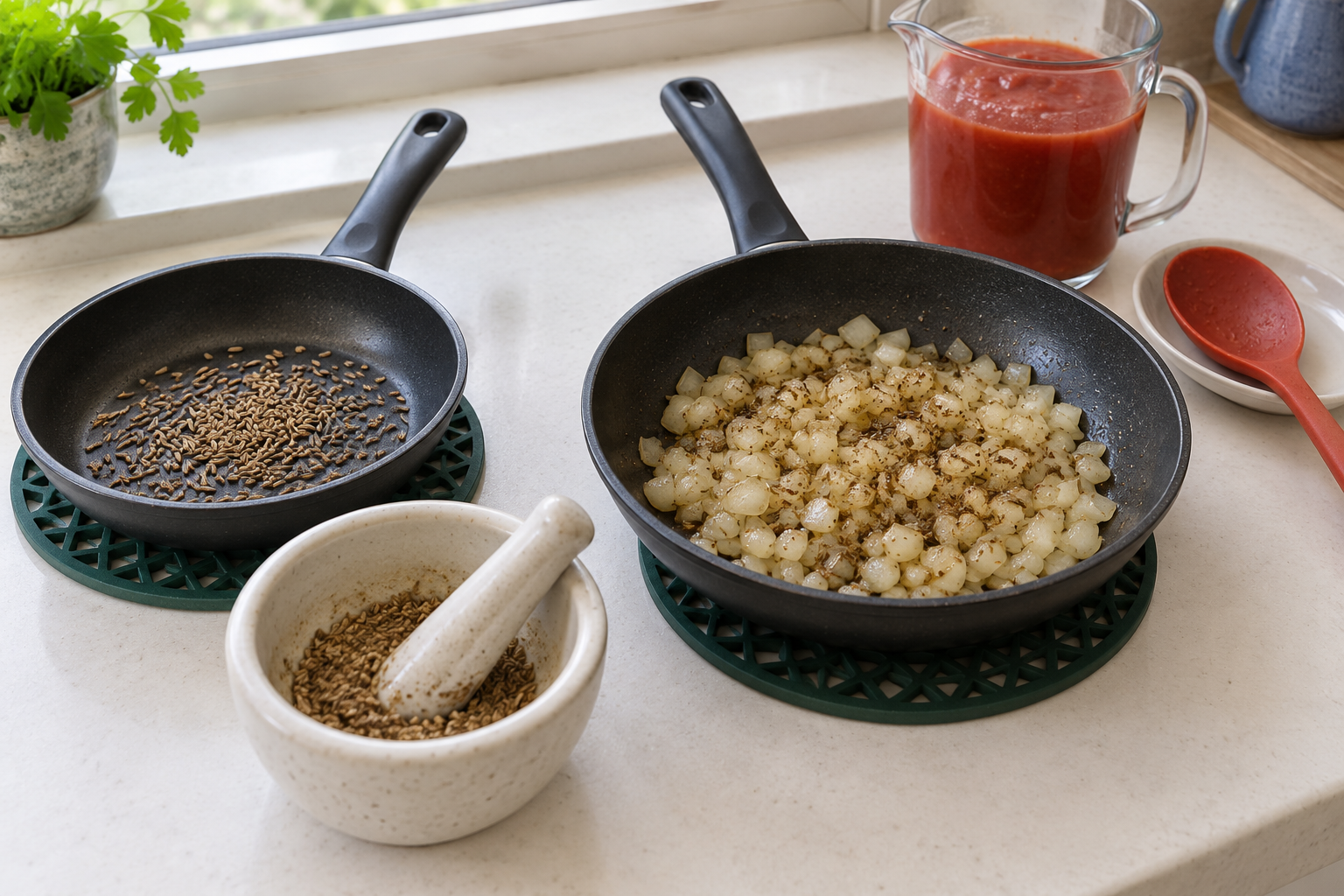
Dry frying, toasting and blooming spices
Learn when spices need a dry pan, a little oil or liquid, and how to stop before their flavour burns.
 Flavour
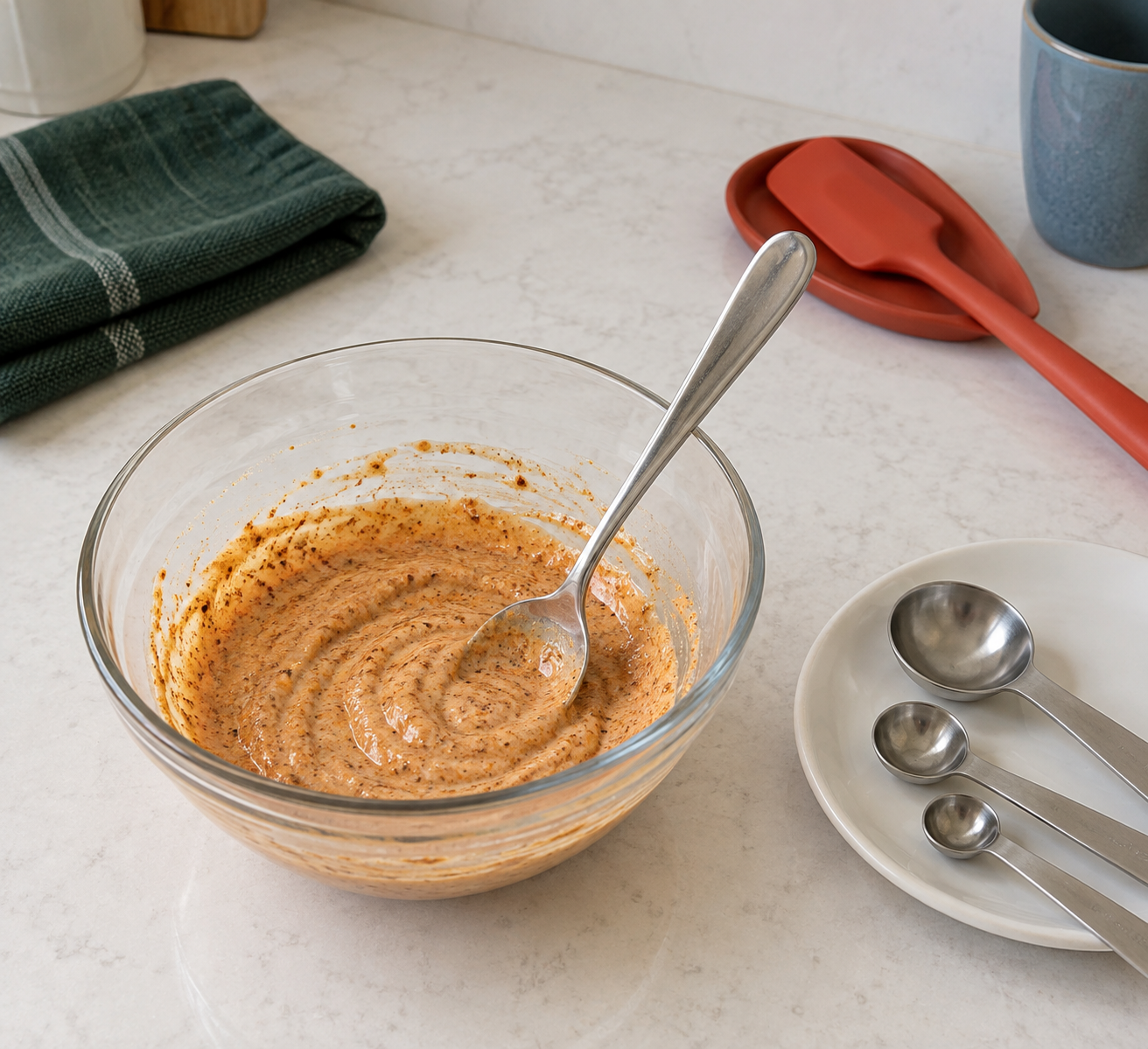
Marinating: flavour, timing and safe handling
Understand what a marinade can change, mix a small batch and keep raw-food handling separate from serving.
 Flavour
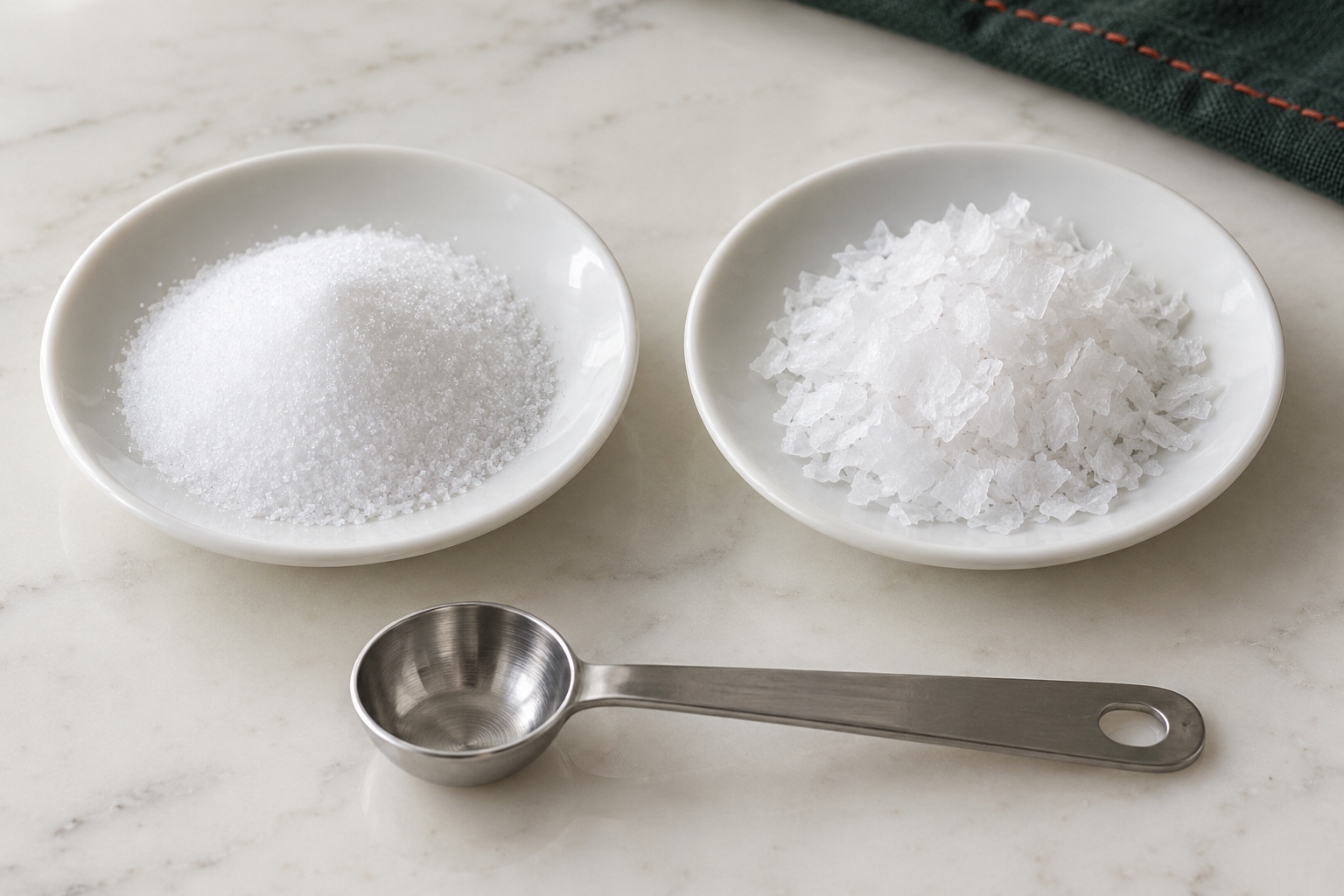
Which salt to use and when to add it
Use fine and flaky salt deliberately, understand why spoon measures differ and season without losing track of the total.
 Flavour
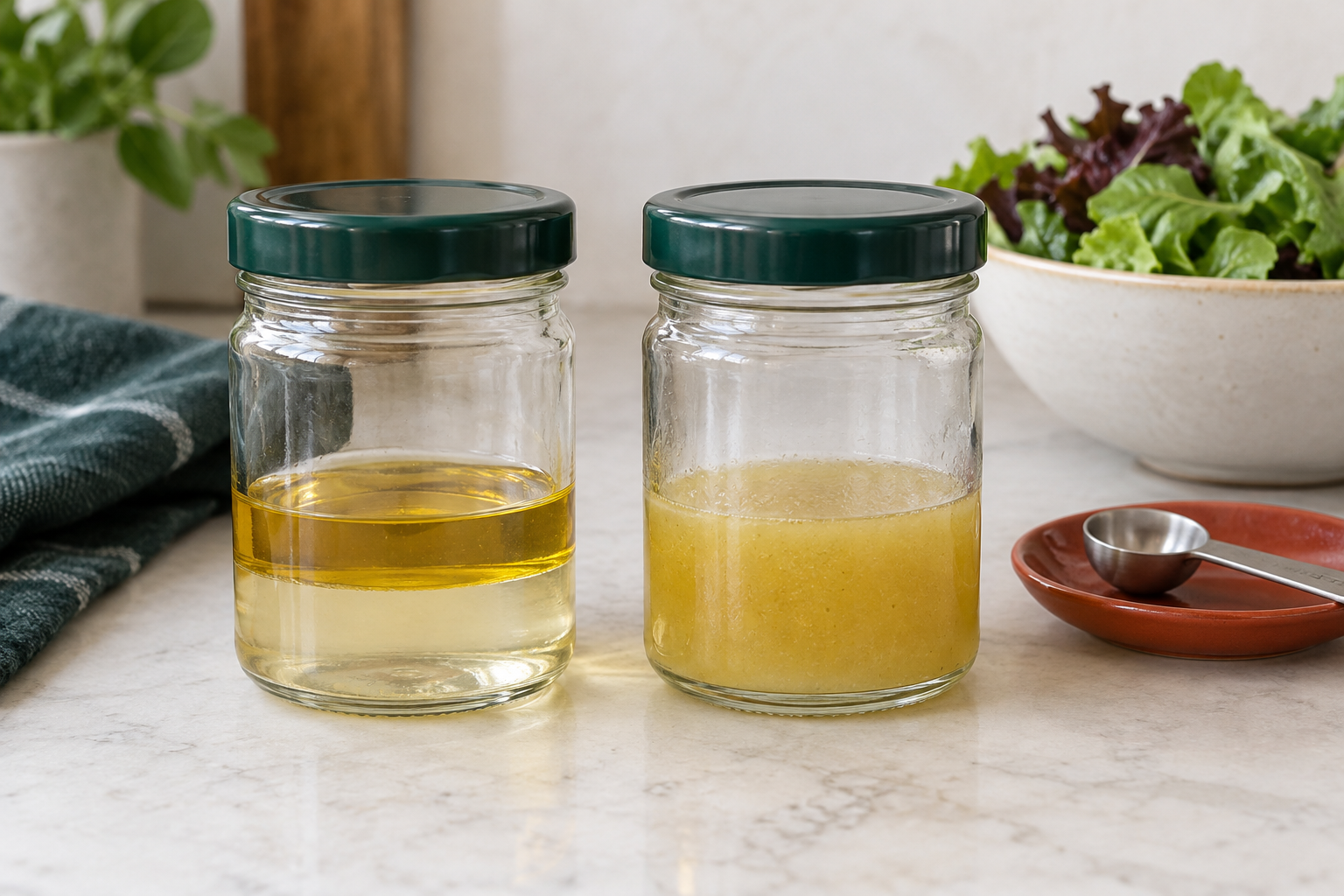
Make an oil and vinegar dressing
See what an emulsion means by shaking a simple dressing and learn how to adjust its balance without starting again.
12 guides
Mistake Recovery
Find a practical next step for salty, watery, lumpy, burnt or dry food.
 Mistake Recovery
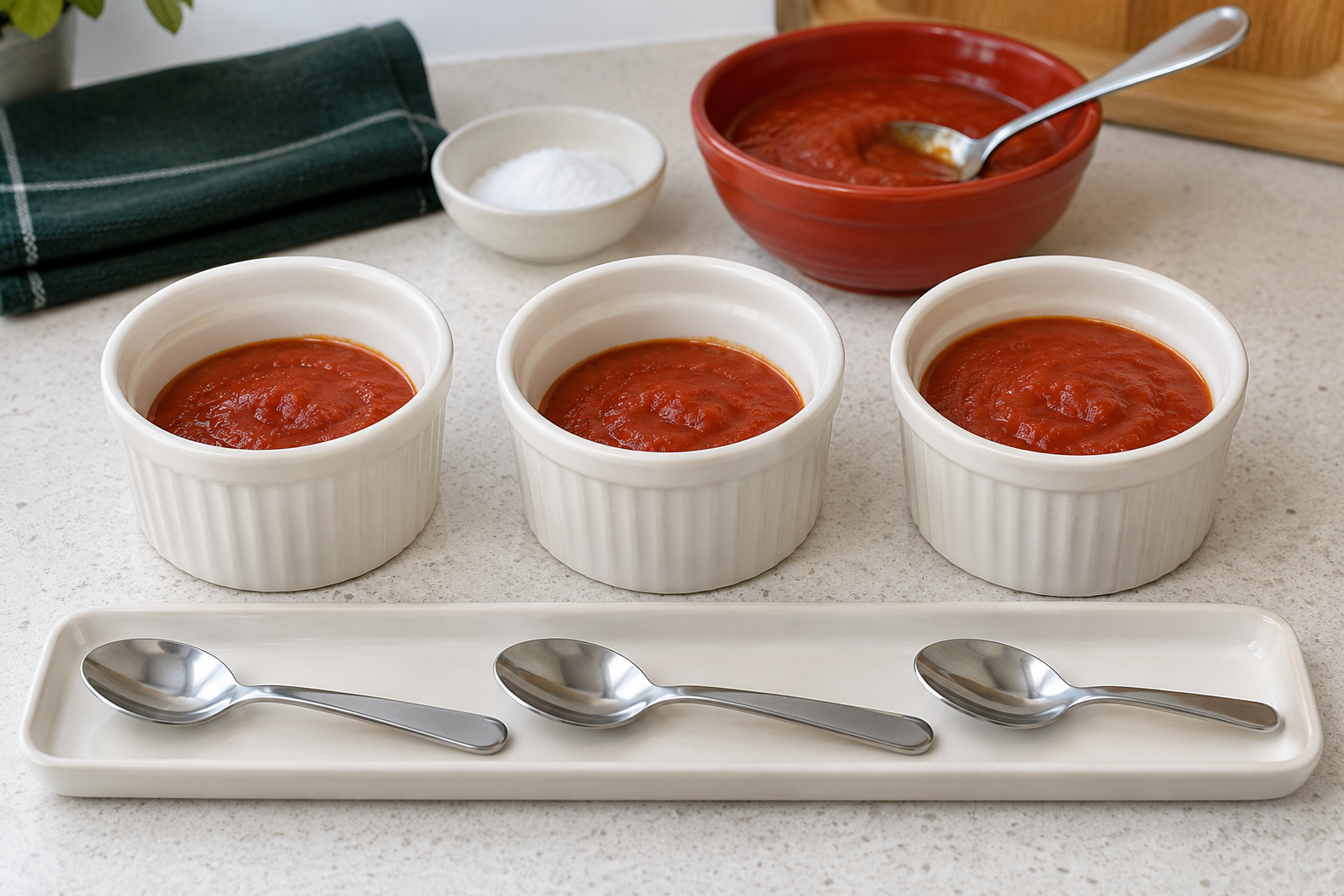
How to fix food that tastes too salty
Test dilution on a small cooked sample, choose an unsalted addition, and stop before a rescue wastes more food.
 Mistake Recovery
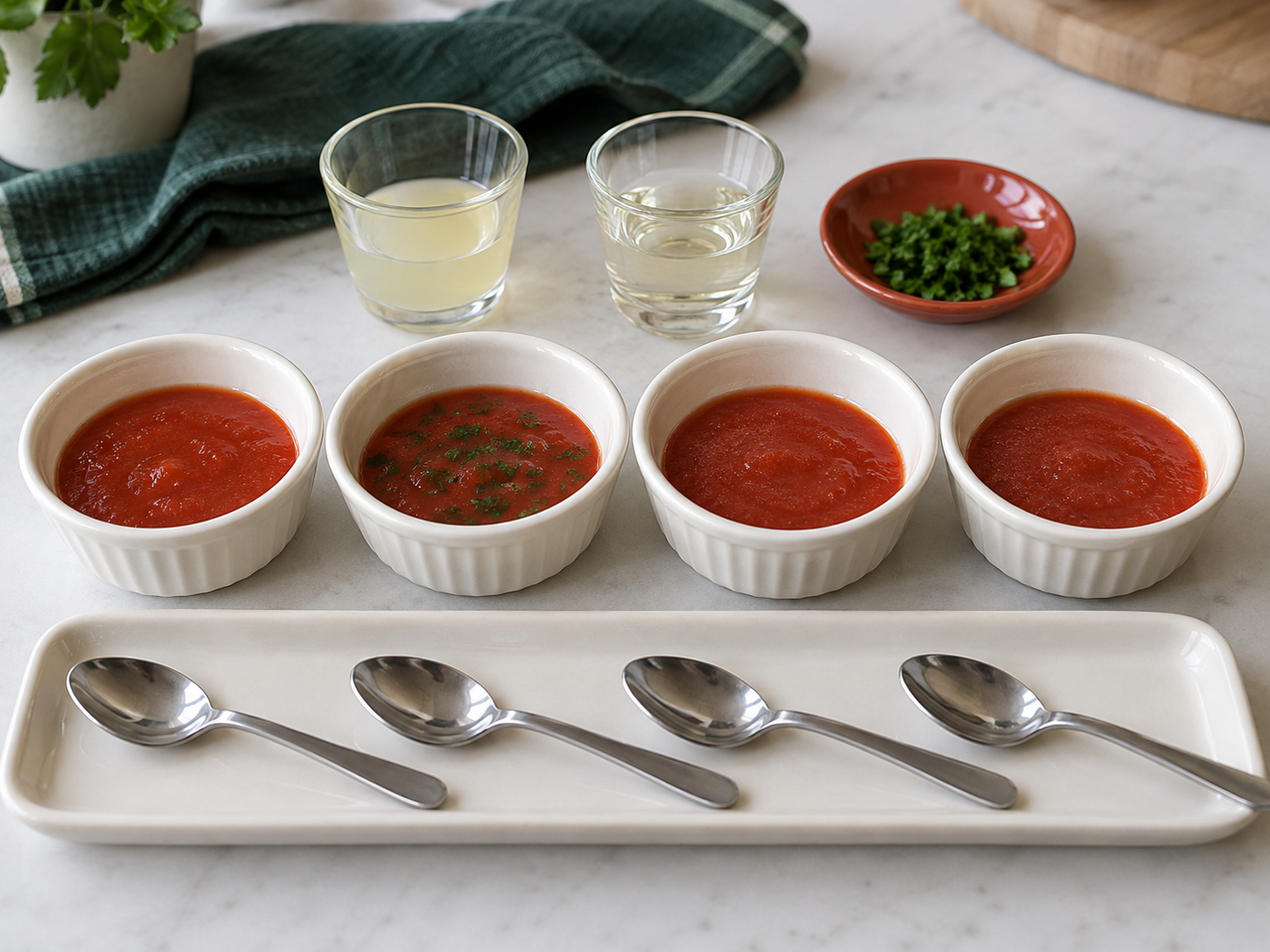
What to do when food is bland
A practical rescue process for flat food: taste, name the missing part, adjust once, stir and taste again.
 Mistake Recovery
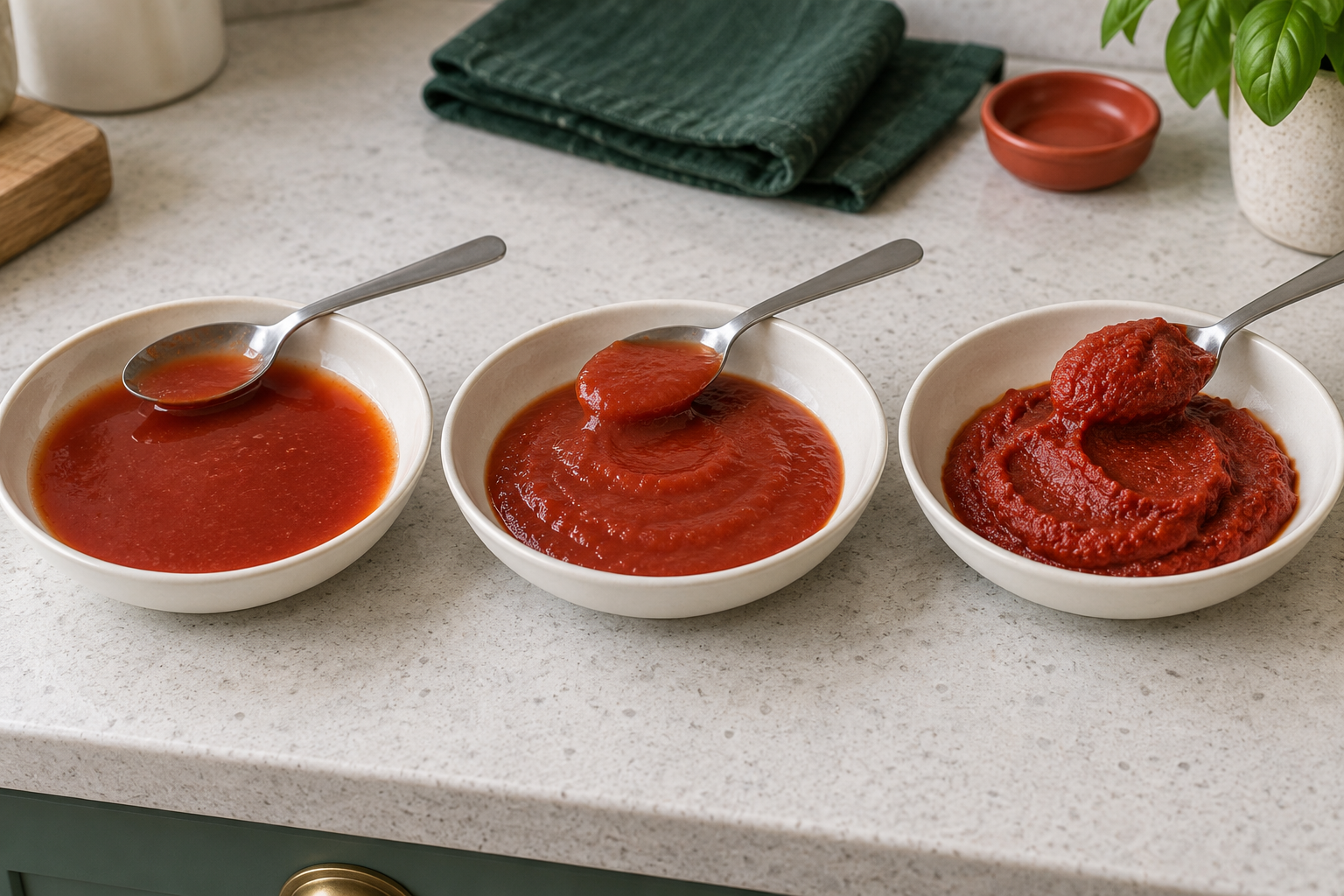
How to fix a watery sauce
Learn why sauces turn watery, how to thicken them calmly, and when to reduce, simmer, add body or serve differently.
 Mistake Recovery
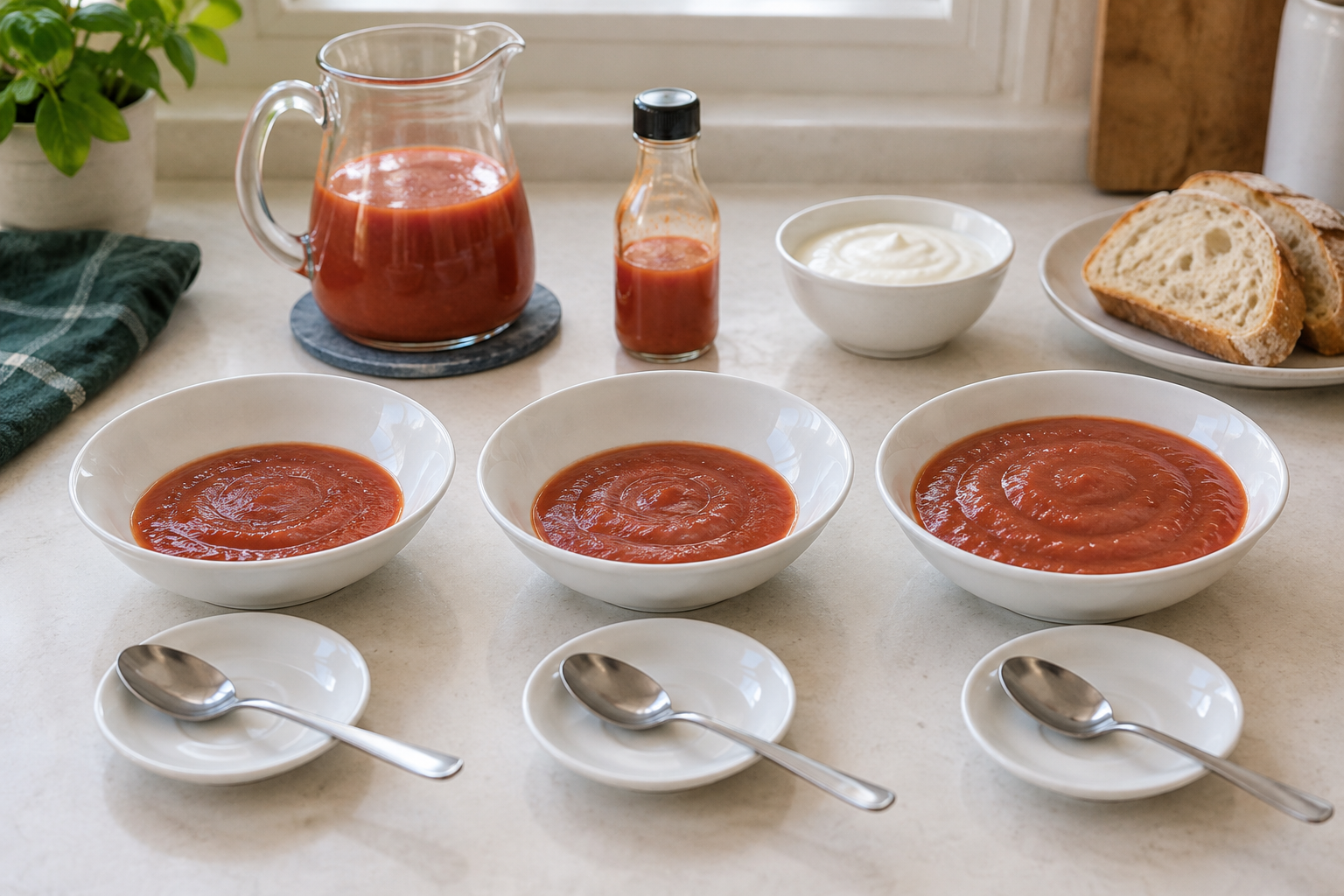
How to calm food that is too spicy
Test a small cooked-sauce dilution, choose a compatible plain addition, and stop before uncomfortable heat becomes a bigger meal.
Mistake RecoveryGravy thickness and lumps
Make a small stock gravy, let each cornflour addition cook, and correct thinness, thickness or lumps without lifting a full hot pan.
 Mistake Recovery
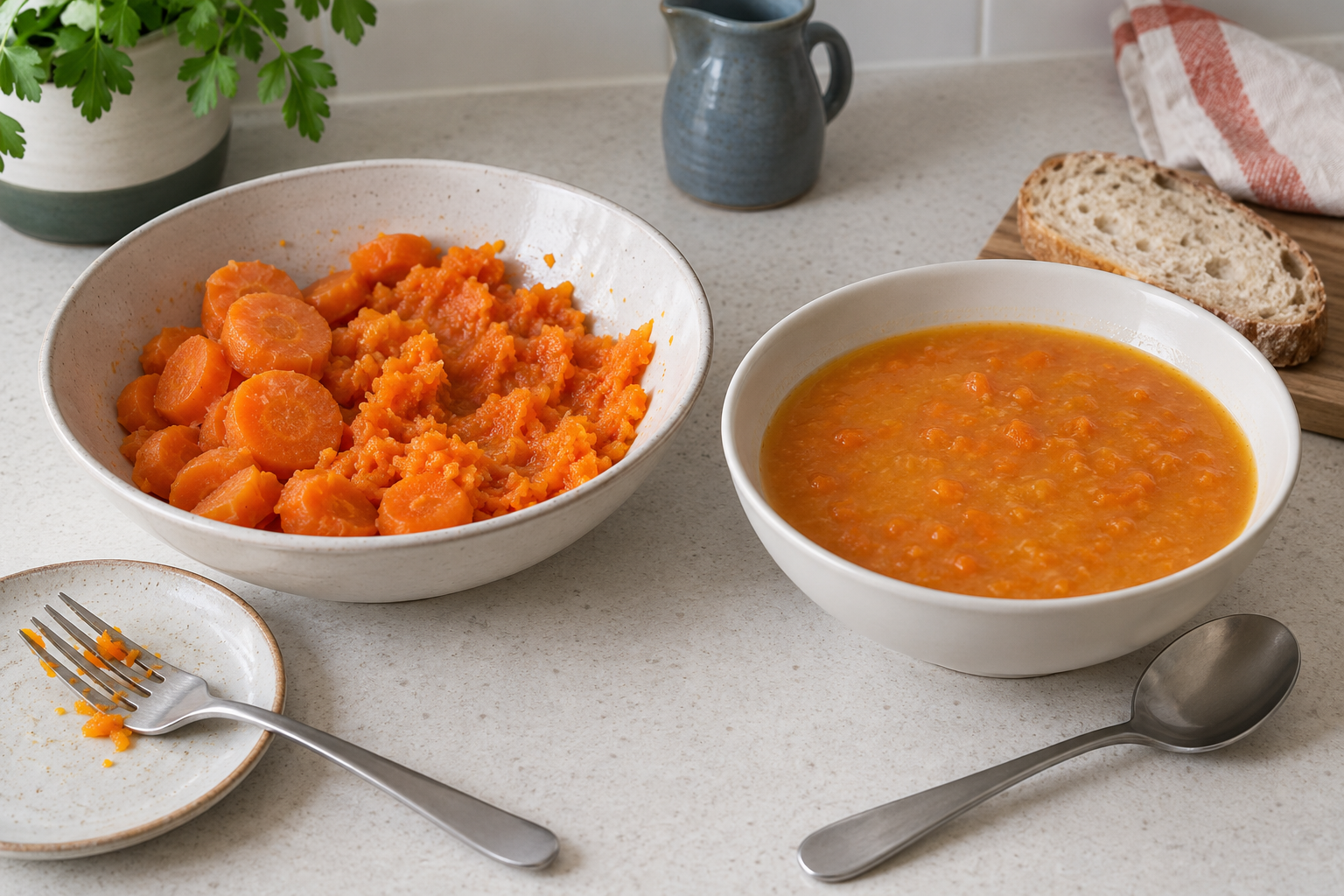
How to rescue overcooked vegetables
Turn sound soft carrots into a coarse soup, choose other uses for cooked vegetables, and know when texture rescue is not a safety rescue.
 Mistake Recovery
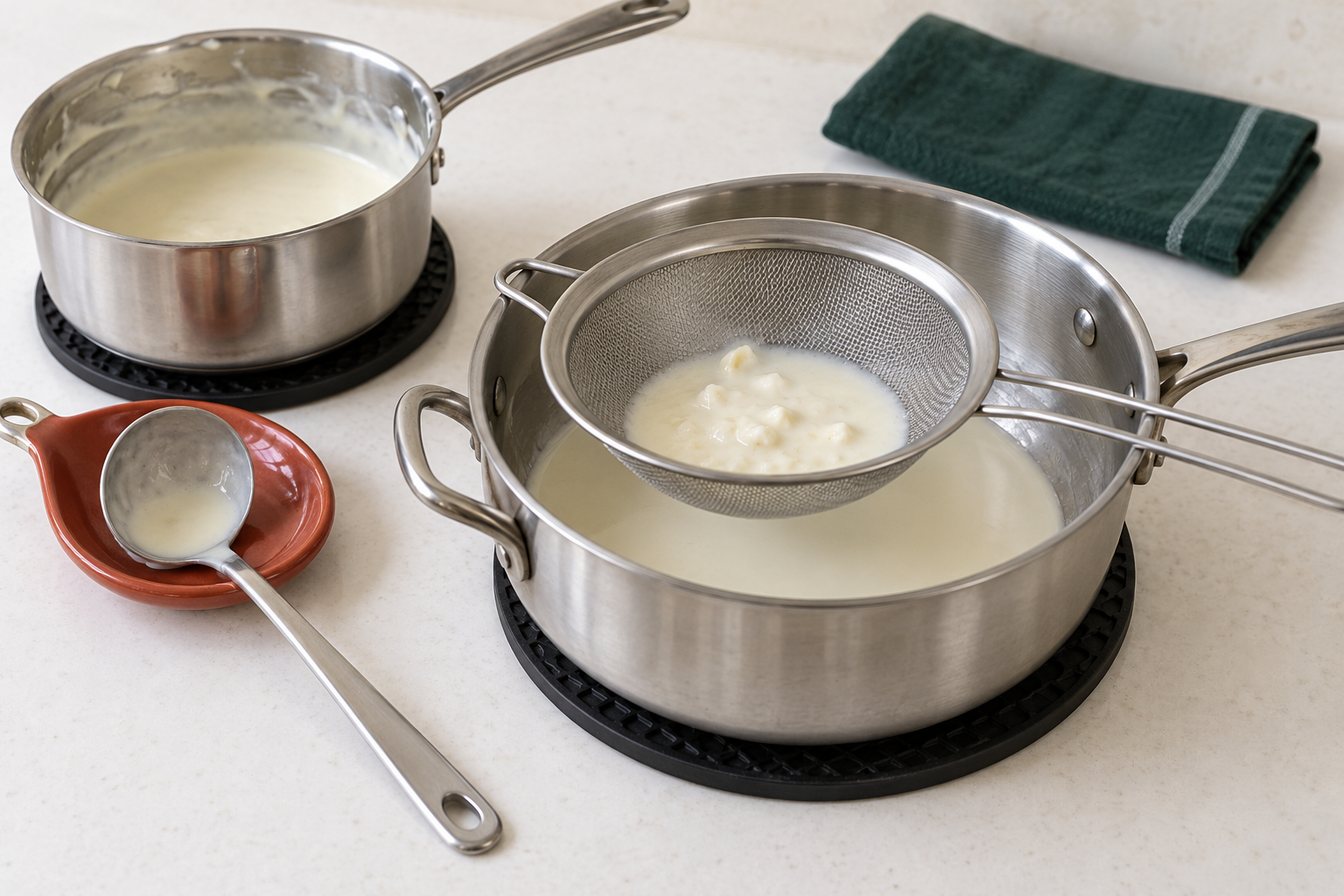
How to rescue a lumpy sauce
Identify powder lumps, whisk with the pan supported, and strain small spoonfuls without lifting a full hot pan.
Mistake RecoverySplit sauces: what happened and how to rescue them
Recognise separate oil, remix a small cold dressing, and choose a different method for curdled dairy or cooked egg.
 Mistake Recovery
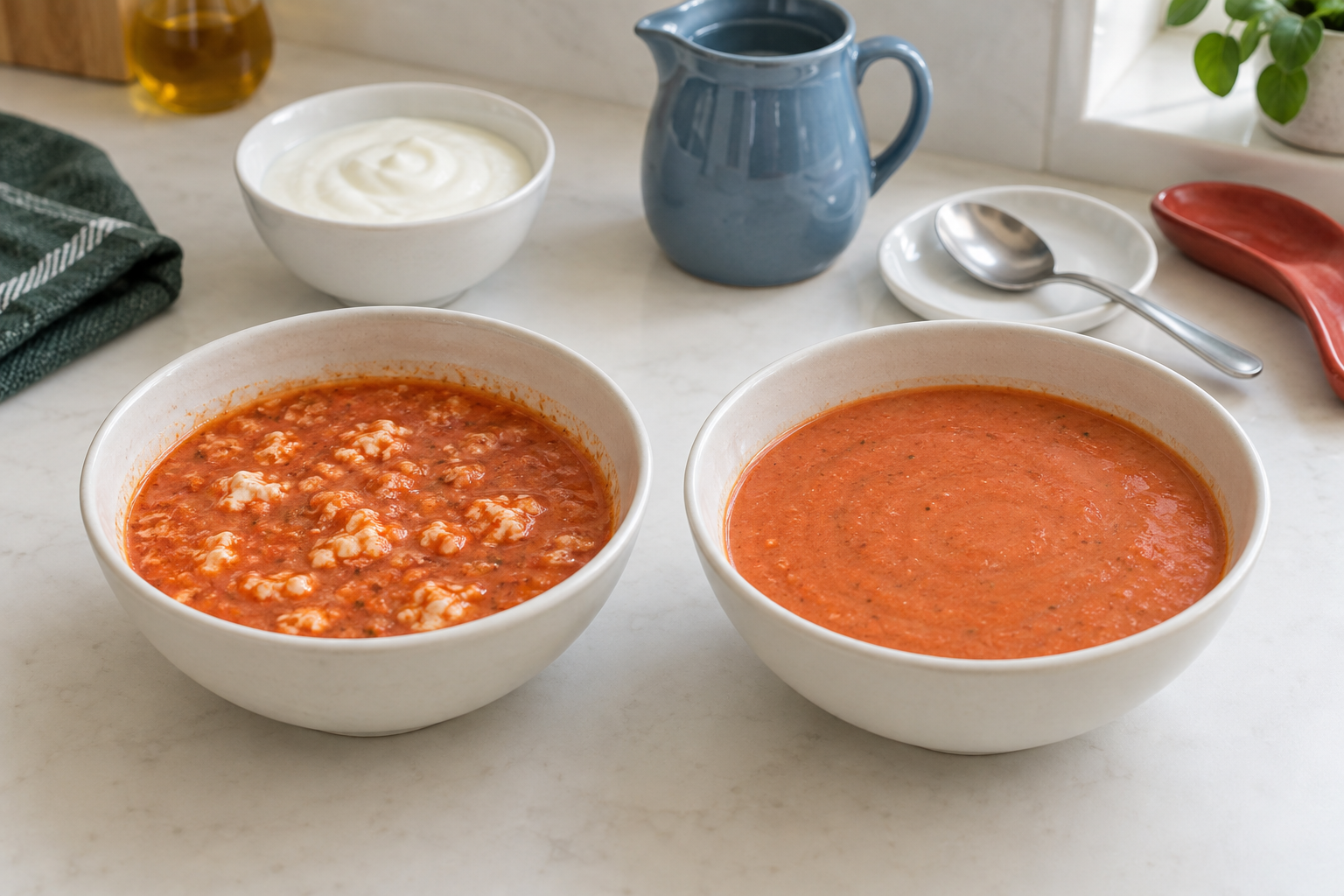
Curdled dairy sauces: why they split and what to do
Tell dairy grains from separate oil, make a small supported texture trial, and learn a gradual yoghurt finish on a fully cooked tomato base.
 Mistake Recovery
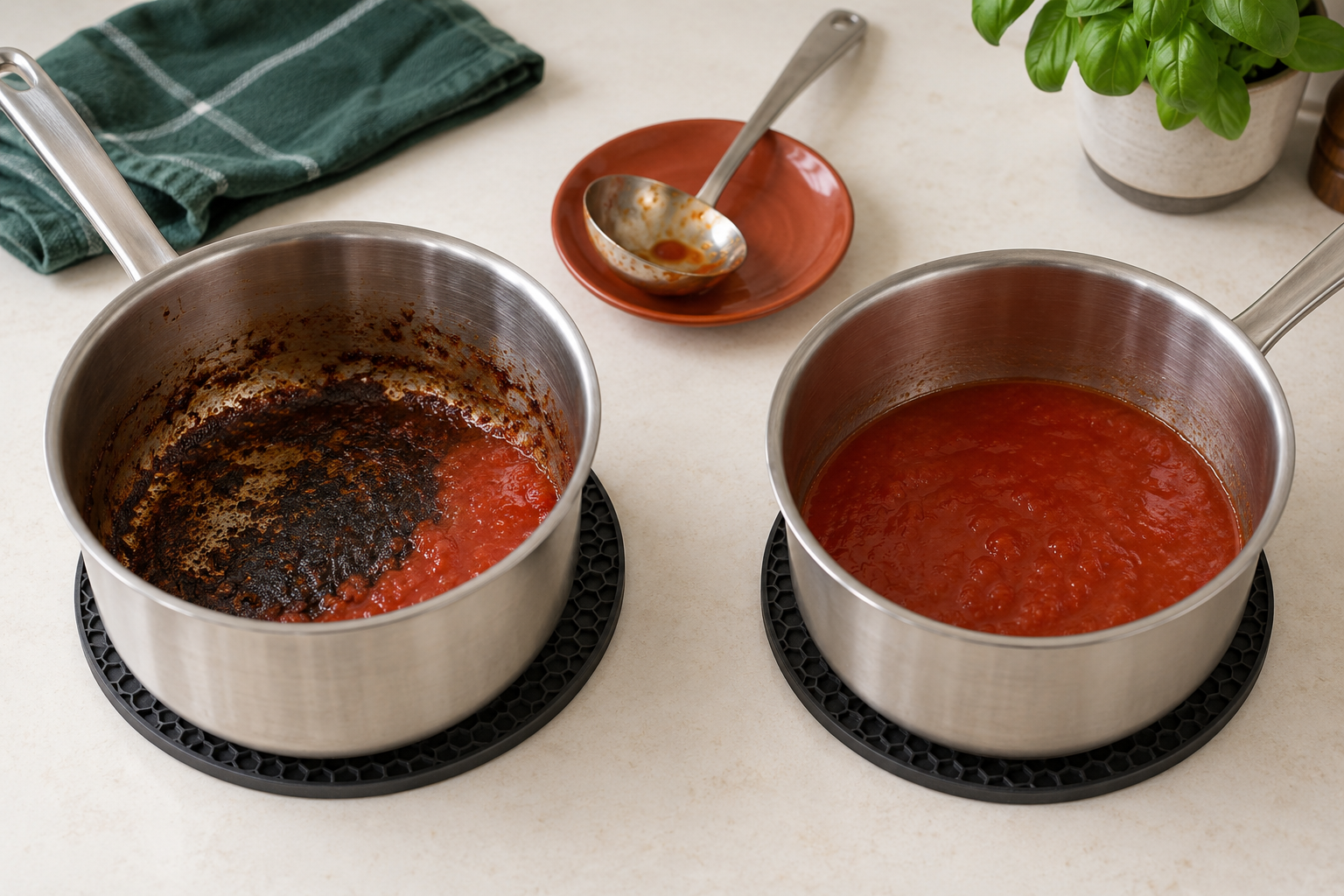
Burnt flavour rescue: when to save it and when to stop
A calm guide to stopping burnt flavour spreading, moving clean food, and deciding whether a dish can be saved.
 Mistake Recovery
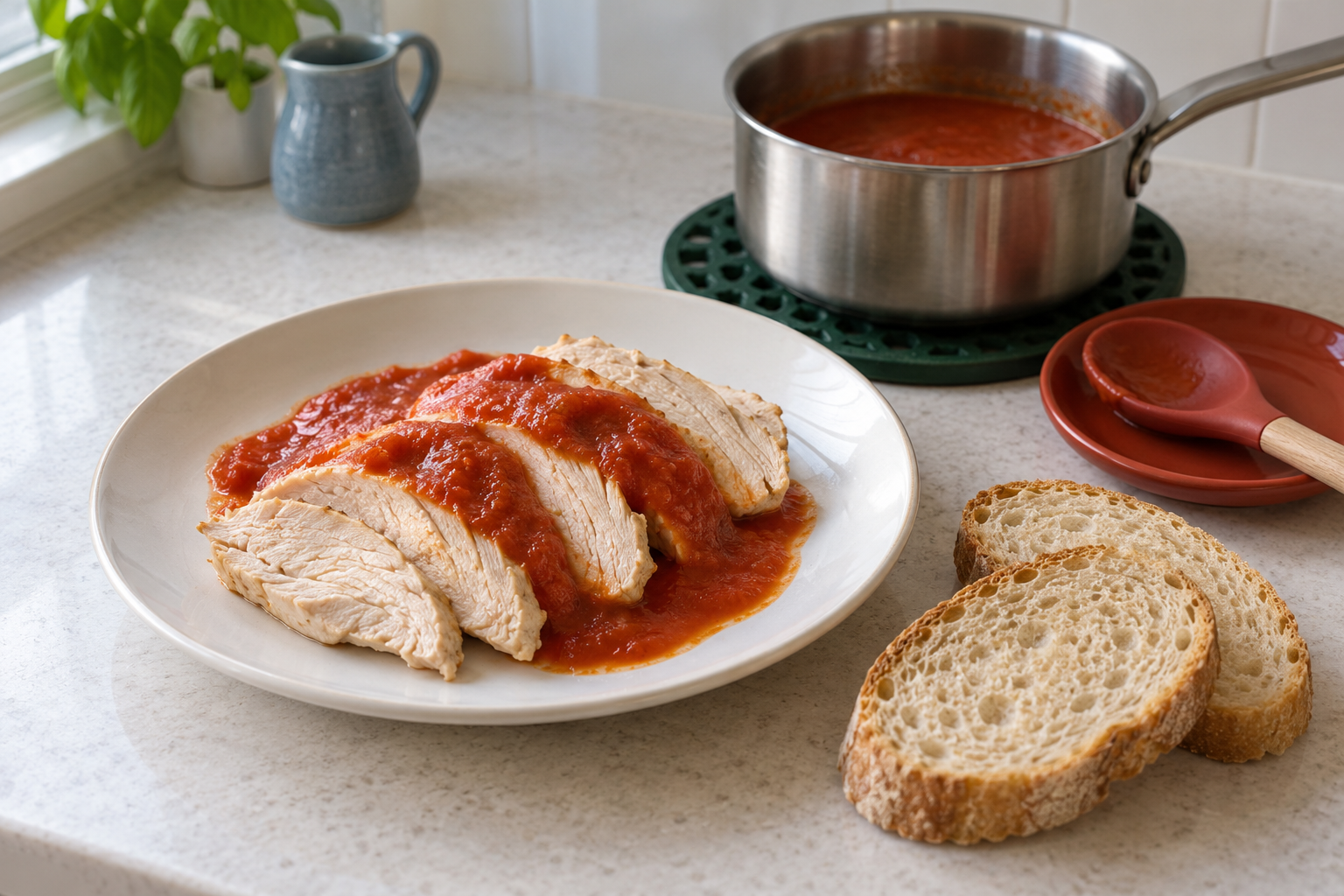
Dry chicken rescue
Slice and sauce freshly cooked chicken, reheat a chilled portion thoroughly once, or make a separate safe cold filling.
Mistake RecoveryHow to rescue an over-thickened sauce
What to do when sauce turns too thick, gluey or heavy, and how to loosen it without washing away the flavour.
15 guides
Essentials
Choose, use, clean and store the equipment that earns its place.
EssentialsBeginner kitchen tools worth owning
A practical first kitchen setup focused on tools that solve real beginner problems without buying unnecessary clutter.
 Essentials
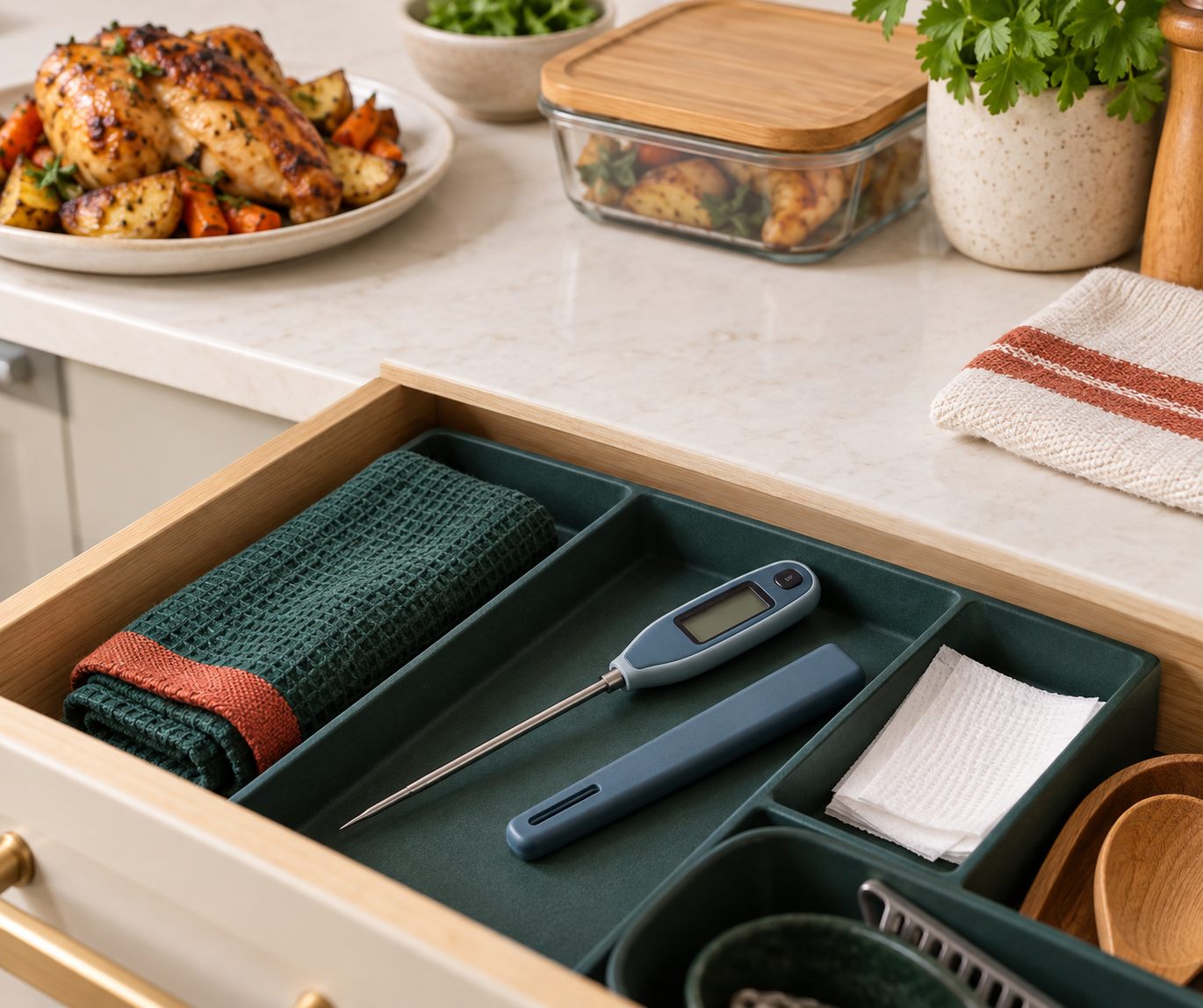
Kitchen thermometer basics
How a thermometer helps beginners check doneness, avoid guessing, and handle food-safety articles with proper source-checked guidance.
 Essentials
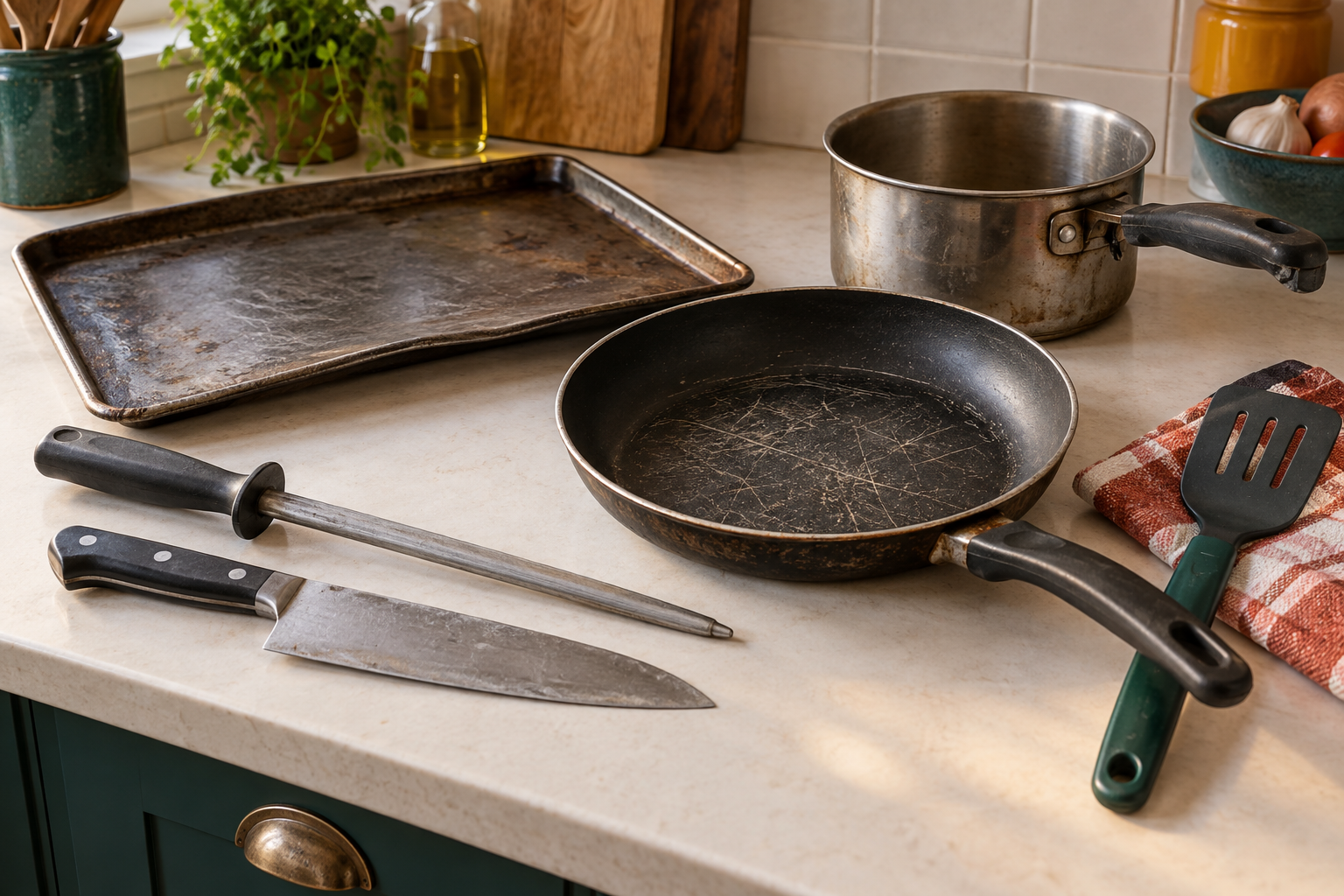
When to replace kitchen equipment
A beginner guide to spotting warped trays, scratched pans, loose handles and worn tools without replacing everything too soon.
EssentialsSmall kitchen storage basics
A practical guide to storing tools and food so a beginner kitchen stays usable instead of turning into a clutter trap.
EssentialsFridge zones and the use-first box
Make a small use-first area without inventing dates, mixing raw and ready-to-eat food or leaving chilled food on the worktop.
EssentialsColander, sieve and draining tools
What each draining tool is for, why holes matter, and how to choose the useful basics before buying extras.
EssentialsChopping boards: material and stability
How to choose a chopping board, stop it sliding, and understand why stability matters more than looking professional.
EssentialsStorage and reheating basics
A beginner overview of cooling, labelling, fridge organisation and reheating without pretending every food follows the same rule.
EssentialsThermometer cleaning and care
How to use, clean and store a kitchen thermometer so it stays a confidence tool rather than another thing in the drawer.
 Essentials
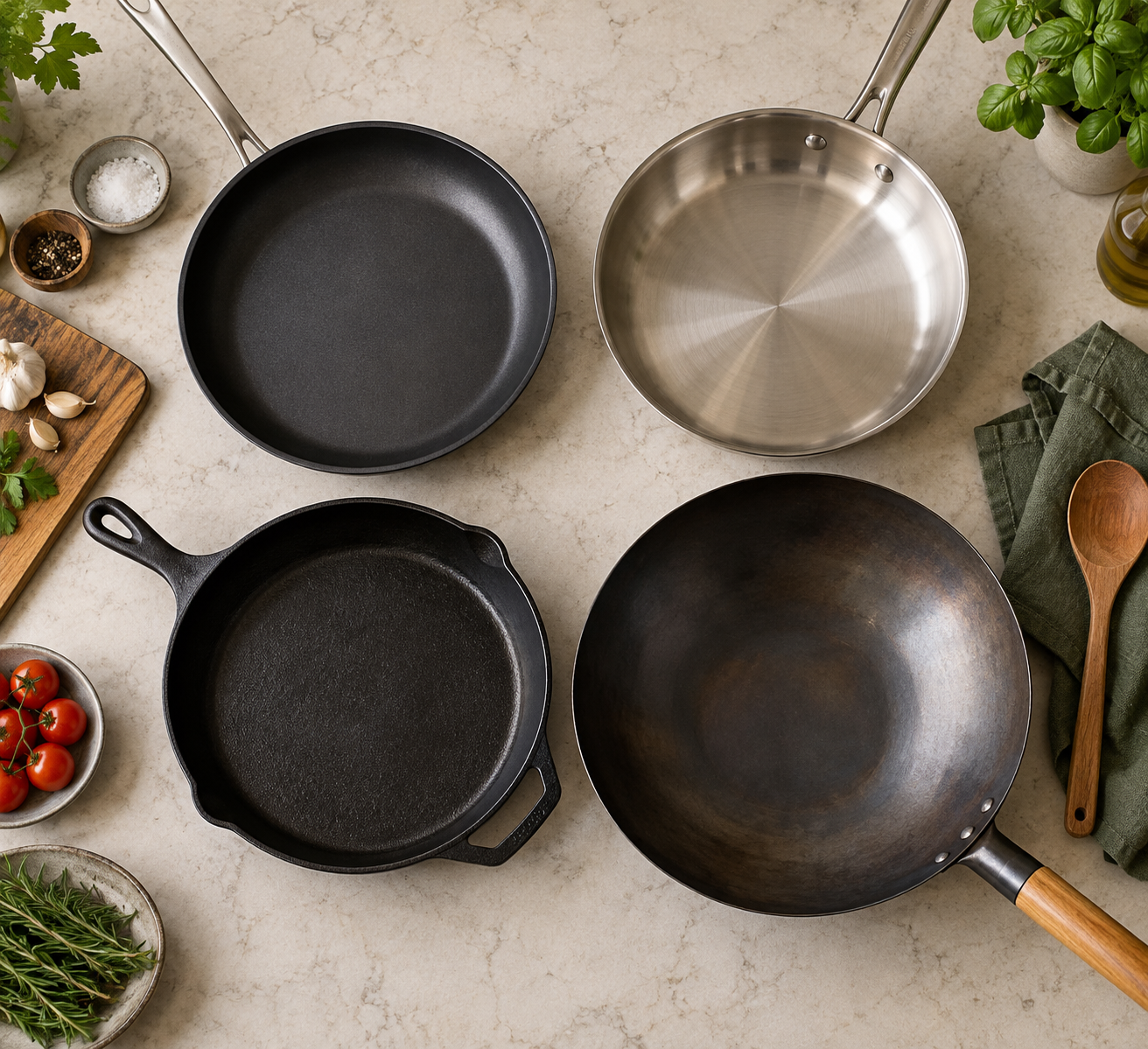
Frying pans, saucepans and stock pots: choose by the job
Match the pan to the food, understand materials and protect a non-stick surface without buying a large matching set.
 Essentials
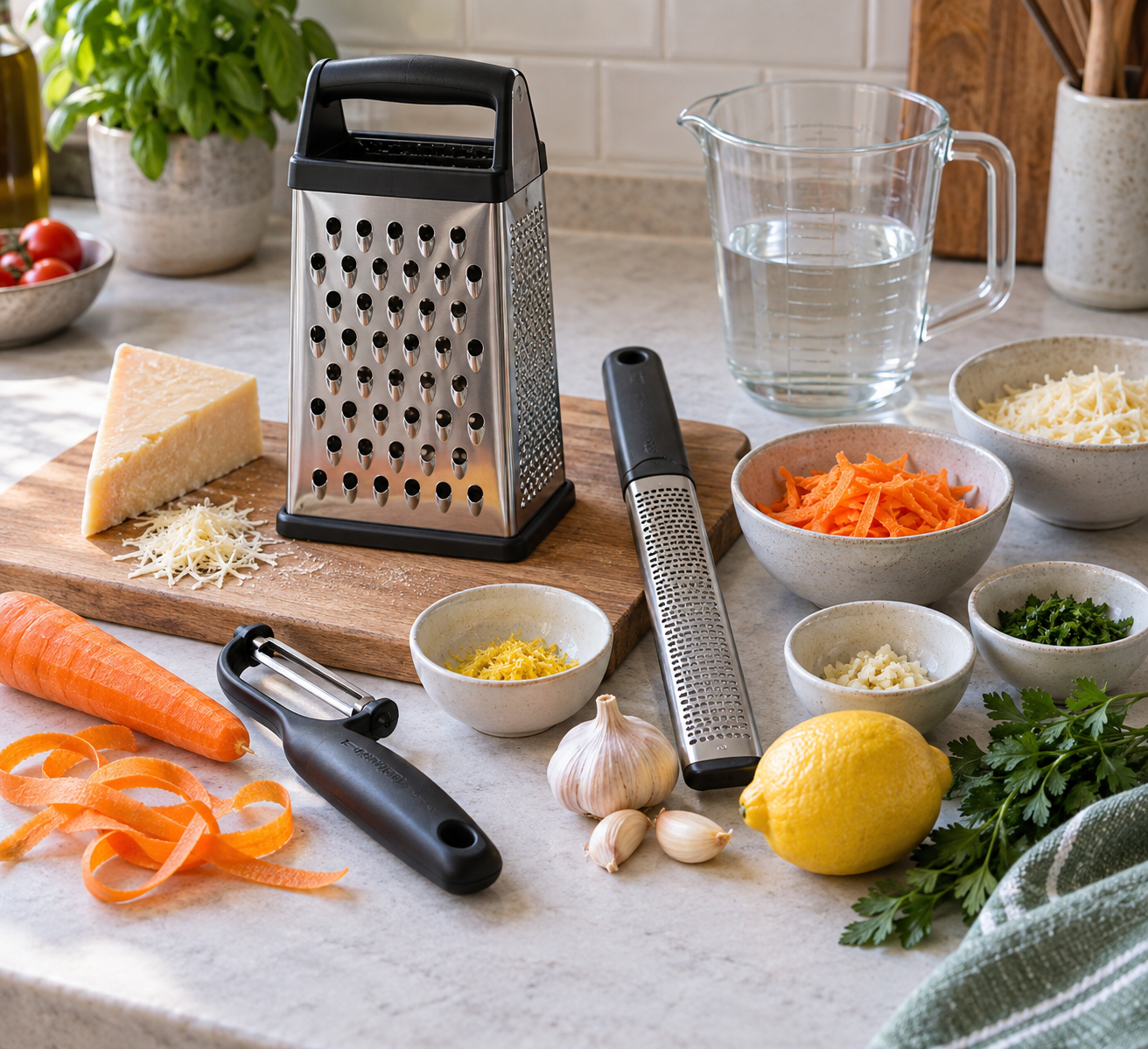
Prep tools: bowls, graters and food processors
Use simple prep tools safely, choose a bowl that suits the task and understand when a food processor earns its space.
 Essentials
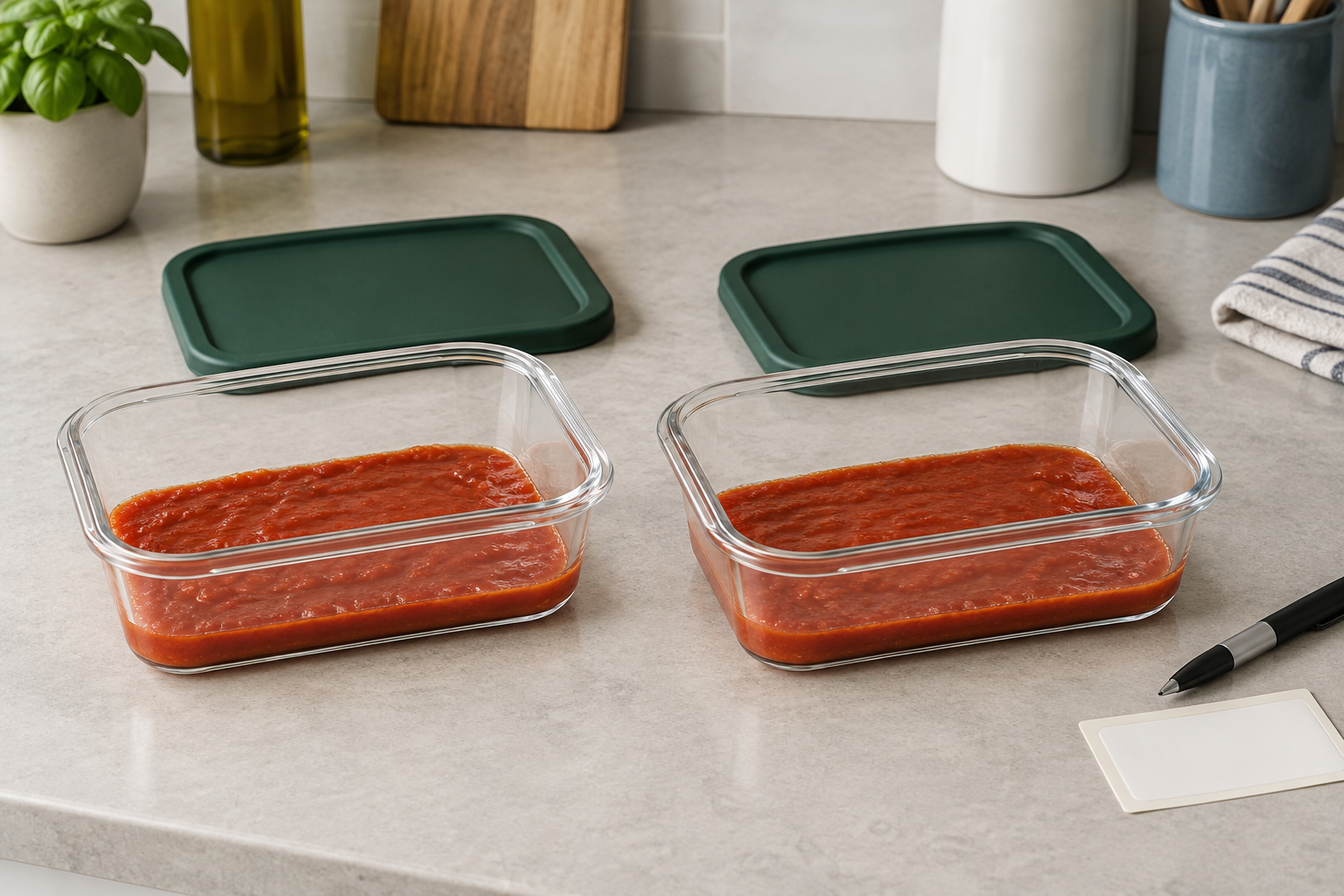
Storage containers: sizes, lids and useful portions
Choose food-safe containers that fit your meals and learn what fridge, freezer, microwave and oven labels actually permit.
 Essentials
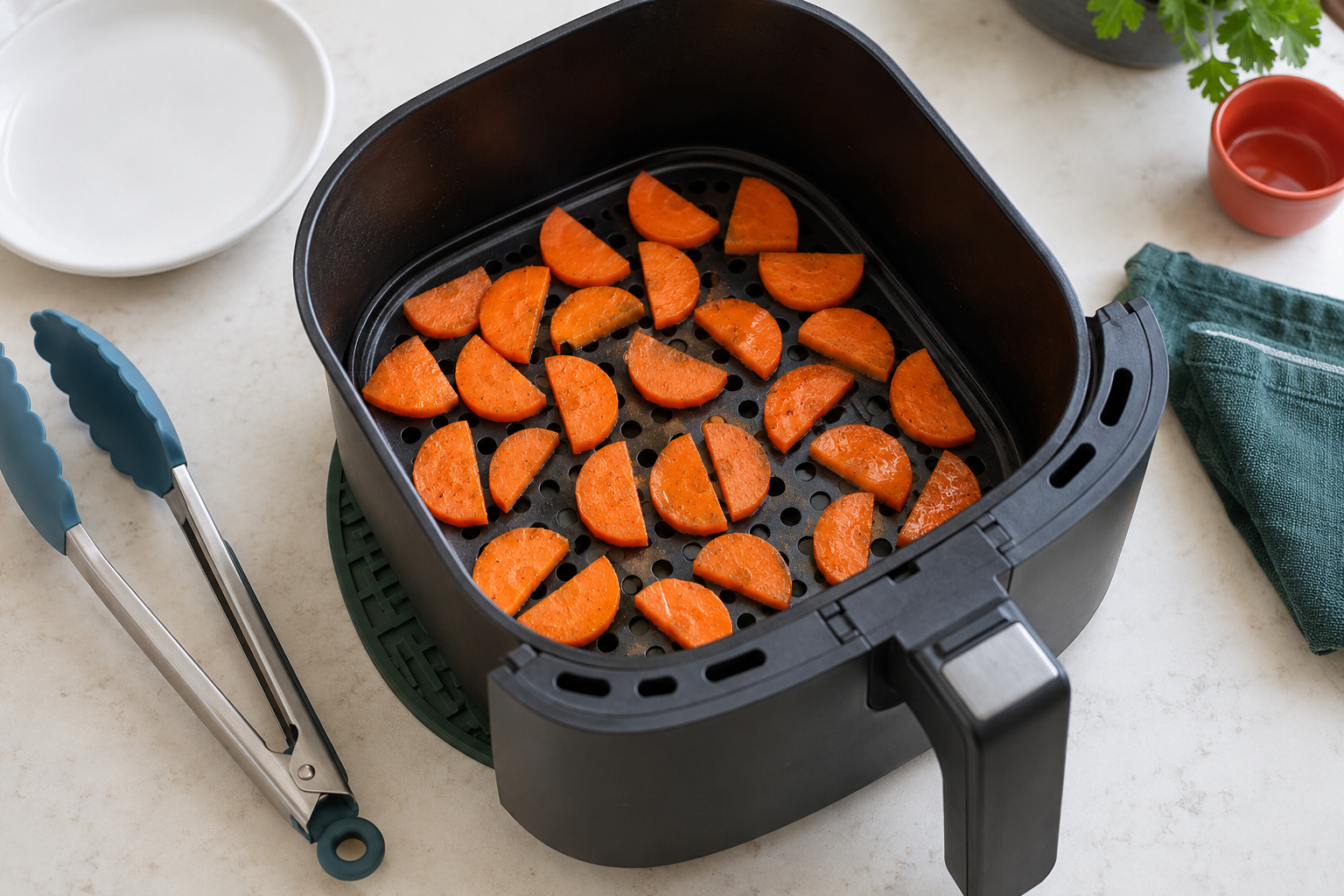
Air fryer first use: baskets, space and cooking checks
Set up an air fryer, cook a small first batch and learn why airflow and food checks matter more than a universal conversion.
 Essentials
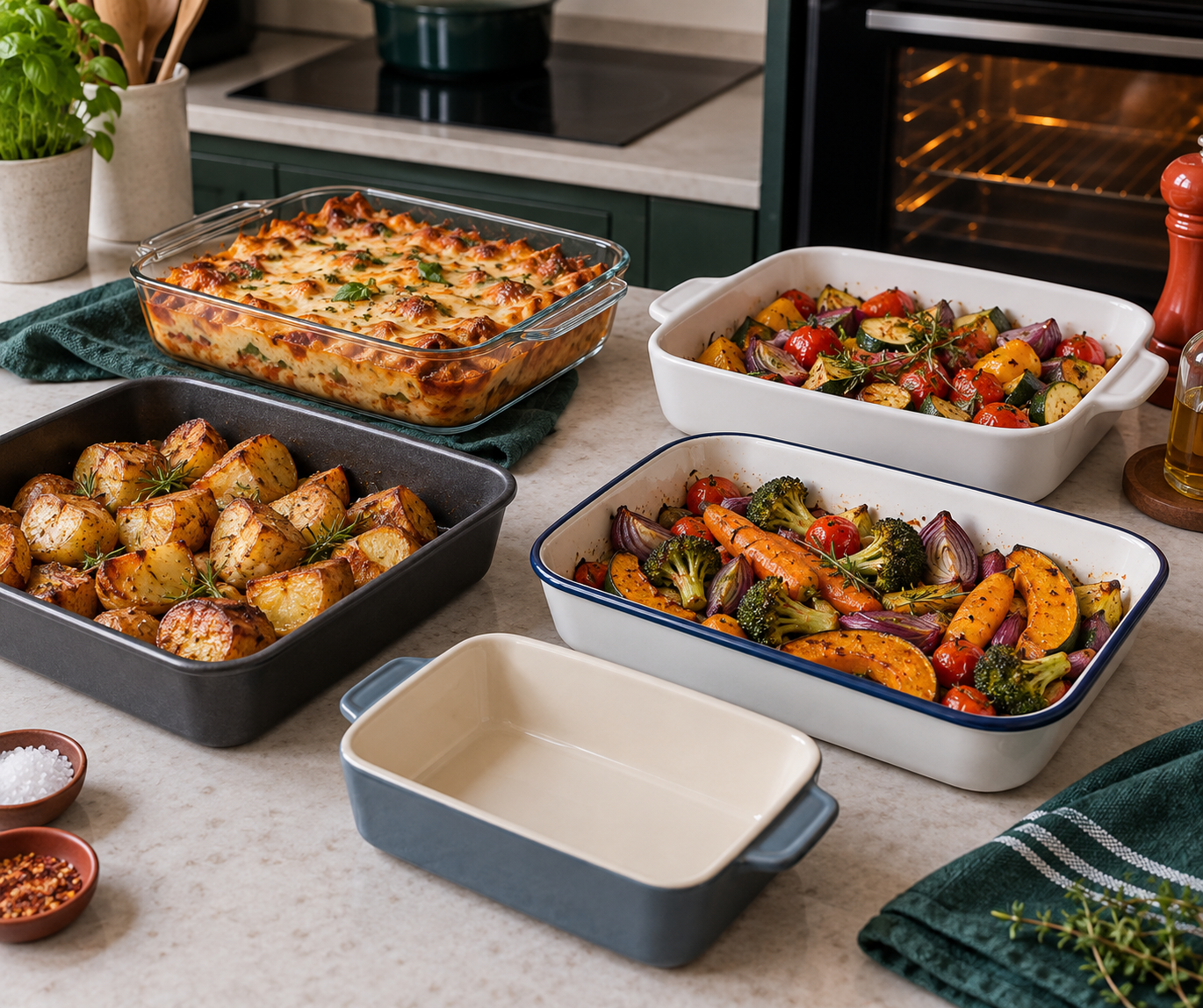
Oven dishes and bakeware are not all interchangeable
Match the dish material, size and depth to the food, and understand why a different tin can change both timing and texture.
EssentialsCan you wash a cast-iron pan?
Clean bare cast iron, understand seasoning and distinguish it from an enamelled surface.
12 guides
Pantry And Ingredients
Understand everyday ingredients and practise a useful way to cook them.
 Pantry And Ingredients
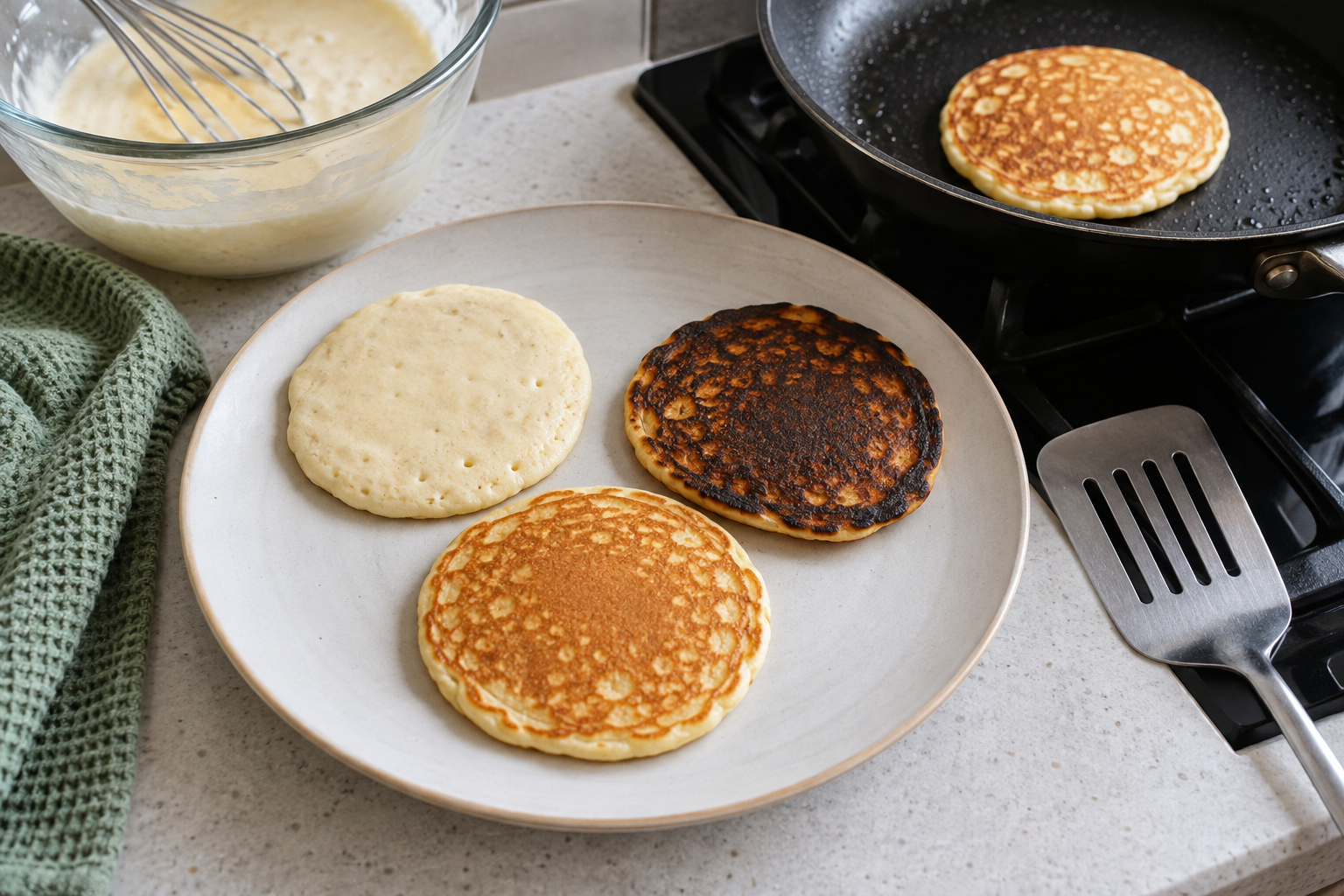
Pancake pan heat: bubbles, colour and flipping
How to read pancake bubbles, pale centres, golden colour and over-browning so you know when to flip.
 Pantry And Ingredients
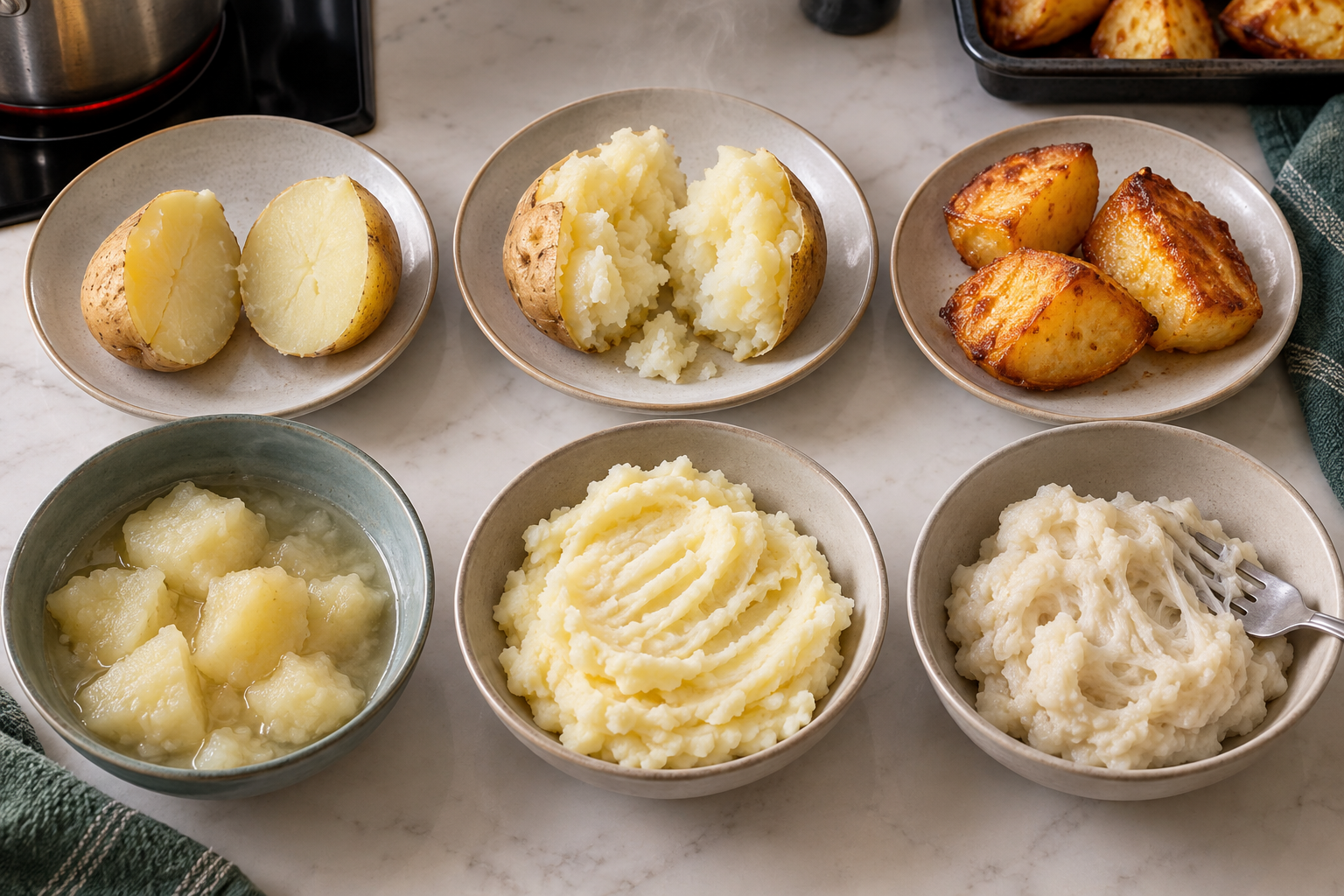
Roast potato texture: from hard centres to crisp edges
A beginner guide to potato doneness, fluffy edges, oil, roasting space and why potatoes can be crisp outside but hard inside.
 Pantry And Ingredients
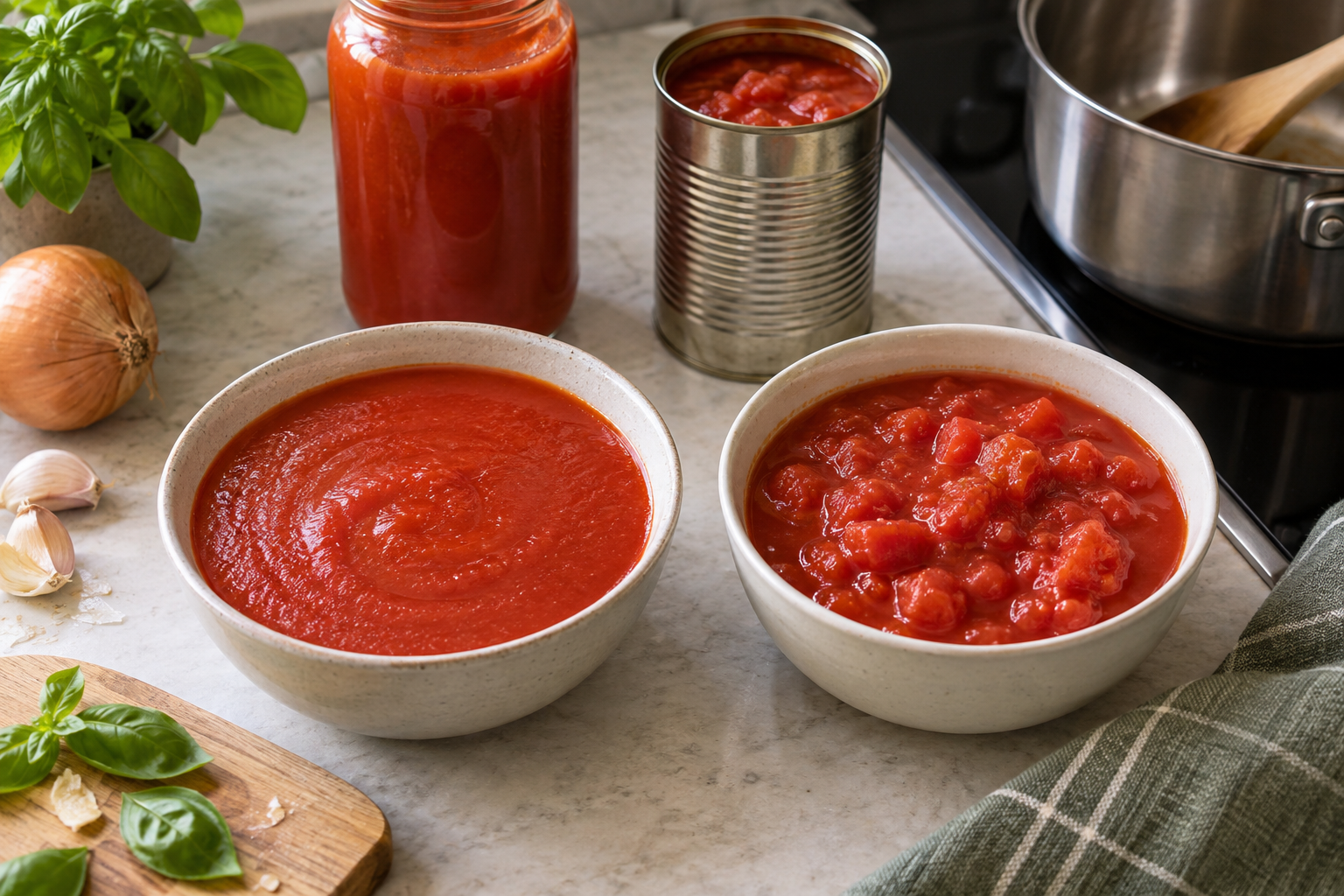
Passata, chopped tomatoes and tomato paste
Choose the right tomato product, make a measured onion-and-garlic sauce and compare texture without an unexplained substitution.
 Pantry And Ingredients
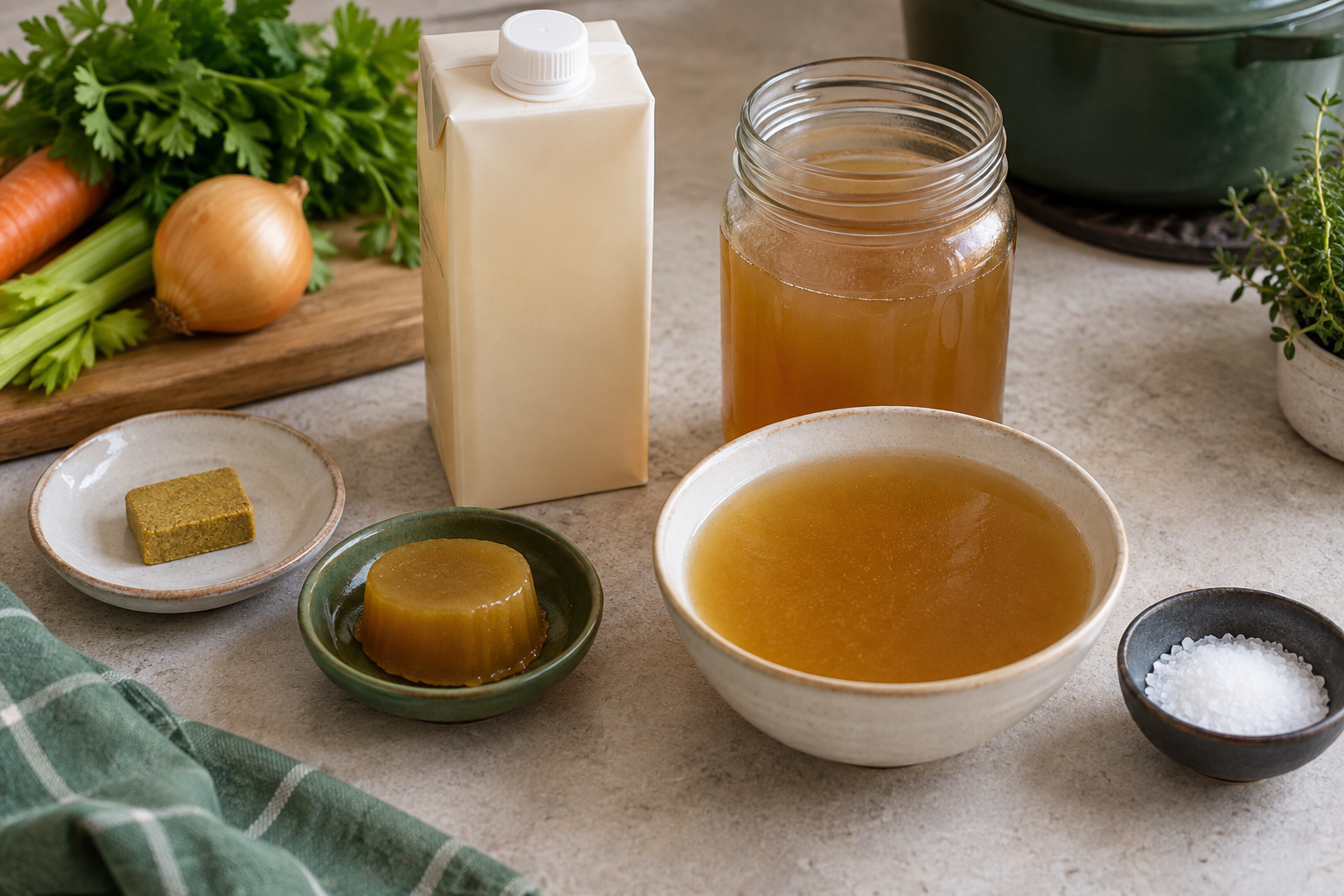
Stock cubes, stock pots and strength
How stock adds savoury depth, why strength matters, and how to avoid making soups, sauces and rice too salty.
 Pantry And Ingredients
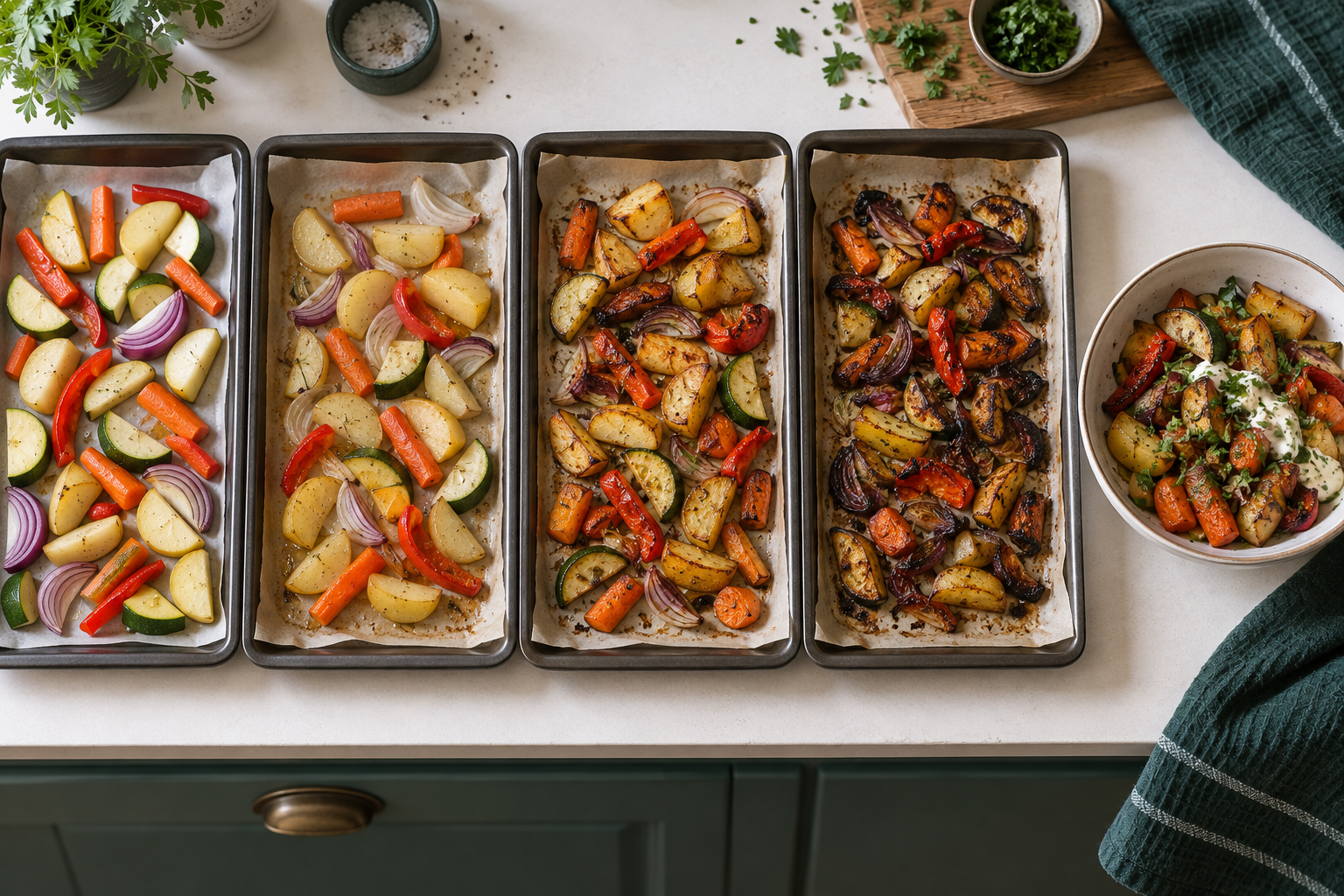
Roasted vegetables: spacing, oil and doneness
How to cut, space, oil and roast vegetables so they soften and brown instead of steaming into a wet tray.
 Pantry And Ingredients
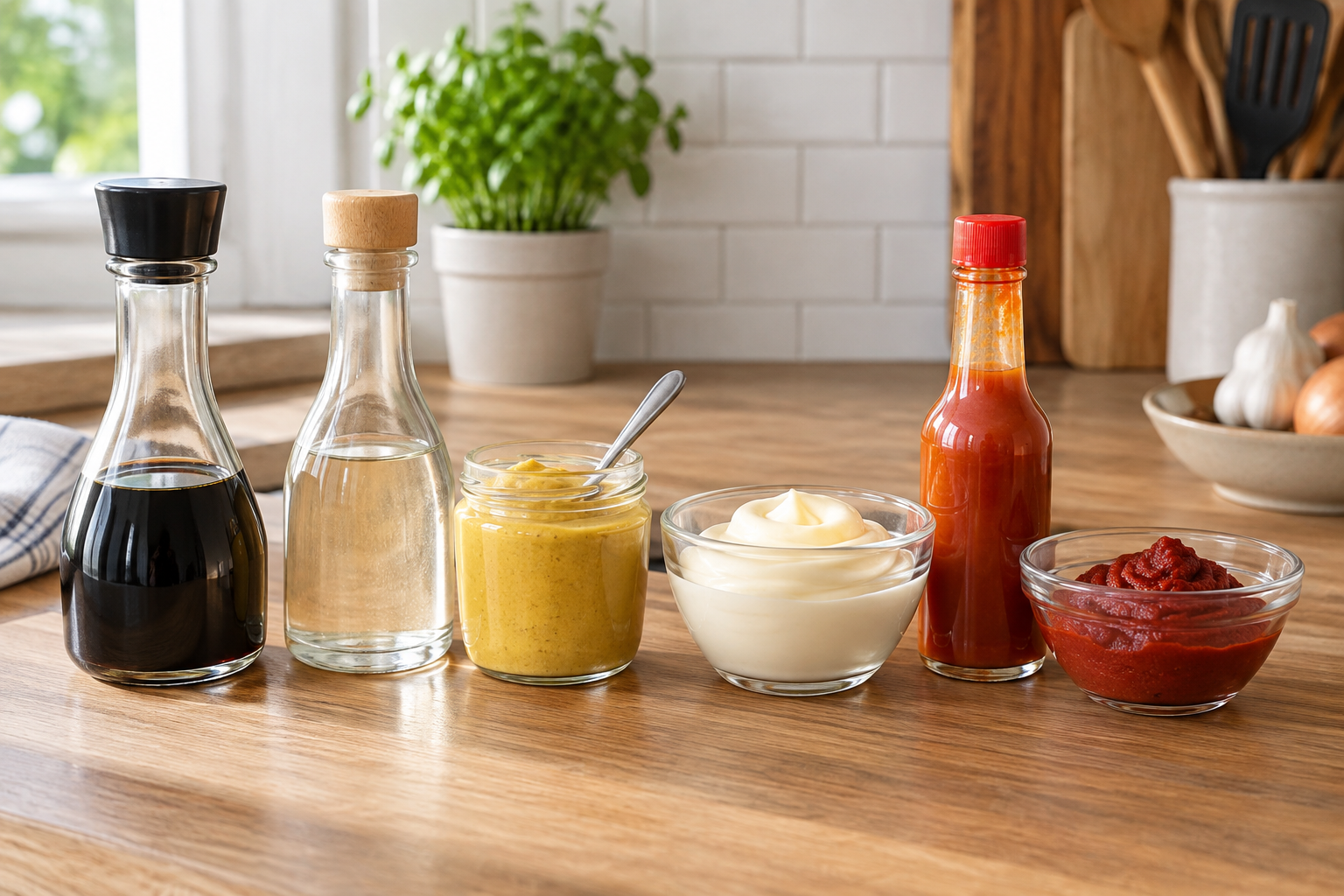
Useful condiments for beginner cooking
Learn what condiments change, check their labels and compare a measured addition in two small cooked-food samples.
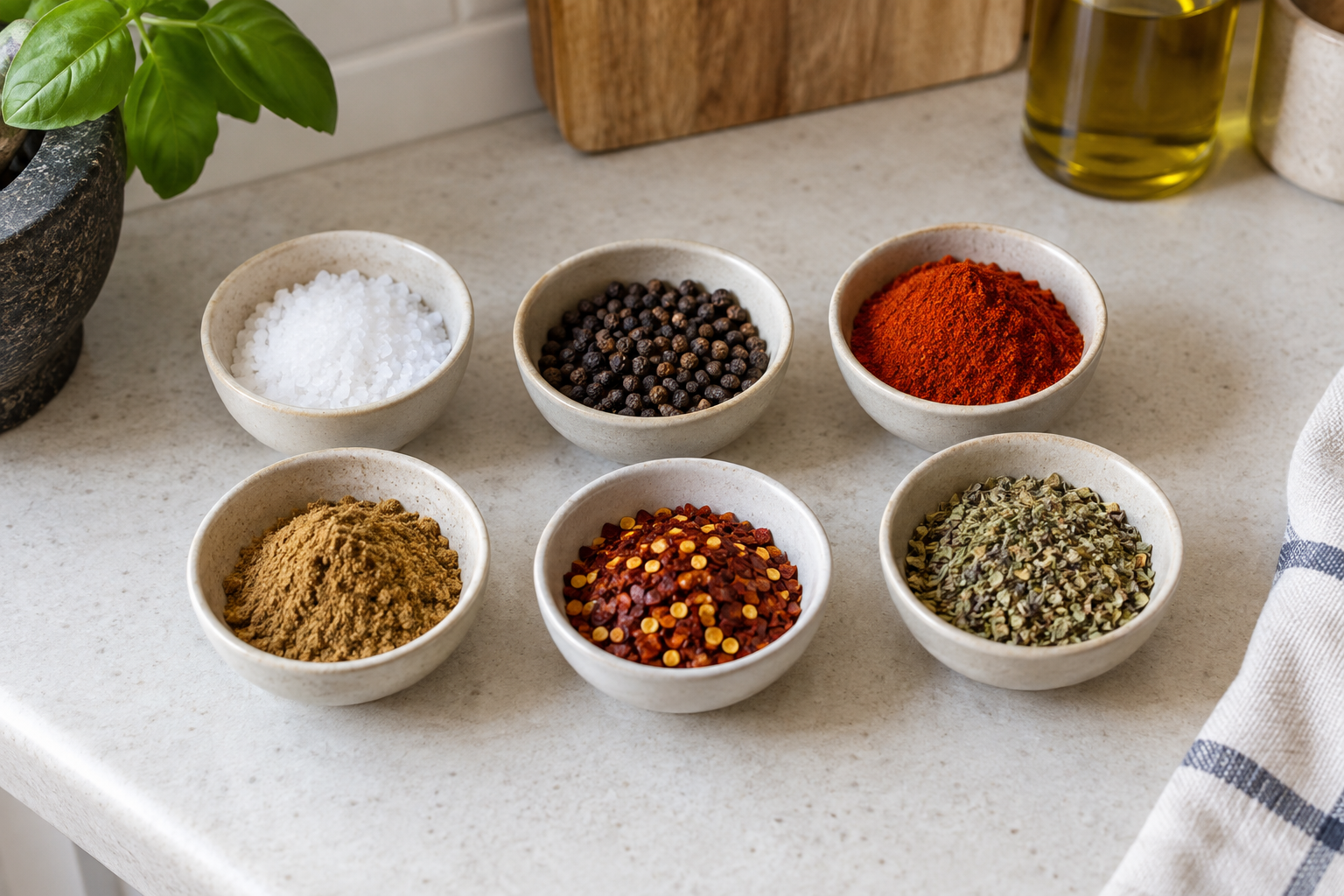 Pantry And Ingredients
A useful starter cupboard, herbs and spices
Build a small cupboard around meals you cook, and learn what each staple contributes before buying more.
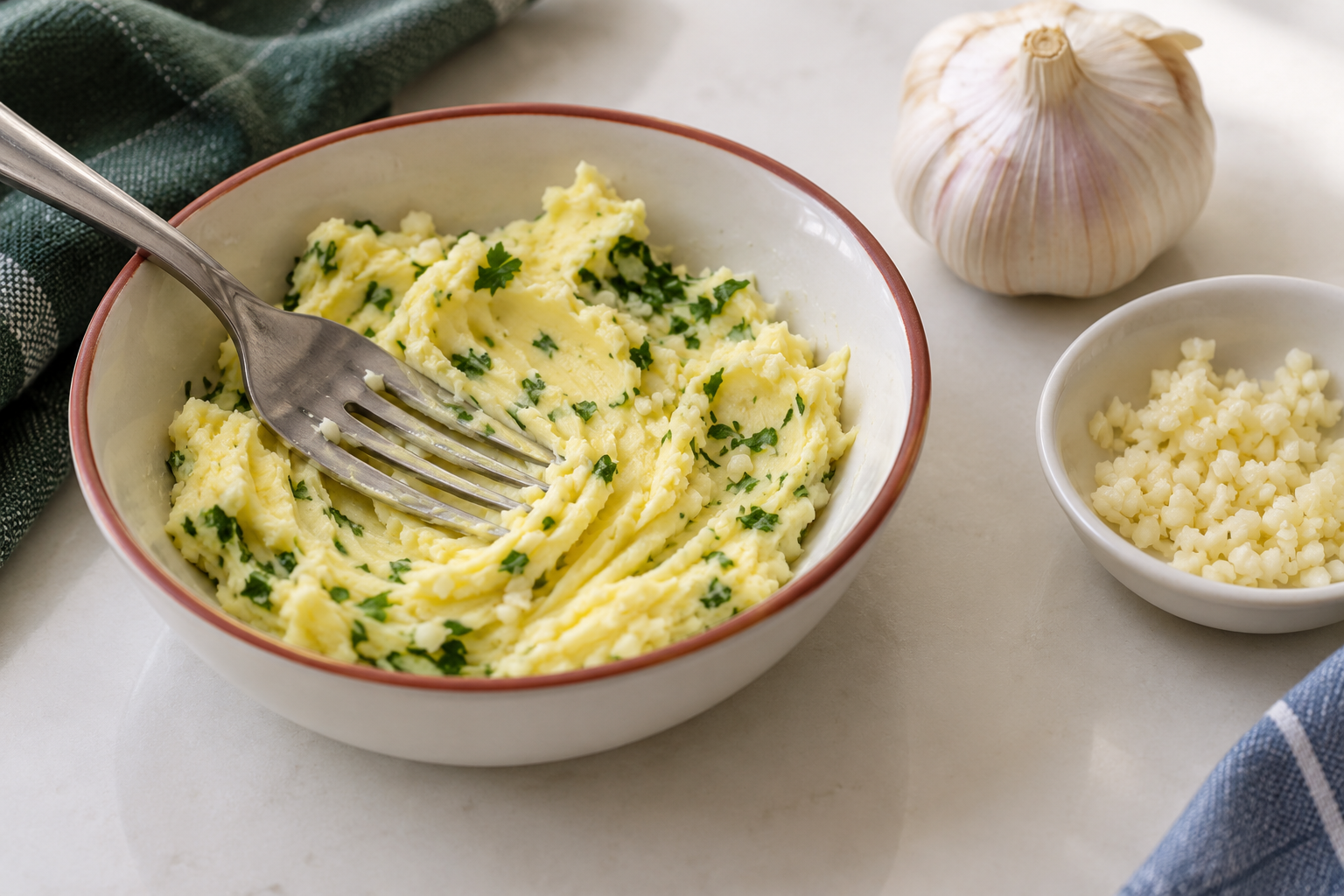 Pantry And Ingredients
Softening butter and making a simple garlic butter
Recognise softened butter, safely prepare one clove and make a measured small batch, with separate bread, oven and vegetable finishes.
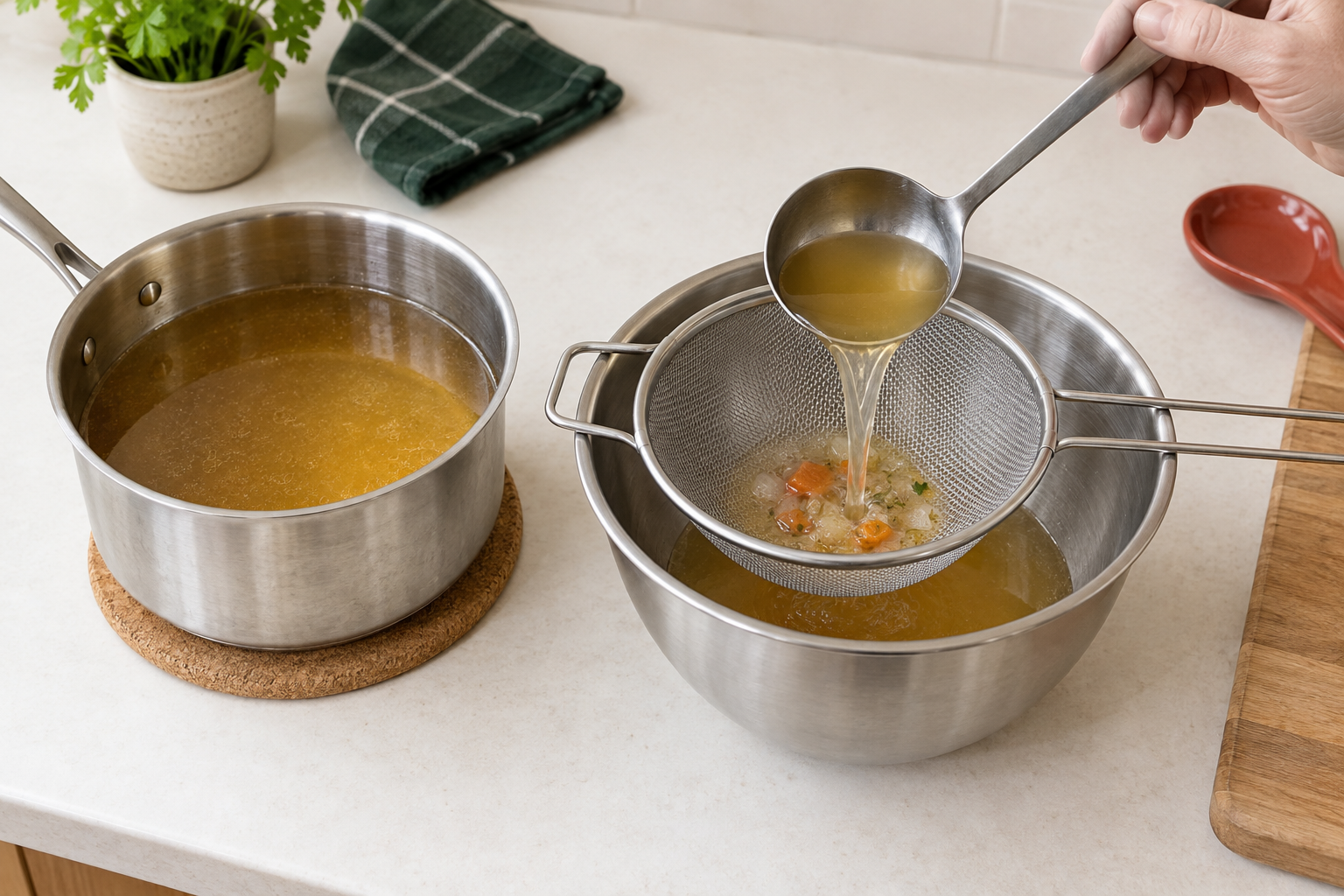 Pantry And Ingredients
Making stock from bones and using pan juices
Turn suitable cooked bones into a small batch of stock, strain it safely and use roasting juices without carrying burnt flavours into the meal.
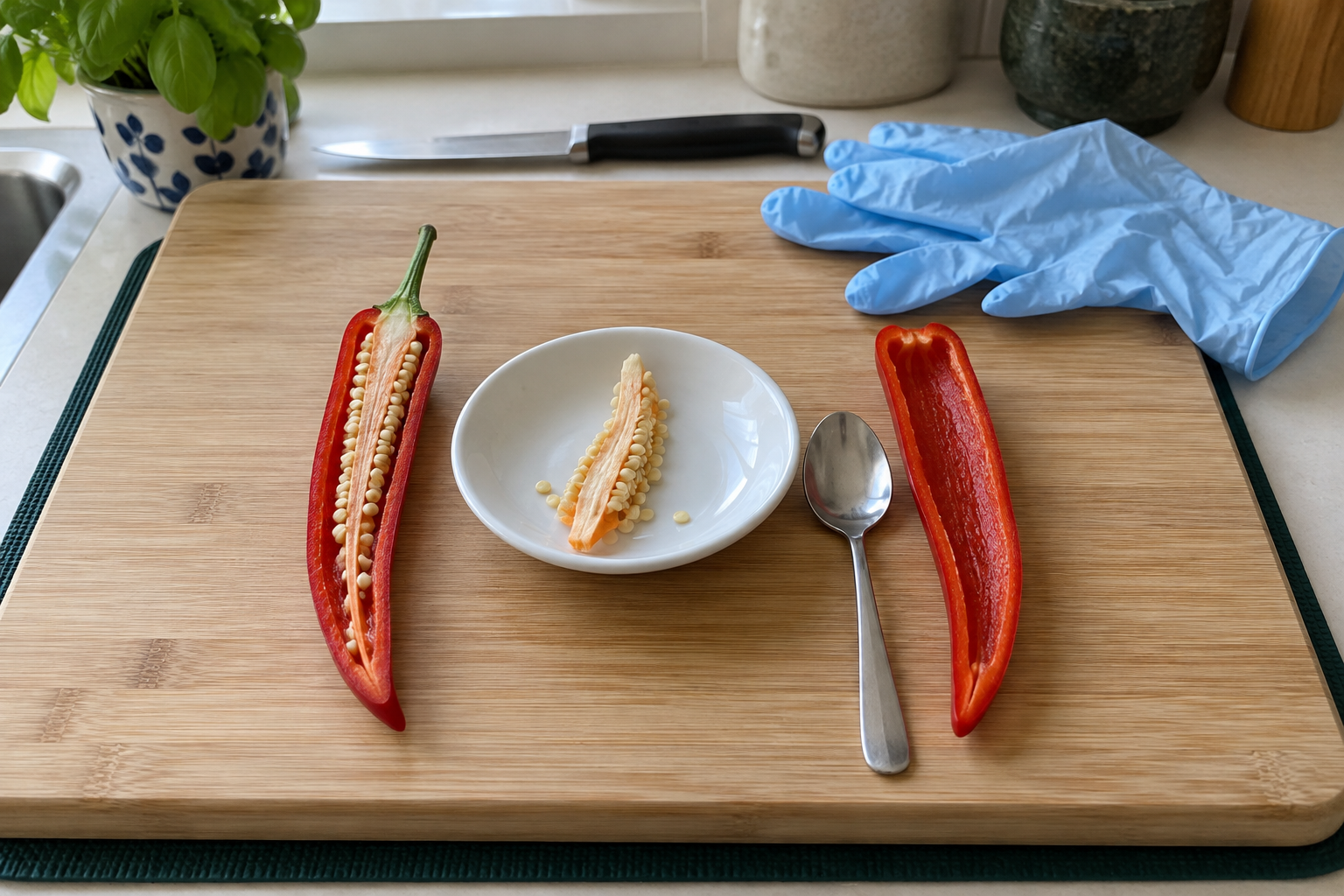 Pantry And Ingredients
Chillies: where the heat is and how to control it
Prepare a labelled mild chilli, cook a tiny measured amount into sauce, and compare it without guessing heat from colour.
 Pantry And Ingredients
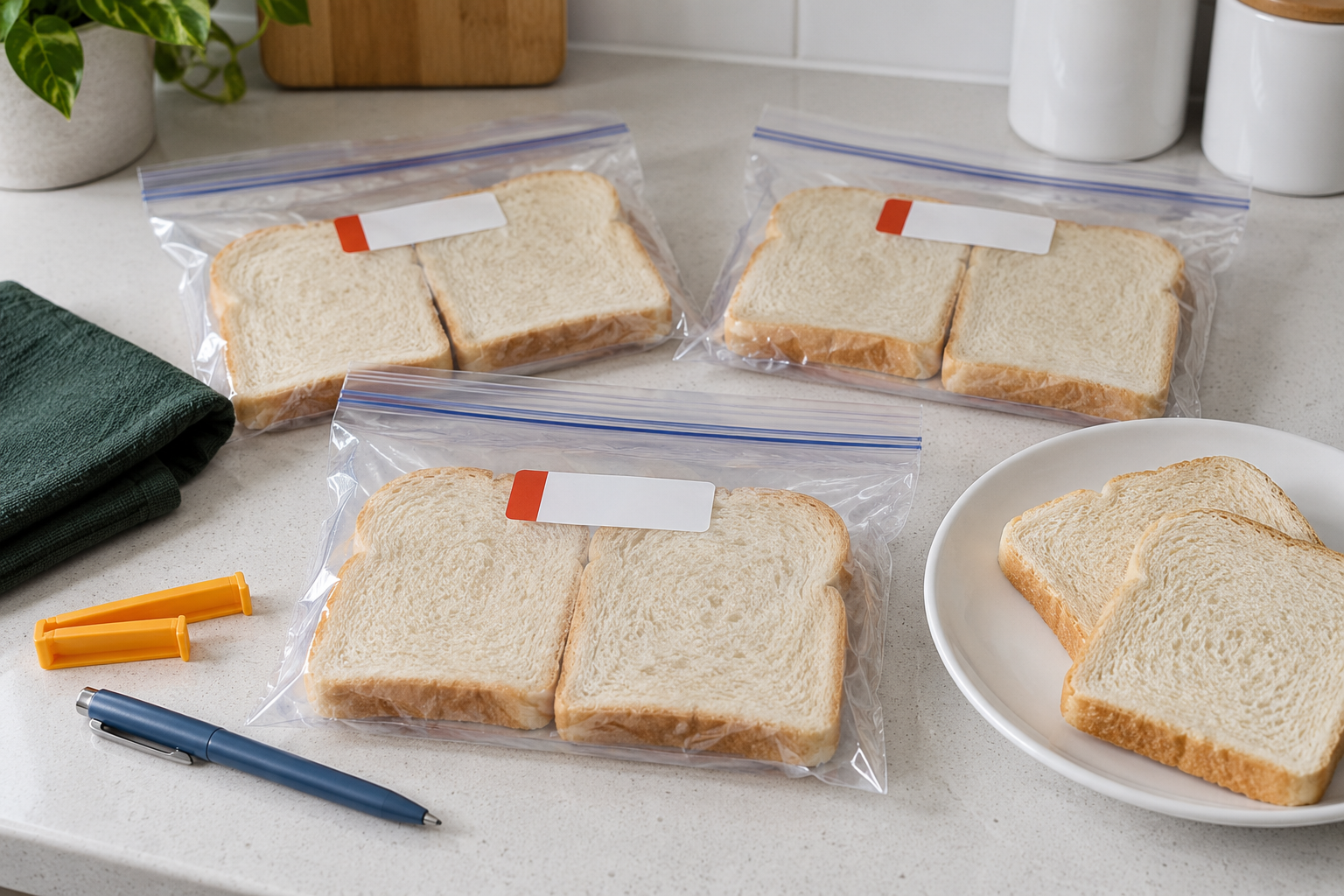
Bread storage: cupboard, fridge or freezer?
Keep bread useful for the way you eat it, understand staling and freeze portions before they become waste.
 Pantry And Ingredients
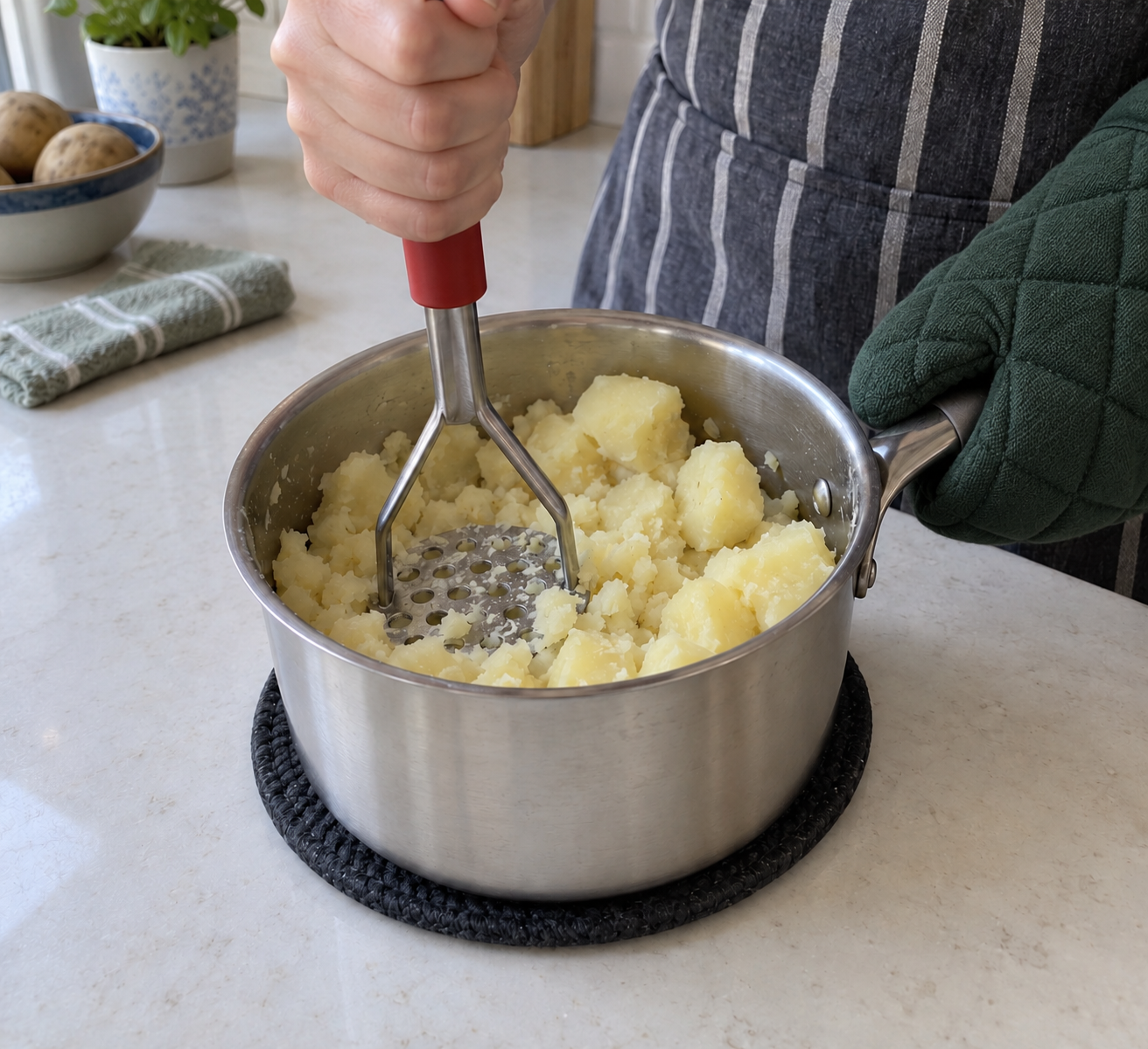
Mashed potatoes: even cooking without a gluey texture
Choose a suitable potato, check the centre and understand why whole potatoes and vigorous blending are not universal shortcuts.
4 guides
Charts And References
Measures, oven settings and temperature checks to keep close at hand.
 Charts And References
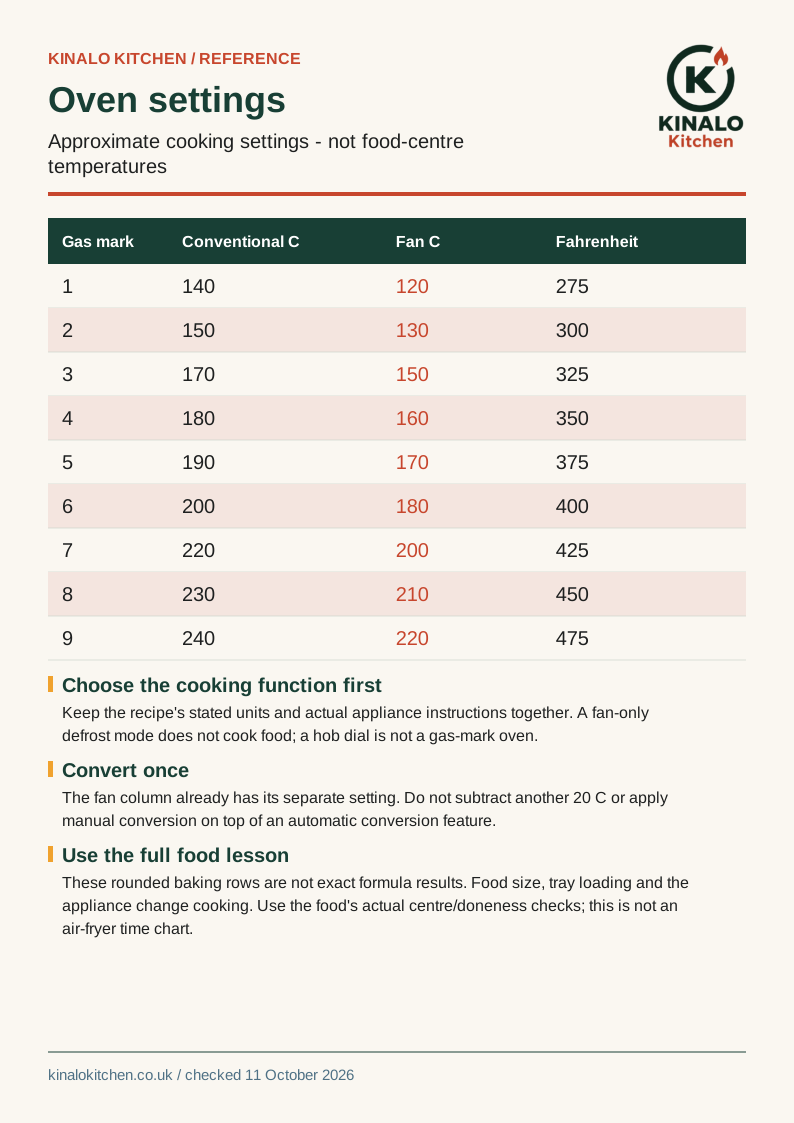
Oven temperatures and spoon measures for beginners
How to use oven temperature conversions and spoon measures without getting stuck when a recipe uses different units.
 Charts And References
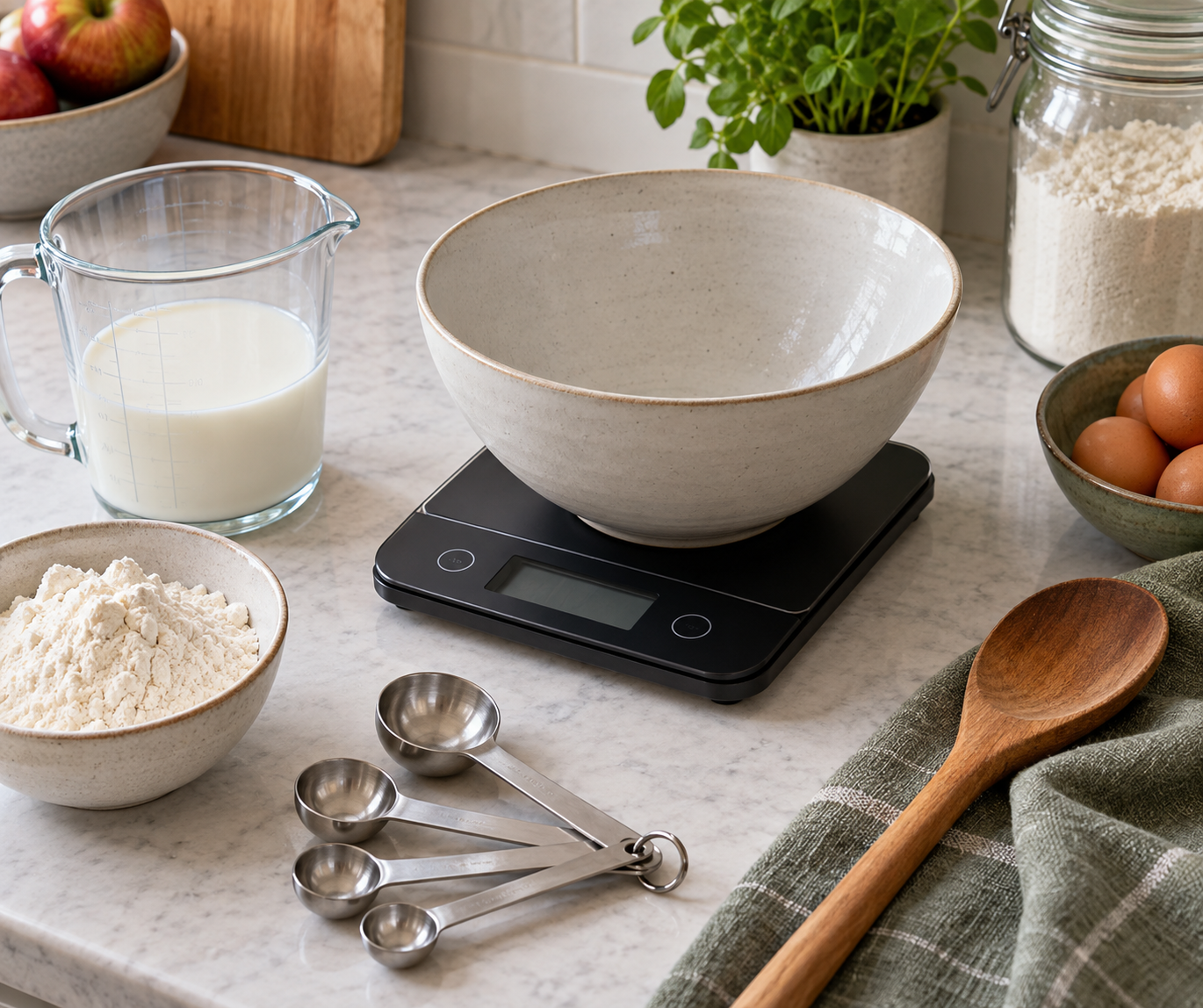
Measuring accurately without stress
How to read level spoons, measuring jugs and scales, and when accuracy matters more than a rough handful.
 Charts And References
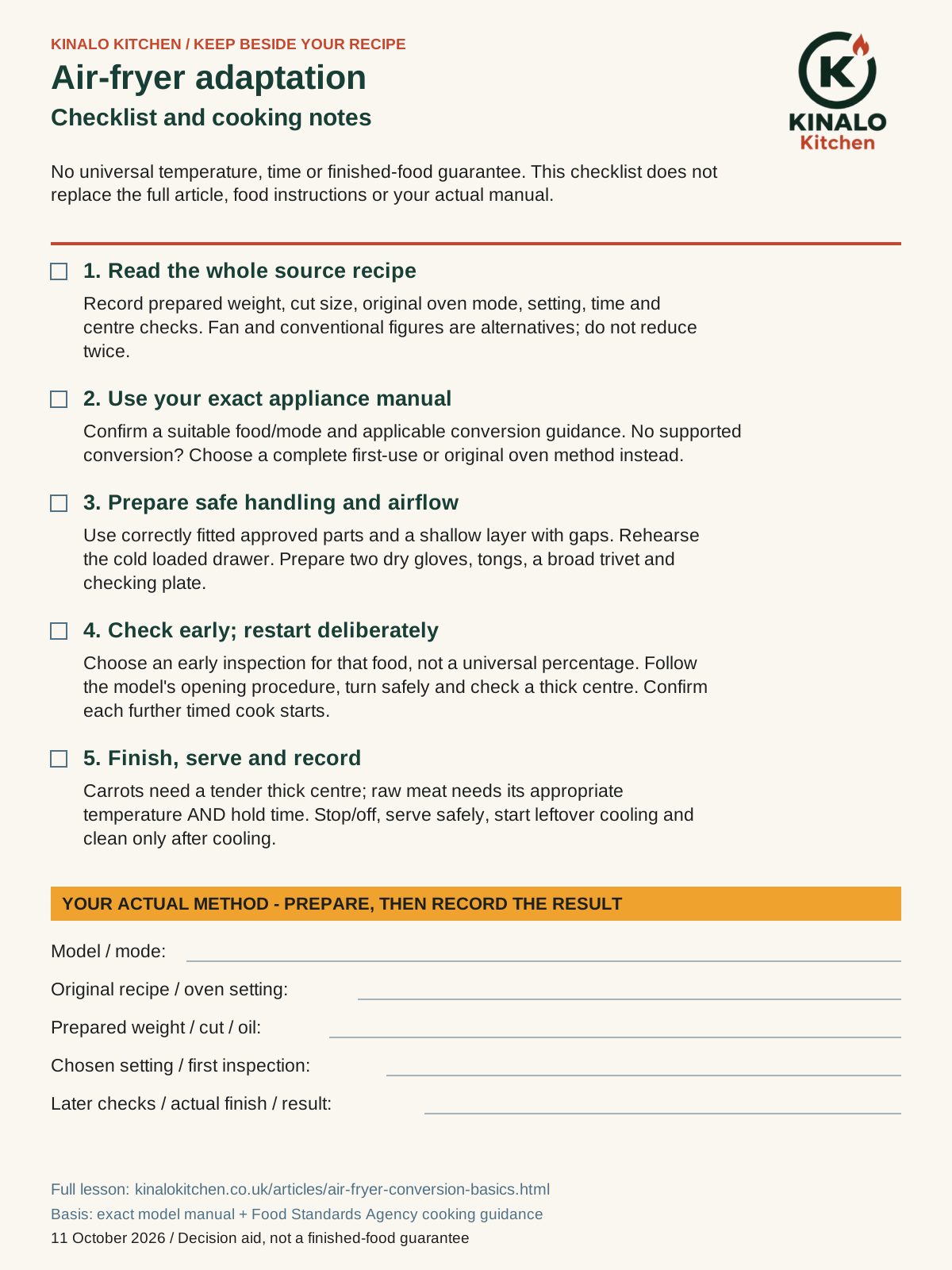
Air fryer conversion basics
How to think about oven-to-air-fryer conversions, spacing, checking early and avoiding dry or over-browned food.
 Charts And References
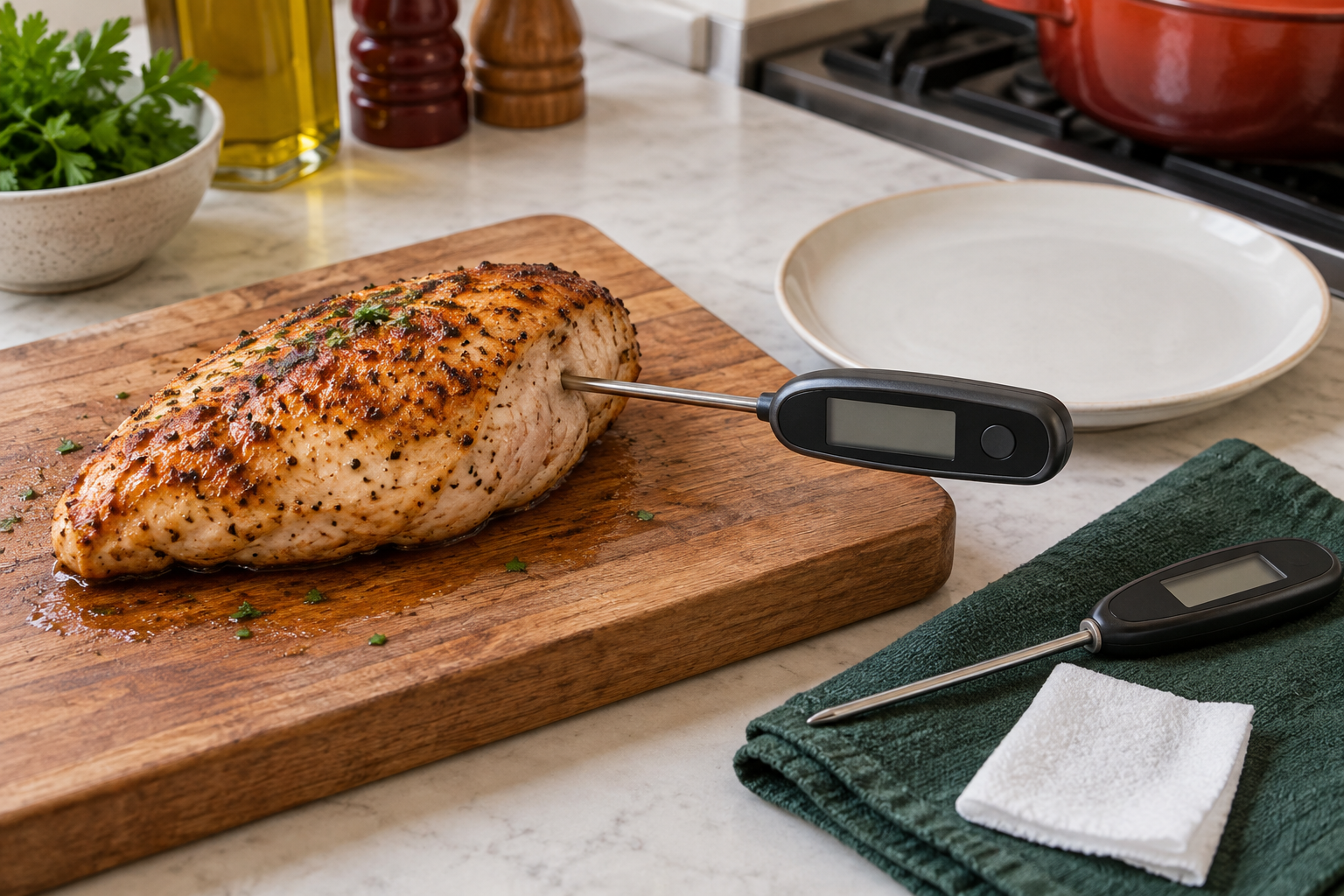
Meat temperatures: a practical UK cooking reference
Use a temperature and holding time together, measure the right place and distinguish fully cooked food from steak preferences.
7 guides
Myths And Confidence
Common kitchen claims, explained with their useful limits.
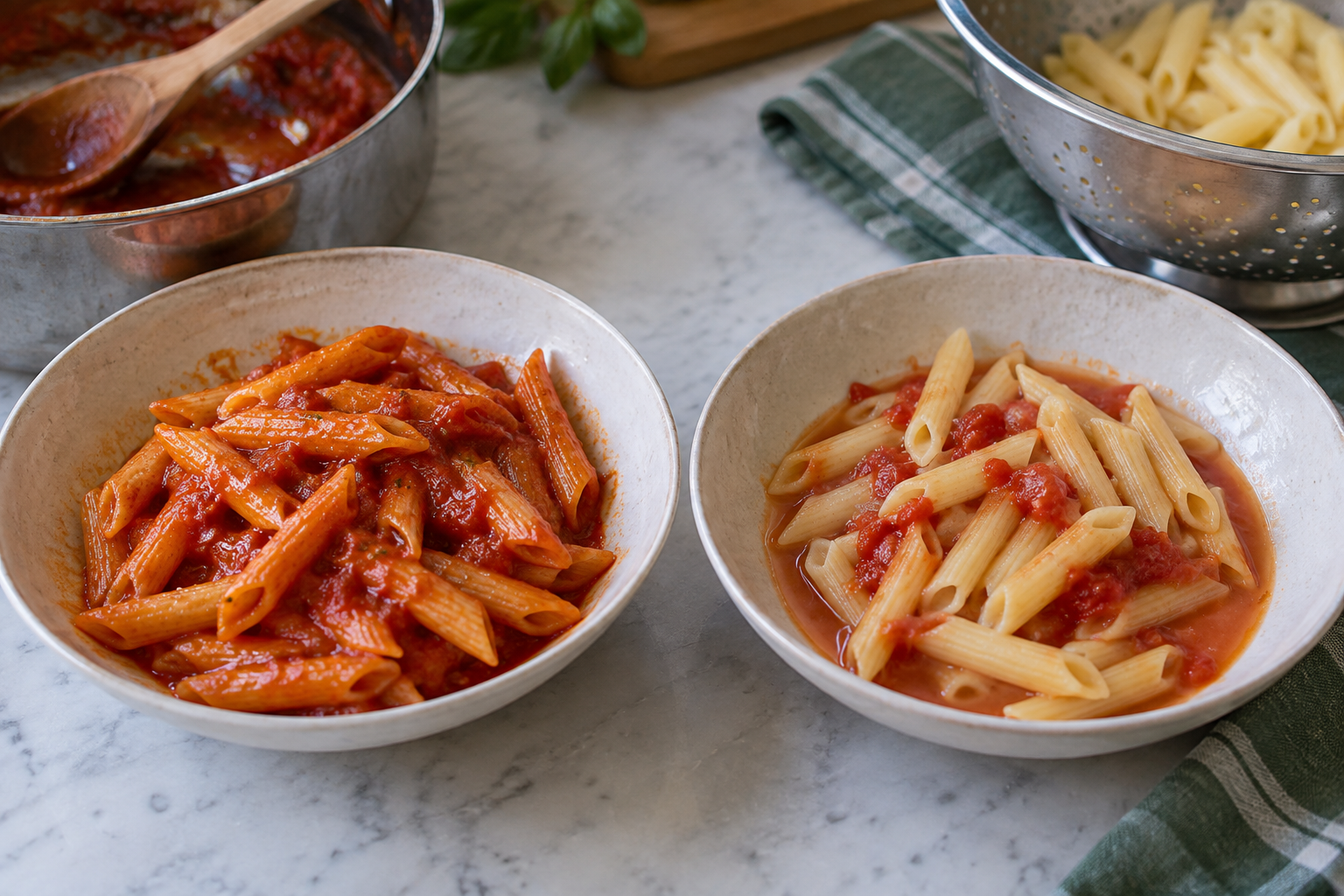
Myths And ConfidenceDoes oil stop pasta sticking?
Why oil in pasta water is not the main fix for sticky pasta, and what actually helps: enough water, stirring and sauce timing.
 Myths And Confidence
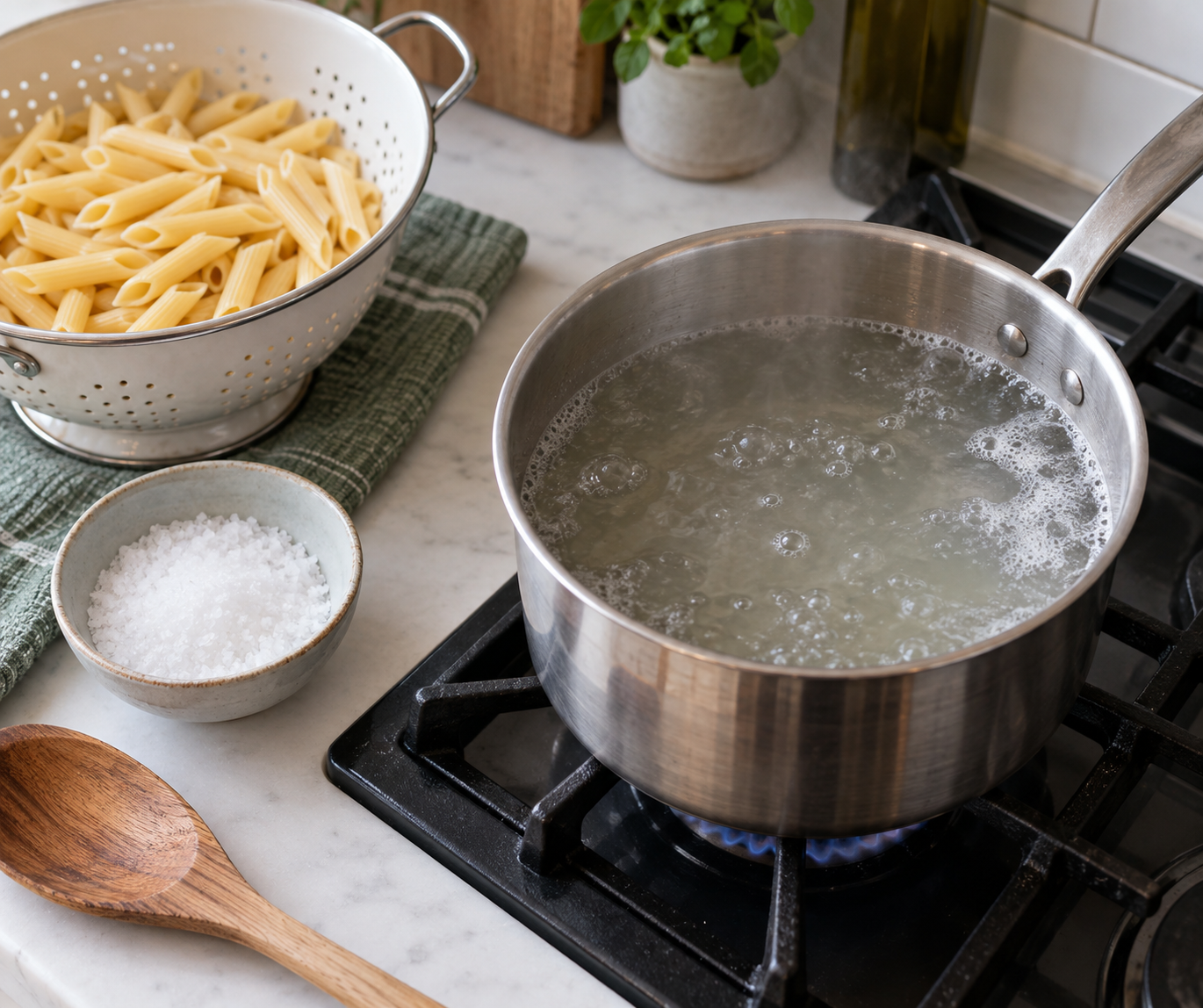
Should you rinse pasta?
When rinsing pasta helps, when it hurts sauce cling, and why most hot pasta dishes should keep their starch.
 Myths And Confidence
Does salted pasta water make pasta salty?
How salt in the cooking water affects flavour, how to choose a measured starting amount, and why it is fine to use less or none.
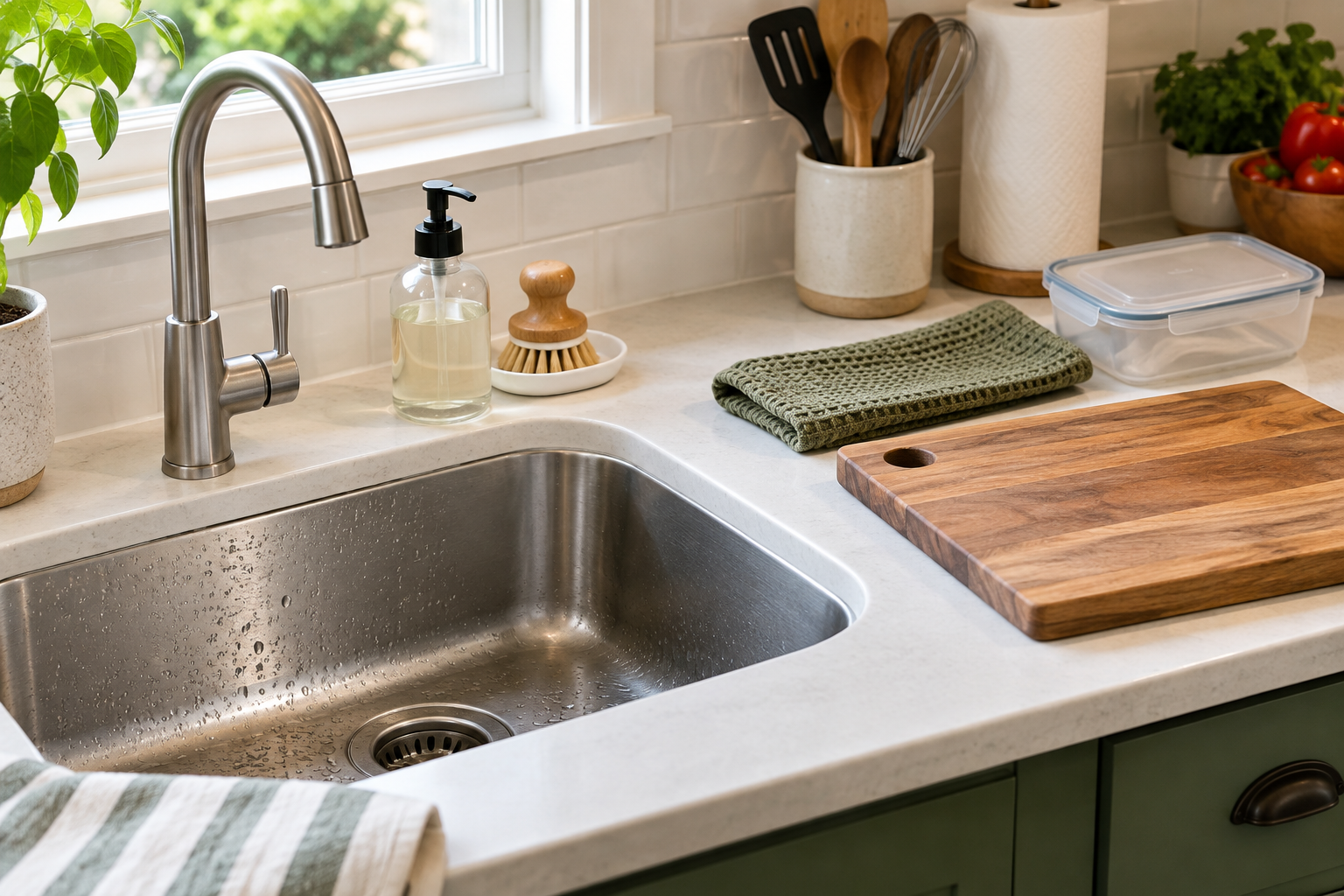 Myths And Confidence
Should you wash raw chicken or meat?
A beginner-safe explanation of why washing raw chicken or meat can spread germs around the sink and what to do instead.
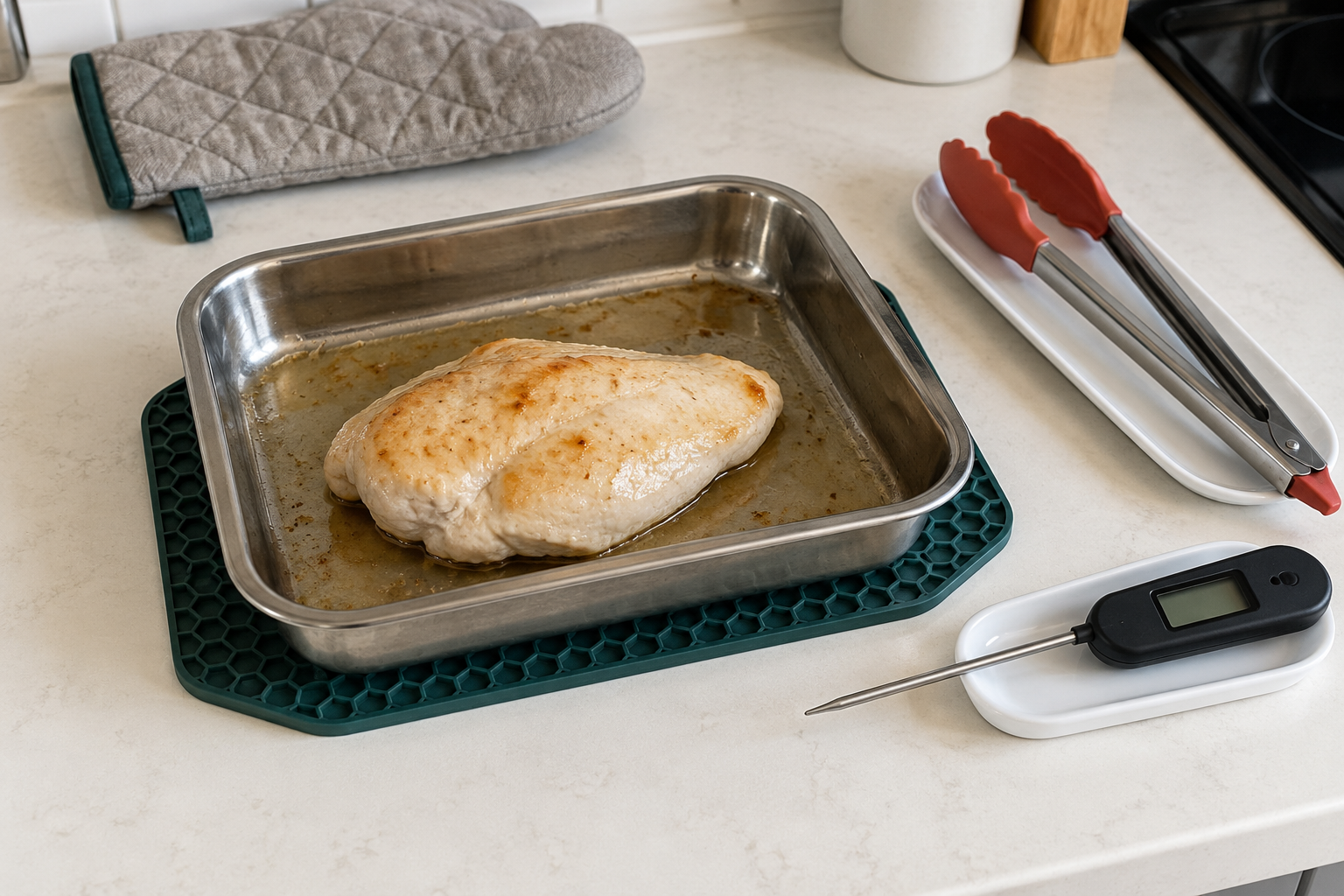 Myths And Confidence
Chicken colour and thermometer confidence
Why colour alone can be confusing, how a thermometer helps beginners stop guessing, and where safety guidance should come from.
Myths And ConfidenceDoes cooking remove all the nutrients from vegetables?
Understand why cooking changes nutrients differently, then practise checking a small steamed vegetable batch without chasing one perfect method.
Myths And ConfidenceDoes cooking remove all the alcohol from wine?
Understand why simmering does not guarantee an alcohol-free dish and choose a replacement when alcohol needs to be avoided.
5 guides
Everyday Kitchen
Plan manageable meals, use what you have and save time safely.
Everyday KitchenBatch cooking: make extra without making a mess
Plan a manageable batch, cool it promptly and turn one cooking session into meals you can actually use.
Everyday KitchenCooking when you are already hungry
Choose a manageable meal, prepare in the right order and avoid rushing the steps that need time.
Everyday KitchenSave time and use up ingredients across meals
Plan shared ingredients, organise preparation and keep useful leftovers visible without creating extra kitchen work.
Everyday KitchenSubstitutions and small cooking experiments
Work out what an ingredient does, choose a sensible replacement and change one thing at a time.
Everyday KitchenBring a simple meal together without rushing
Decide what starts first, what can wait and what needs to finish last. Practise with pasta, tomato sauce and a simple cold side.
5 guides
Baking Basics
Chocolate, dough, sugar and raising agents, one technique at a time.
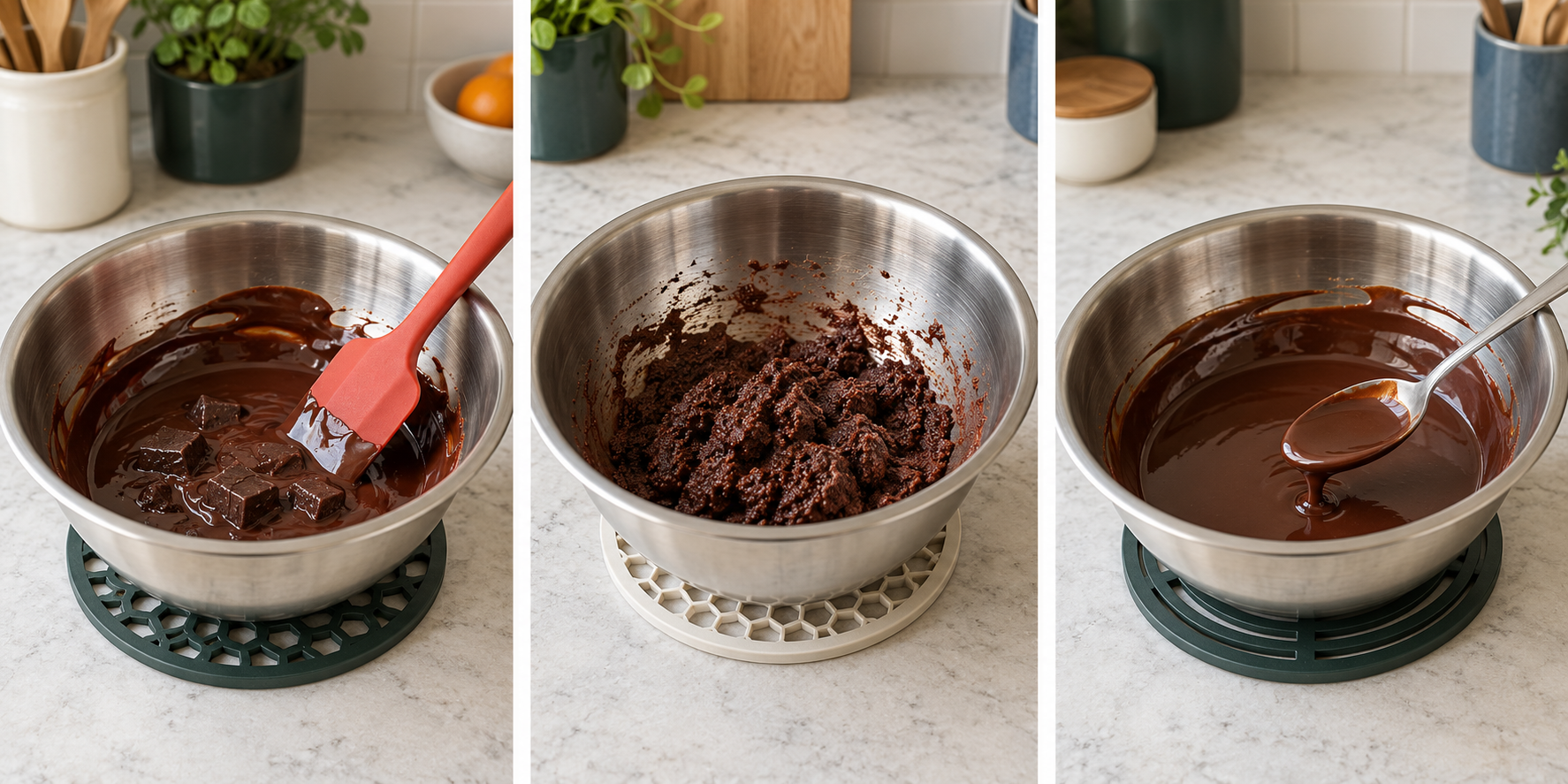 Baking Basics
Melting chocolate without scorching or seizing
Set up gentle heat, recognise the point to stop and understand why a few drops of water can change melted chocolate.
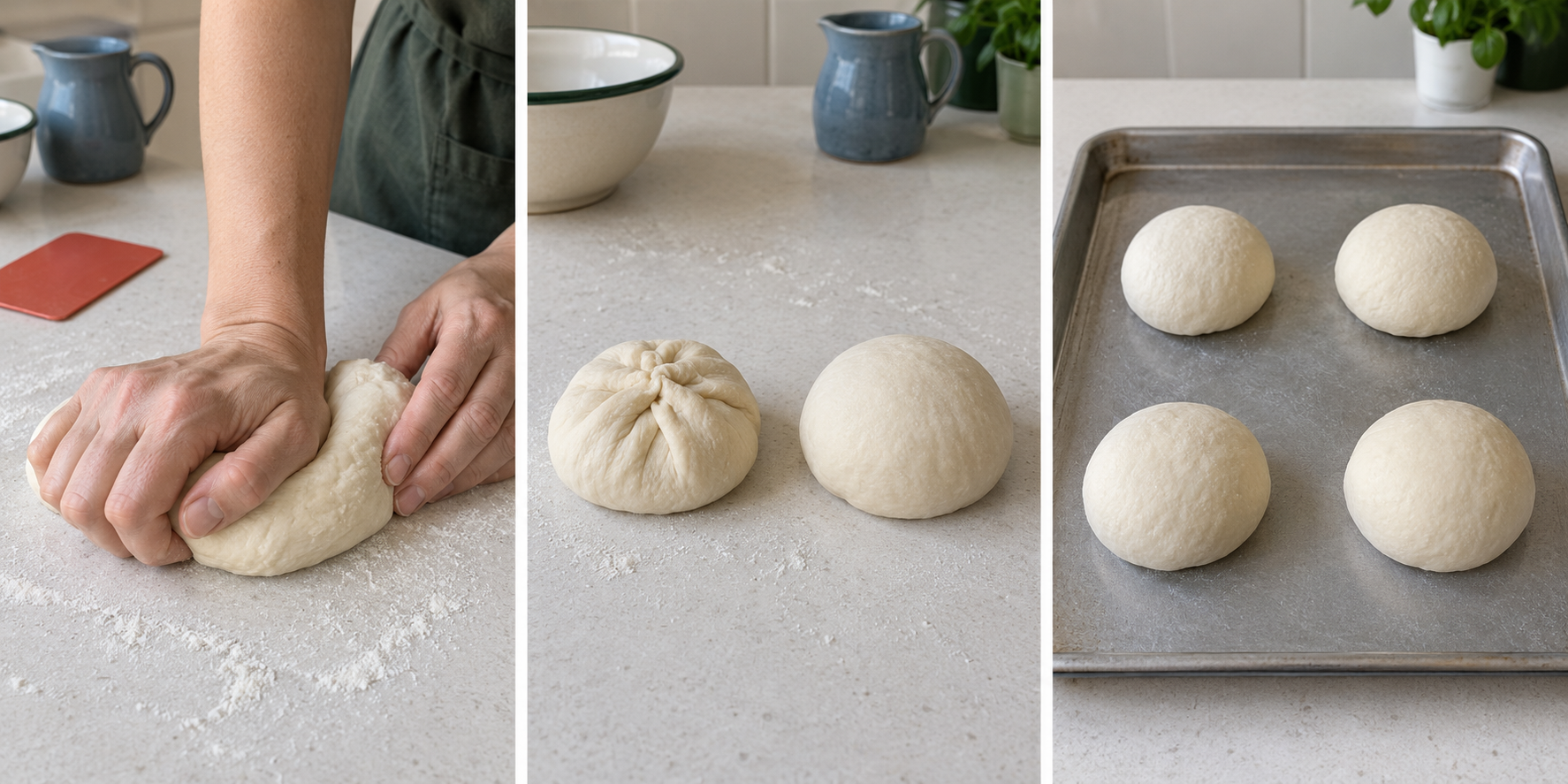 Baking Basics
Bread dough: kneading, proving and recognising change
Make a small yeast dough, feel how kneading changes it and learn why proving is judged by growth as well as time.
 Baking Basics
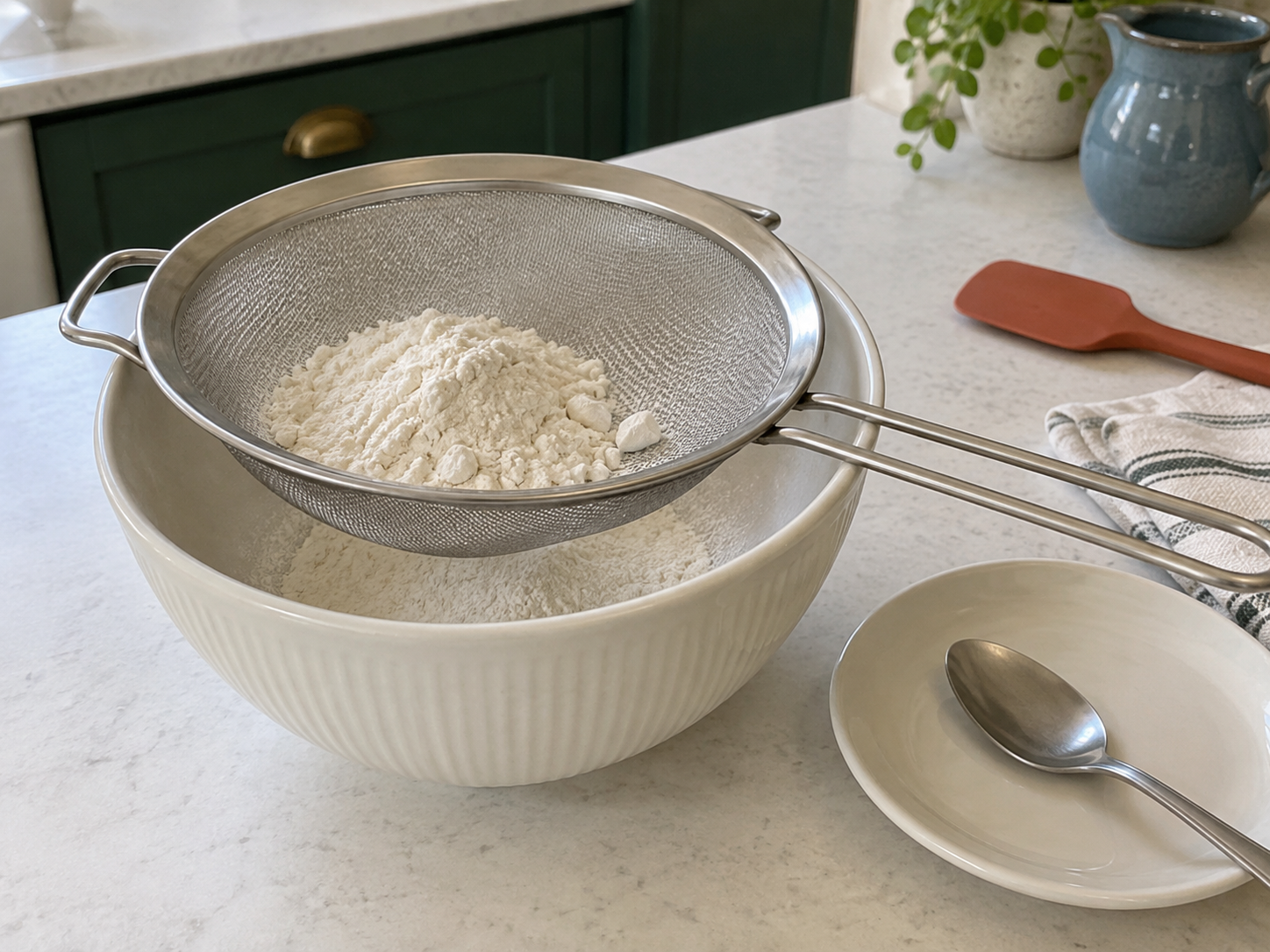
Baking basics: raising agents, sifting and oven doors
Tell baking powder from bicarbonate of soda, check whether they still work and understand the small handling details that affect a cake.
 Baking Basics
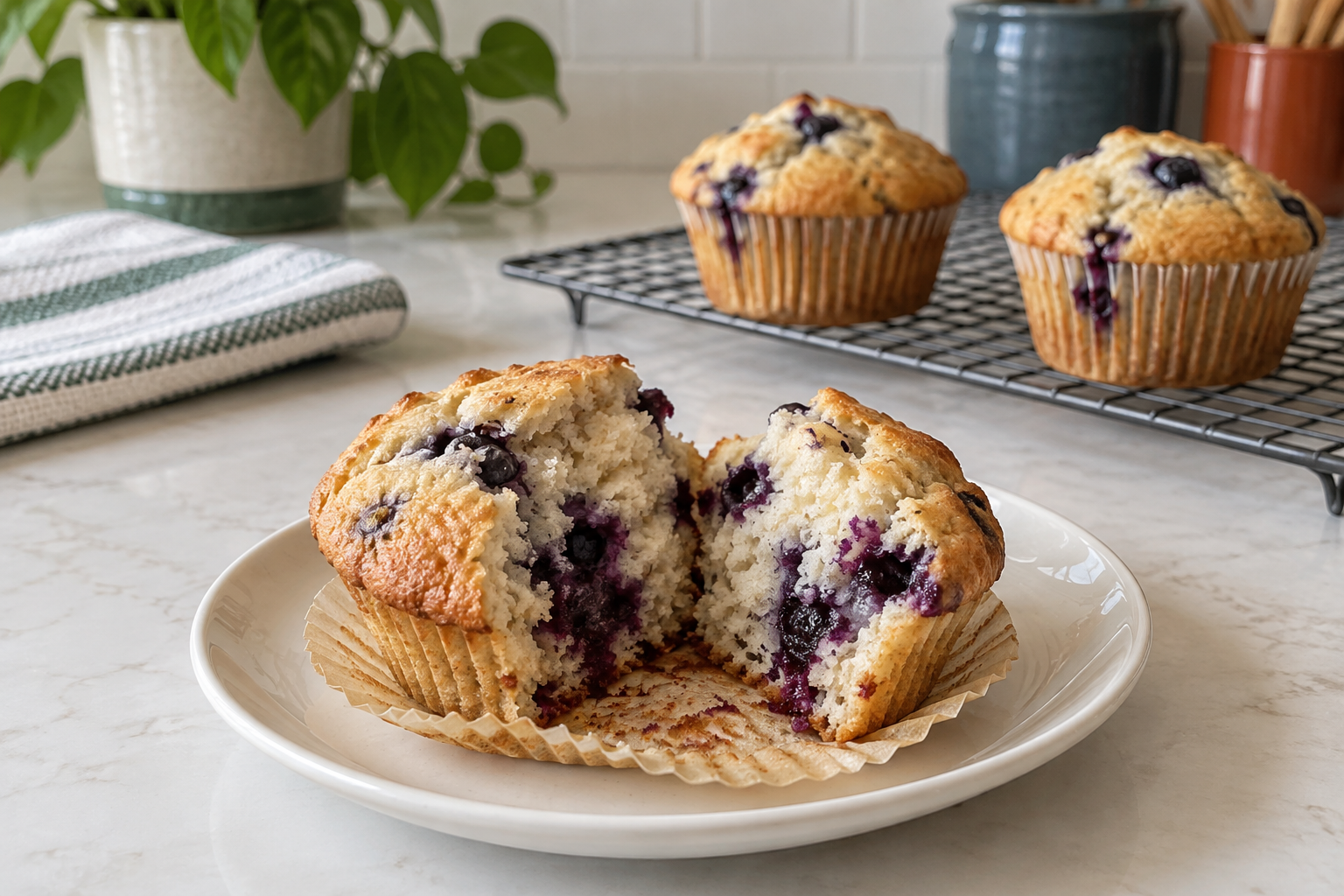
Can you replace sugar with a sweetener in baking?
Understand sugar's role beyond sweetness and use product-specific recipes when making a major substitution.
 Baking Basics
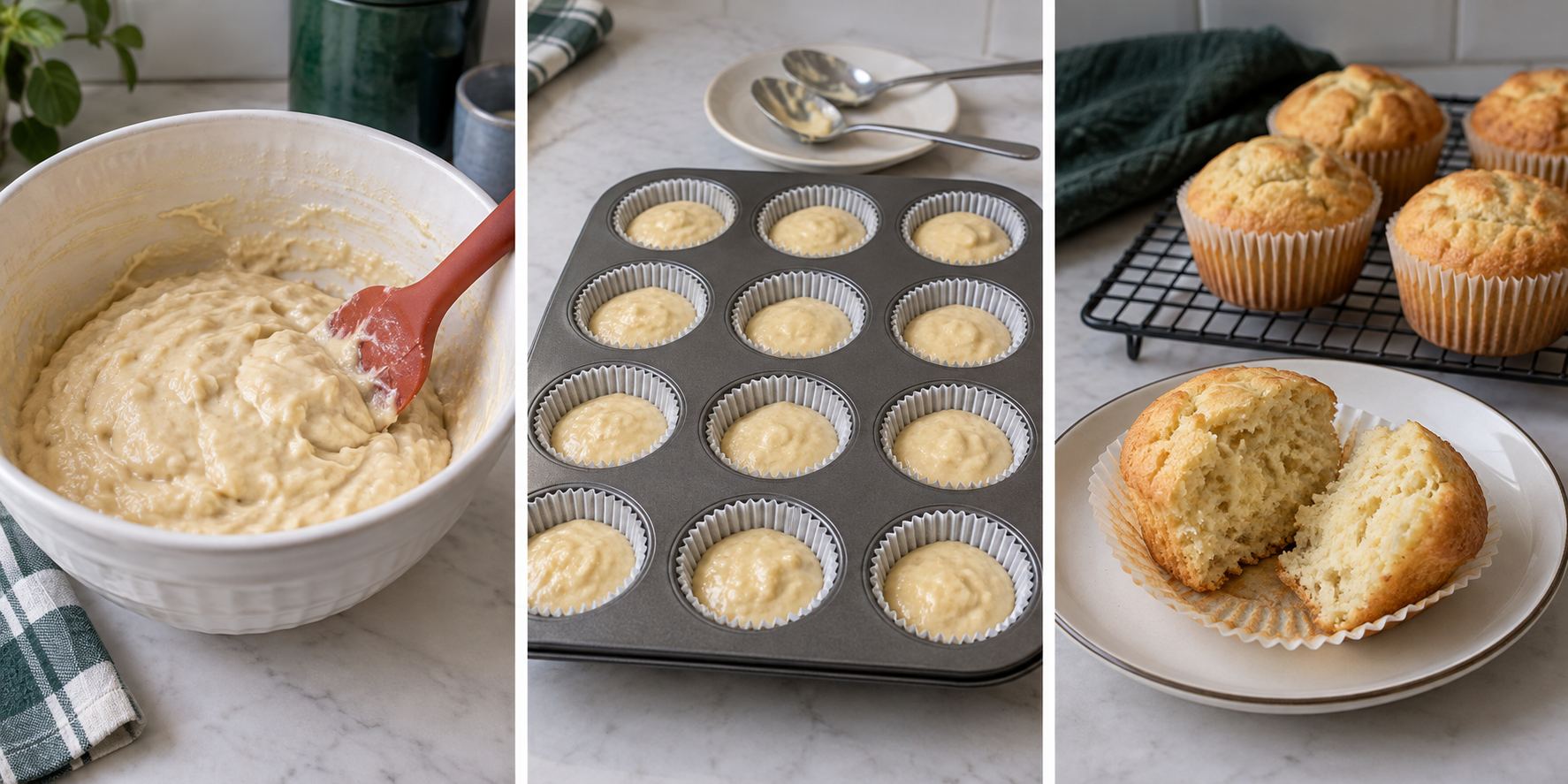
A first muffin bake: measure, mix and check the centre
Use a small plain muffin batch to learn weighing, gentle mixing, filling cases and checking baked batter without relying only on colour.
6 guides
Meat And Poultry
Preparation, browning, temperature checks and resting.
 Meat And Poultry
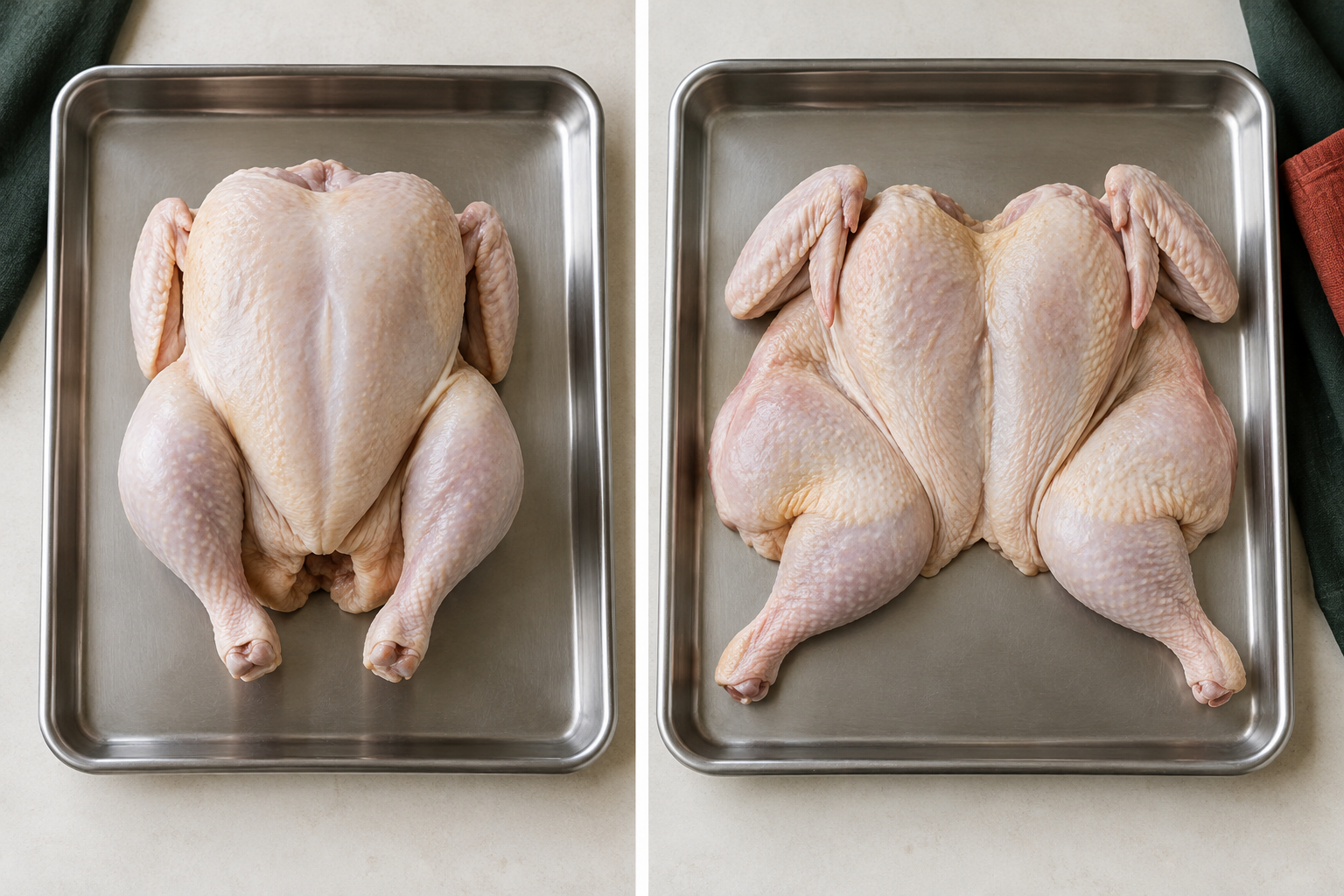
Roast and spatchcock chicken: shape, heat and safe doneness
Prepare a whole chicken, understand why flattening changes its cooking and check the thickest parts before serving.
 Meat And Poultry
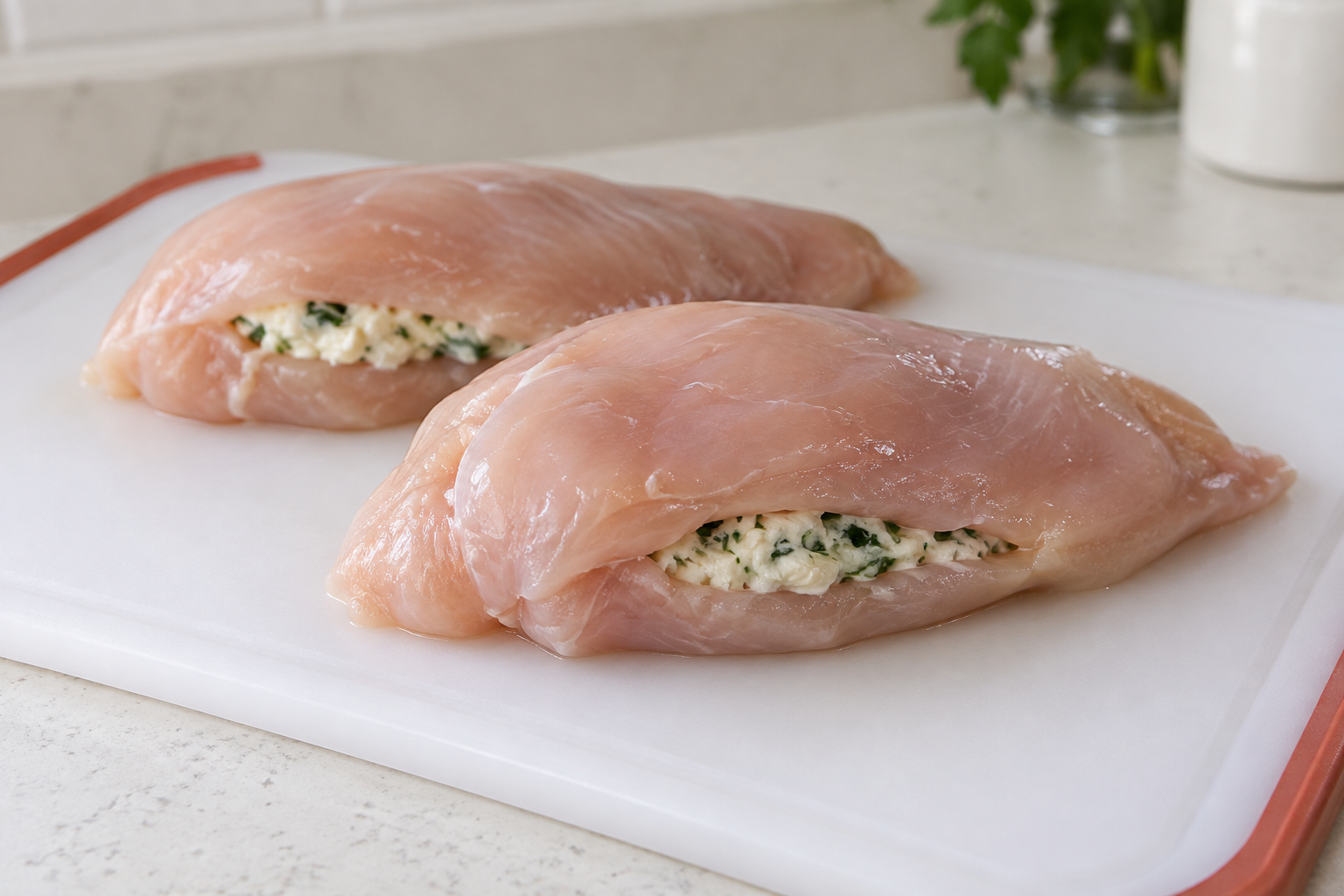
Stuffed chicken breast: making and cooking a pocket
Practise a small filling, make a controlled pocket and allow for the extra cooking needed at the centre.
 Meat And Poultry
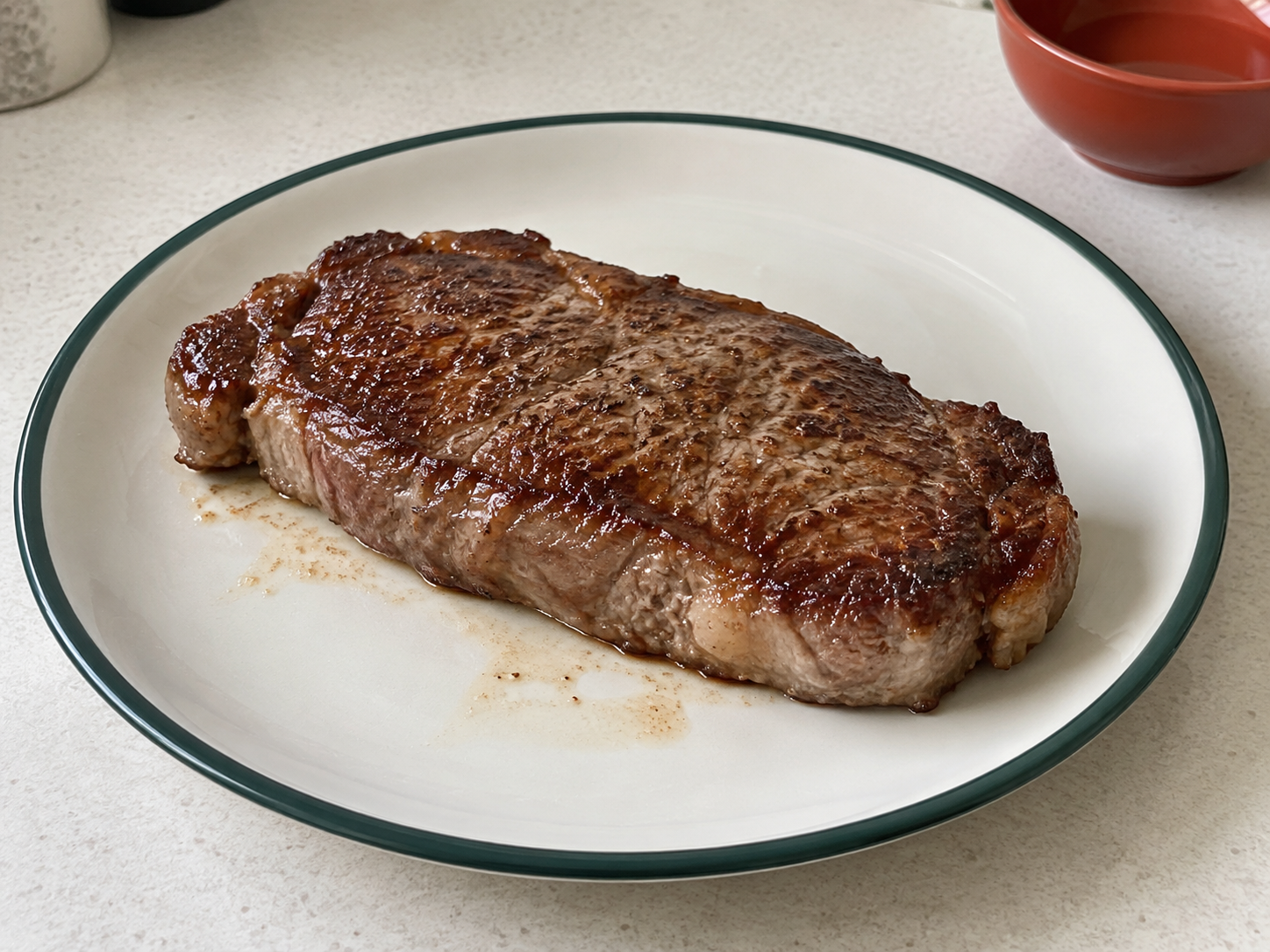
Steak: browning, turning and resting
Build a crust, understand why turning more than once is allowed and keep doneness separate from the searing myth.
Meat And PoultryCook a plain chicken breast in the oven
Learn a small, plain first attempt: open the pack, prepare the dish, cook, check the centre and serve without mixing raw and cooked equipment.
 Meat And Poultry
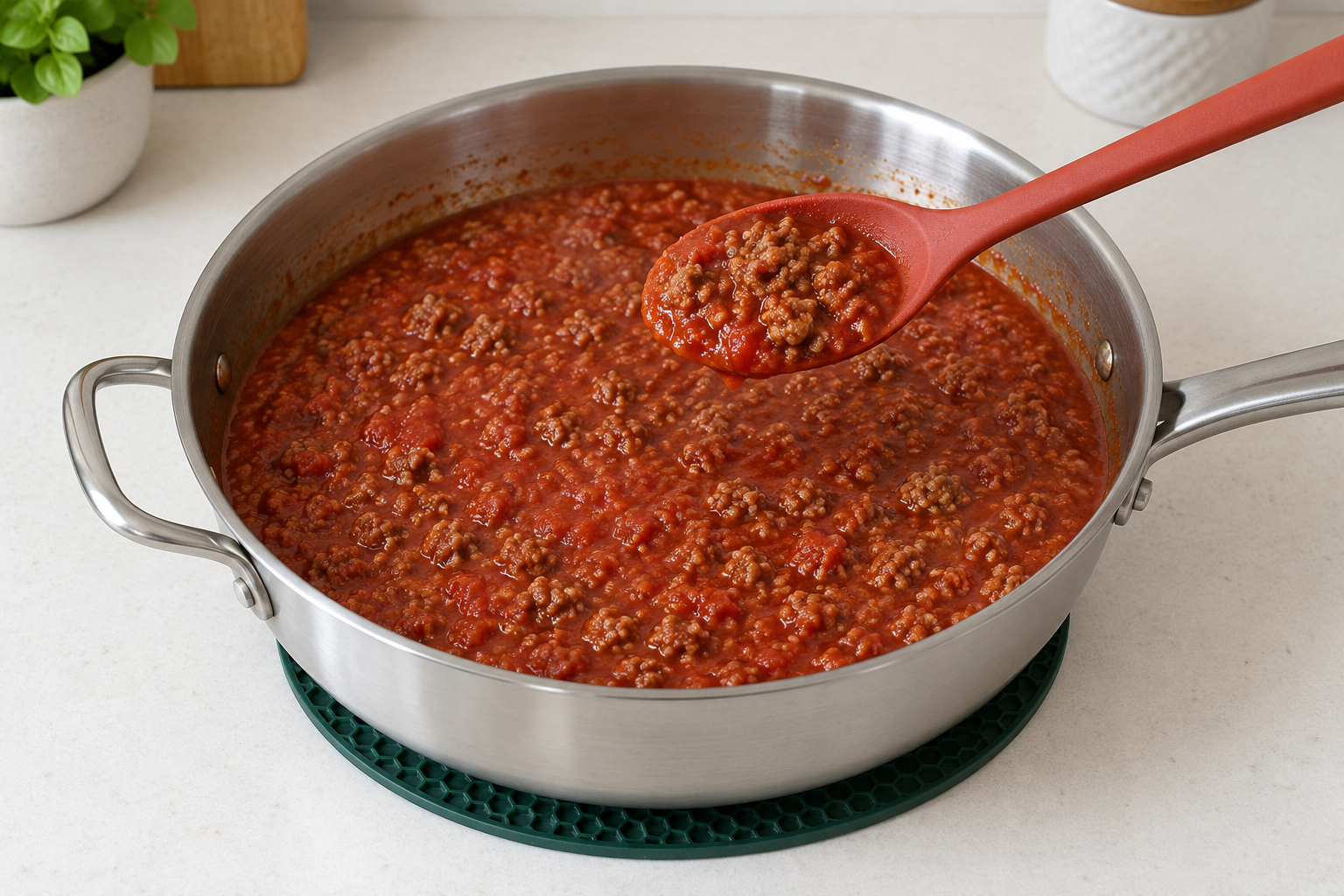
Brown mince and make a simple meat sauce
Break up beef mince, understand browning versus safe cooking, and finish a small tomato sauce with an explicit centre-temperature check.
 Meat And Poultry
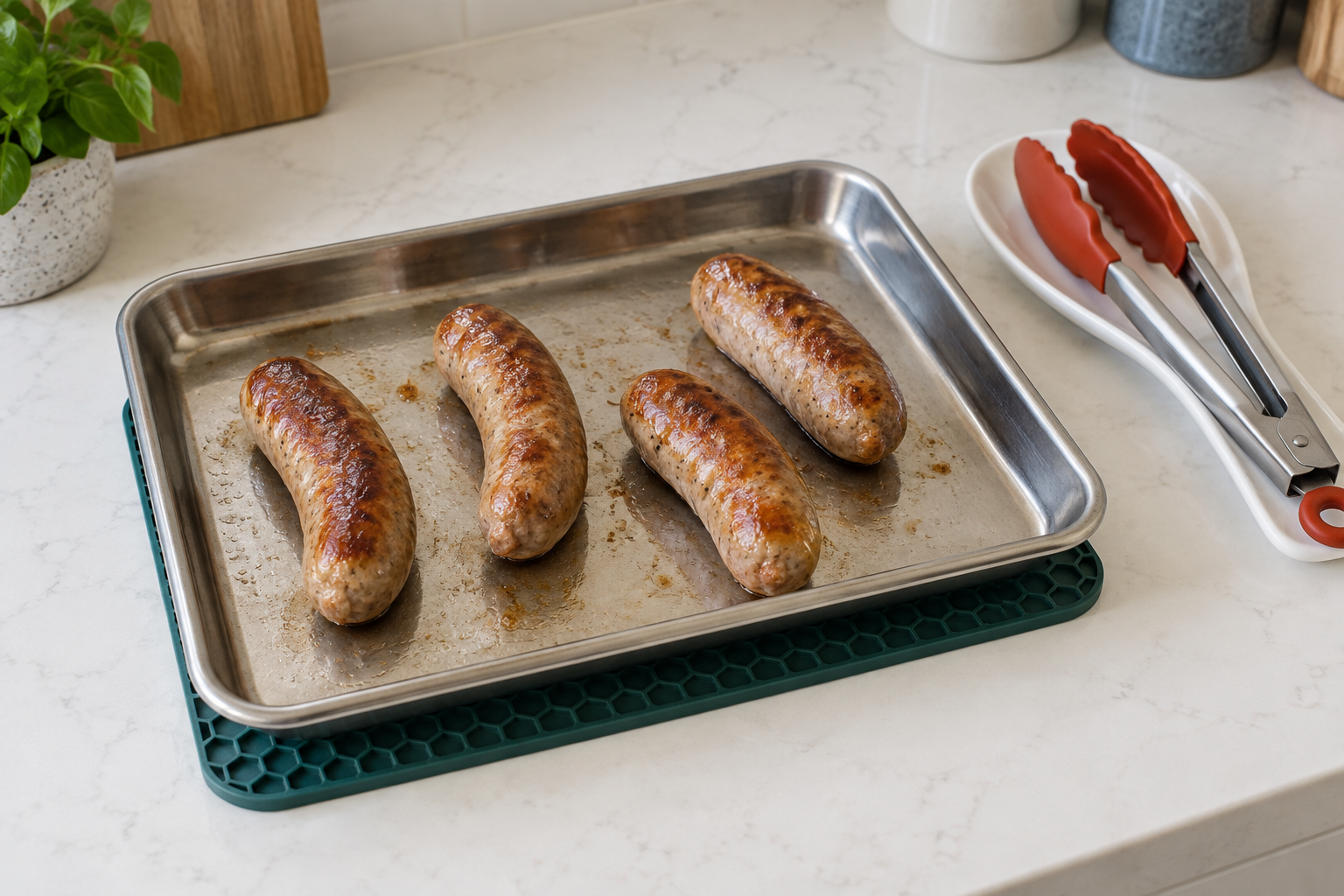
Cook sausages through without burning the outside
Read the product, arrange a small tray, turn with control and check the middle rather than trusting a brown skin.
4 guides
Guided Practice
Small meals that put heat control, seasoning and timing to work.
 Guided Practice
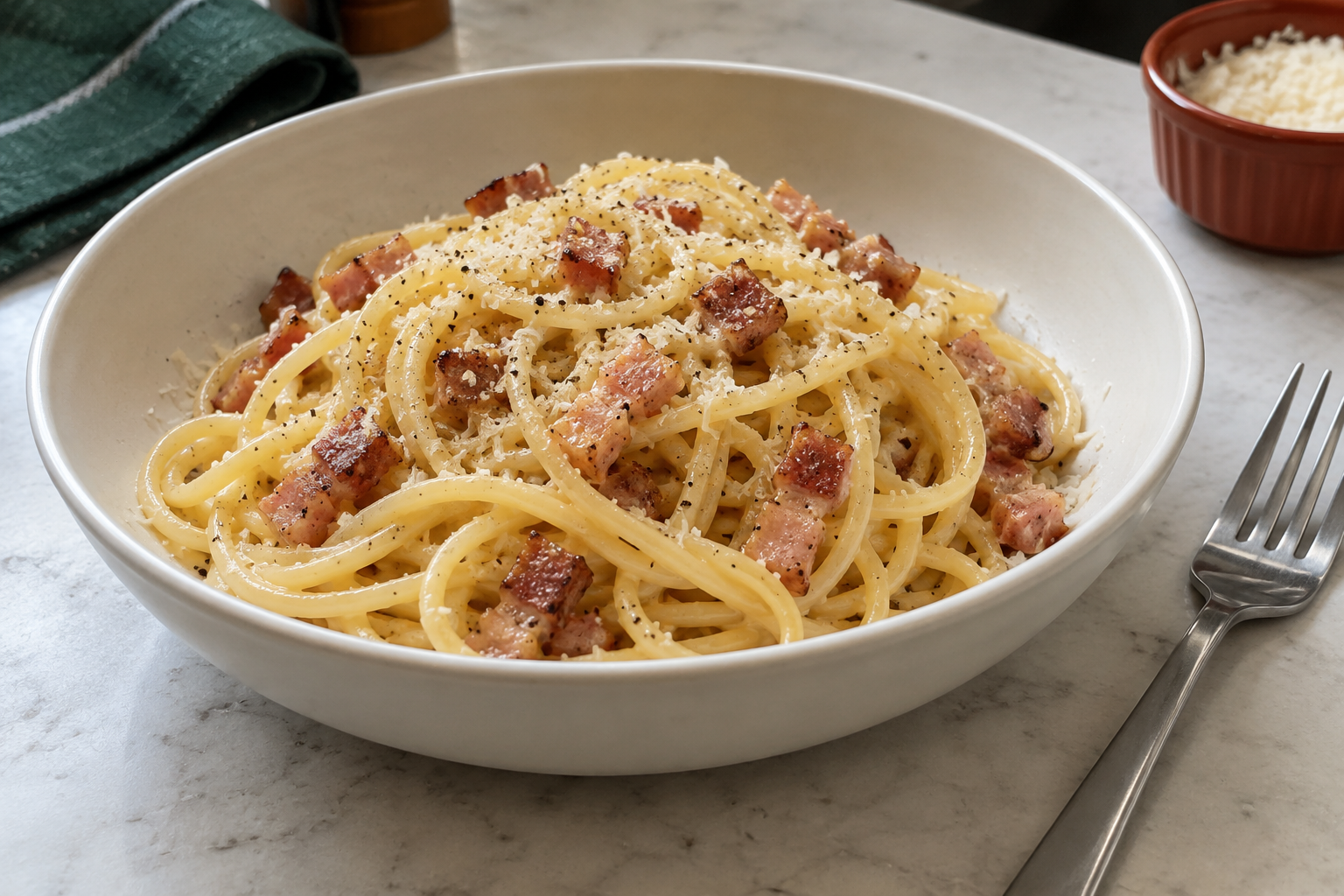
Learn gentle sauce heat with a carbonara practice
Use pasta, egg and cheese to practise gentle heat, gradual liquid adjustment and stopping before a sauce scrambles.
 Guided Practice
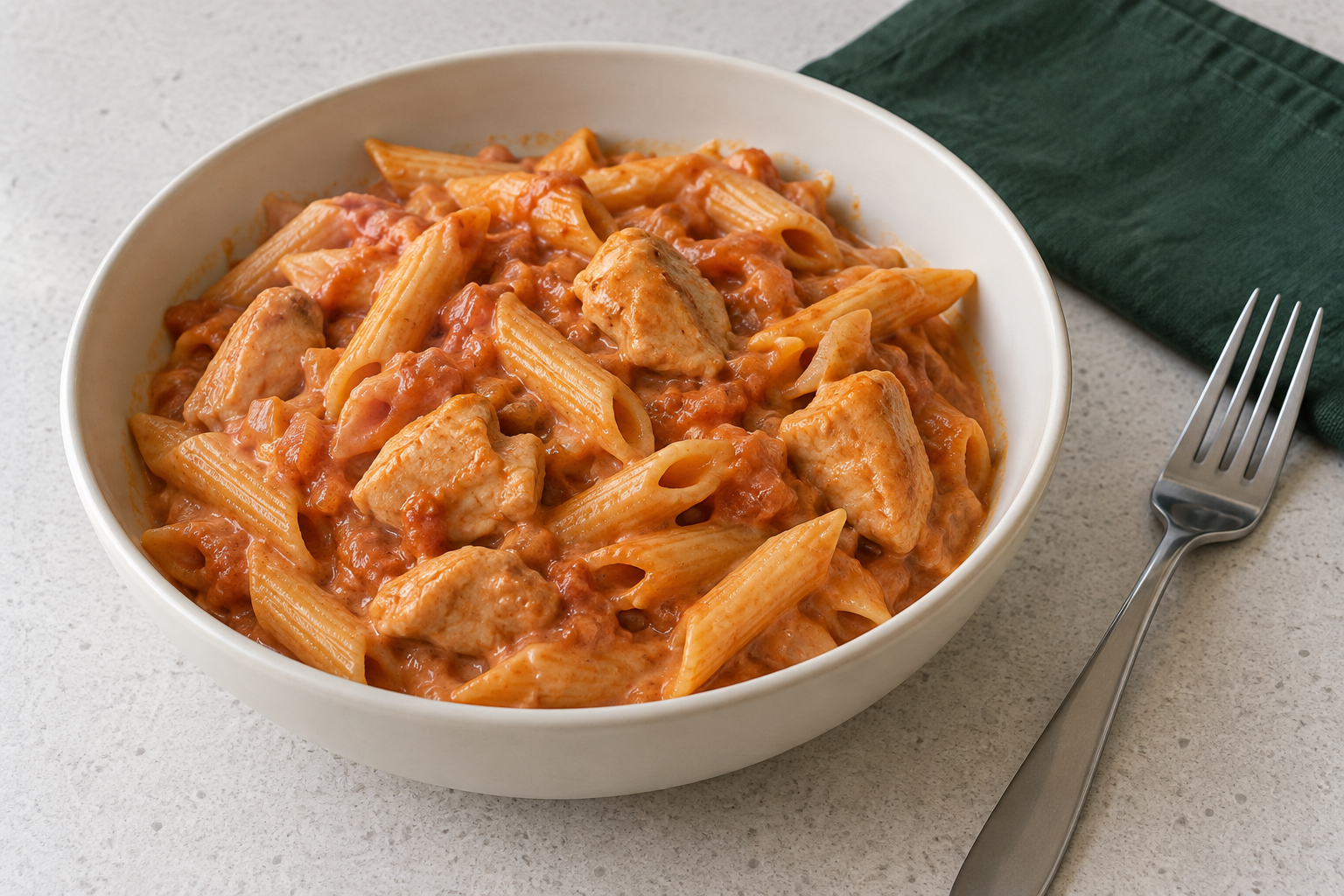
Learn a pan sauce with mascarpone chicken pasta
Practise chicken doneness, a tomato sauce base and gentle dairy finishing in one measured two-portion meal.
 Guided Practice
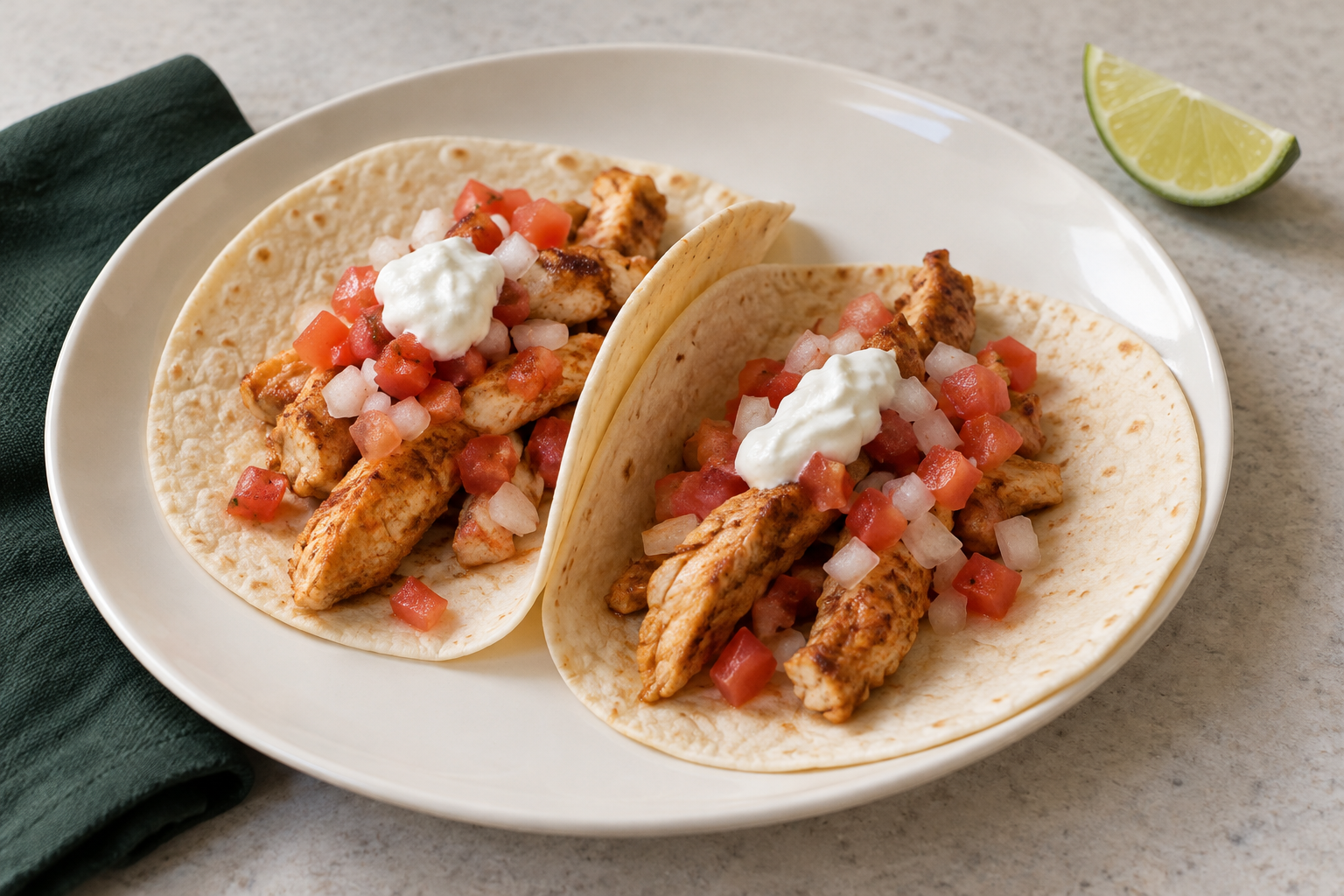
Learn browning and assembly with chicken thigh tacos
Prepare the cold ingredients first, cook chicken safely and assemble a meal without letting every component finish at once.
Guided PracticeLearn spice balance with a Mexican-inspired bean mix
Make a small seasoning mixture, bloom it gently and use it in beans while learning to separate warmth, heat, salt and acidity.
No matching guides. Try a different ingredient or technique.