I have barely cooked before
Start with hob heat, board stability, knife grip, onion dicing, pasta doneness and seasoning.

Article library
These guides are written for adults who are new to the kitchen. They explain what to see, hear, smell, touch and do next, without assuming you already know the quiet parts of cooking.
Start with a route
Start with hob heat, board stability, knife grip, onion dicing, pasta doneness and seasoning.
Use the rescue guides for salt, spice, watery sauce, lumpy sauce, burnt flavour and bland food.
Eggs, rice, pasta, pancakes and roasted vegetables show doneness clearly and teach useful timing.
Set up tools, storage, fridge zones and thermometer habits so cooking is easier to begin.
6 guides
Start here if pans, ovens, steam, browning or heat settings feel like guesswork.
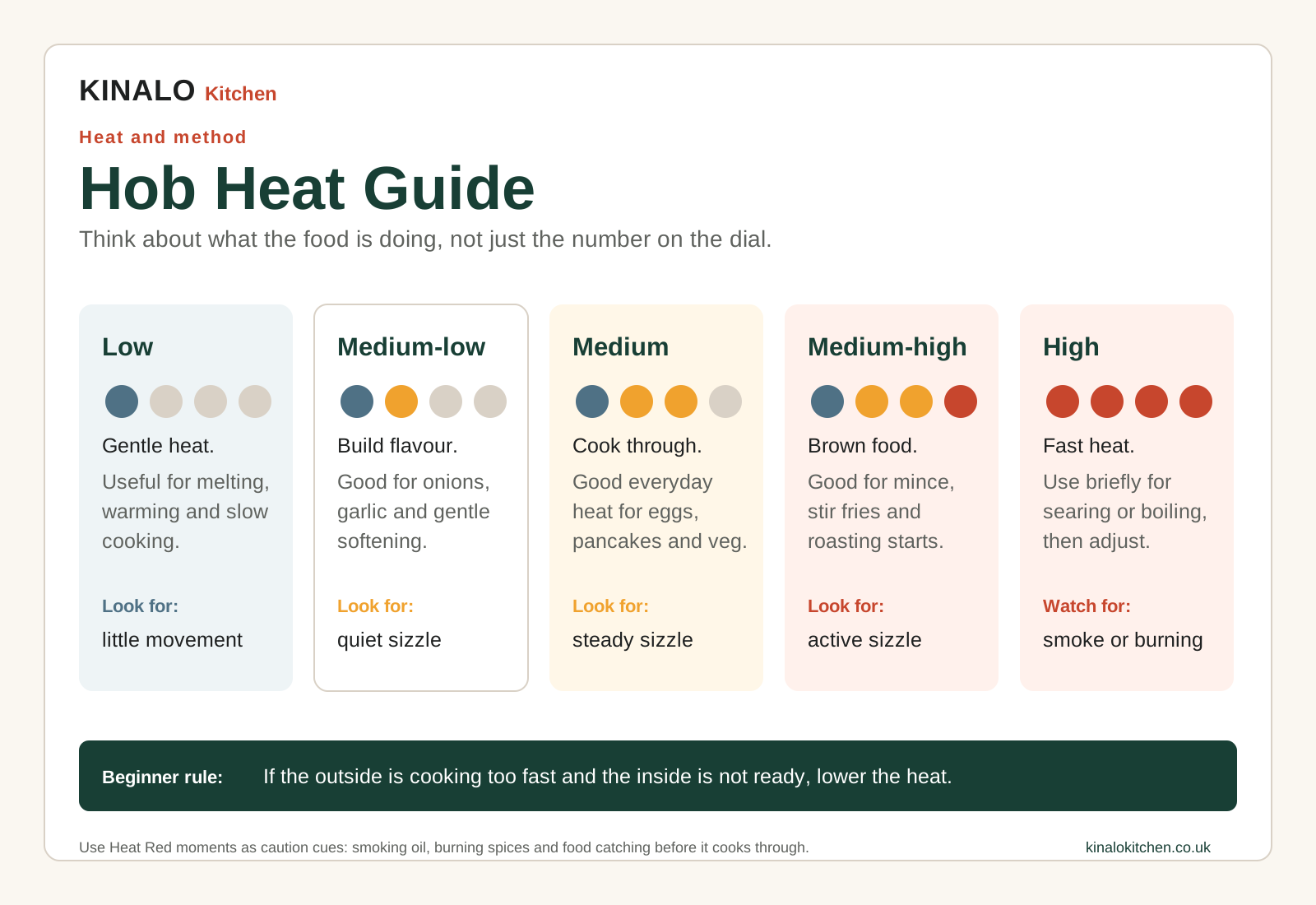 Heat And Method
A plain-English guide to low, medium and high heat, what to look for in the pan, and how to correct the heat before food gets ruined.
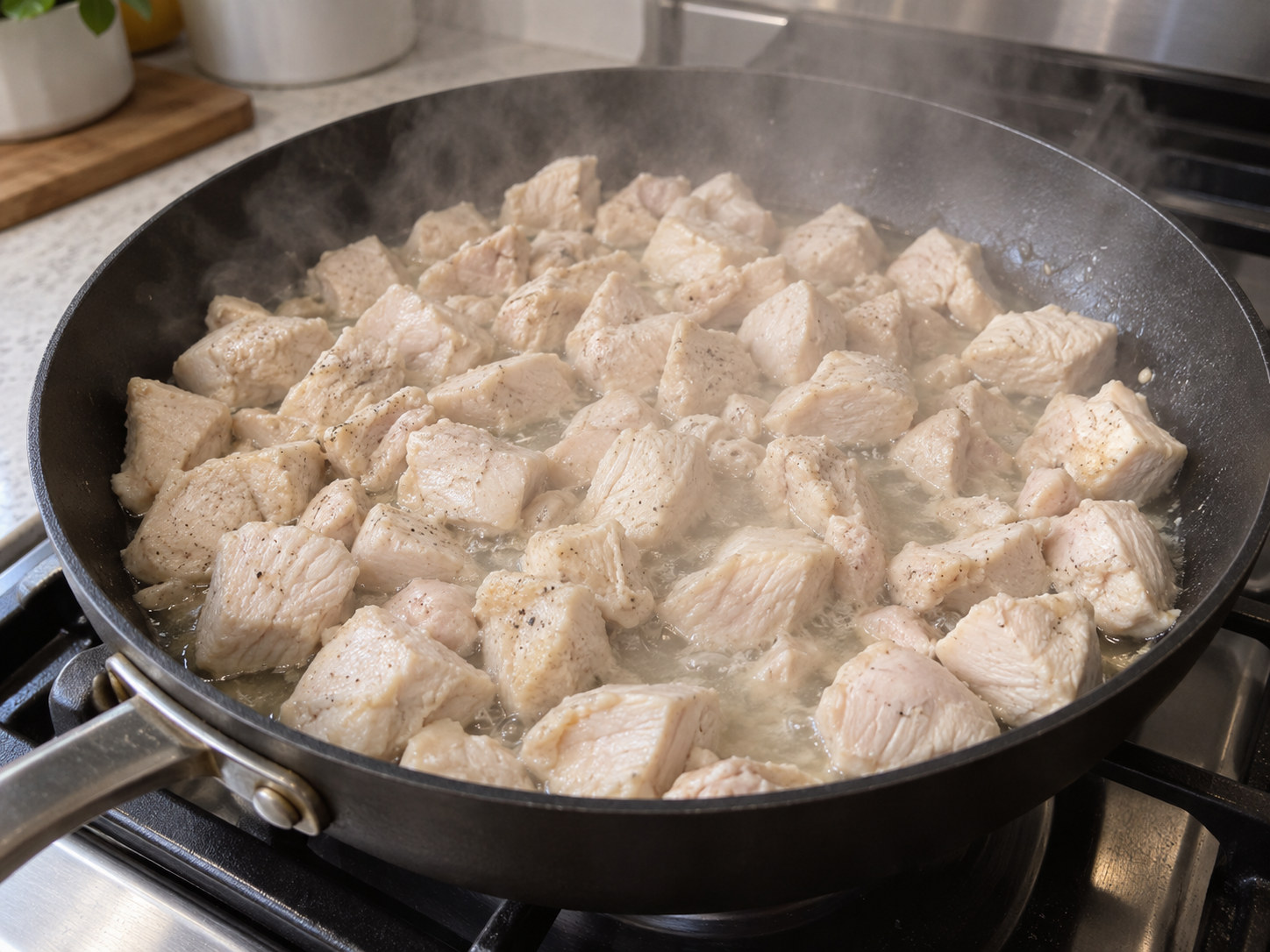 Heat And Method
Learn why crowded pans make food wet and pale, how browning actually happens, and how to rescue a pan that has started steaming.
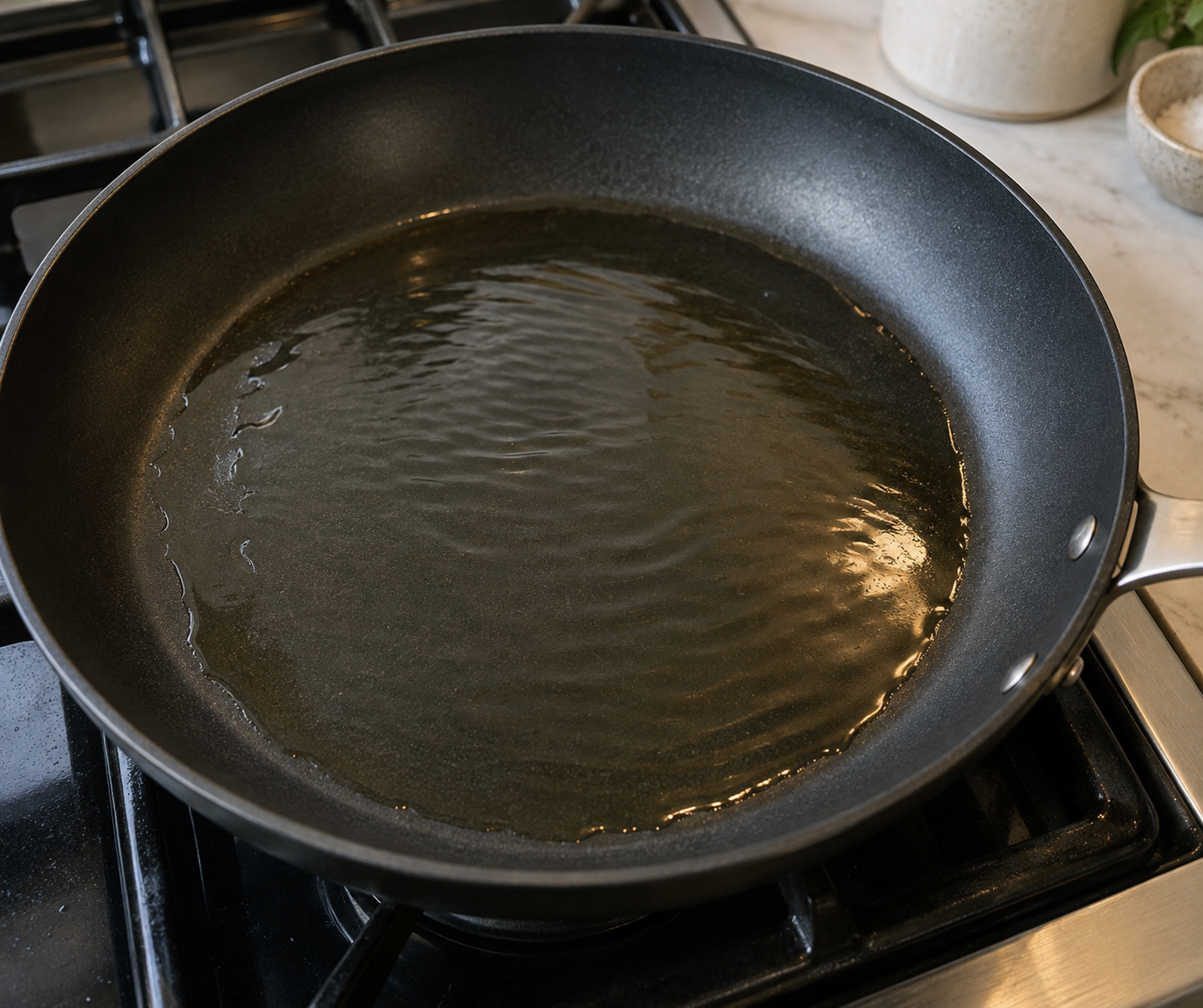 Heat And Method
How to recognise oil that is warming, ready, too hot or smoking, and why beginners should treat smoke as a reset cue.
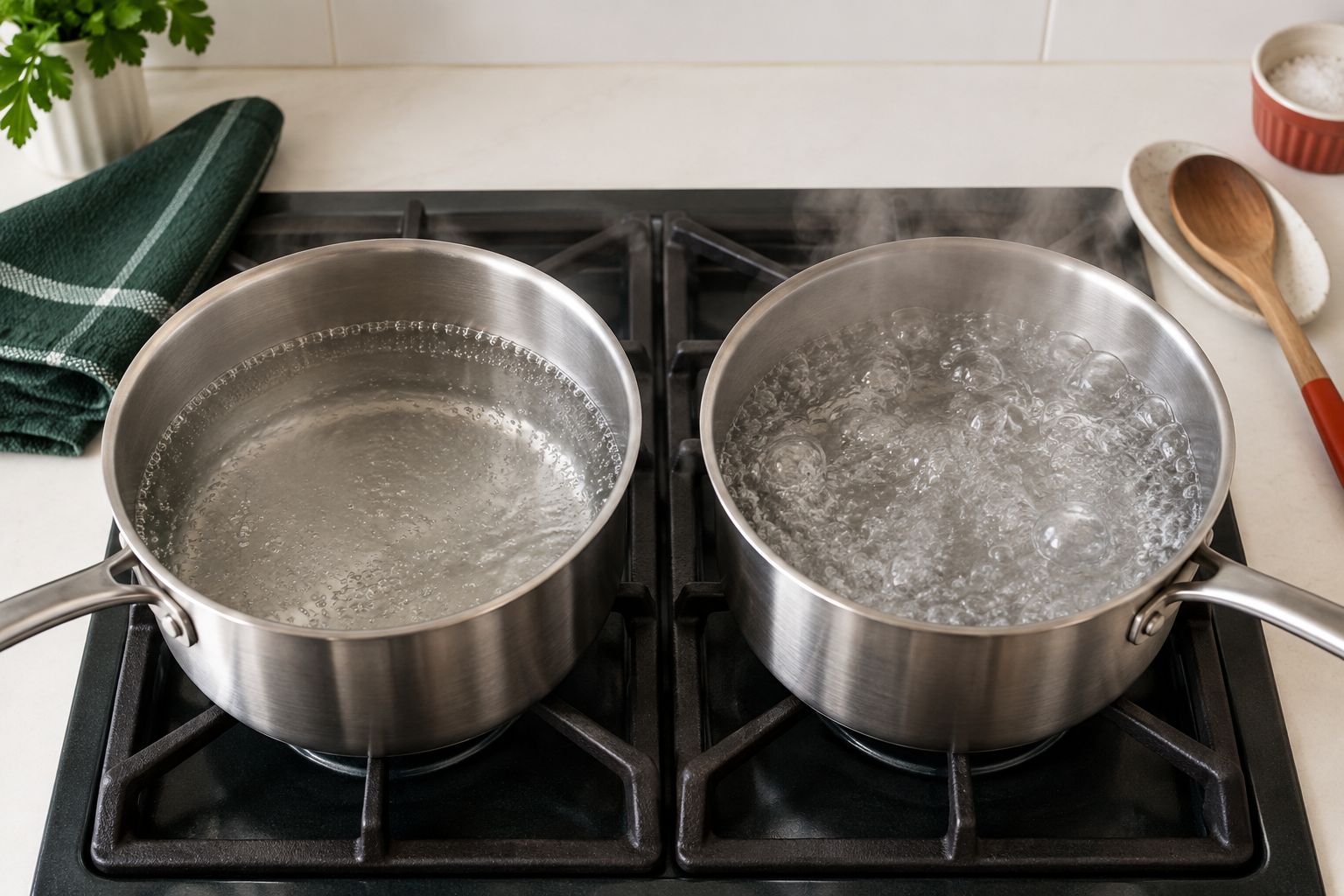 Heat And Method
A complete beginner guide to small bubbles, rolling bubbles, and why gentle cooking often gives you more control.
 Heat And Method
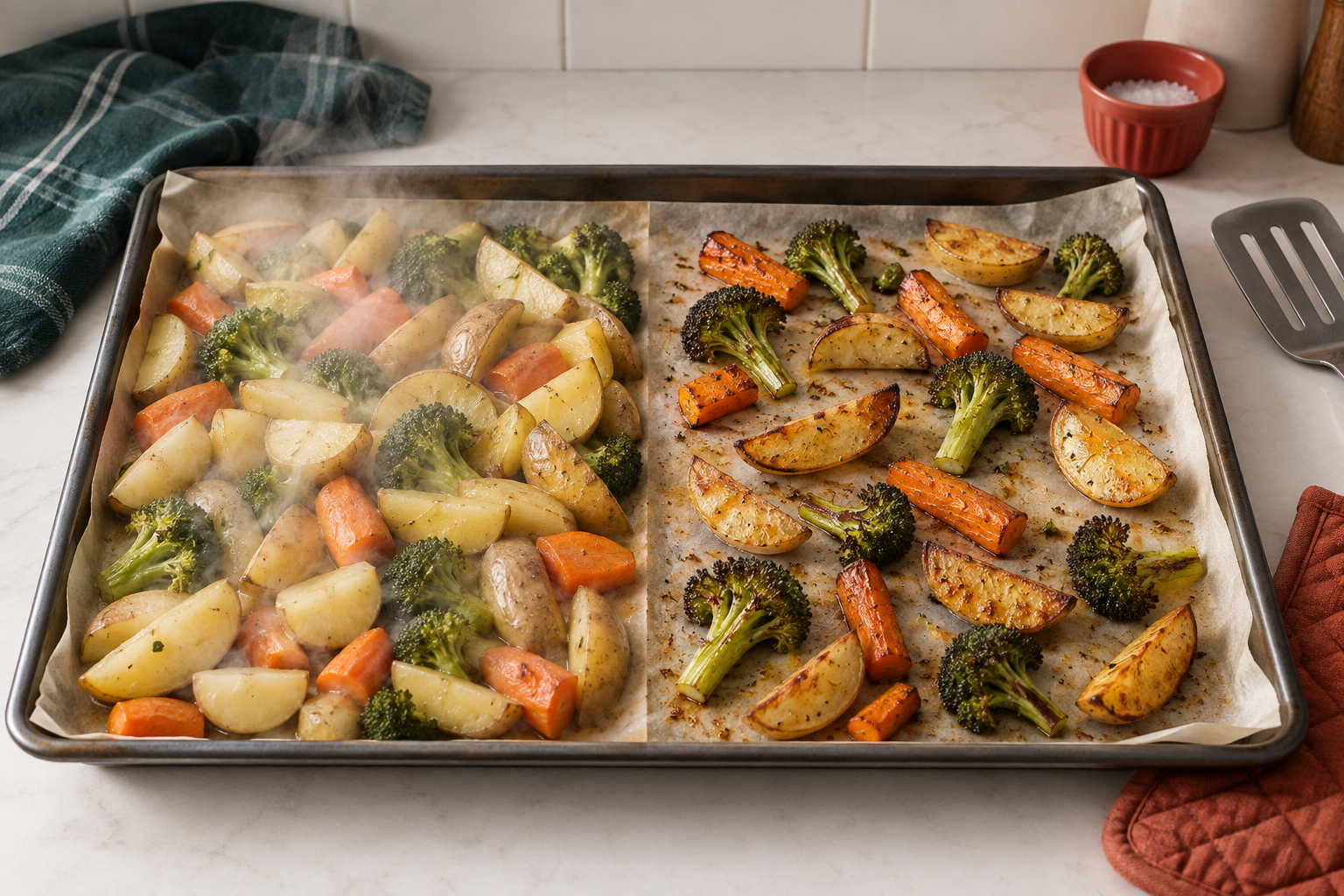
Why crowded trays steam, why space matters in the oven, and how to arrange food for better browning.
 Heat And Method
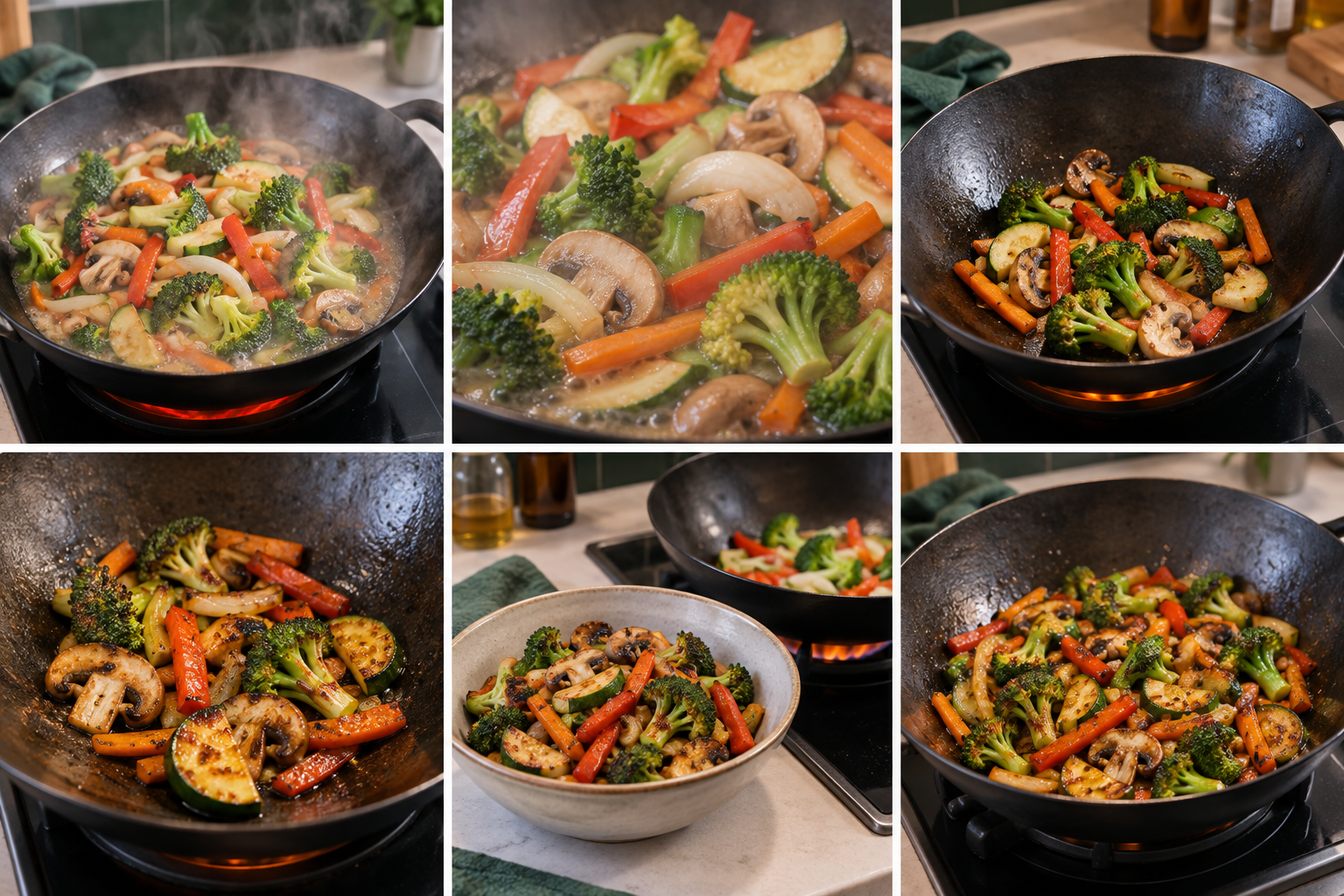
How to use a wok or large pan without overcrowding, cooling the pan and turning stir-fry into steam-fry.
3 guides
Calm setup, safe hands and simple prep skills before speed or fancy cuts matter.
 Knife And Prep
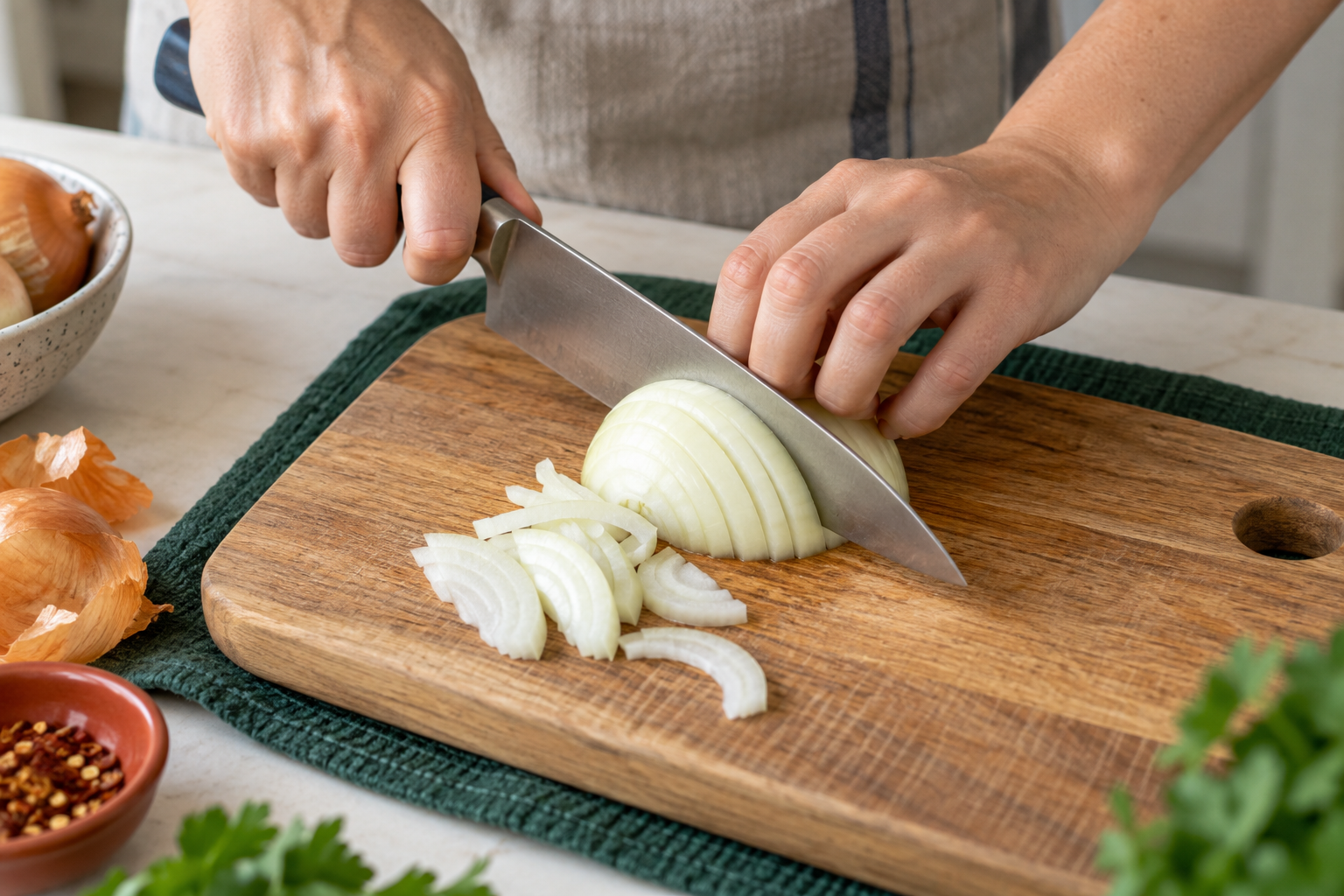
A calm beginner guide to holding food safely, controlling a knife, and cutting slowly without fear or rushing.
 Knife And Prep
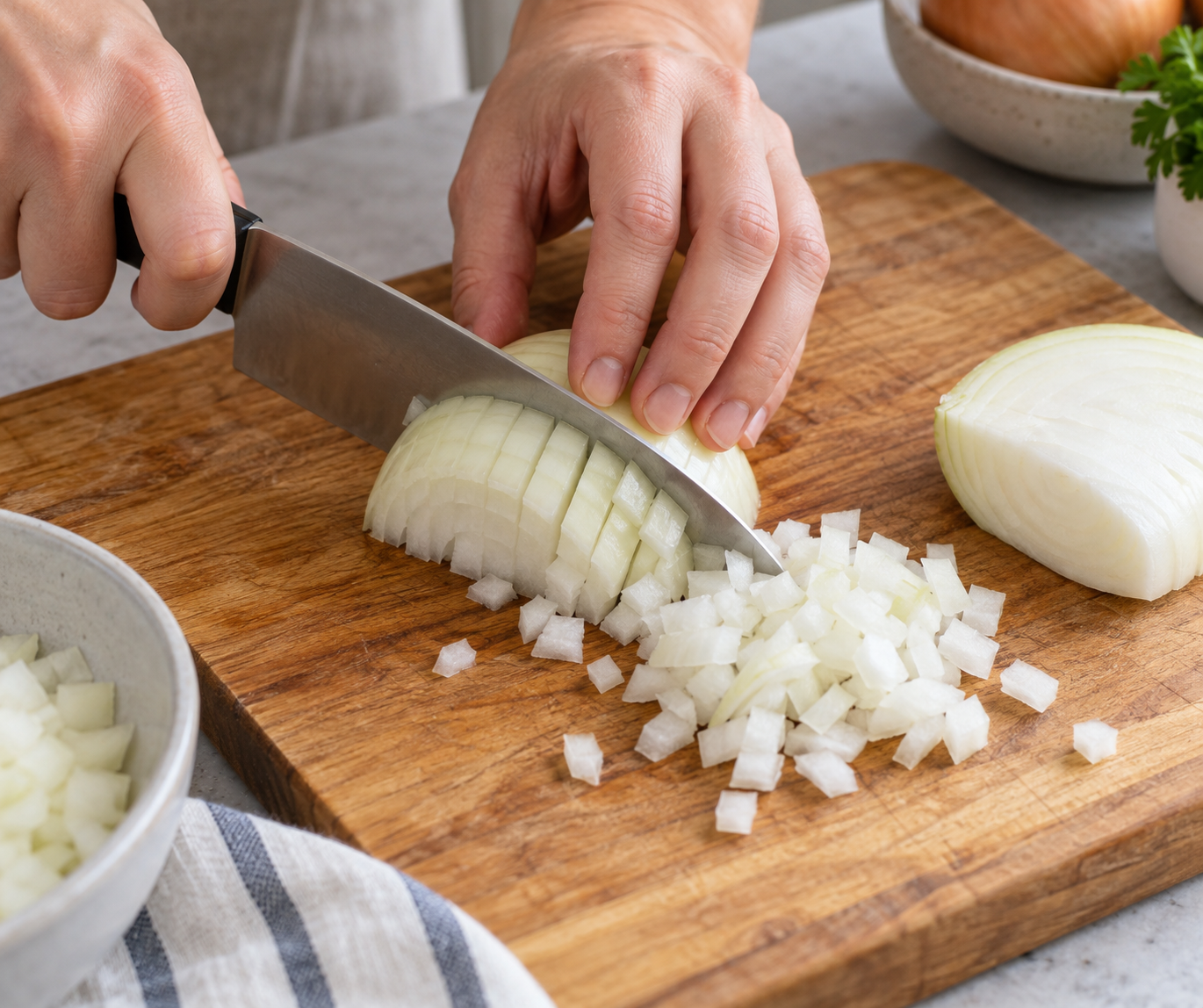
A step-by-step beginner guide to cutting onion pieces that cook evenly, without worrying about chef perfection.
 Knife And Prep
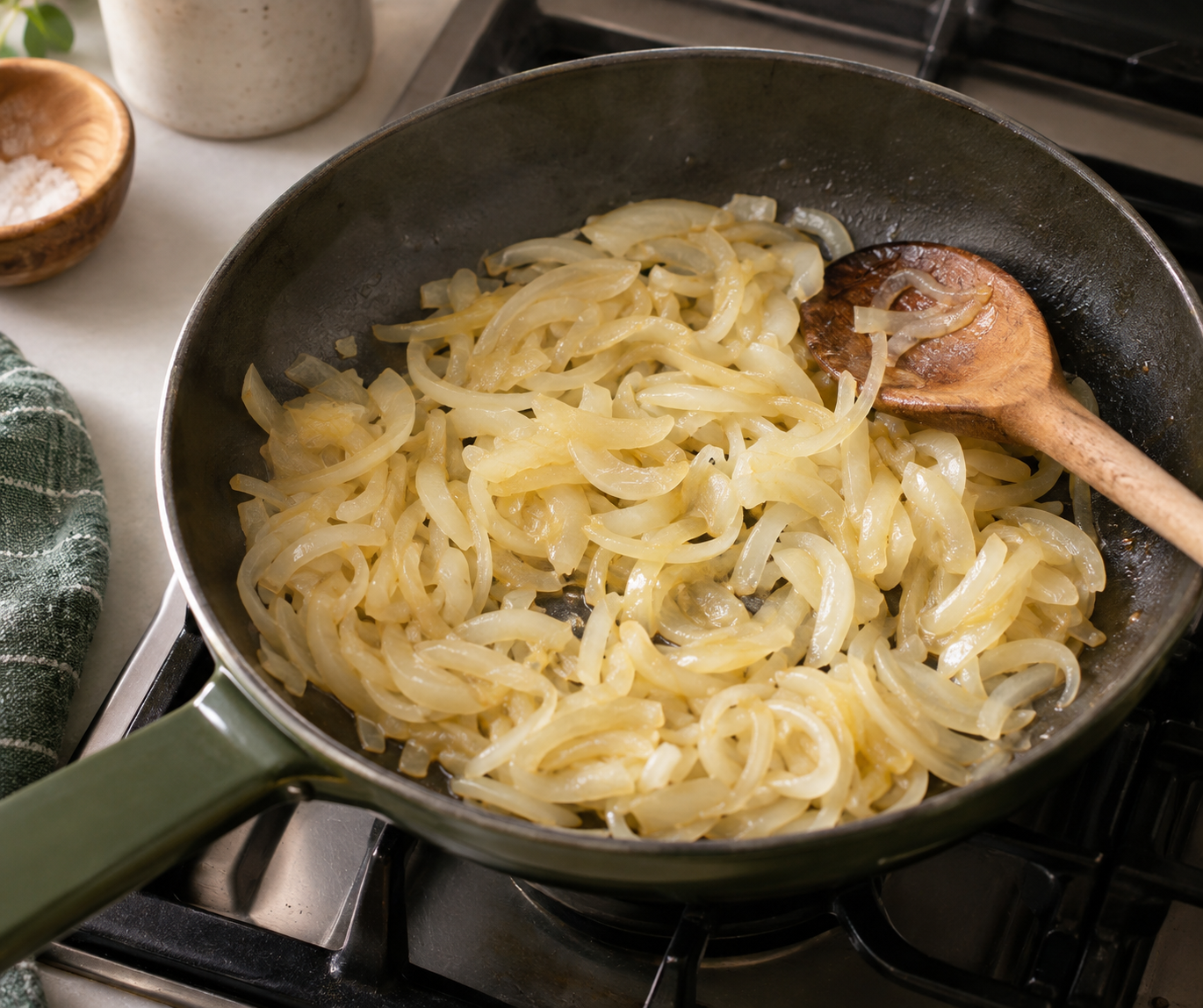
A beginner guide to turning sharp raw onion into soft, sweet onion without rushing the heat or accidentally browning too early.
5 guides
Cheap, visual practice for timing, doneness, heat control and mistake recovery.
 Eggs
Eggs
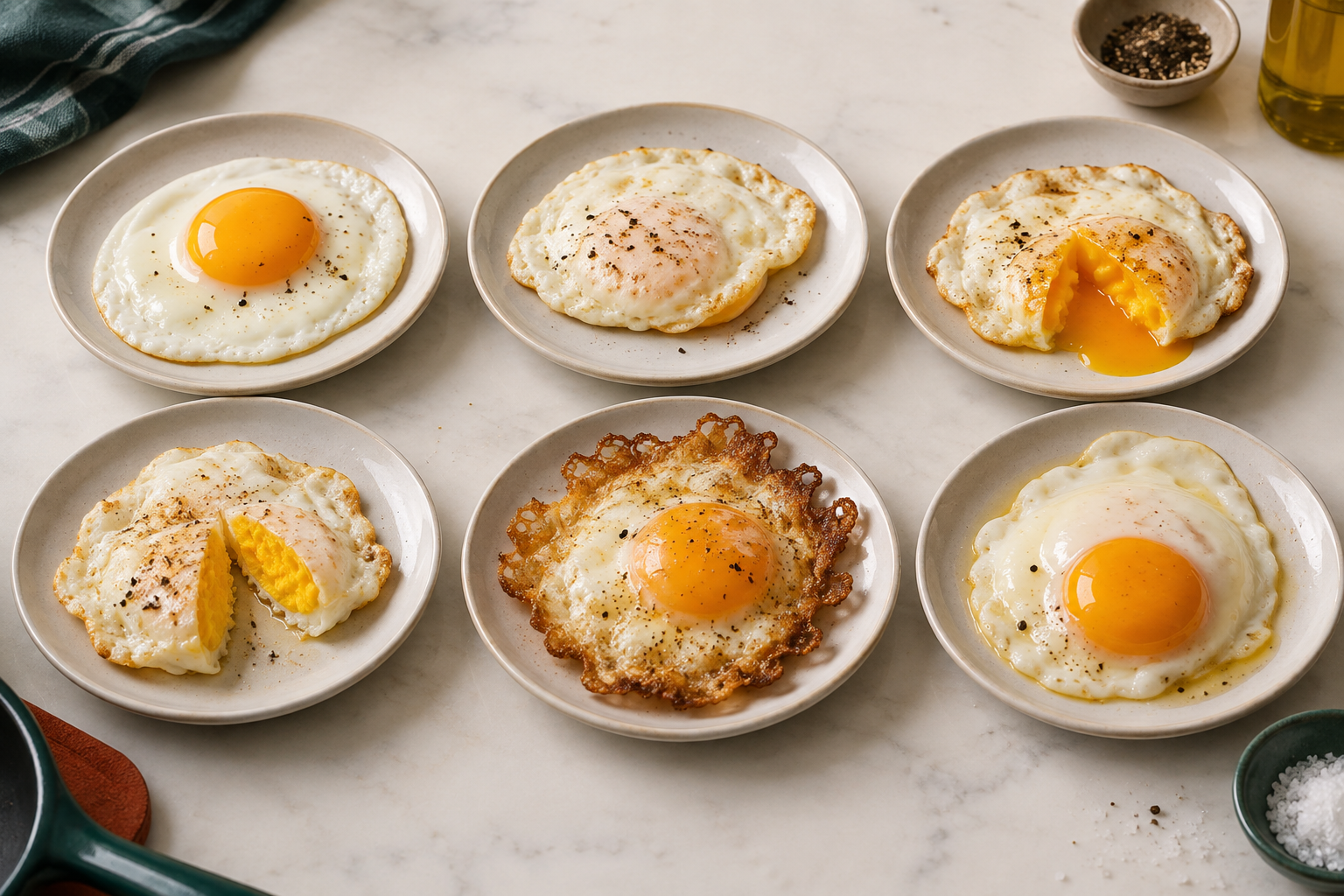
Sunny side up, over easy, over medium, over hard, crispy-edge and basted fried eggs explained for complete beginners.
 Eggs
Eggs
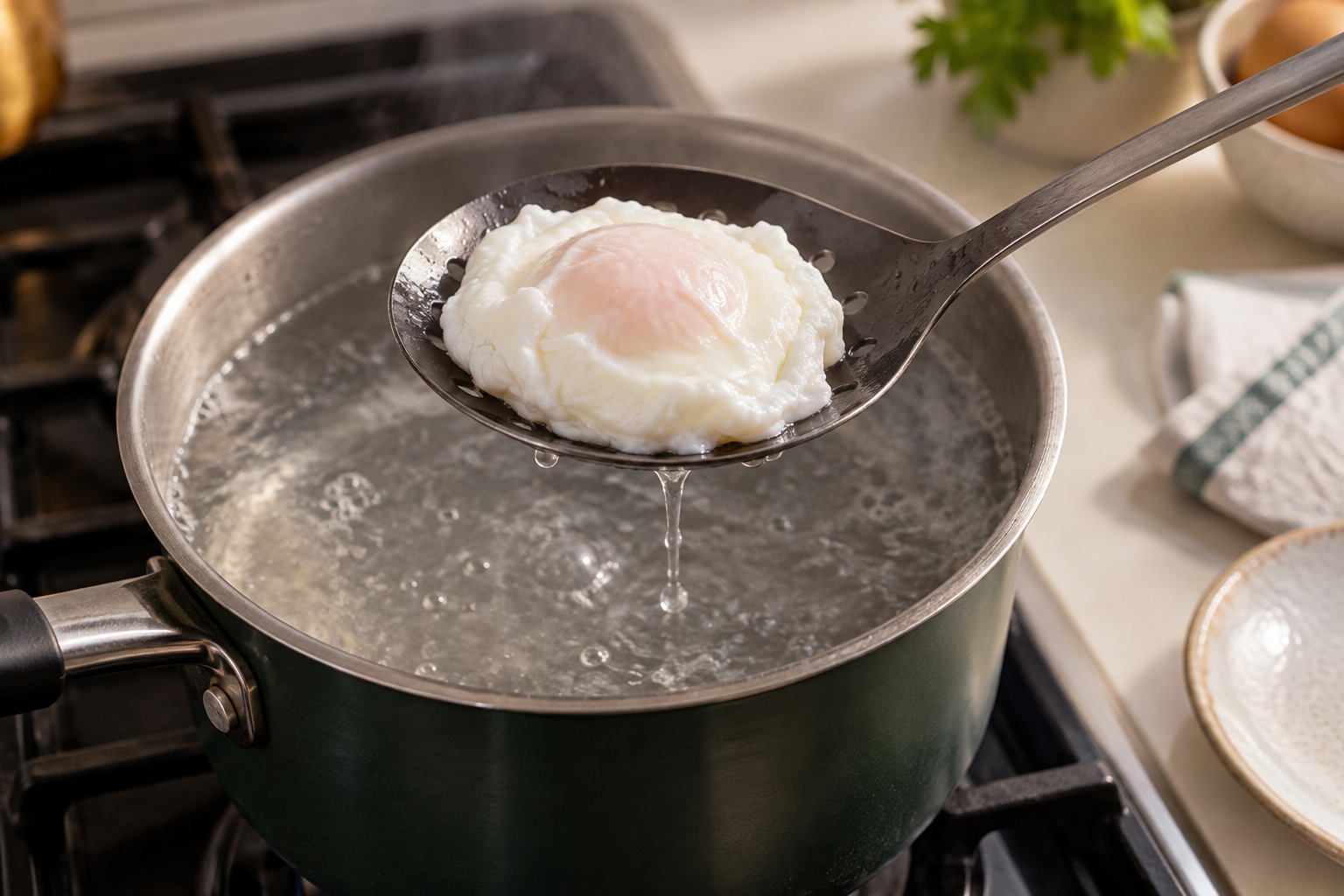
A beginner guide to gentle water, gathered whites, draining, and what to do when a poached egg looks messy.
 Eggs
Eggs
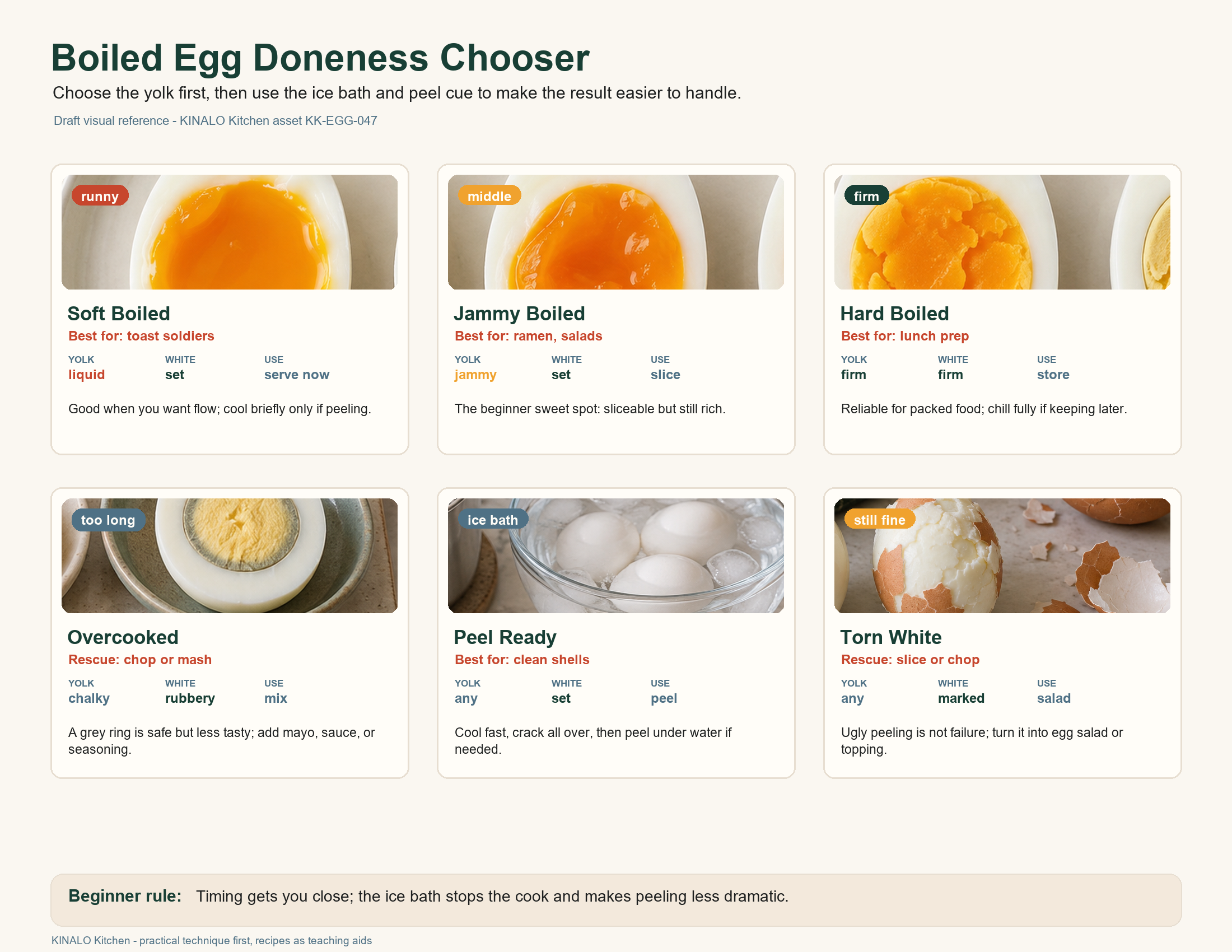
A complete beginner guide to boiled egg textures, cooling, peeling and what overcooked eggs look like.
 Eggs
Eggs
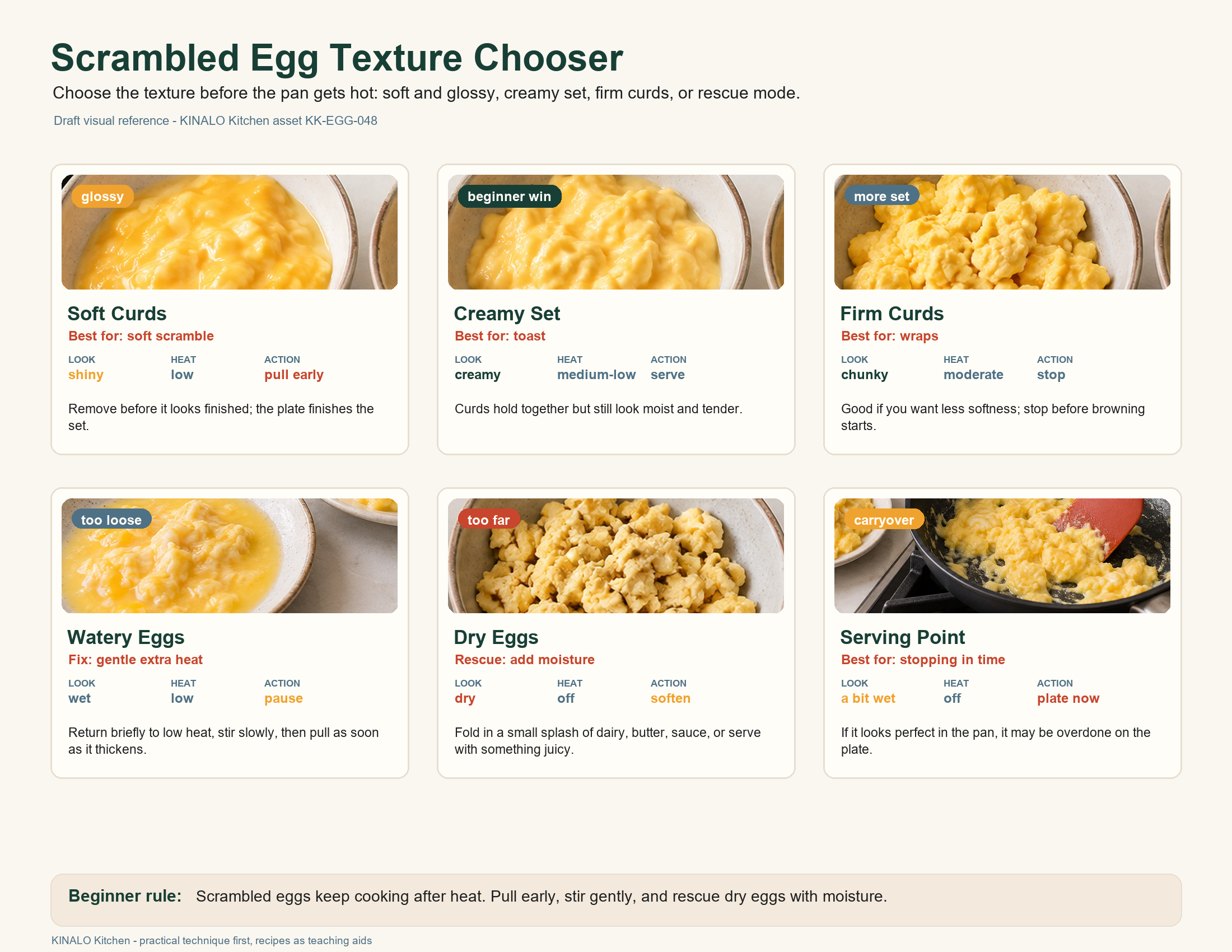
Learn what scrambled eggs look like as they set, why low heat helps, and how to avoid dry rubbery curds.
 Eggs
Eggs
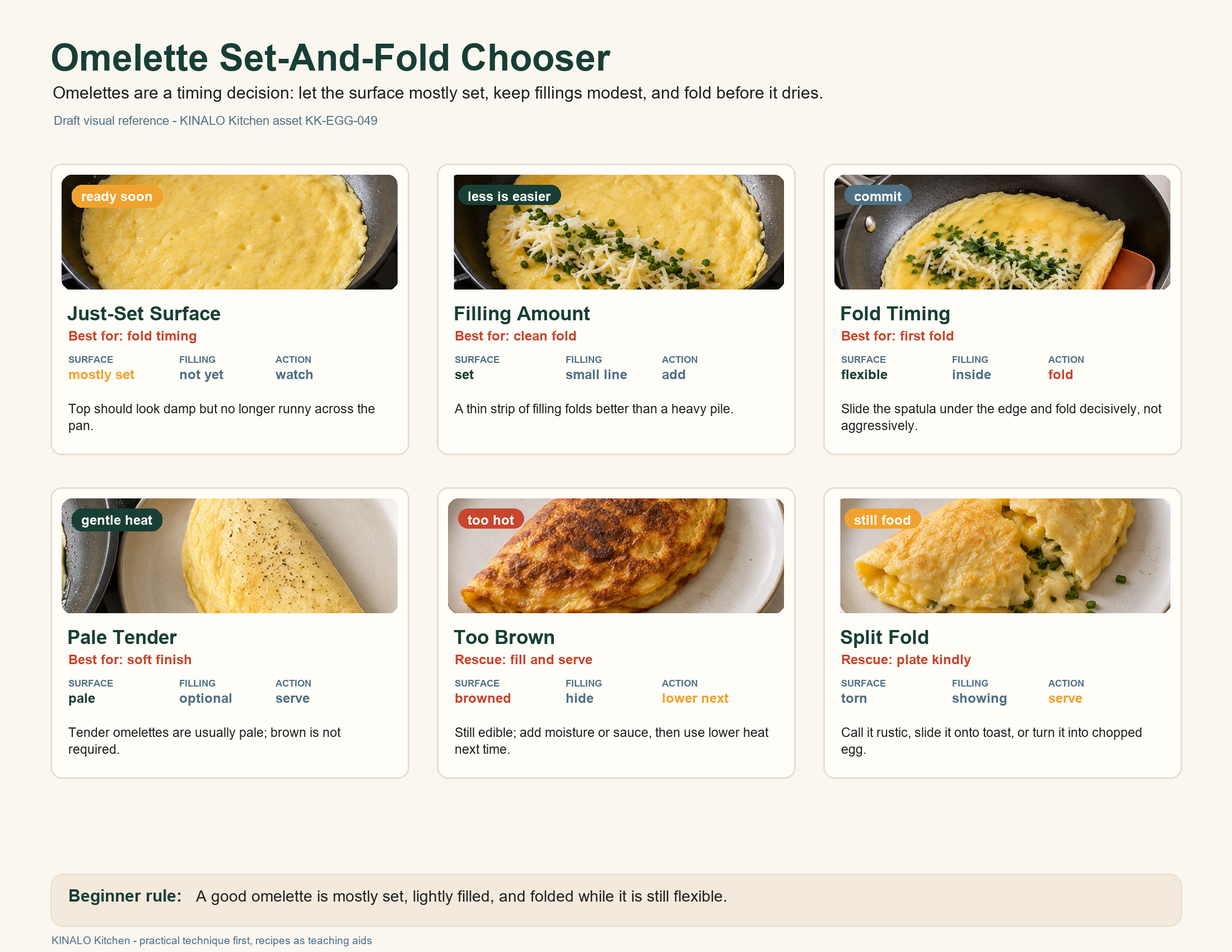
A beginner guide to omelette surface cues, filling amounts, folding and what to do if it tears.
6 guides
Texture, timing, water, storage and serving decisions for everyday staples.
 Pasta And Rice
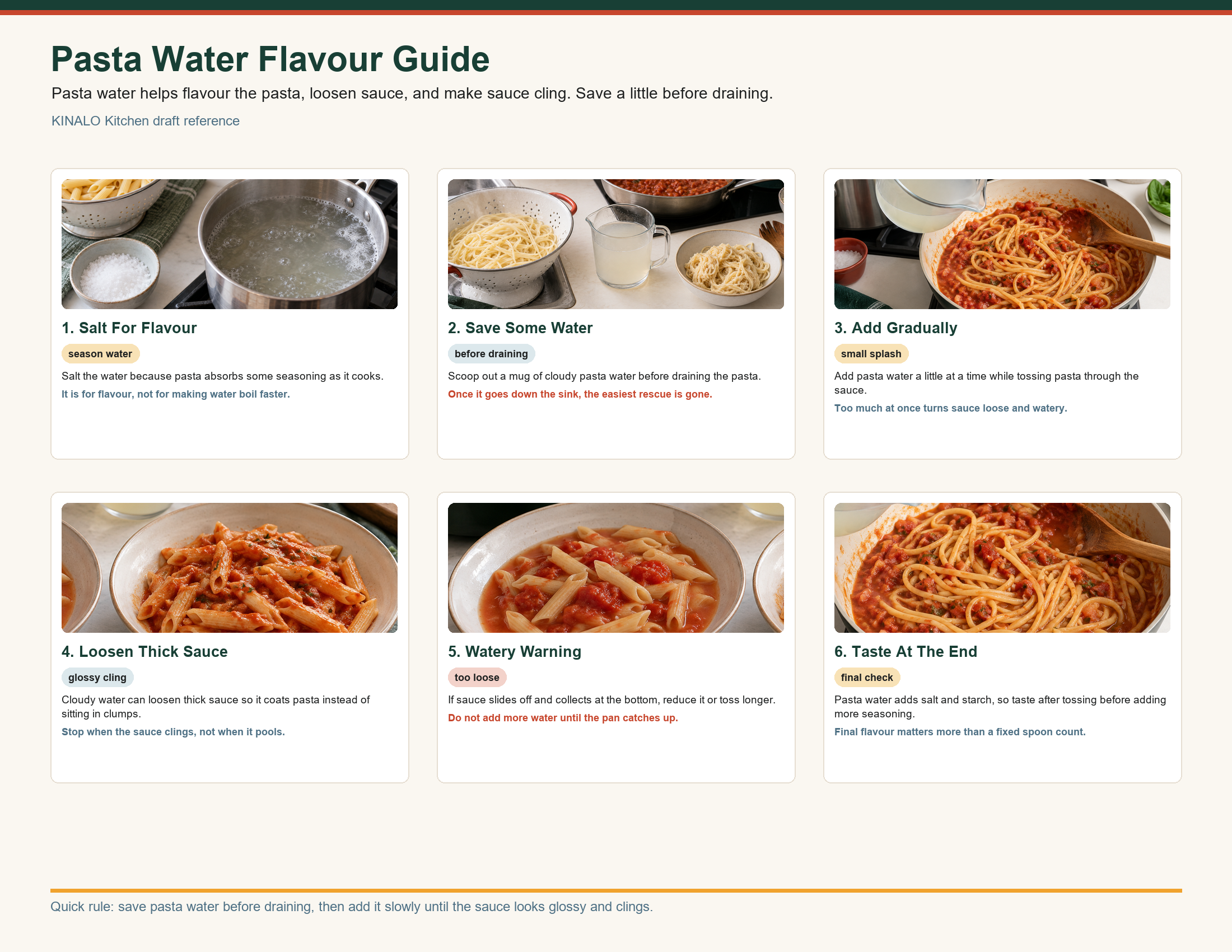
Why salty pasta water matters, why you save some before draining, and how to make sauce cling instead of slide off.
 Pasta And Rice
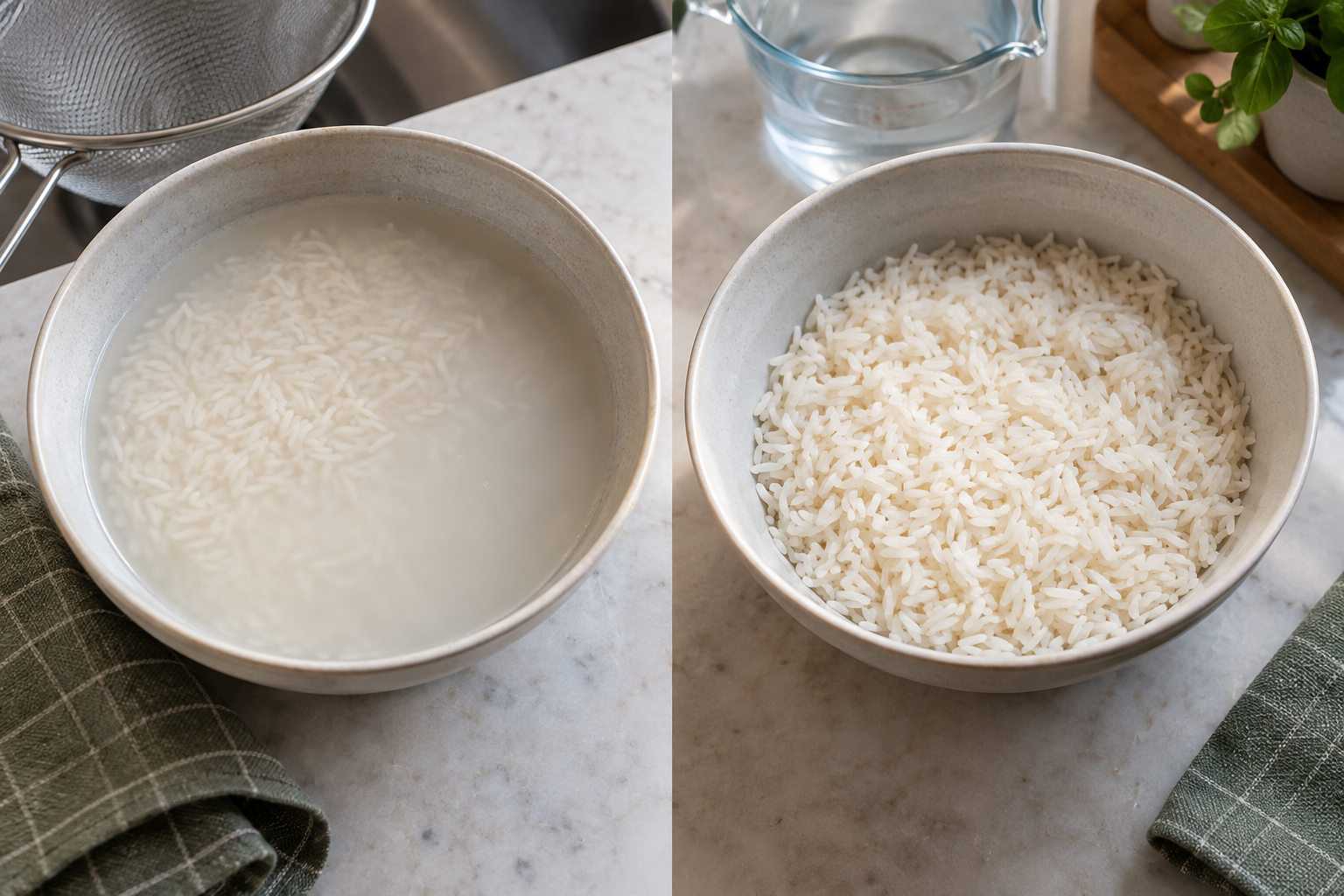
A beginner guide to fluffy, wet, mushy and undercooked rice, with practical rescue options.
 Pasta And Rice
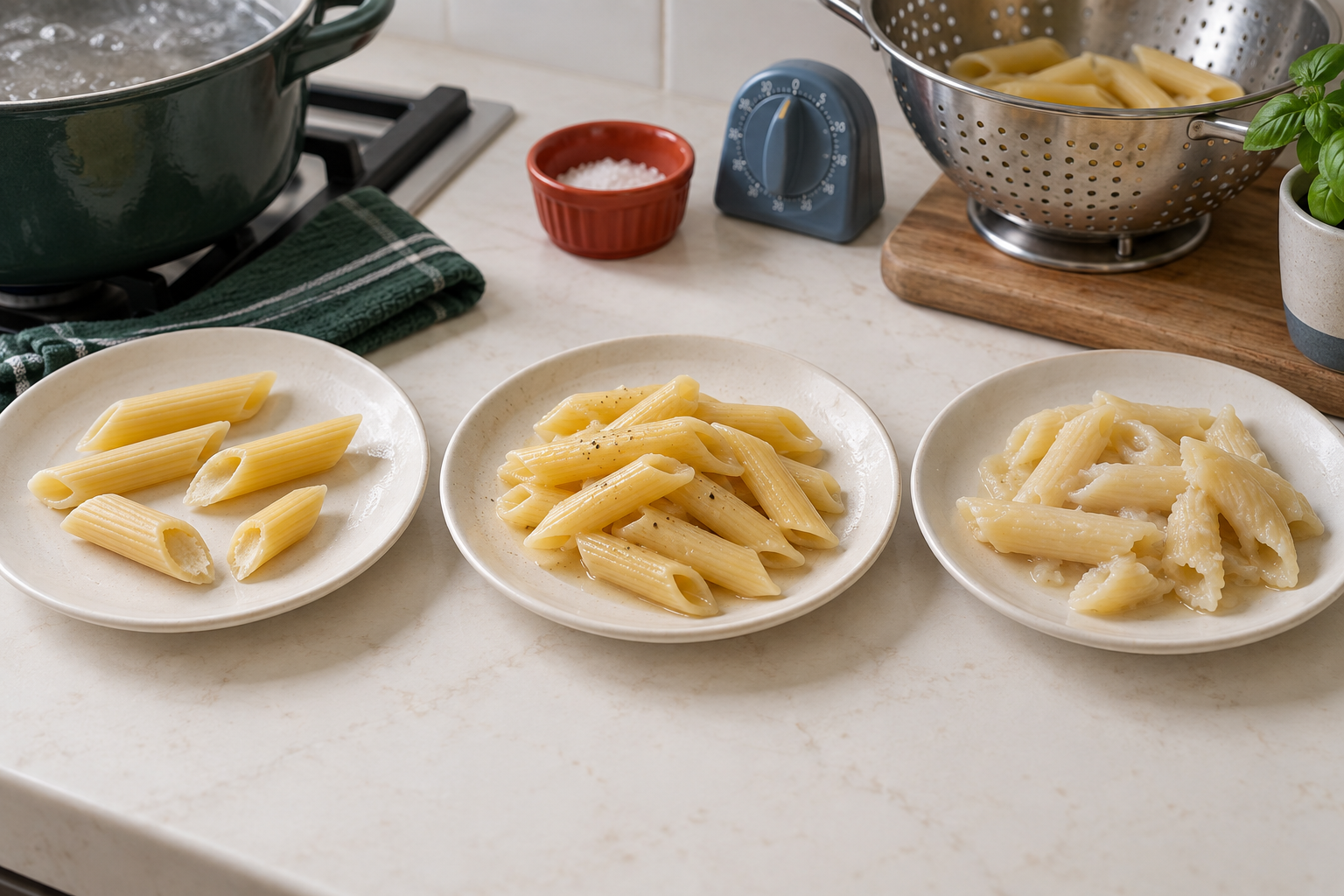
A beginner guide to undercooked, just-right and overcooked pasta, and why the best timer is still your mouth.
 Pasta And Rice
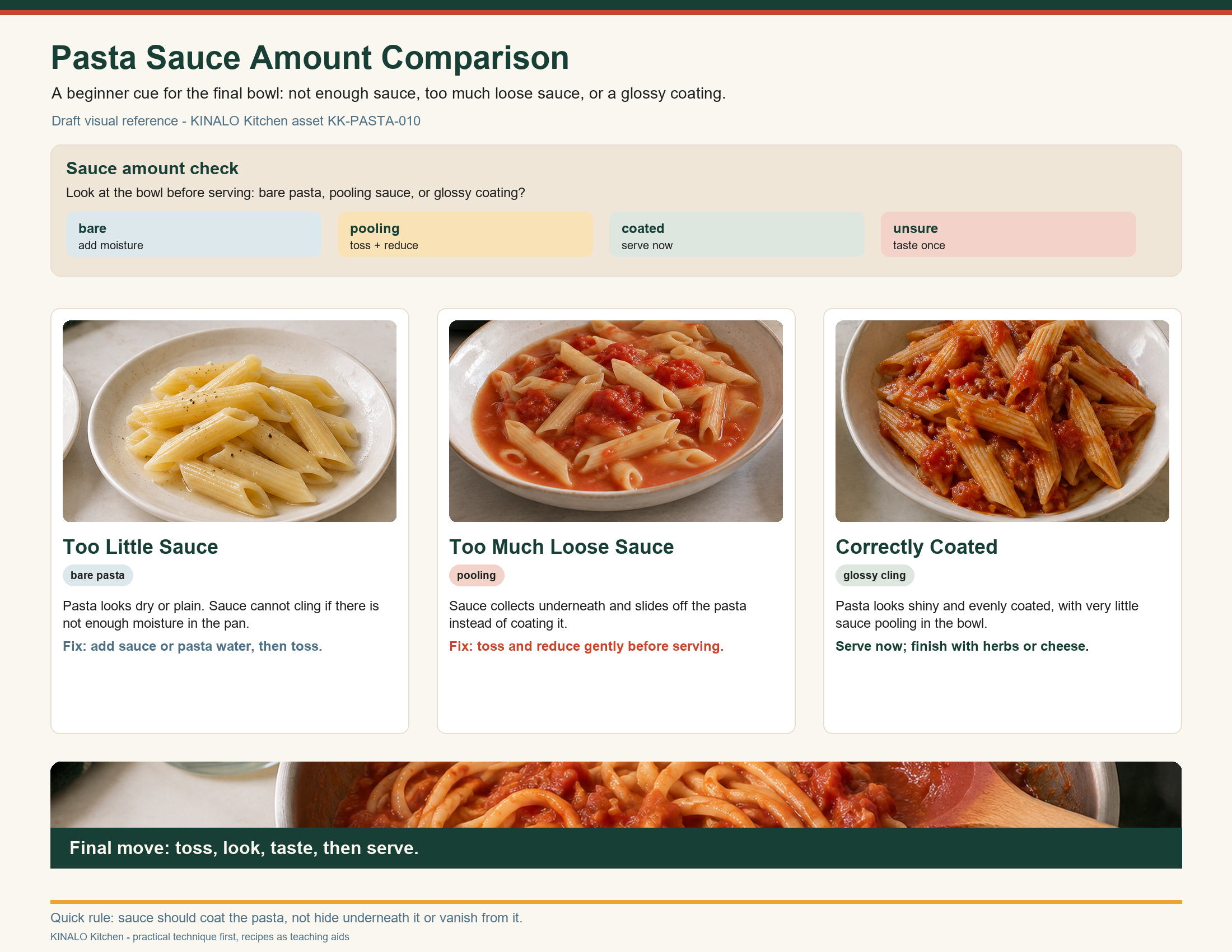
How much sauce pasta needs, why finishing in the pan helps, and how to avoid dry piles or sauce puddles.
 Pasta And Rice
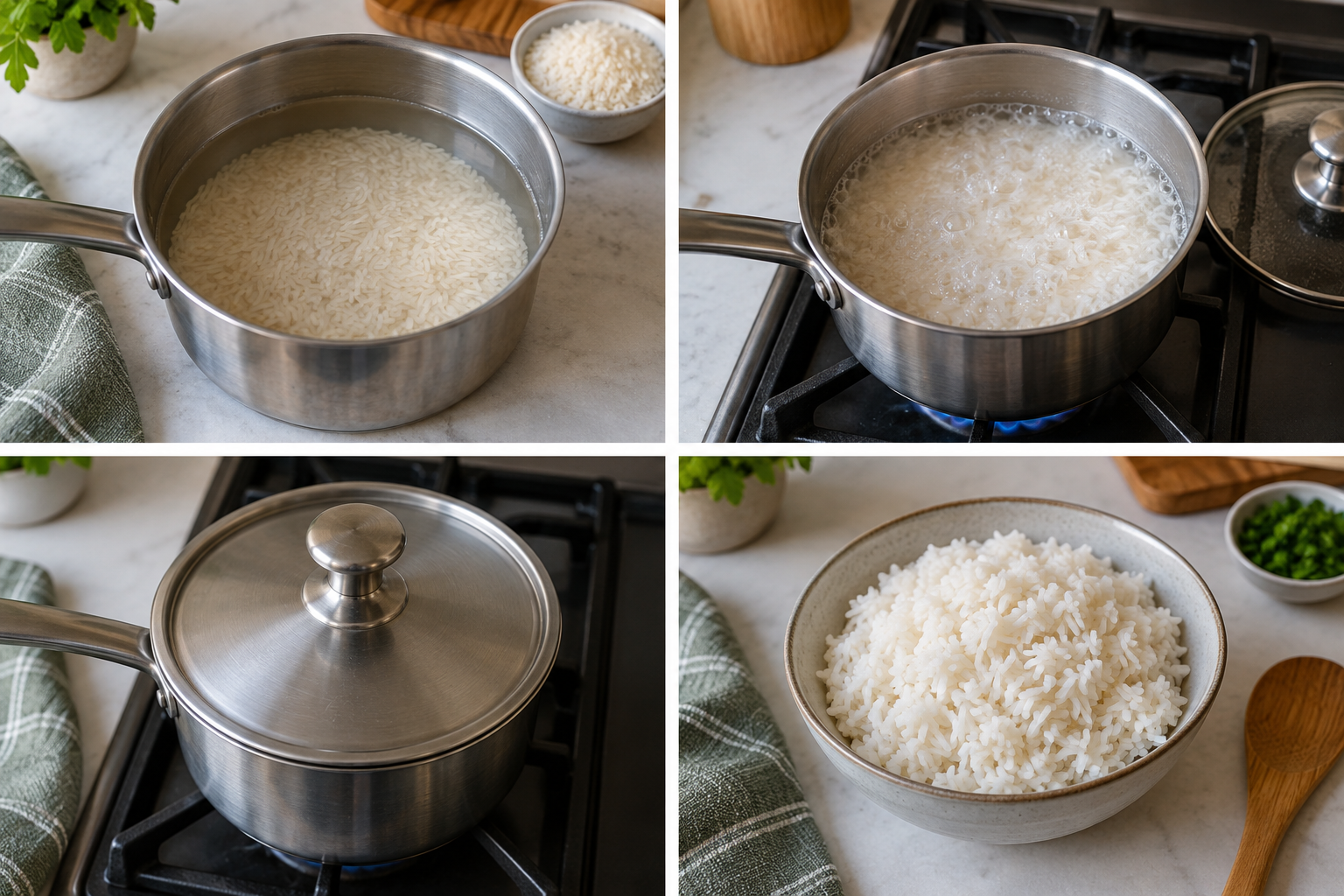
A beginner explanation of how rice absorbs water, why resting matters, and what to do when the pan looks too wet or too dry.
 Pasta And Rice
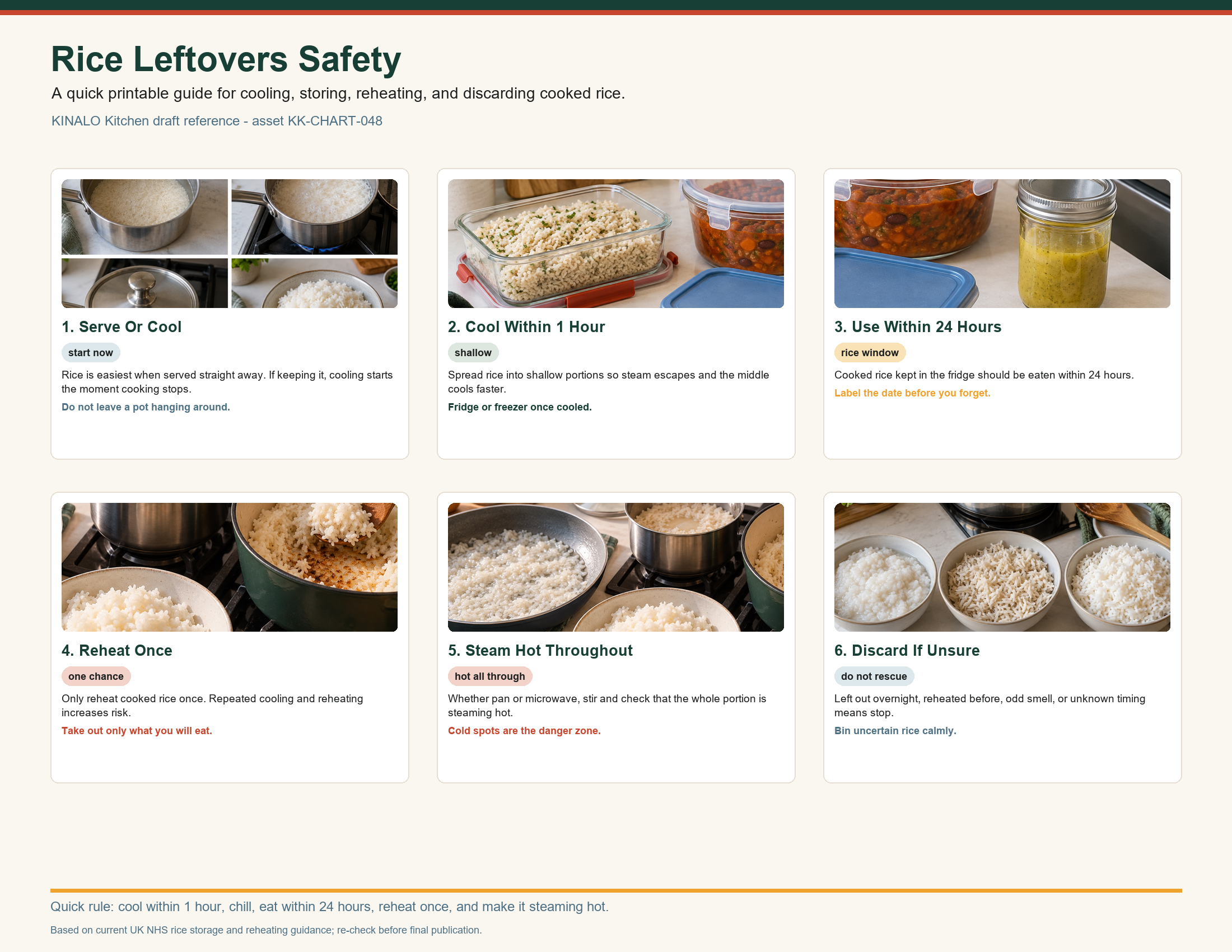
A beginner guide to cooling, storing and reheating rice with a cautious source-checked approach.
6 guides
Salt, acid, fat, herbs, spices, condiments and tasting habits explained slowly.
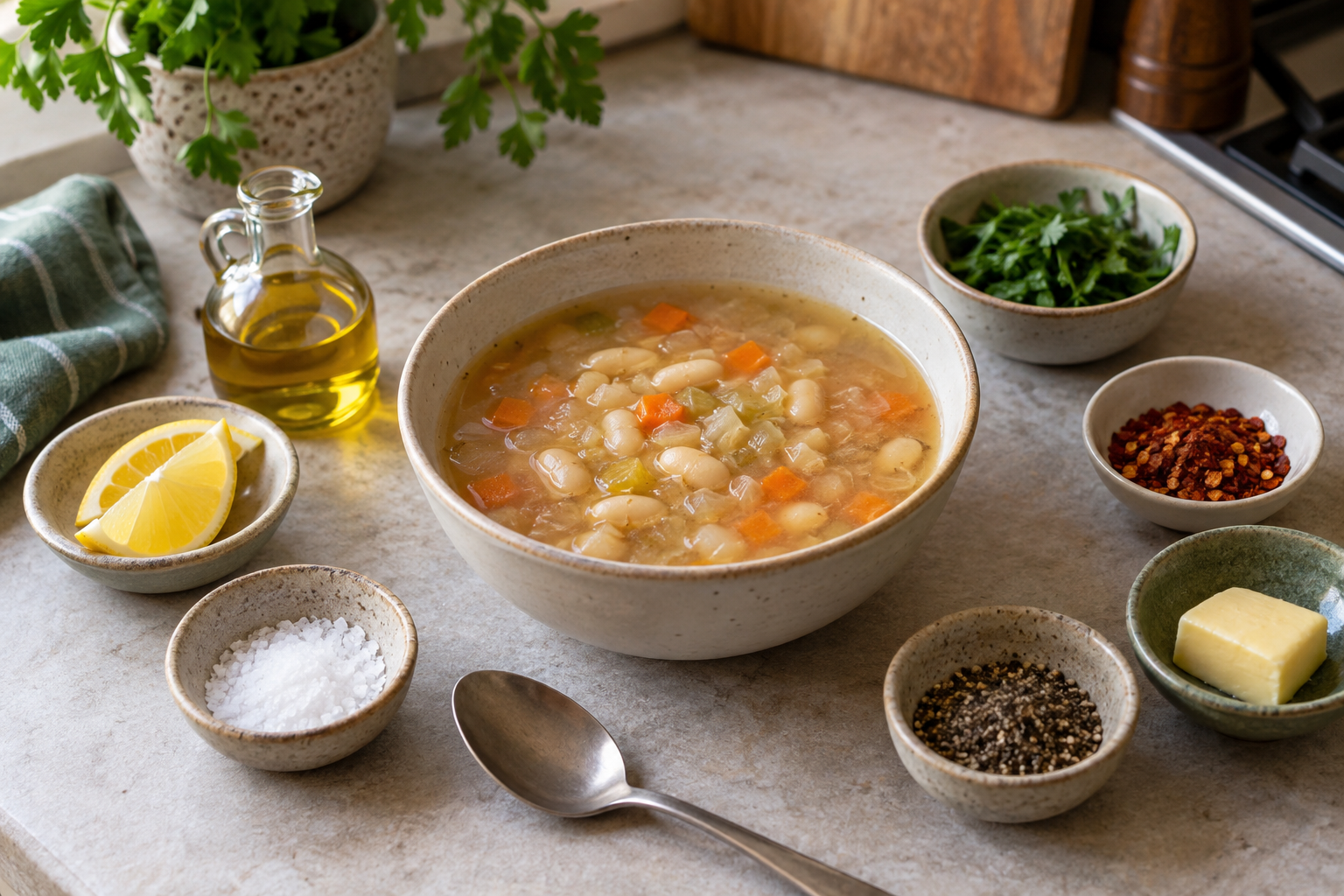 Flavour
How to taste food, name what is missing, and adjust with salt, acid, fat, heat, herbs or sweetness one step at a time.
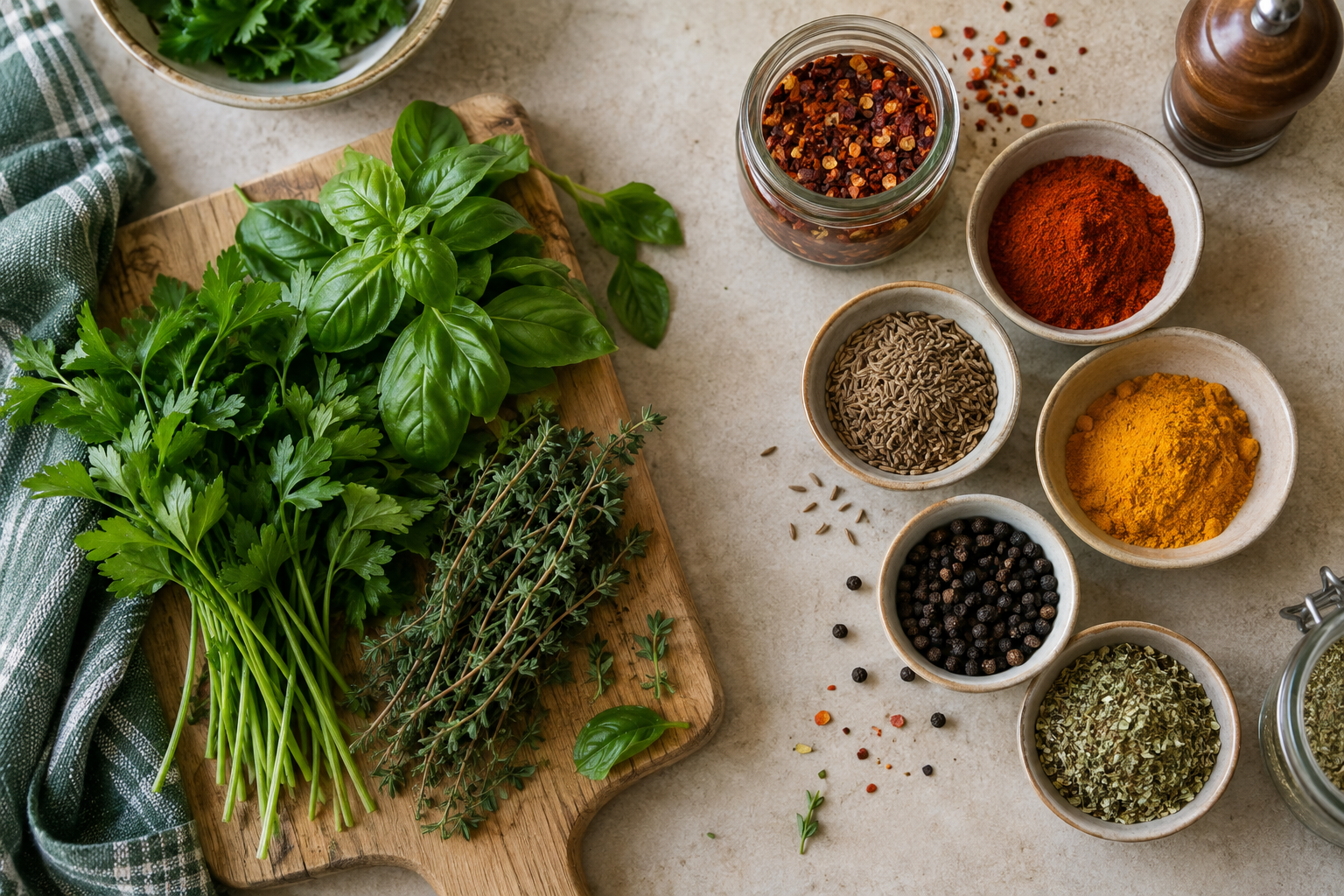 Flavour
A beginner explanation of herbs, spices, dried seasonings, fresh finishes and why timing changes how flavour tastes.
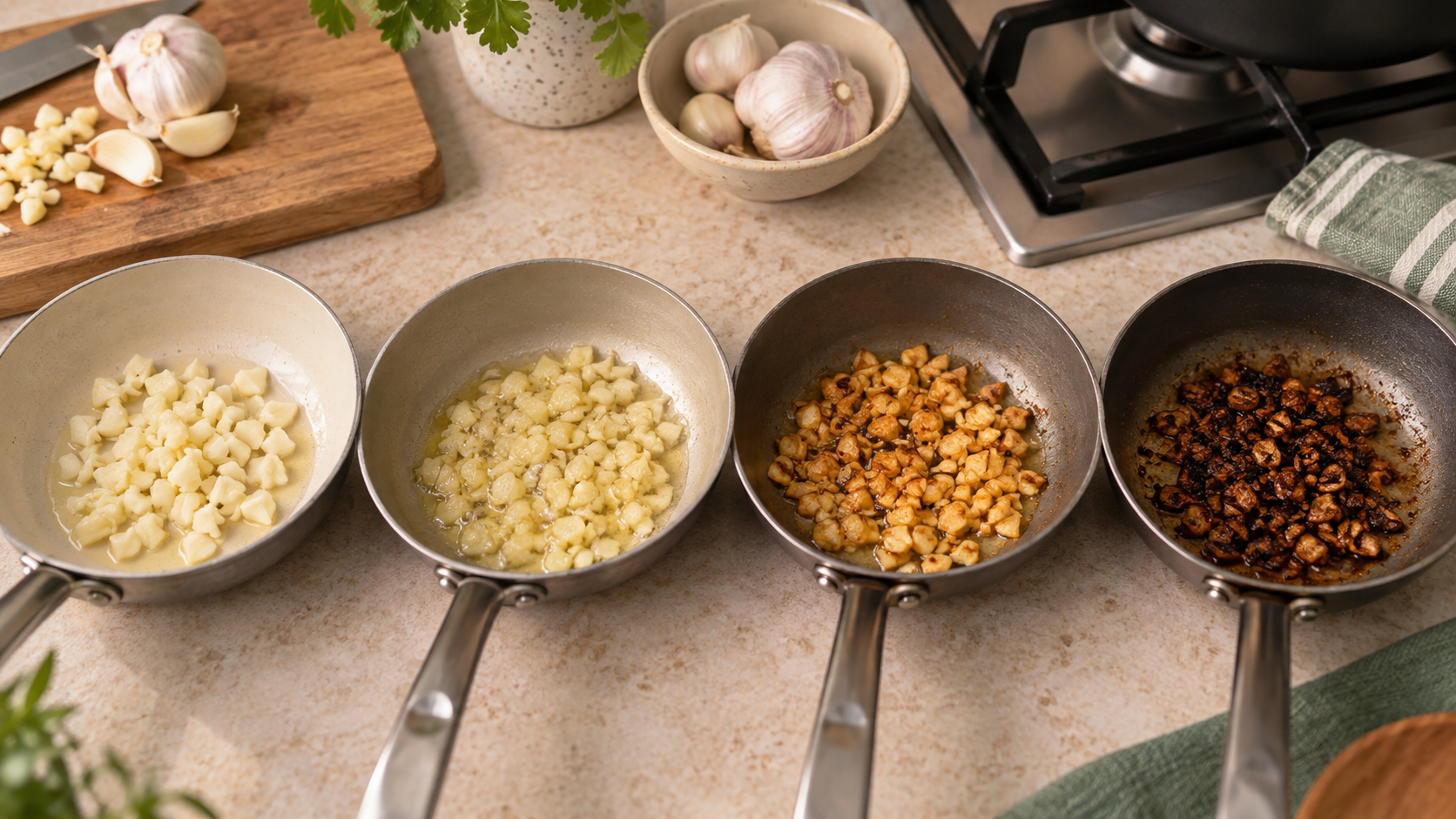 Flavour
A beginner guide to cooking garlic gently, recognising the smell and colour changes, and stopping before bitterness takes over.
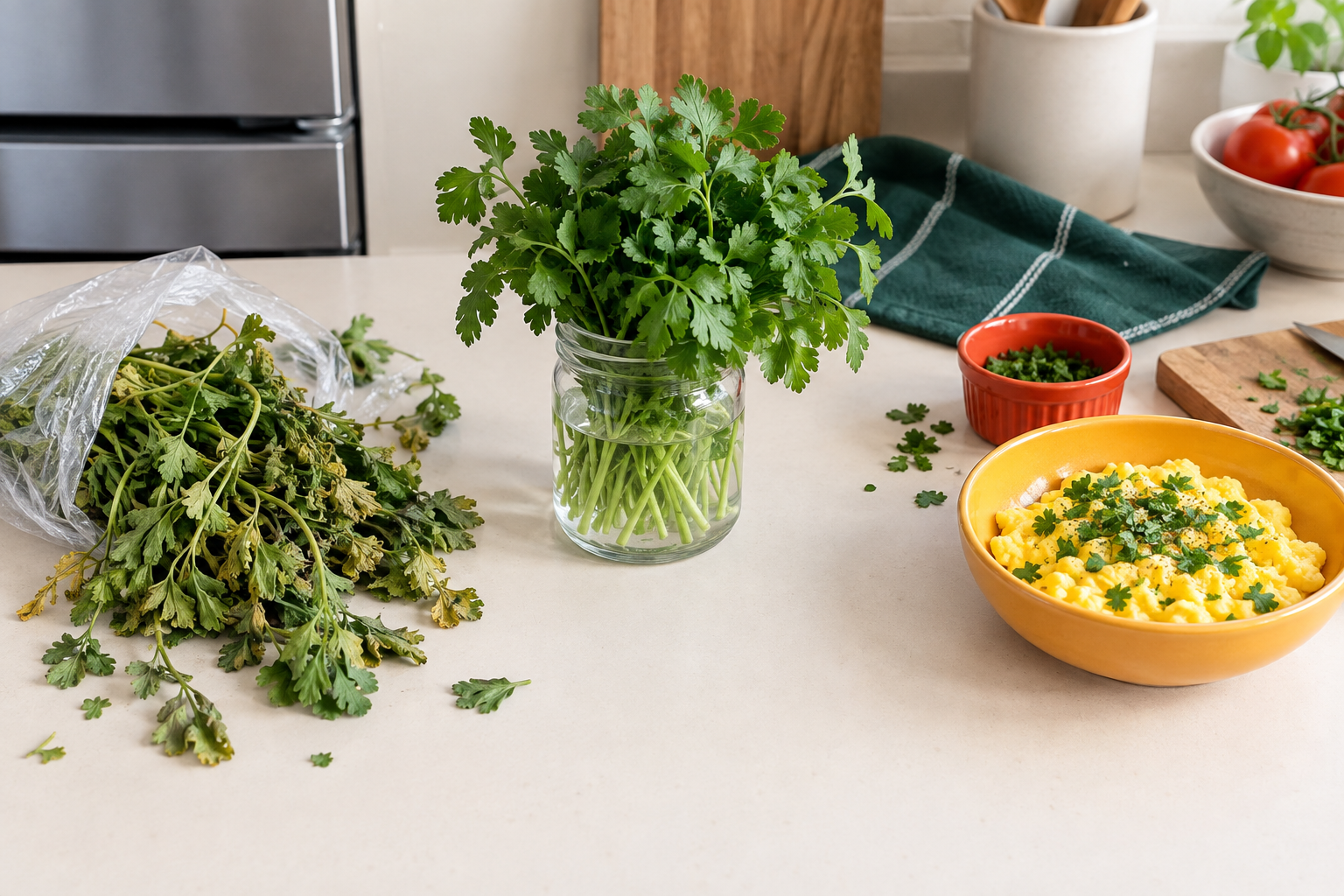 Flavour
How to keep herbs useful for longer, when to add them, and how to use a bunch before it turns sad in the fridge.
 Flavour
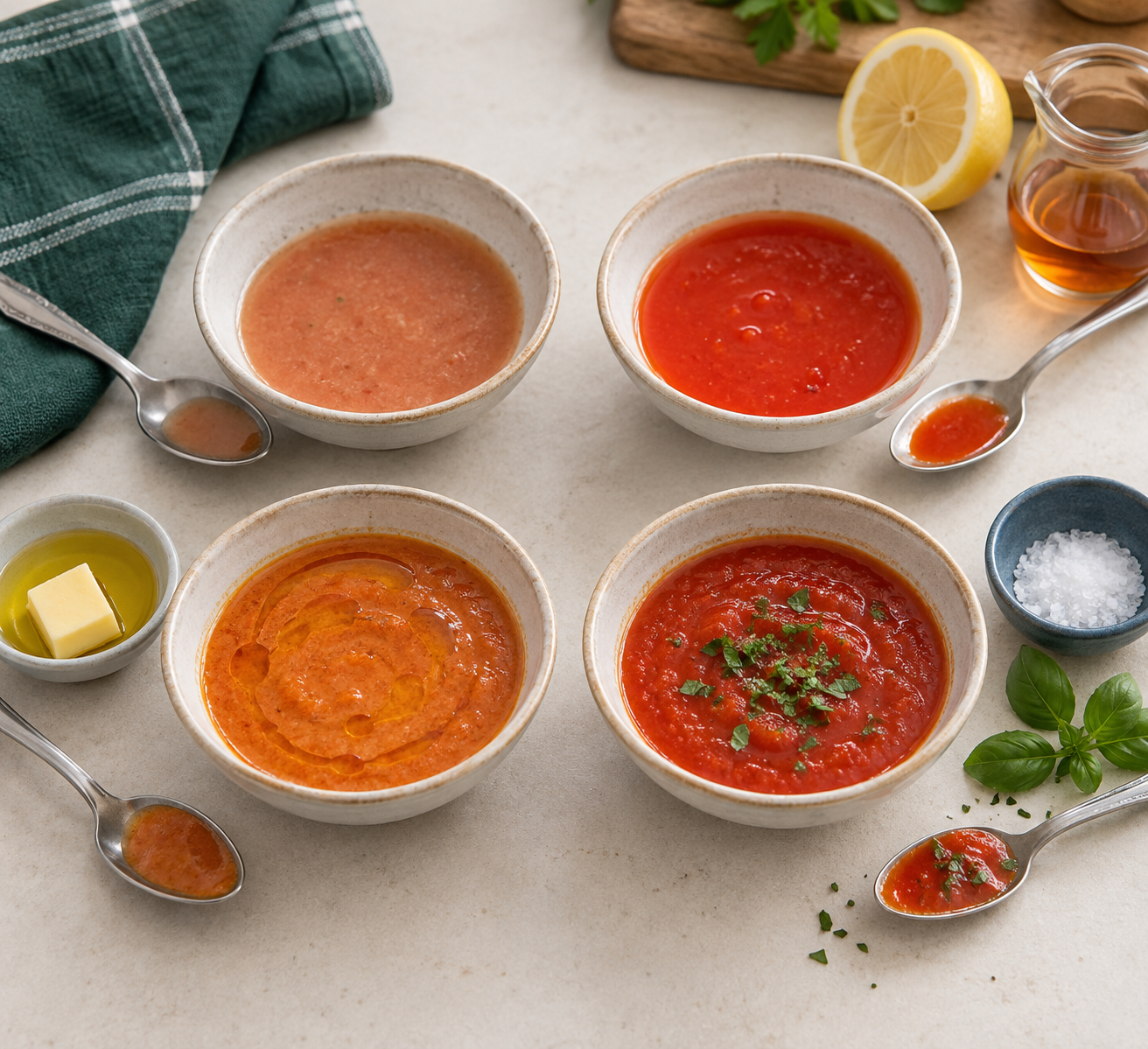
A beginner guide to why food tastes flat, heavy or sharp, and how acid, fat and salt change a bite.
 Flavour
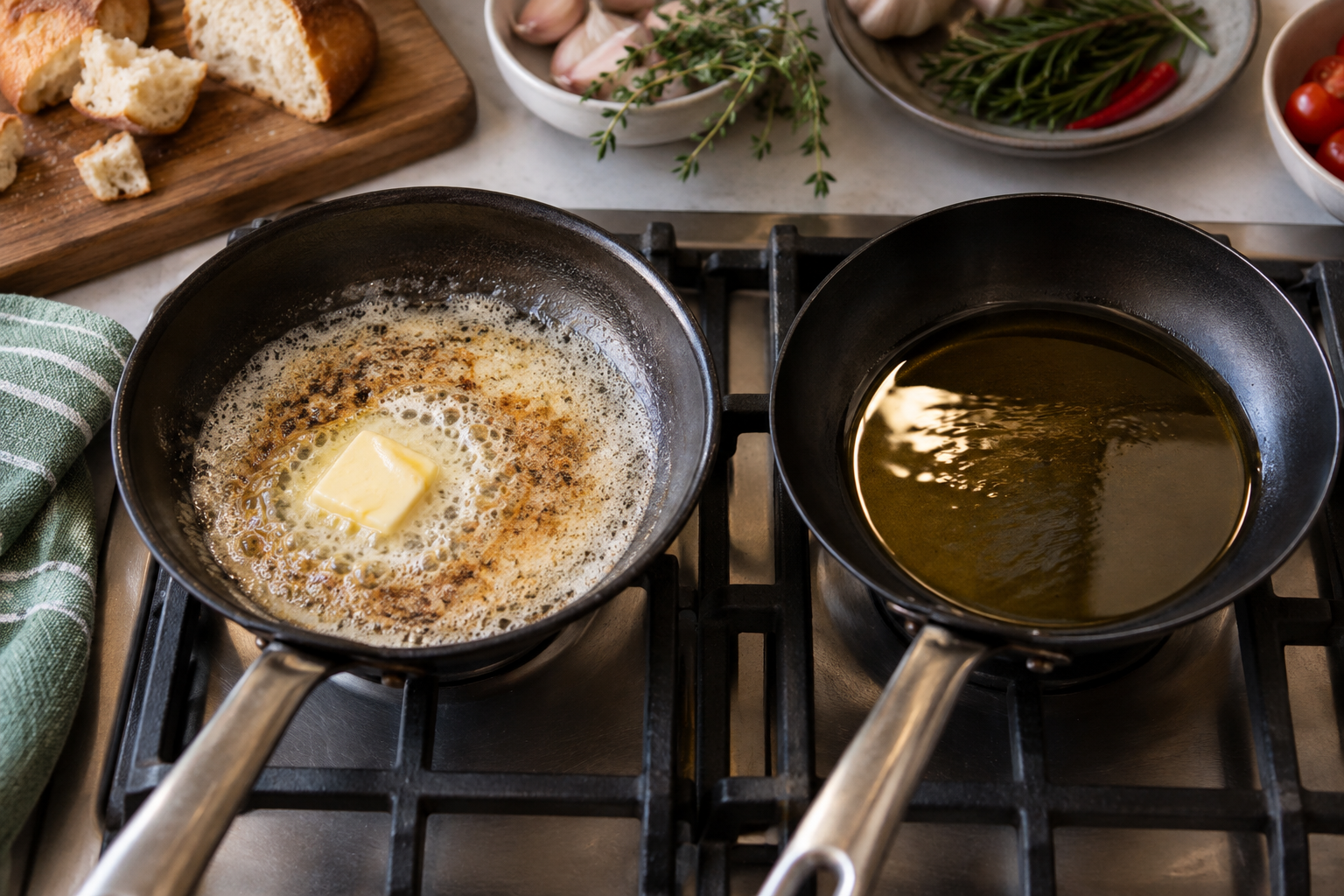
A beginner guide to what butter and oil do, why fat carries flavour, and when a small finish matters more than adding more salt.
12 guides
Rescue routes for food that is too salty, too spicy, split, burnt, watery, dry or just not right.
 Mistake Recovery
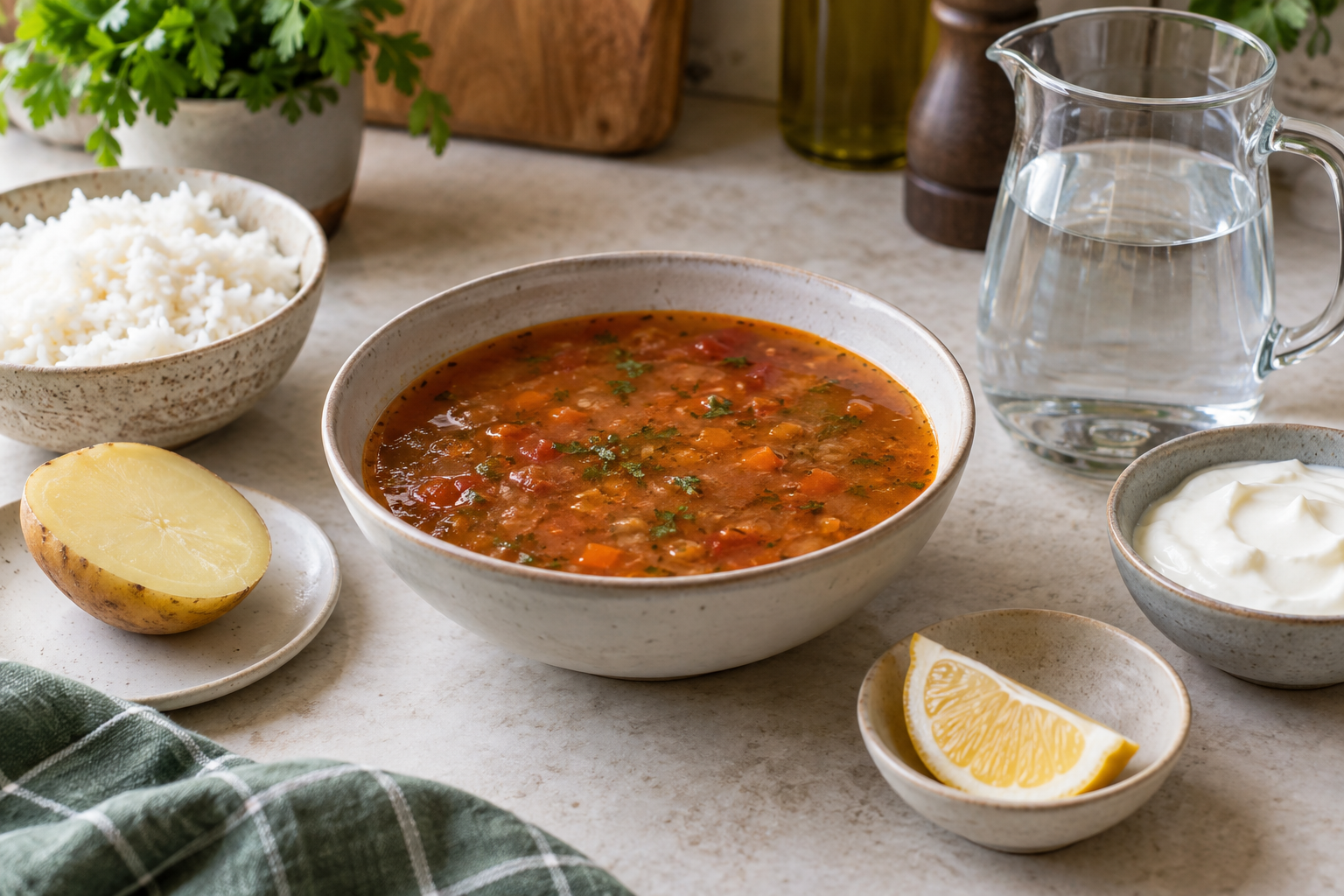
A calm guide to diluting, adding bulk, balancing and knowing when salty food cannot be fully rescued.
 Mistake Recovery
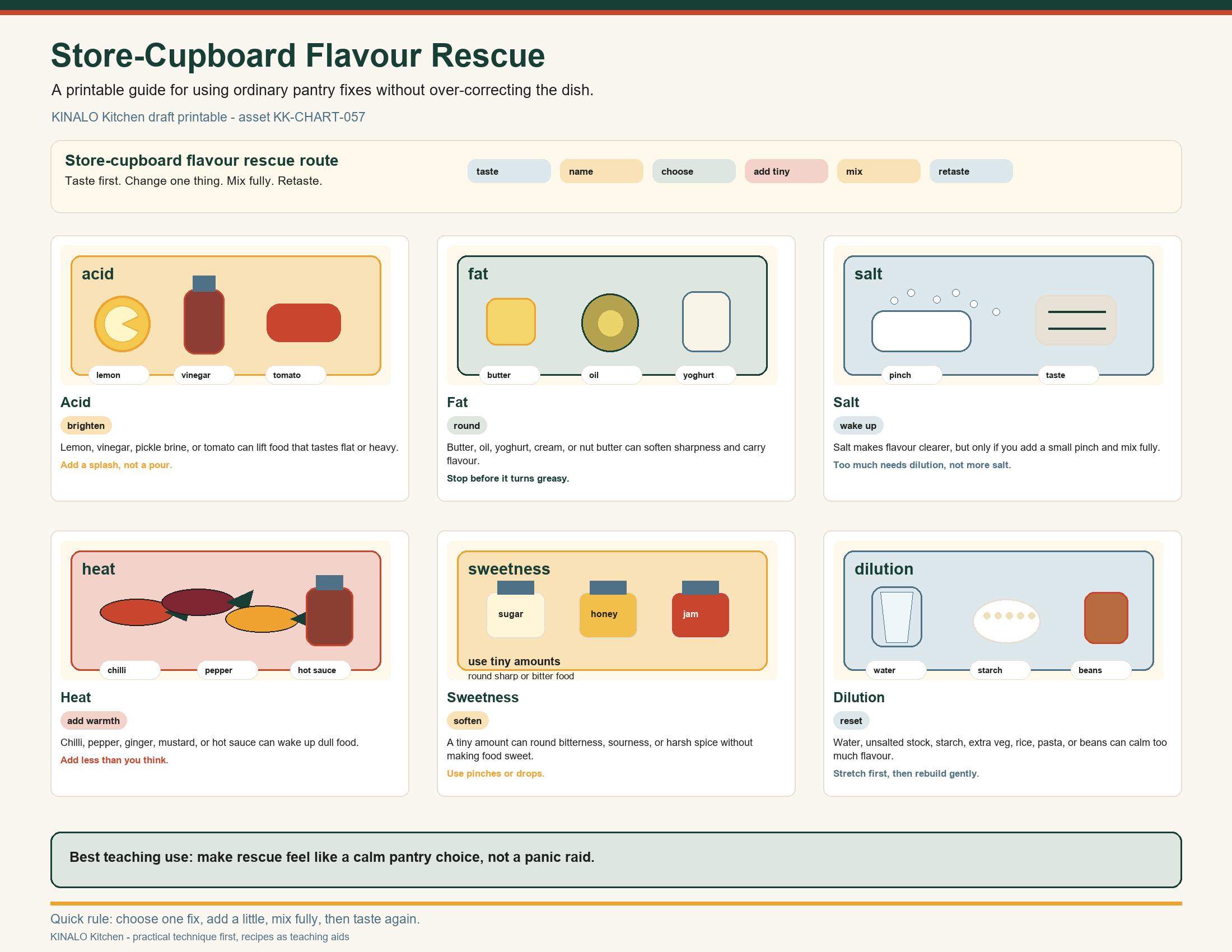
A practical rescue process for flat food: taste, name the missing part, adjust once, stir and taste again.
 Mistake Recovery
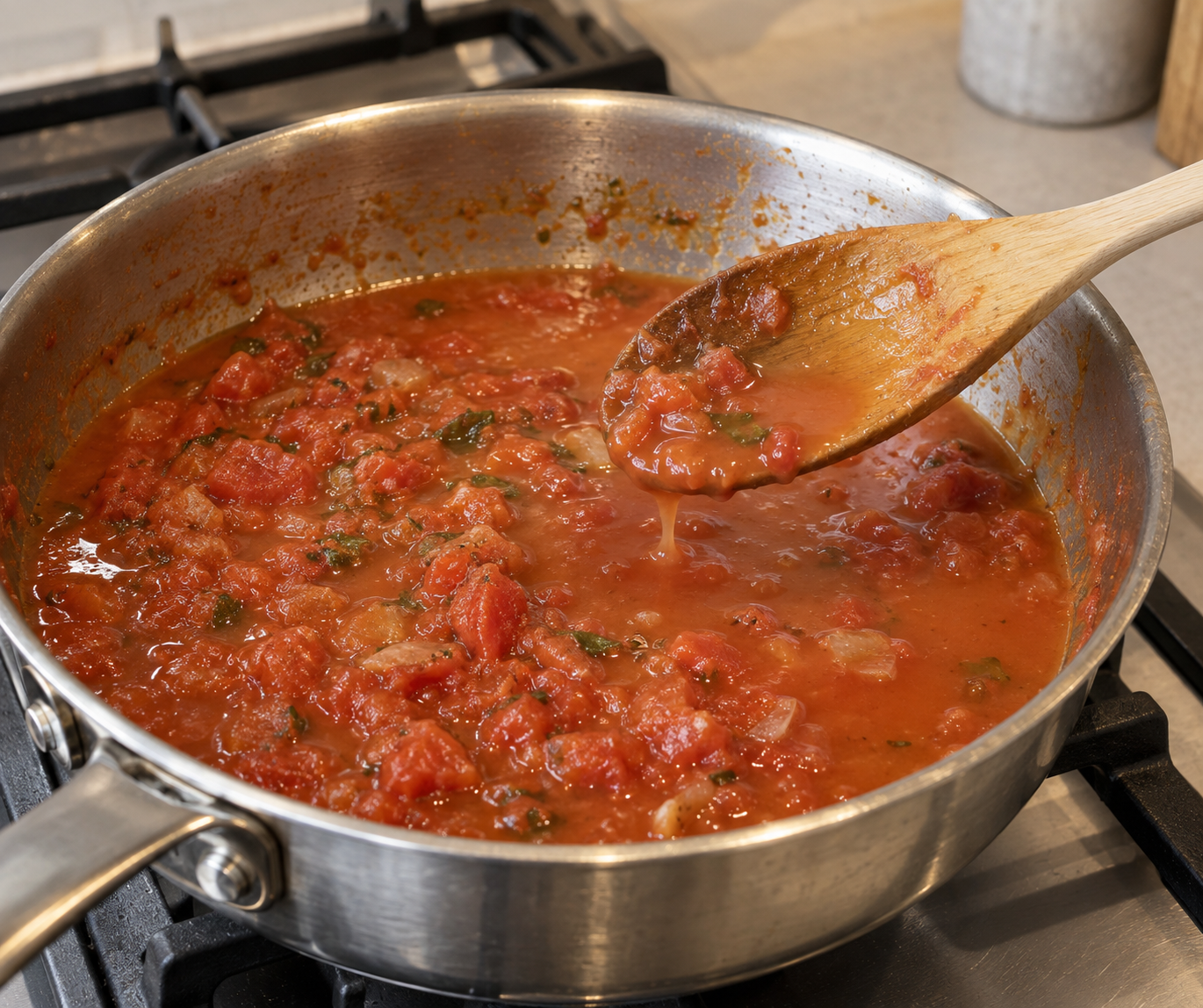
Learn why sauces turn watery, how to thicken them calmly, and when to reduce, simmer, add body or serve differently.
 Mistake Recovery
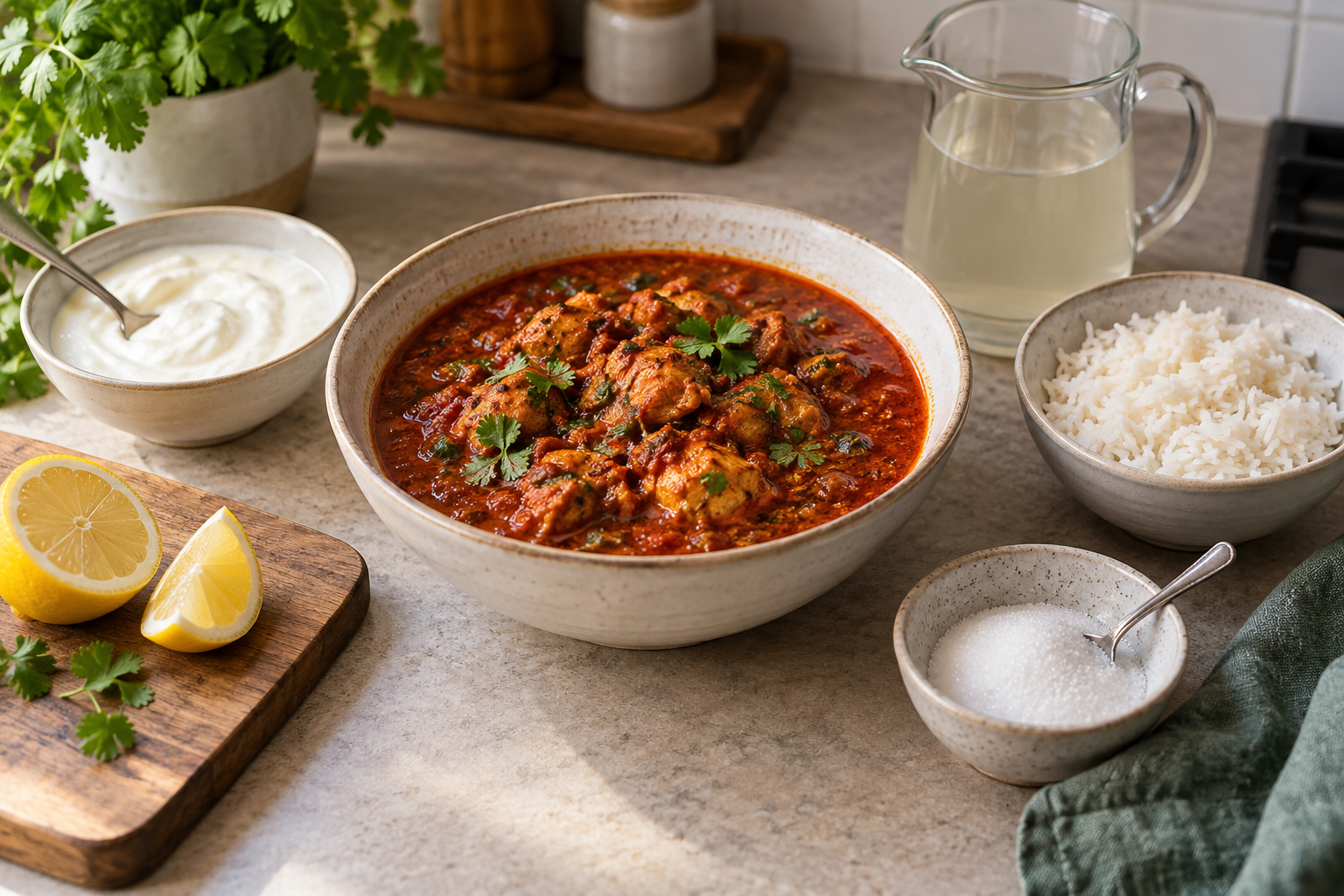
A practical guide to reducing chilli impact with dilution, fat, dairy, sweetness, acid and serving choices.
 Mistake Recovery
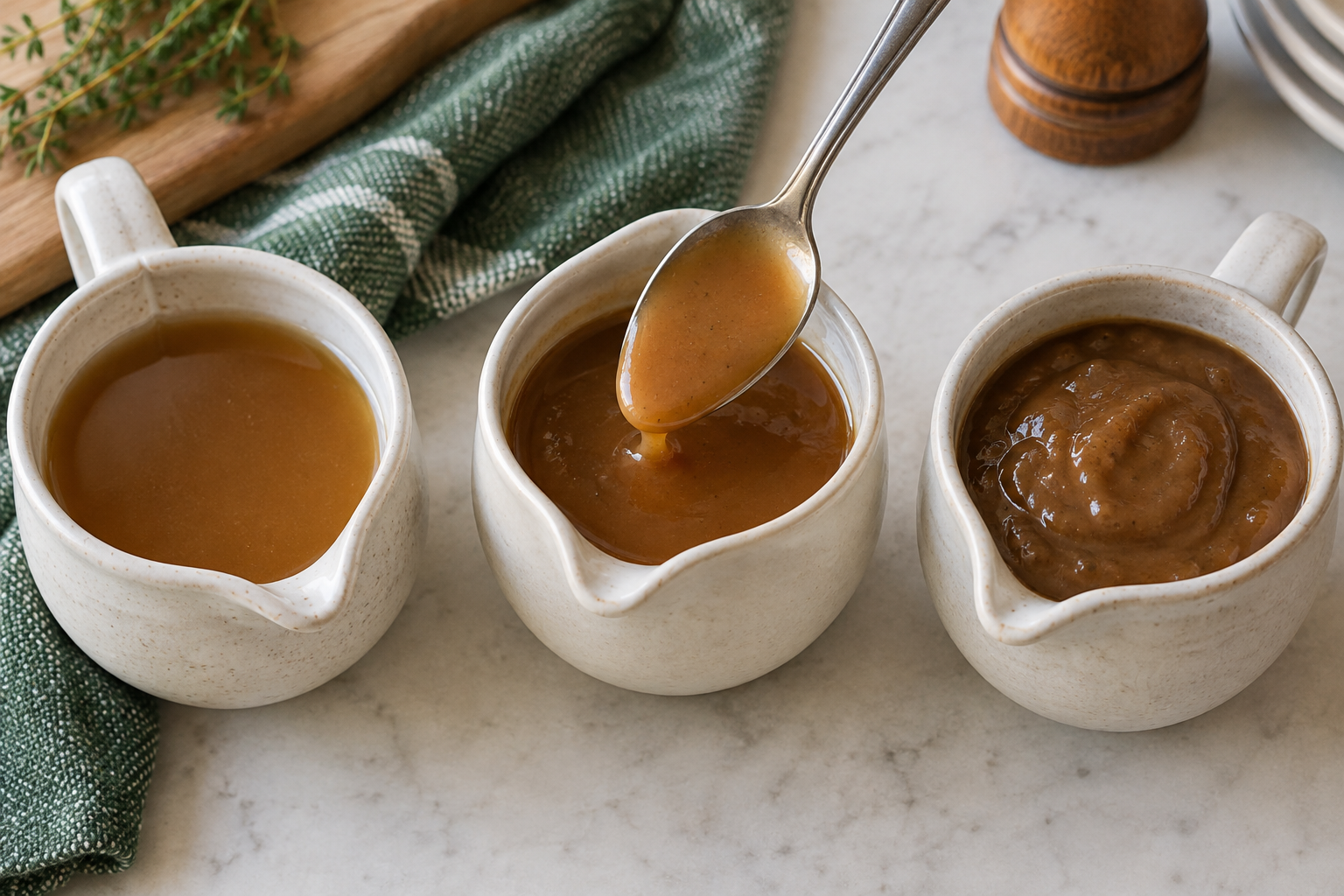
A beginner guide to thin, thick and lumpy gravy, with calm fixes before dinner turns into a stress event.
 Mistake Recovery
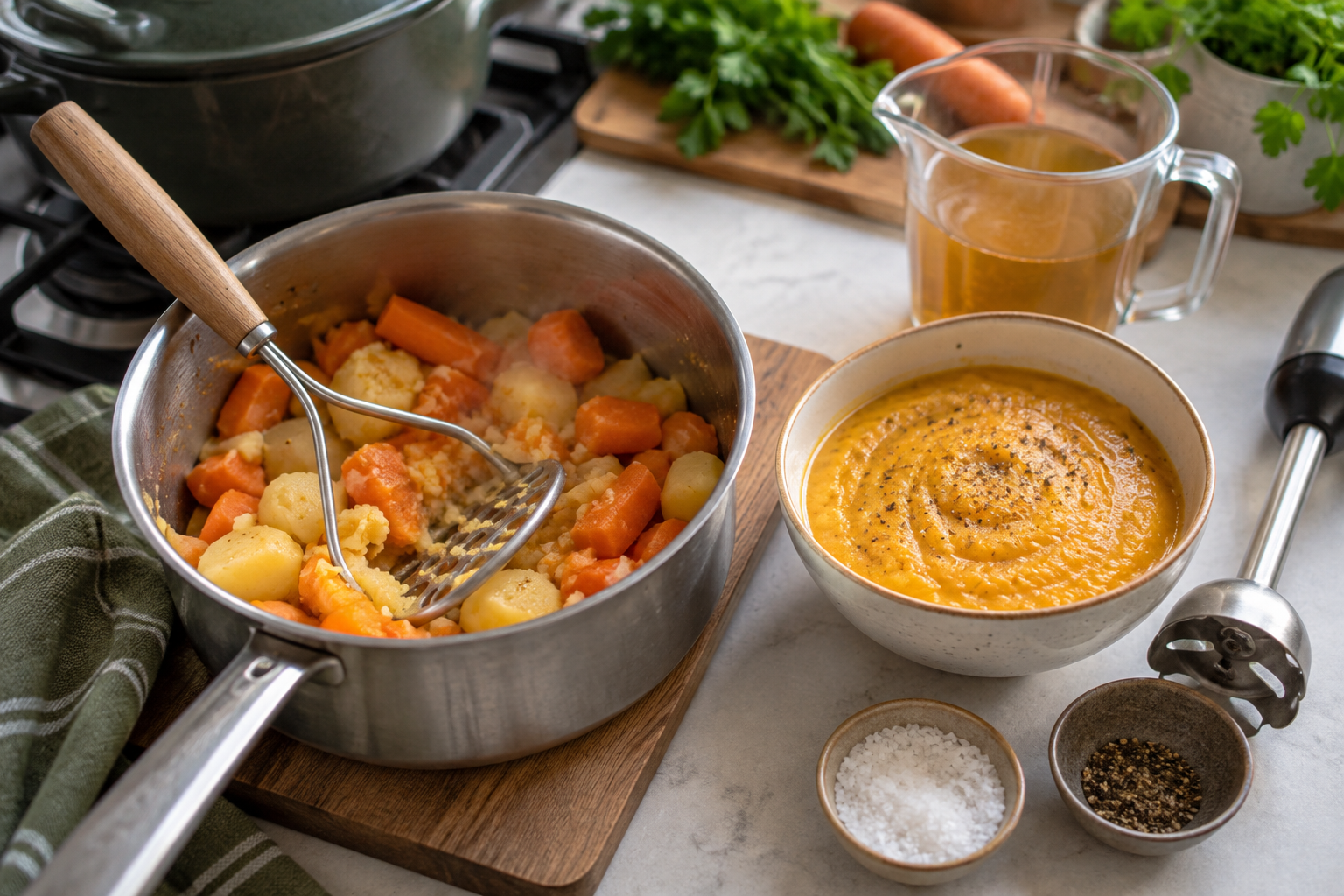
What to do when vegetables go too soft, dull or watery, and how to turn them into something useful instead of throwing them away.
 Mistake Recovery
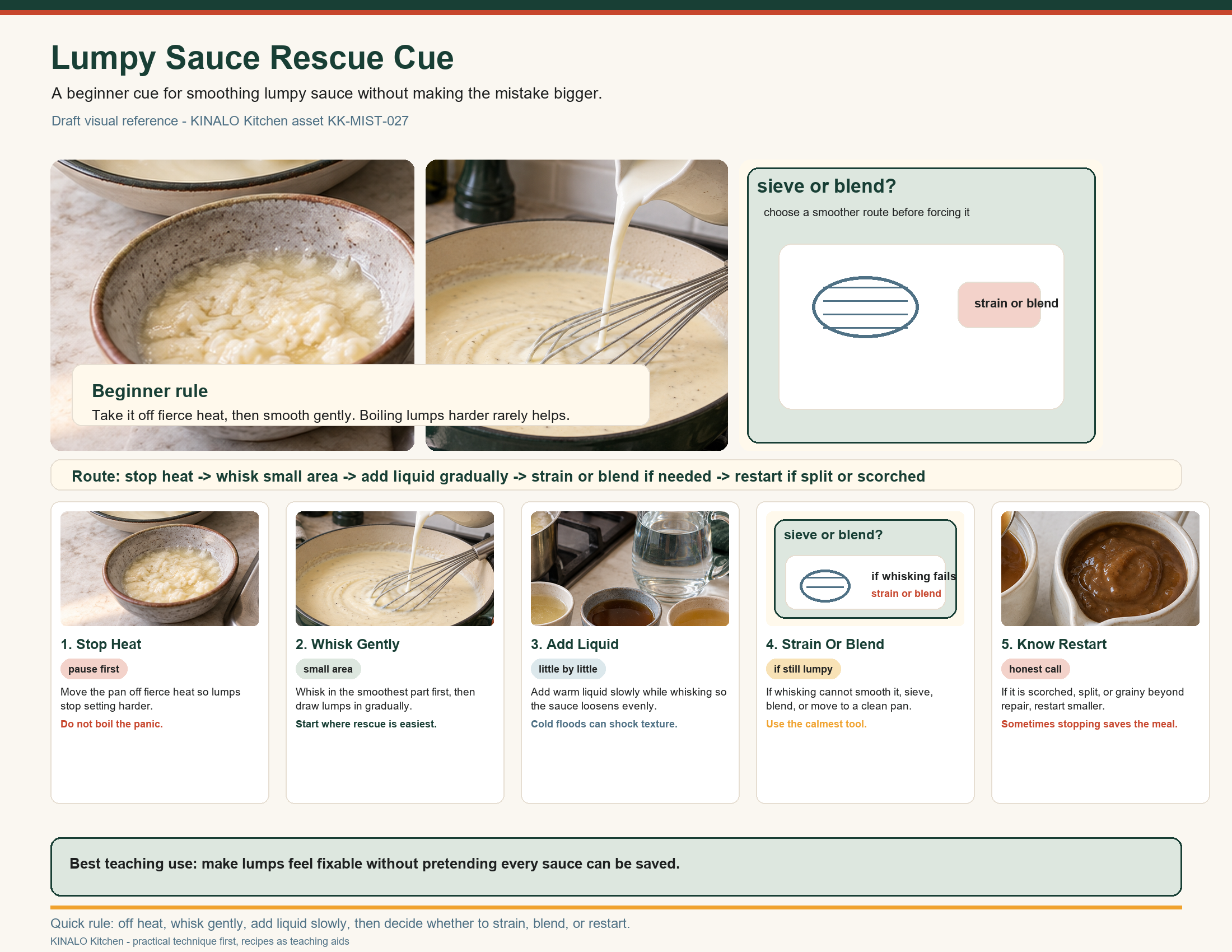
Why sauces turn lumpy, how to whisk, strain or blend them, and how to prevent dry powder clumps next time.
 Mistake Recovery
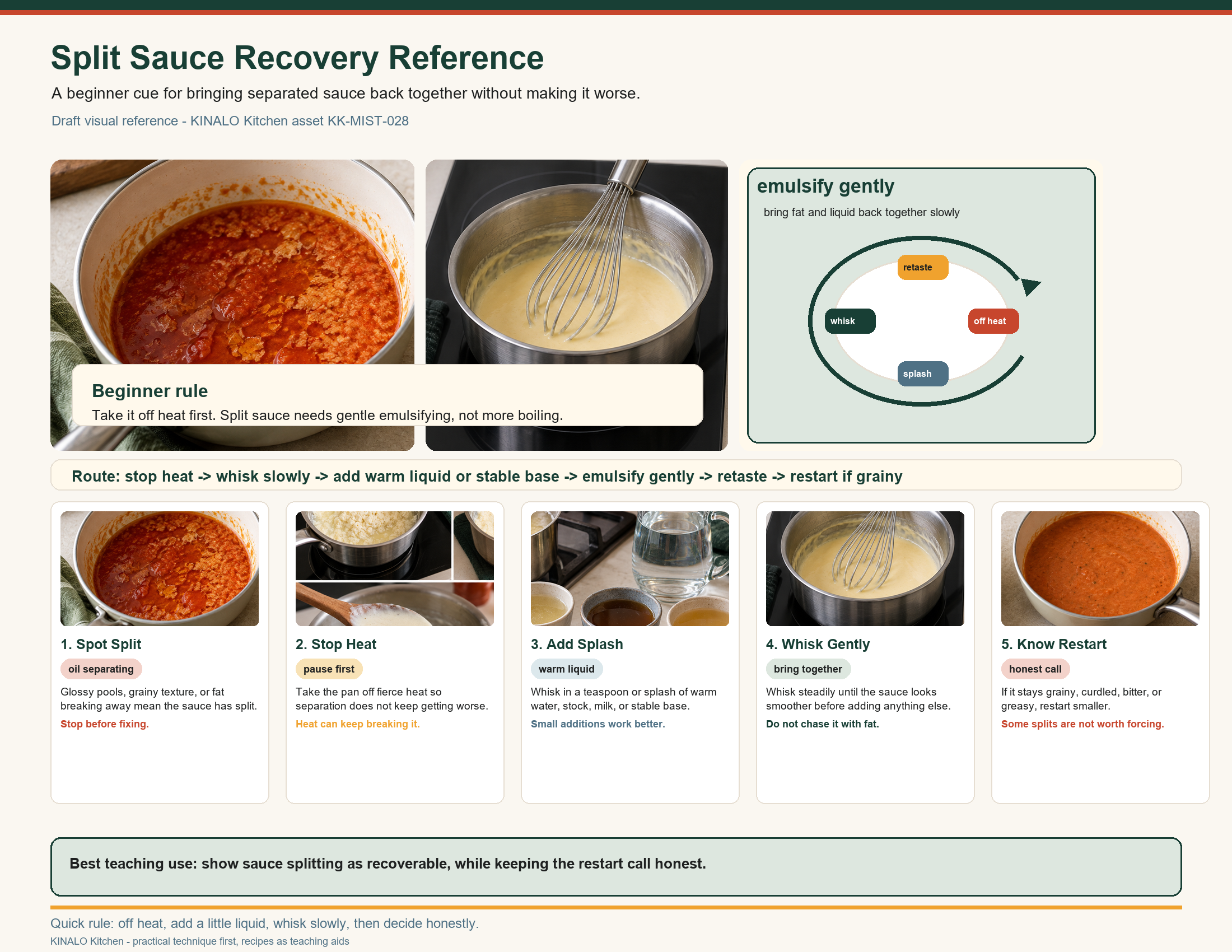
A beginner guide to sauces separating, why fat and liquid stop holding together, and calm ways to bring a sauce back.
 Mistake Recovery
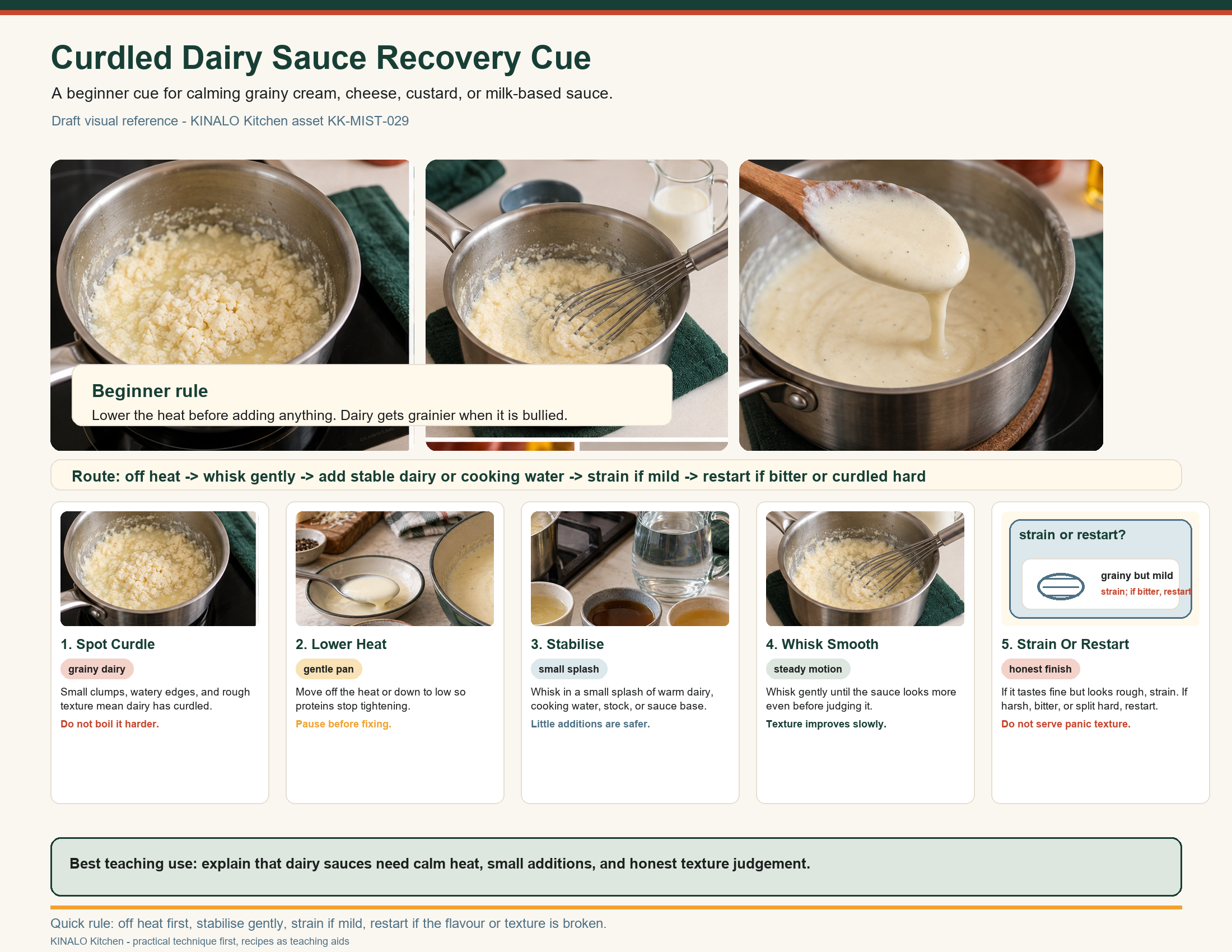
How heat and acid can curdle dairy sauces, how to reduce the damage, and how to avoid it next time.
 Mistake Recovery
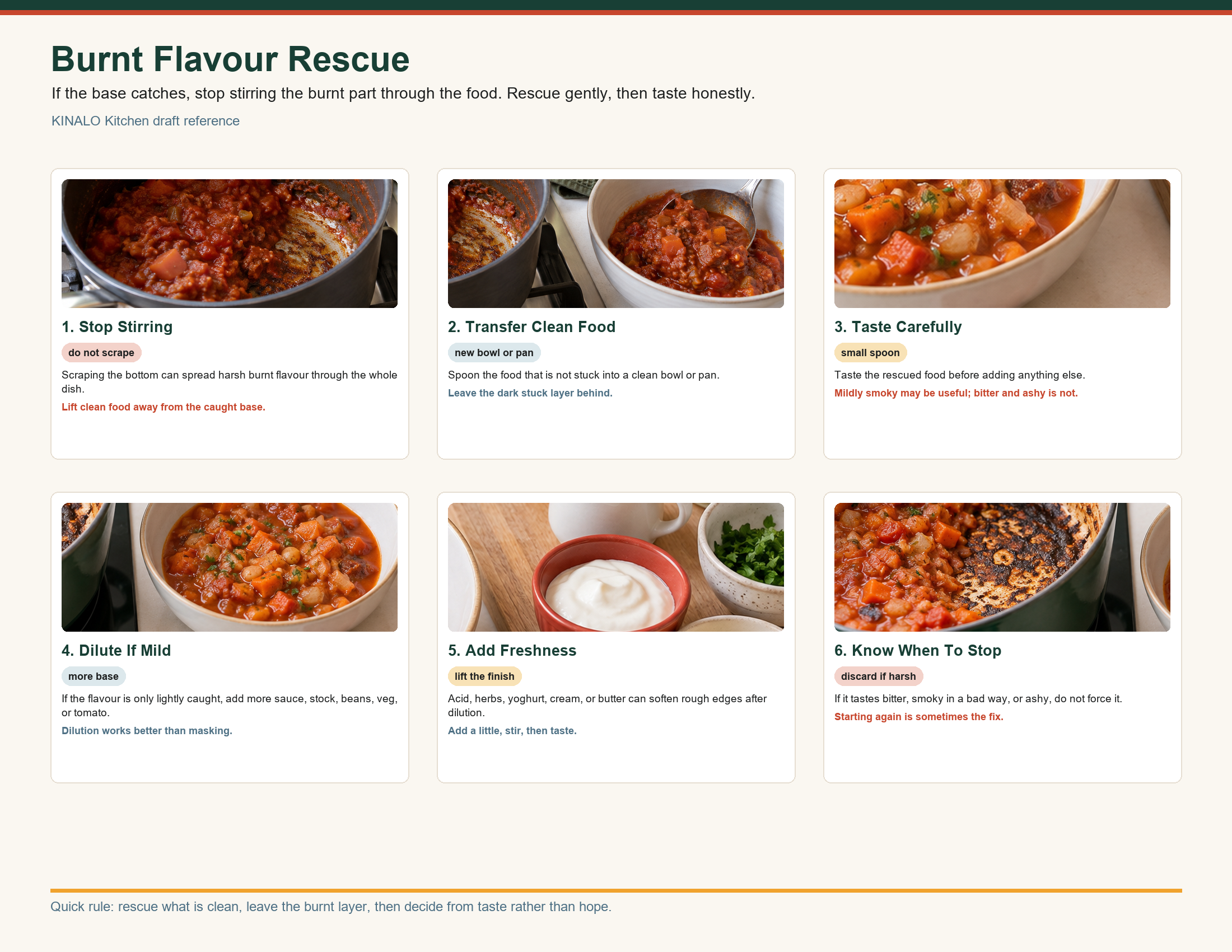
A calm guide to stopping burnt flavour spreading, moving clean food, and deciding whether a dish can be saved.
 Mistake Recovery
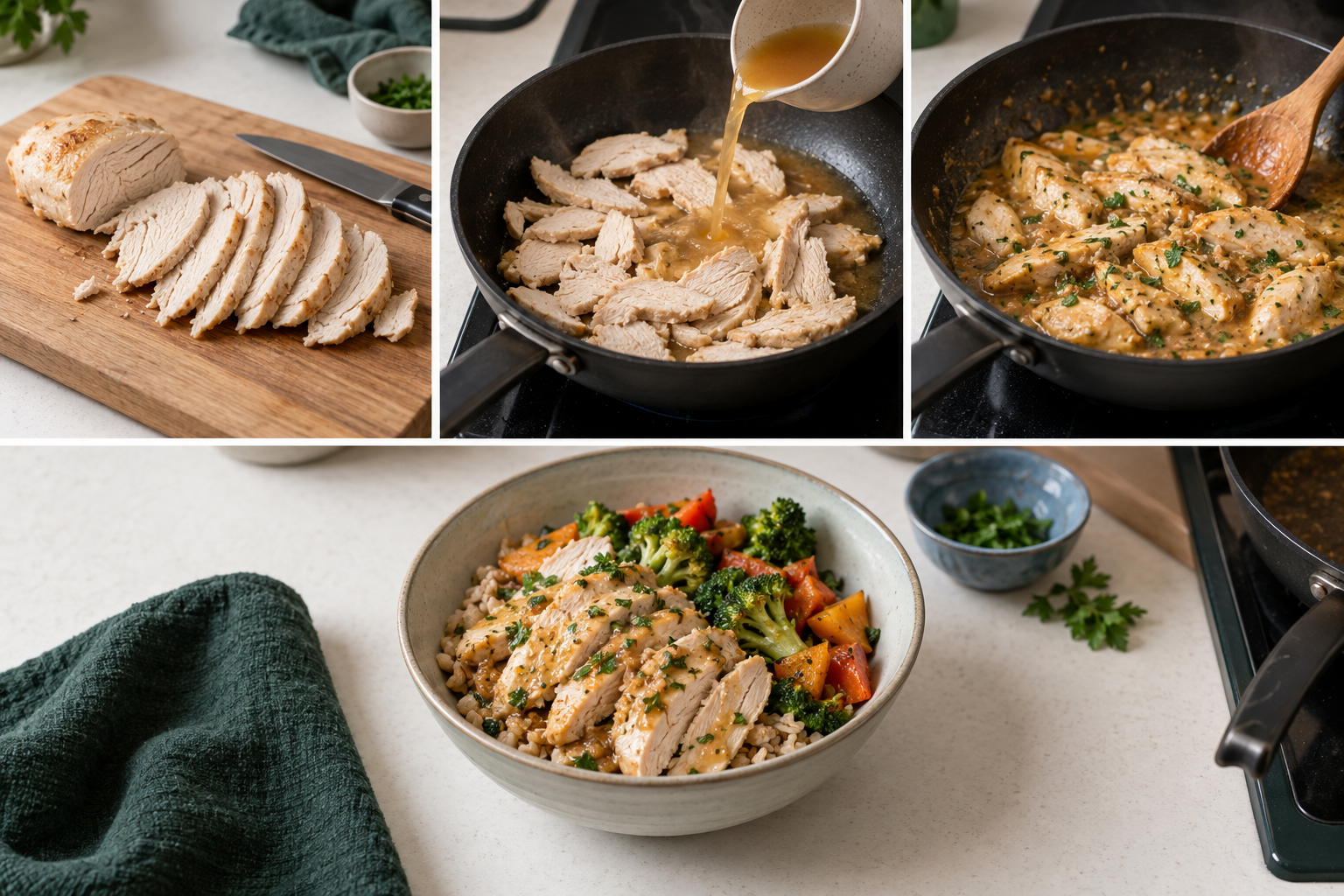
What to do when cooked chicken is dry: slicing, saucing, folding into wet dishes and avoiding more heat damage.
 Mistake Recovery
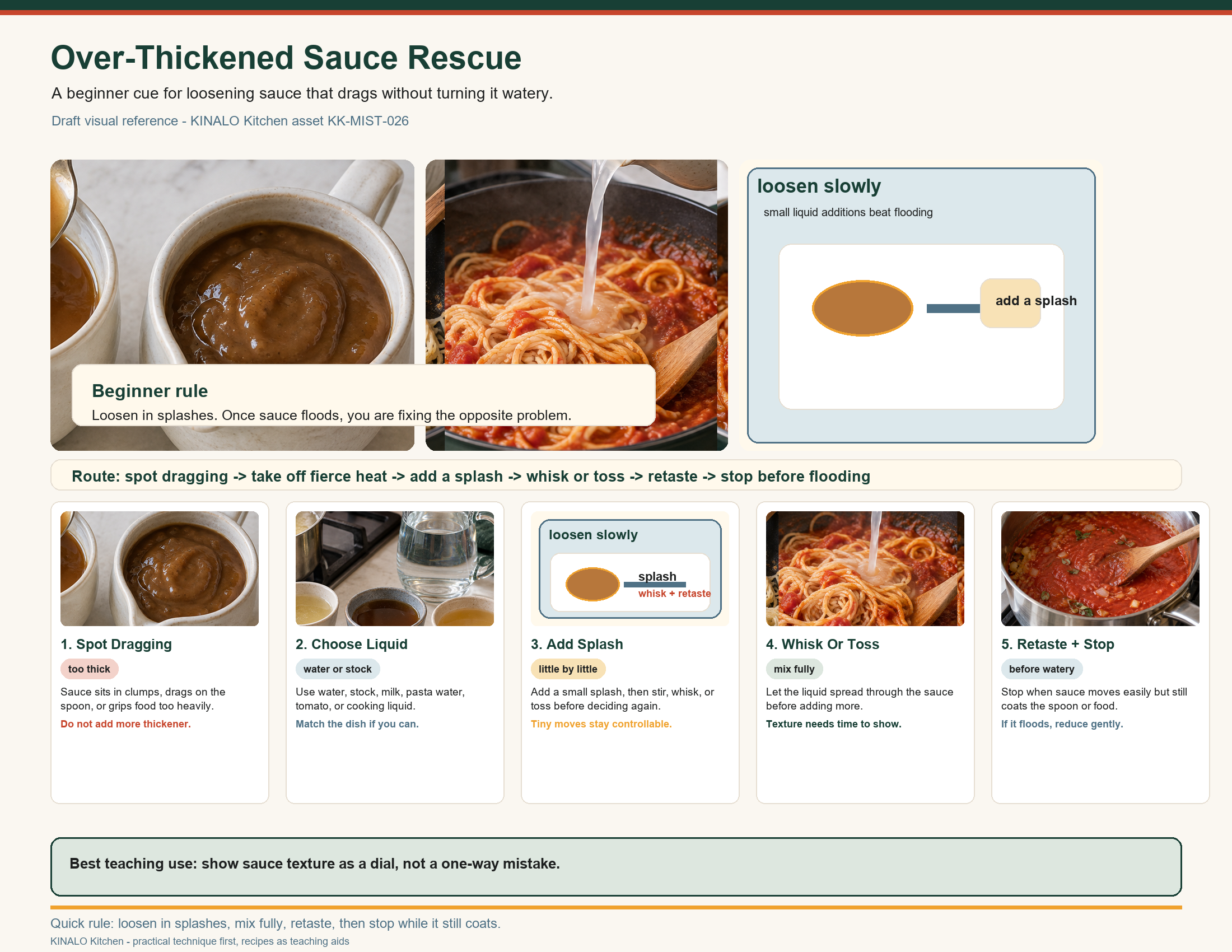
What to do when sauce turns too thick, gluey or heavy, and how to loosen it without washing away the flavour.
9 guides
Tools, storage and safety-confidence habits that make cooking easier to start.
 Essentials
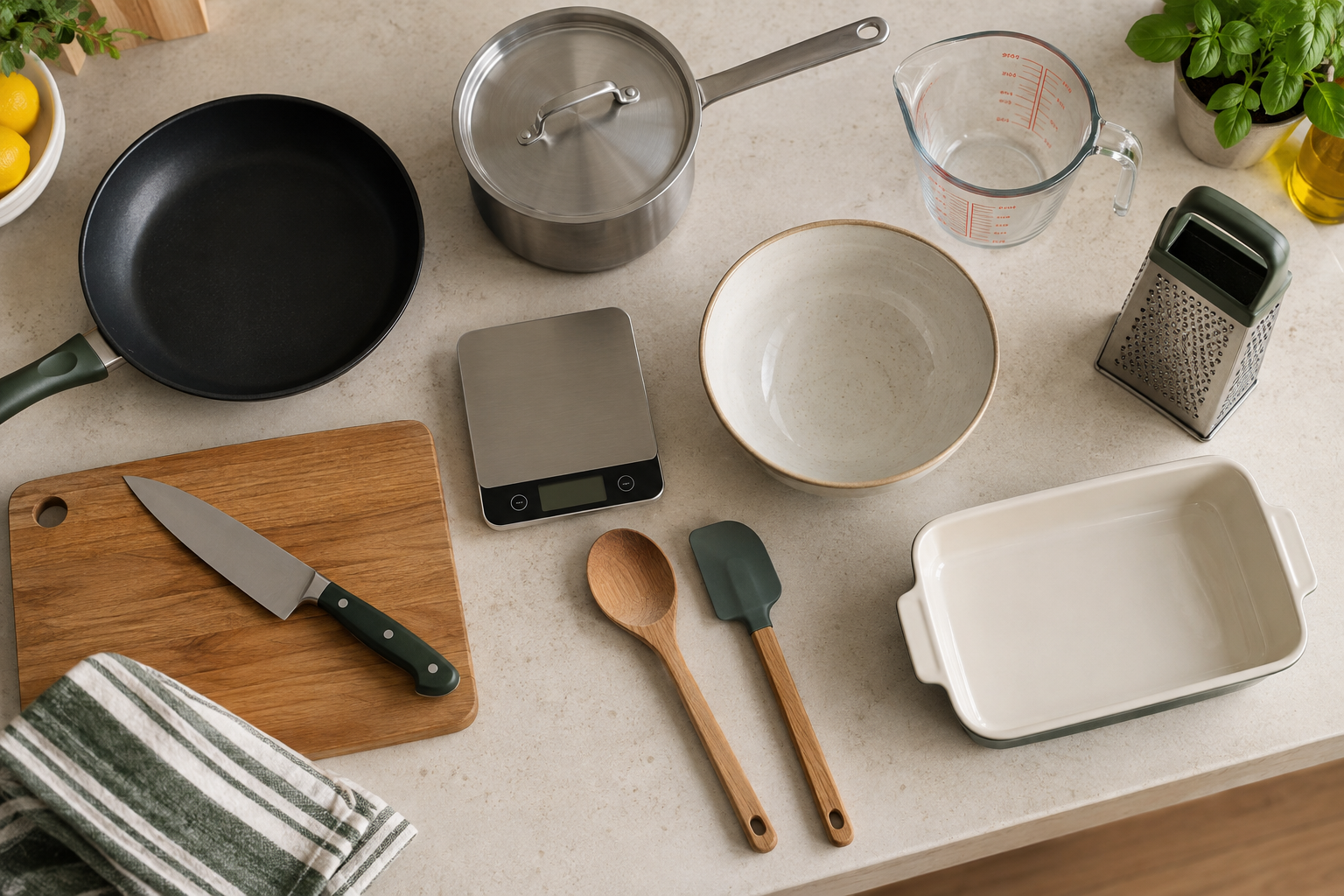
A practical first kitchen setup focused on tools that solve real beginner problems without buying unnecessary clutter.
 Essentials
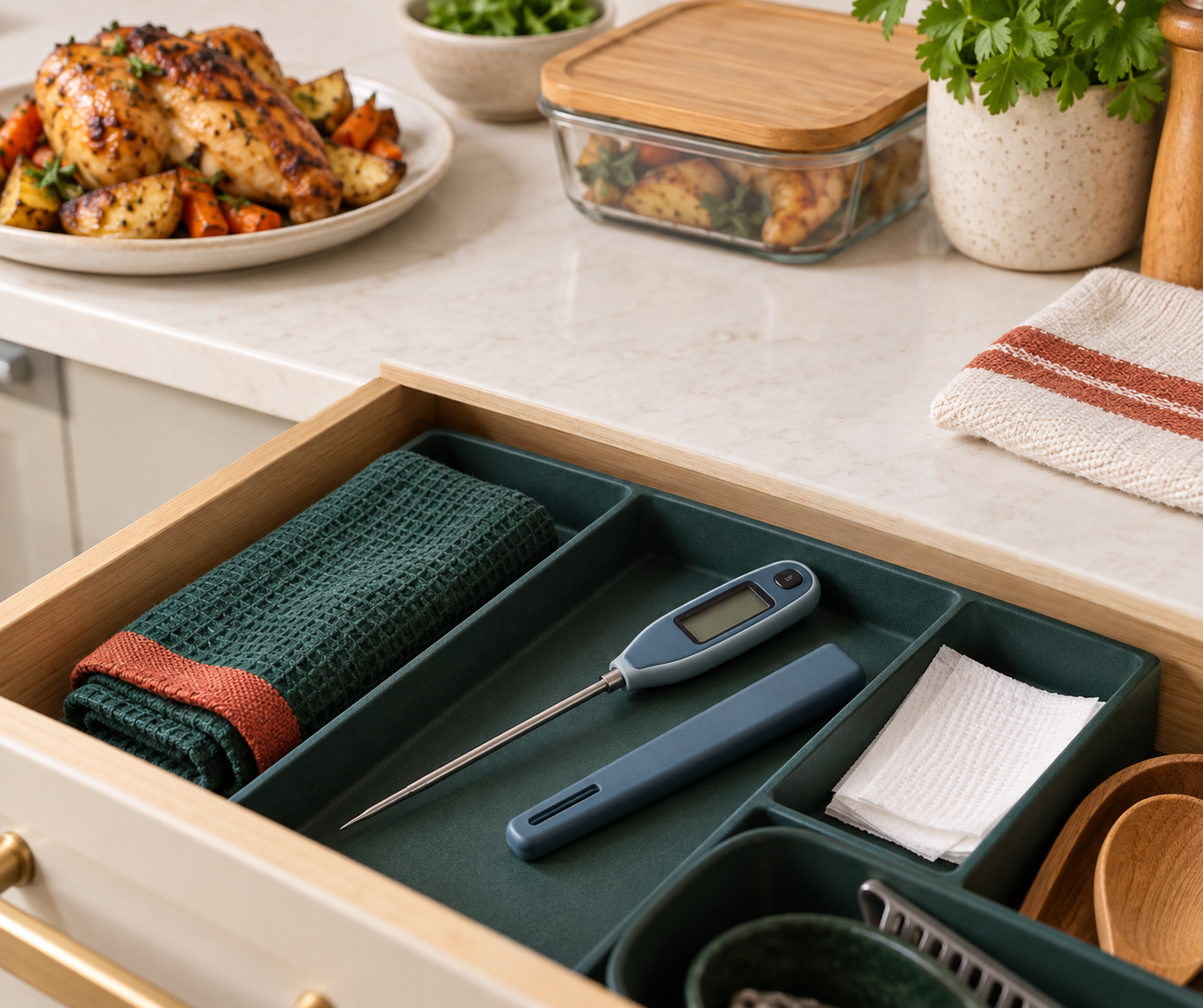
How a thermometer helps beginners check doneness, avoid guessing, and handle food-safety articles with proper source-checked guidance.
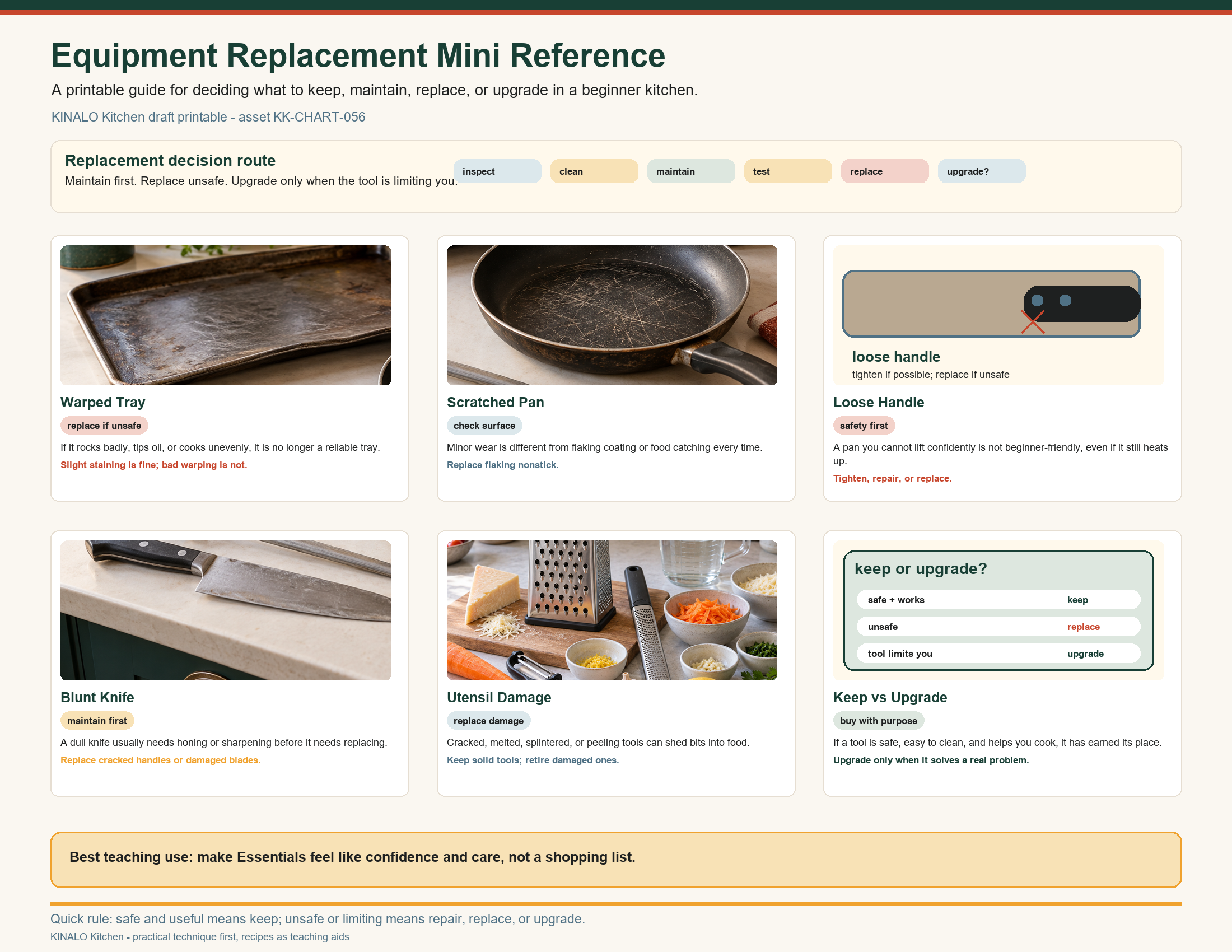 Essentials
A beginner guide to spotting warped trays, scratched pans, loose handles and worn tools without replacing everything too soon.
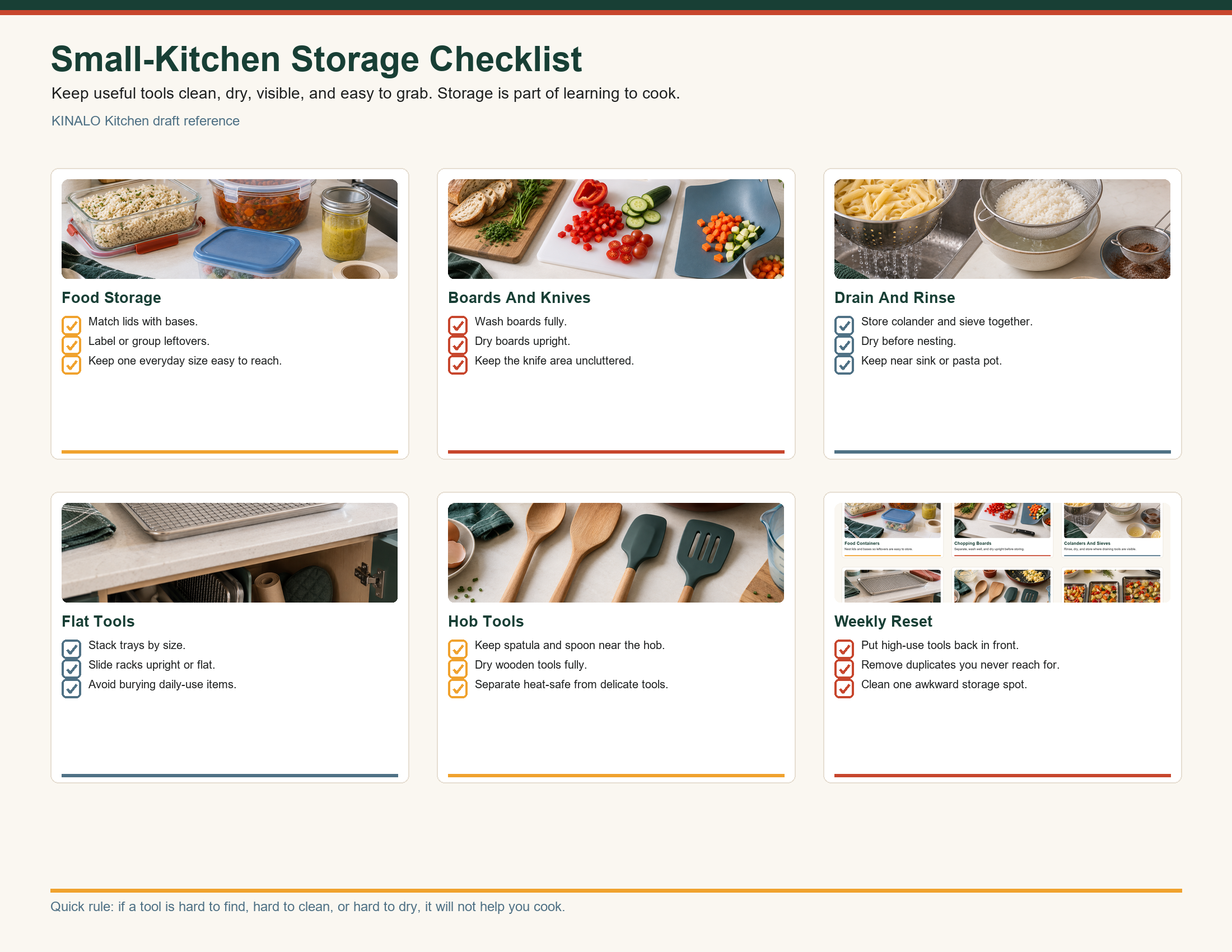 Essentials
A practical guide to storing tools and food so a beginner kitchen stays usable instead of turning into a clutter trap.
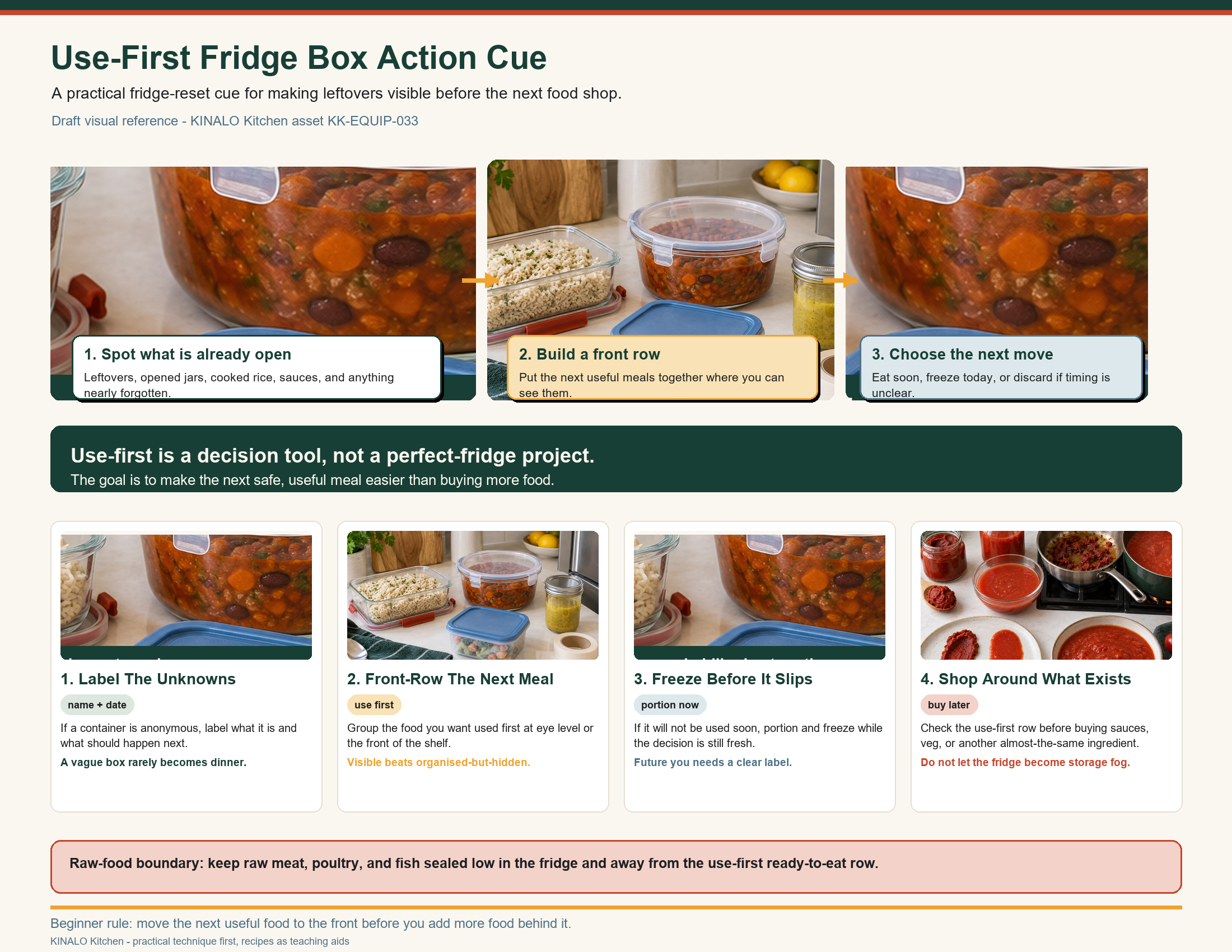 Essentials
How to organise a fridge so leftovers, open ingredients and food that needs using do not disappear until it is too late.
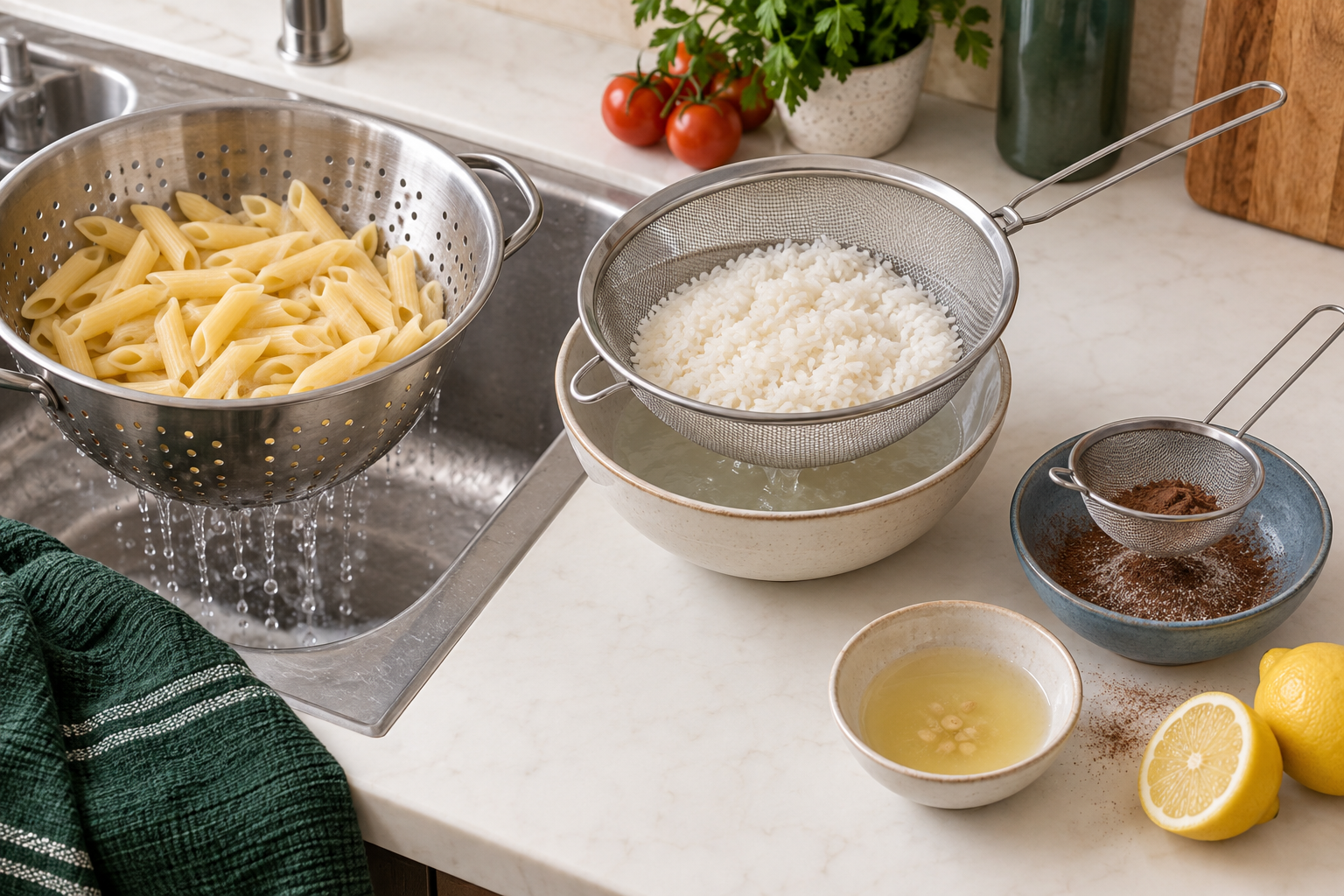 Essentials
What each draining tool is for, why holes matter, and how to choose the useful basics before buying extras.
 Essentials
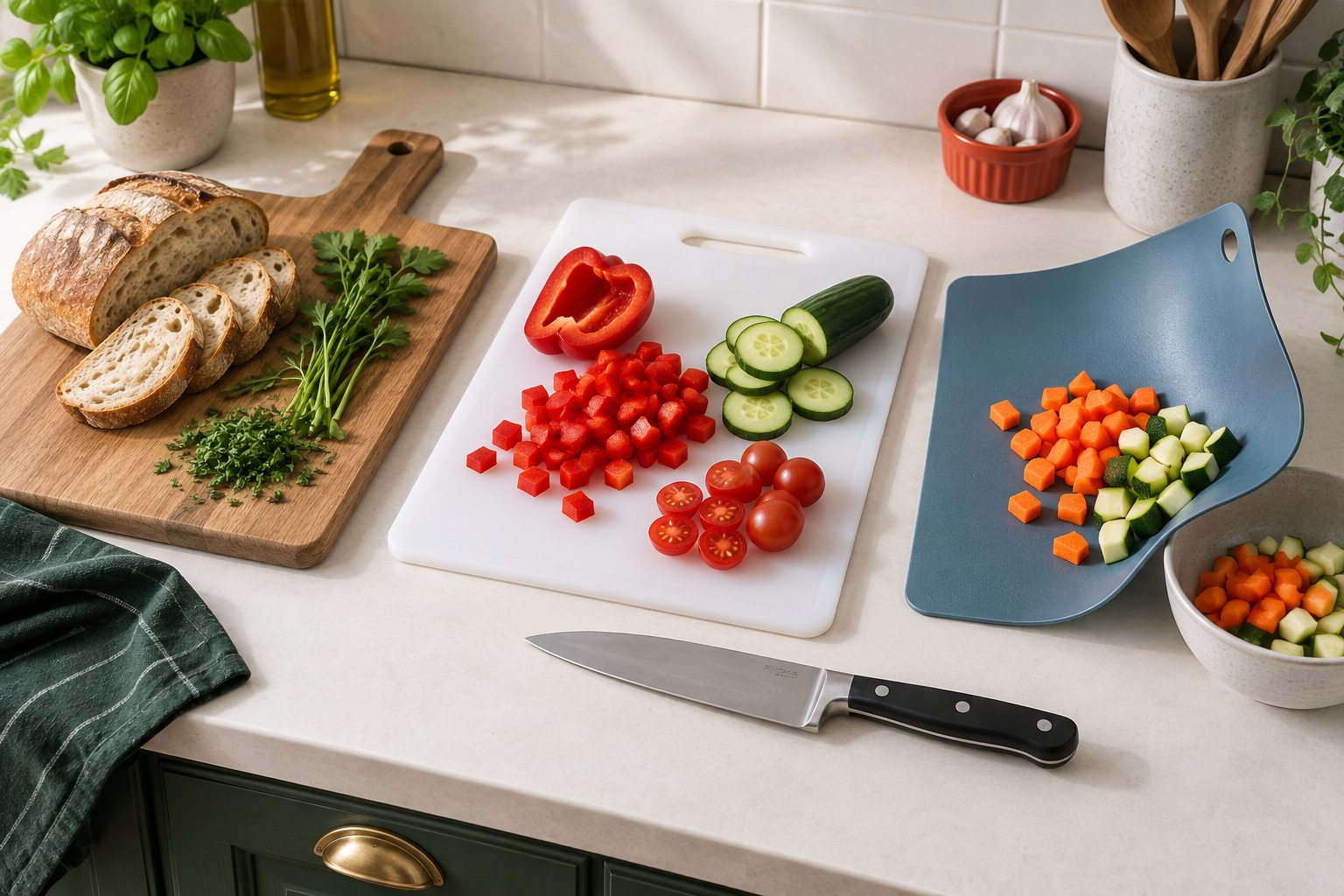
How to choose a chopping board, stop it sliding, and understand why stability matters more than looking professional.
 Essentials
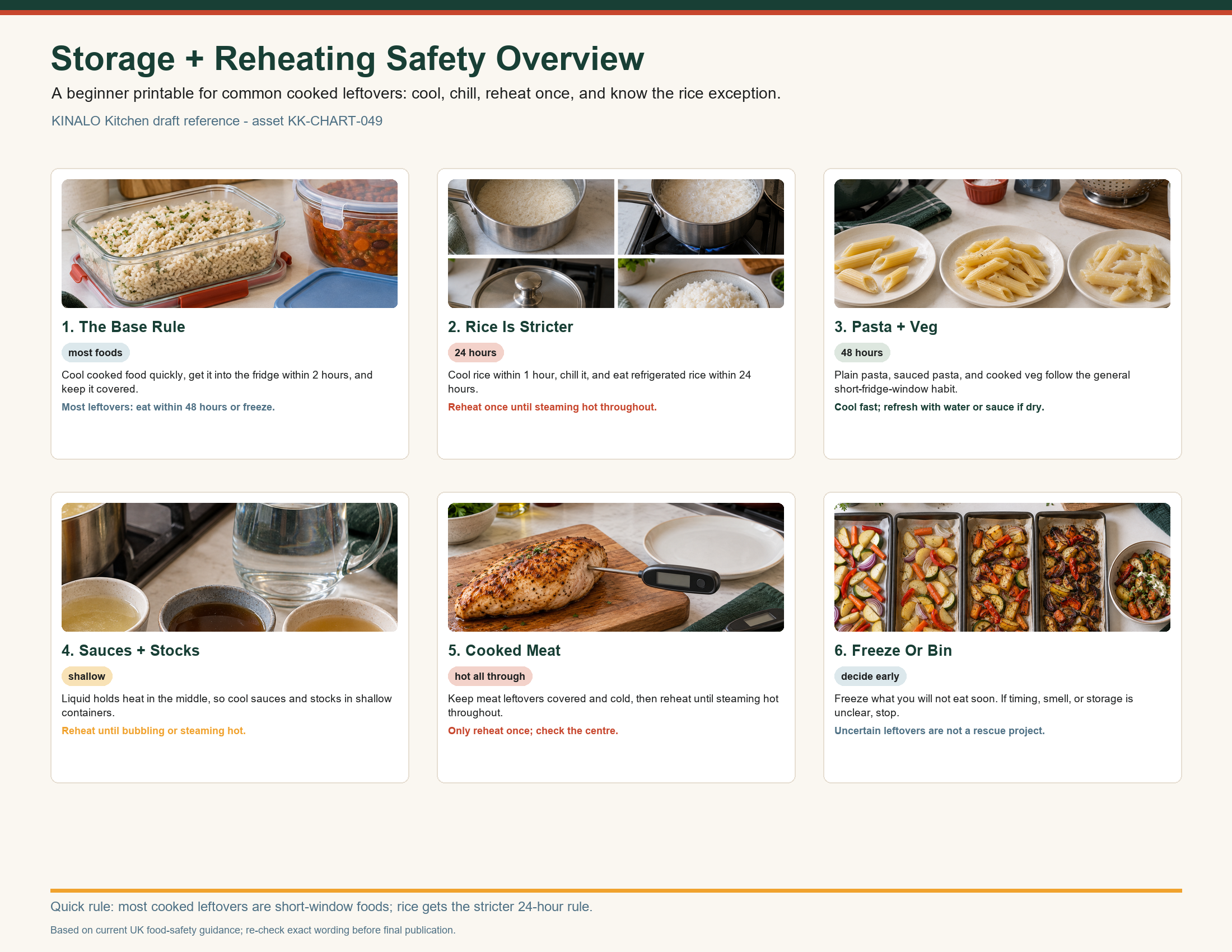
A beginner overview of cooling, labelling, fridge organisation and reheating without pretending every food follows the same rule.
 Essentials
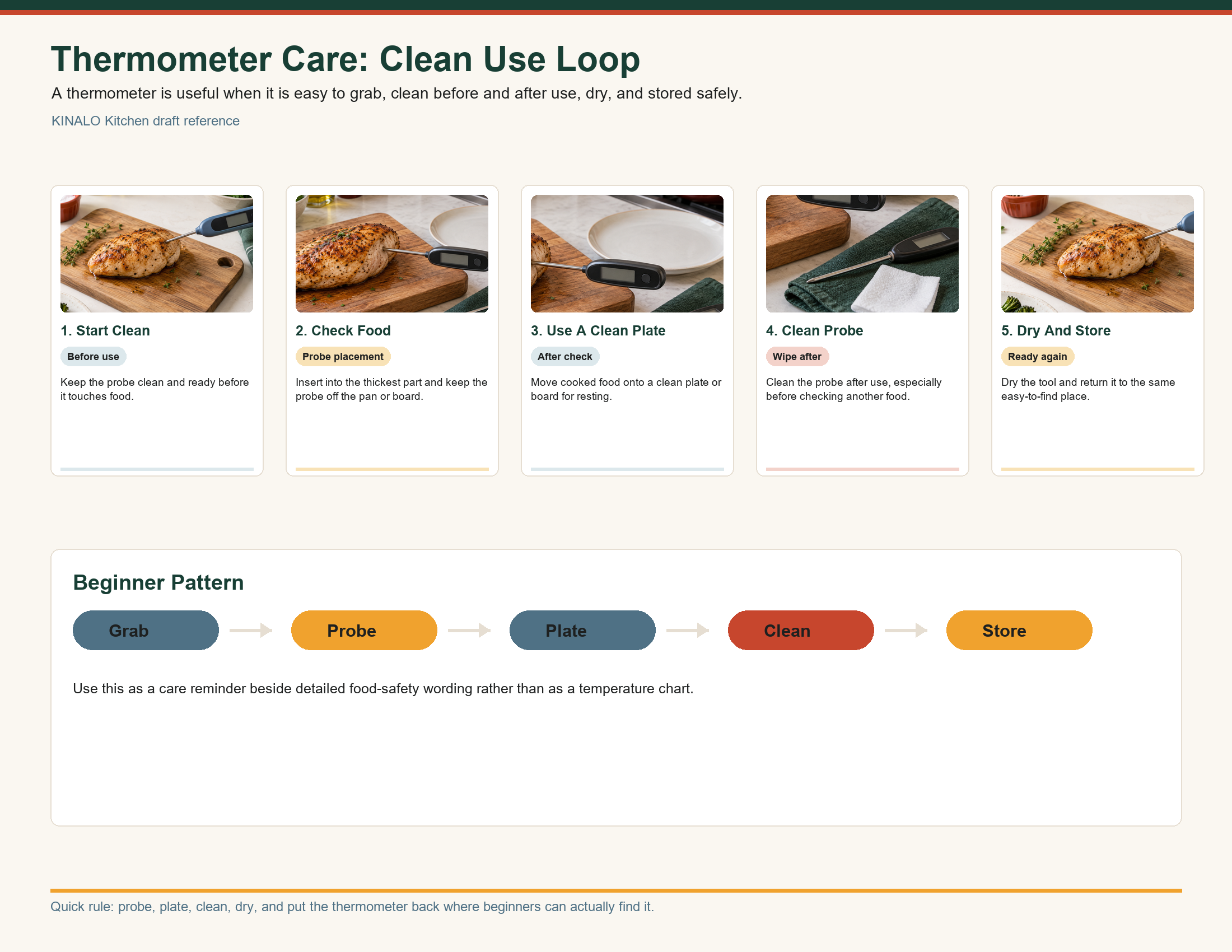
How to use, clean and store a kitchen thermometer so it stays a confidence tool rather than another thing in the drawer.
6 guides
Common ingredients explained by what they do in real beginner cooking.
 Pantry And Ingredients
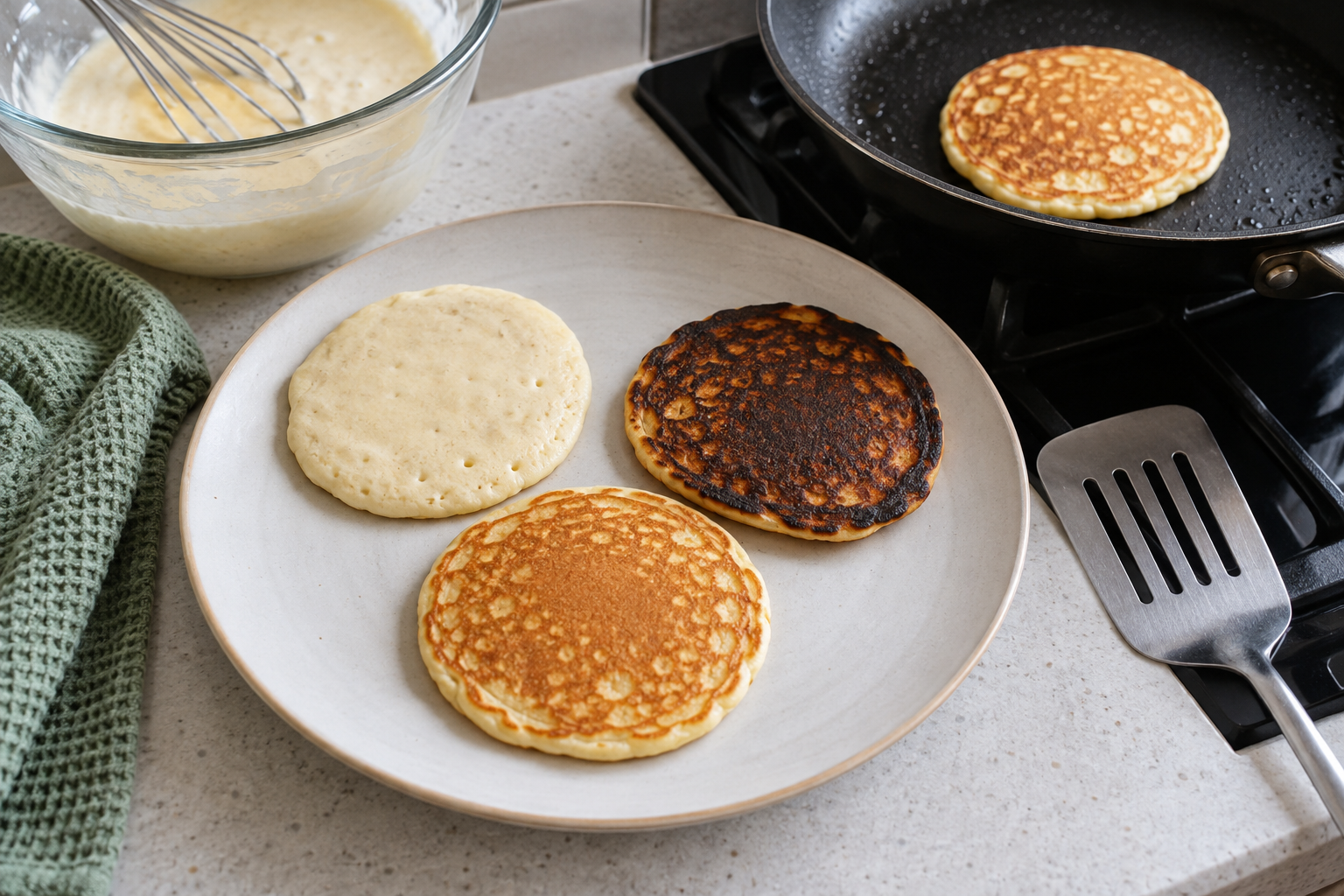
How to read pancake bubbles, pale centres, golden colour and over-browning so you know when to flip.
 Pantry And Ingredients
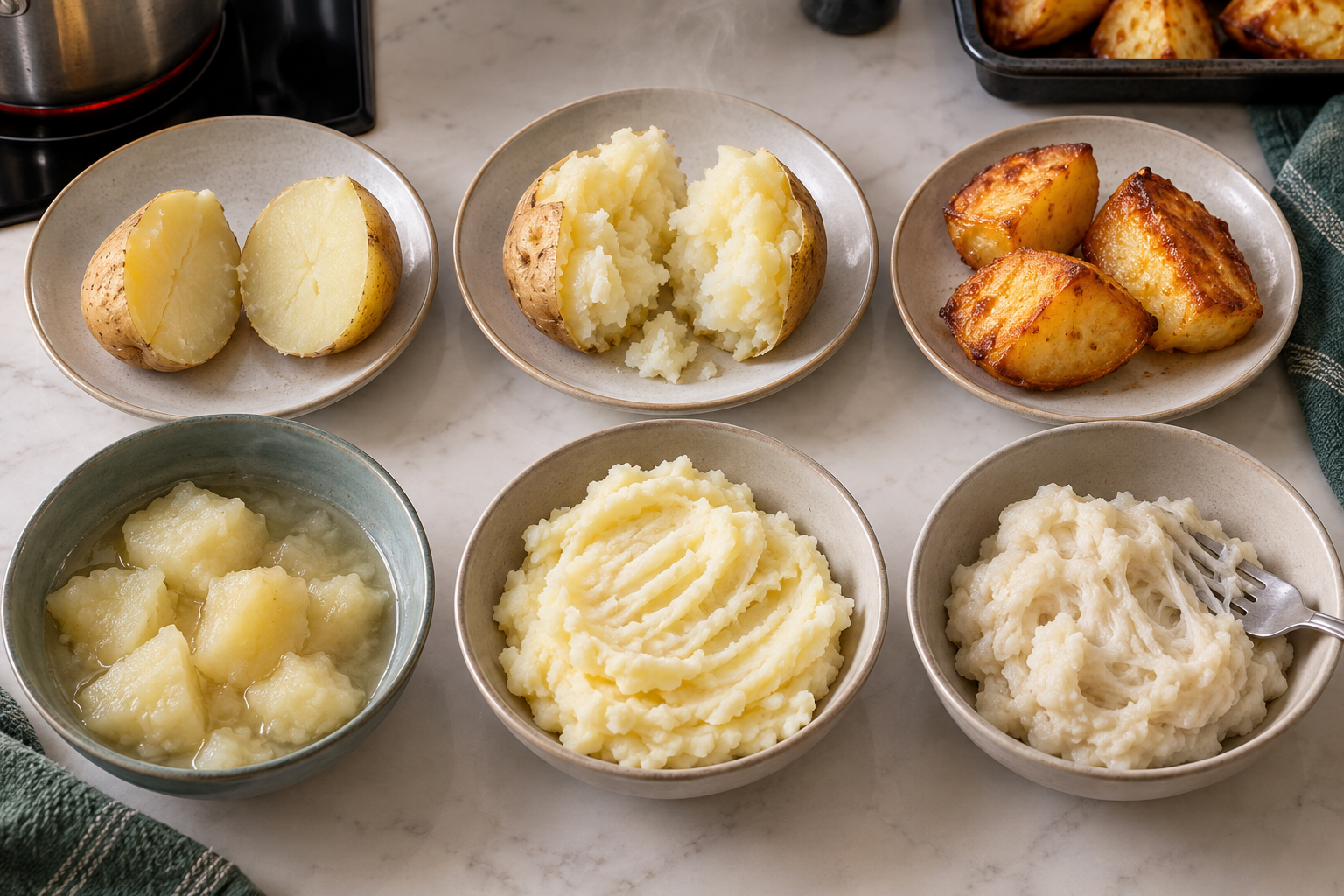
A beginner guide to potato doneness, fluffy edges, oil, roasting space and why potatoes can be crisp outside but hard inside.
 Pantry And Ingredients
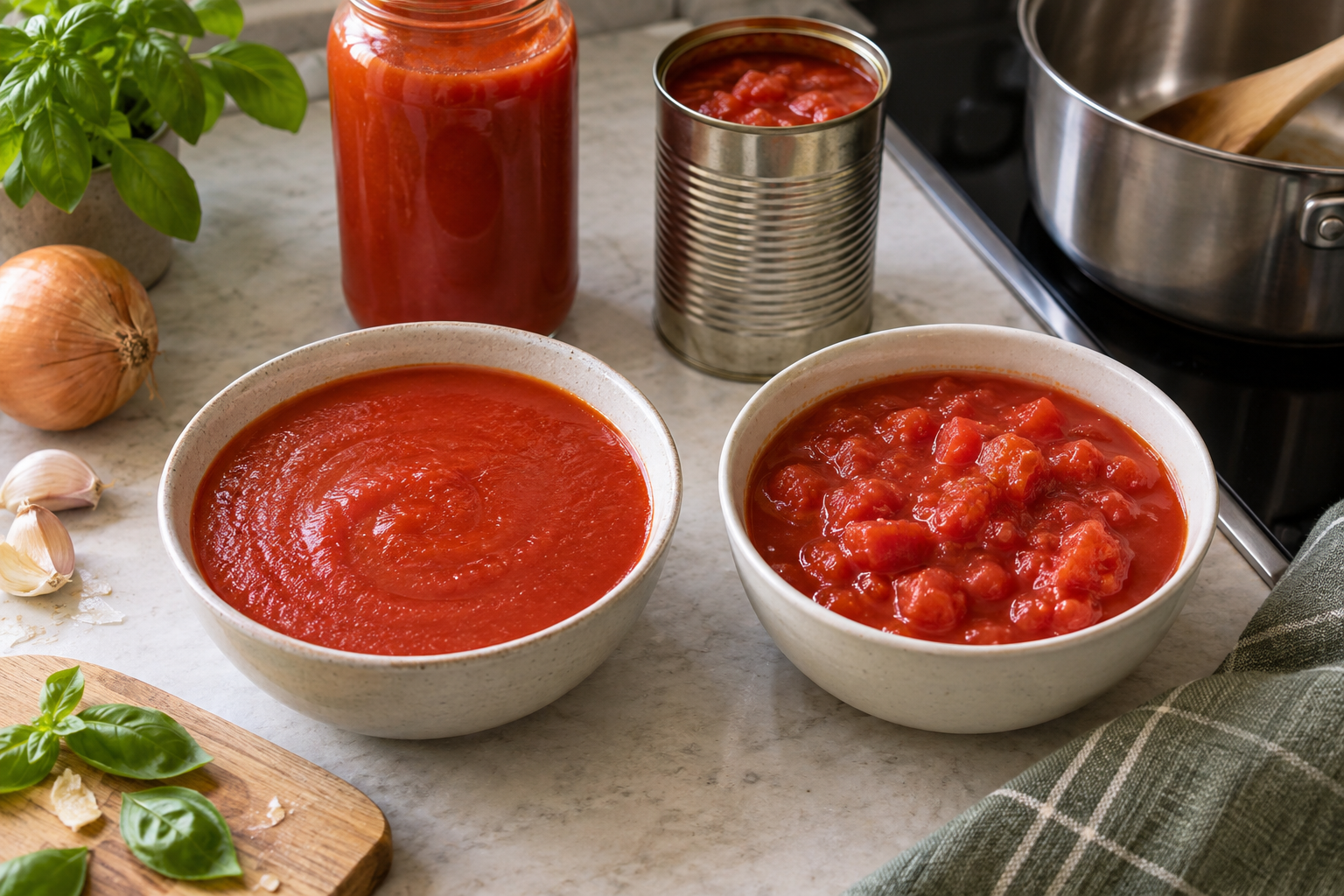
A plain-English guide to tomato bases, what each one does, and how to choose the right one for beginner sauces.
 Pantry And Ingredients
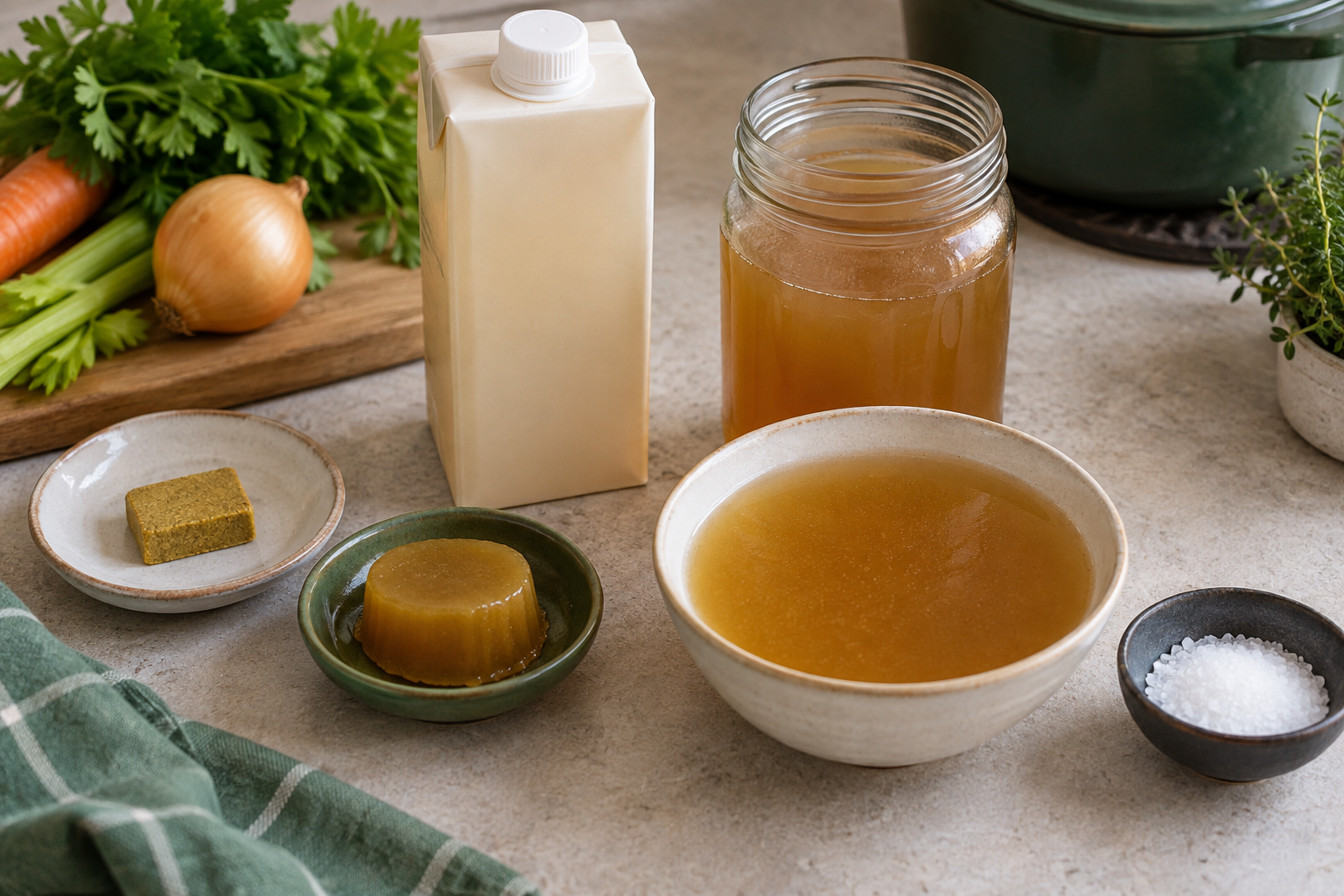
How stock adds savoury depth, why strength matters, and how to avoid making soups, sauces and rice too salty.
 Pantry And Ingredients
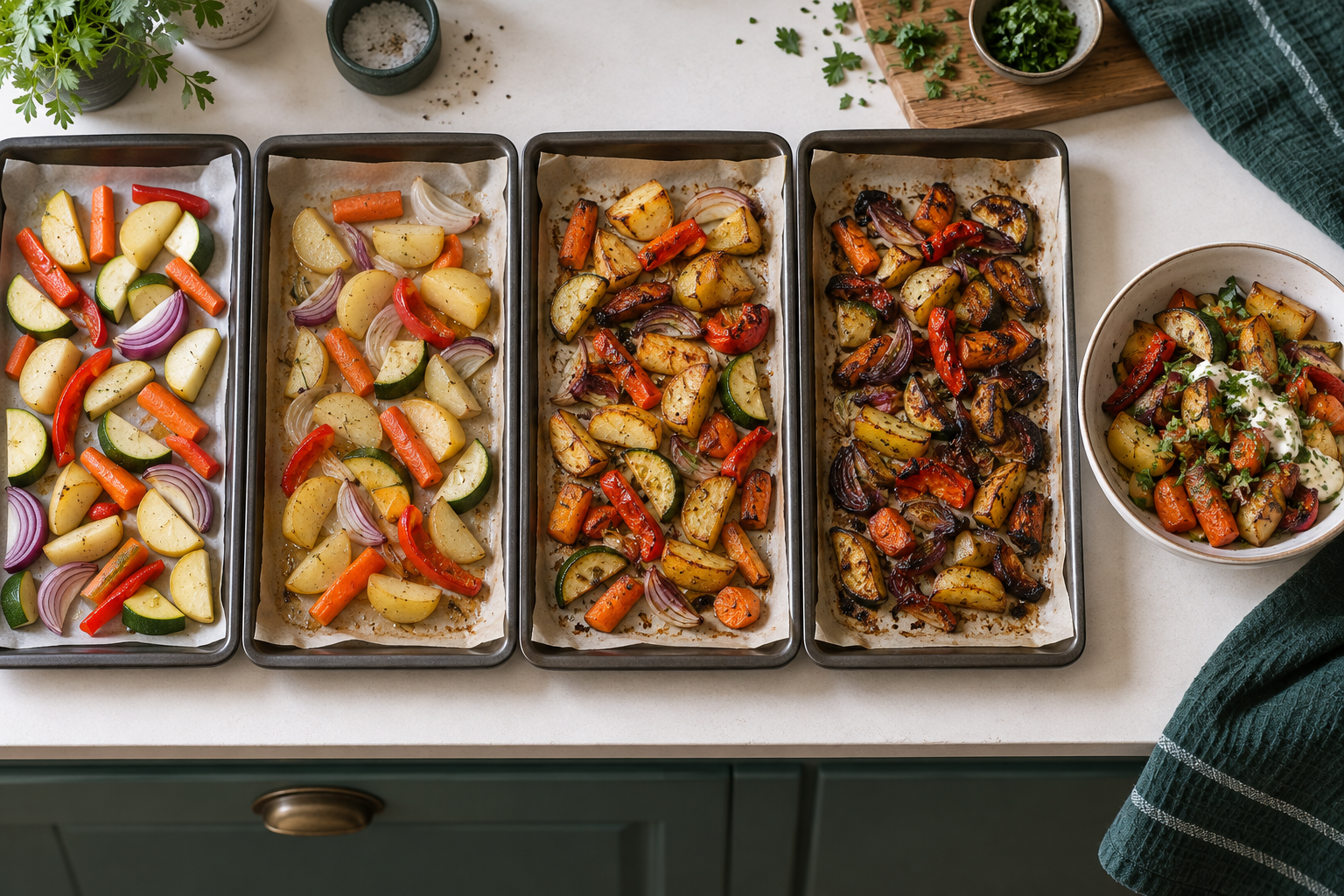
How to cut, space, oil and roast vegetables so they soften and brown instead of steaming into a wet tray.
 Pantry And Ingredients
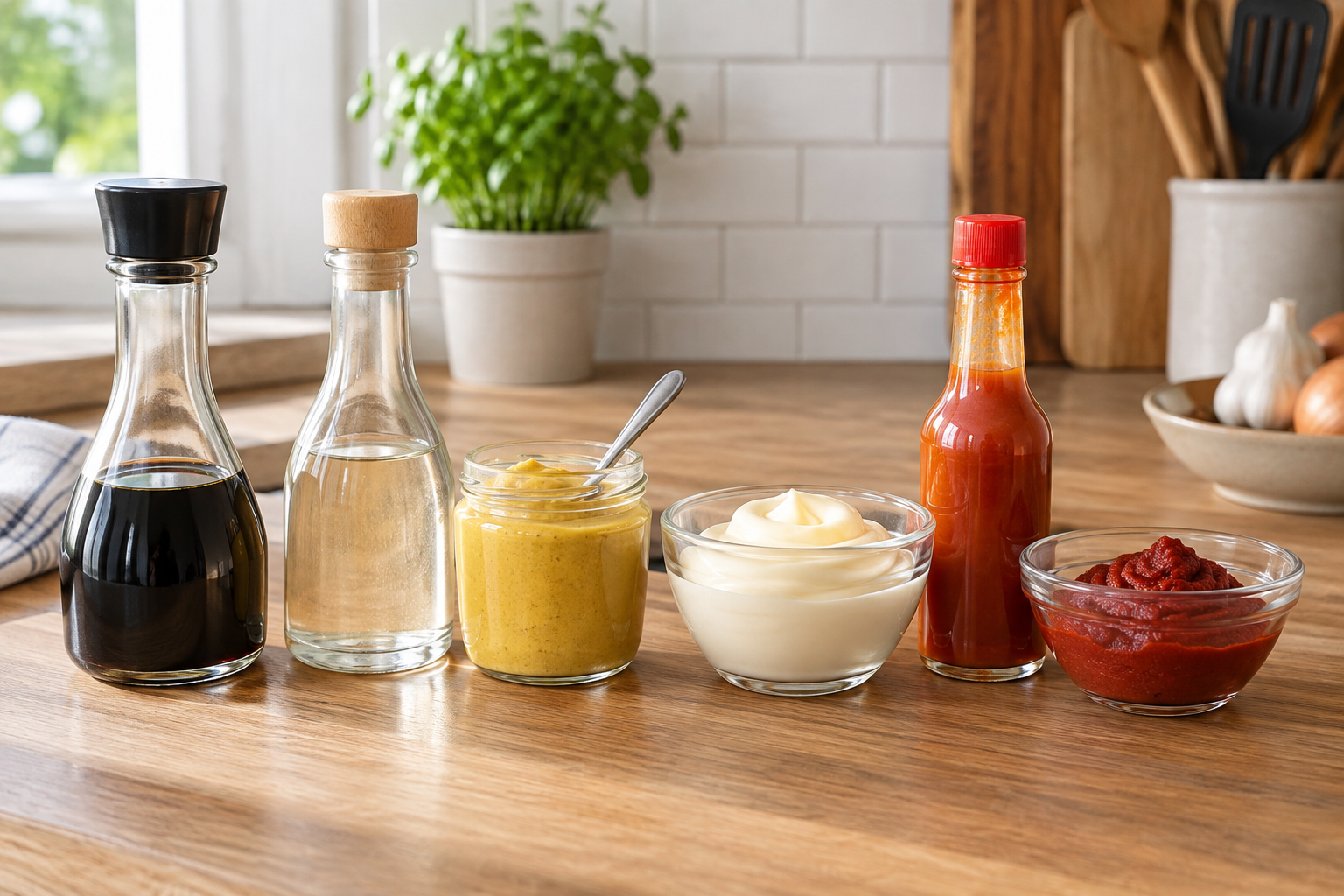
How condiments can add salt, acid, heat, sweetness and depth without turning beginner cooking into a cupboard collection hobby.
3 guides
Printable-style guides for measures, conversions and quick kitchen decisions.
 Charts And References
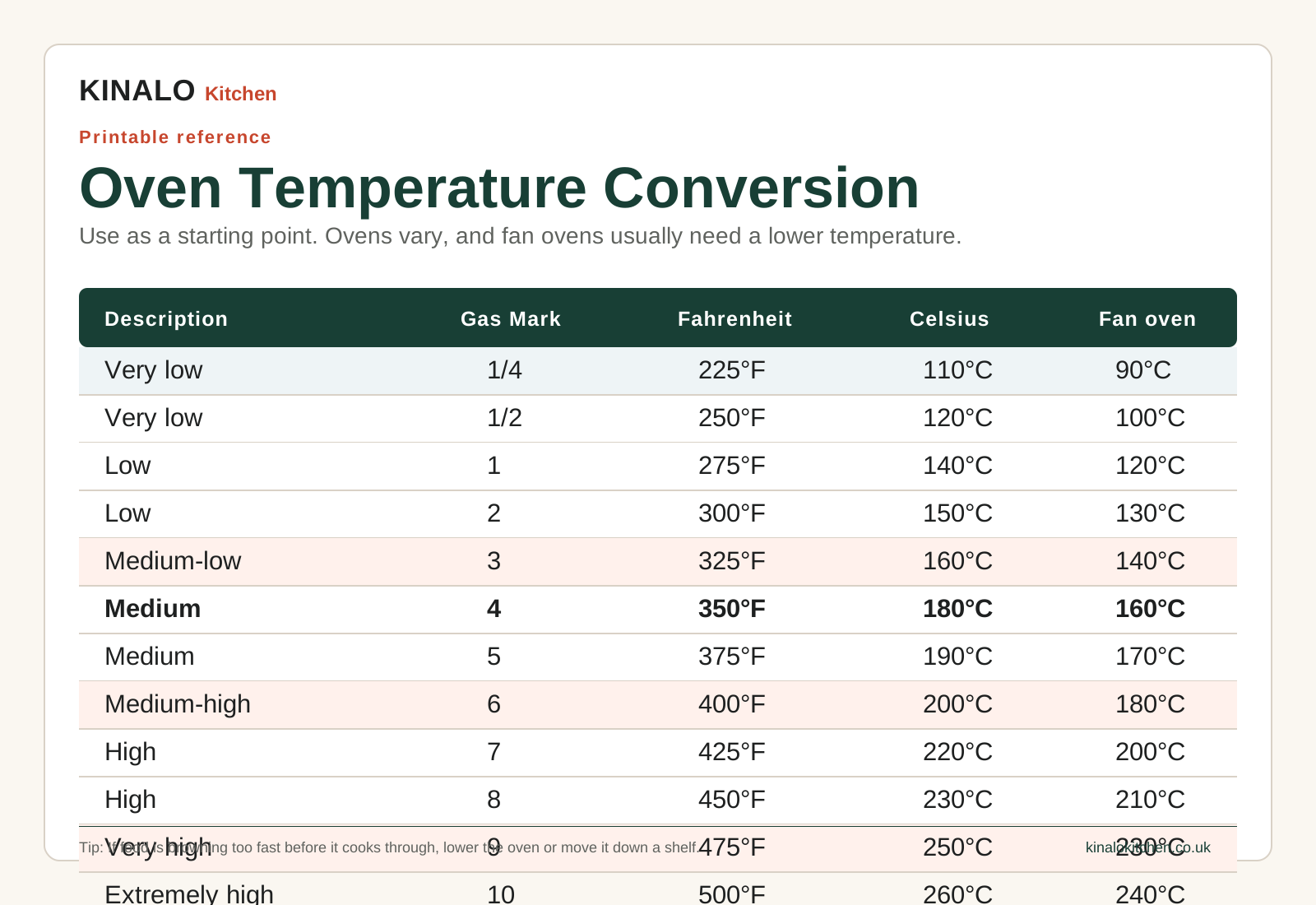
How to use oven temperature conversions and spoon measures without getting stuck when a recipe uses different units.
 Charts And References
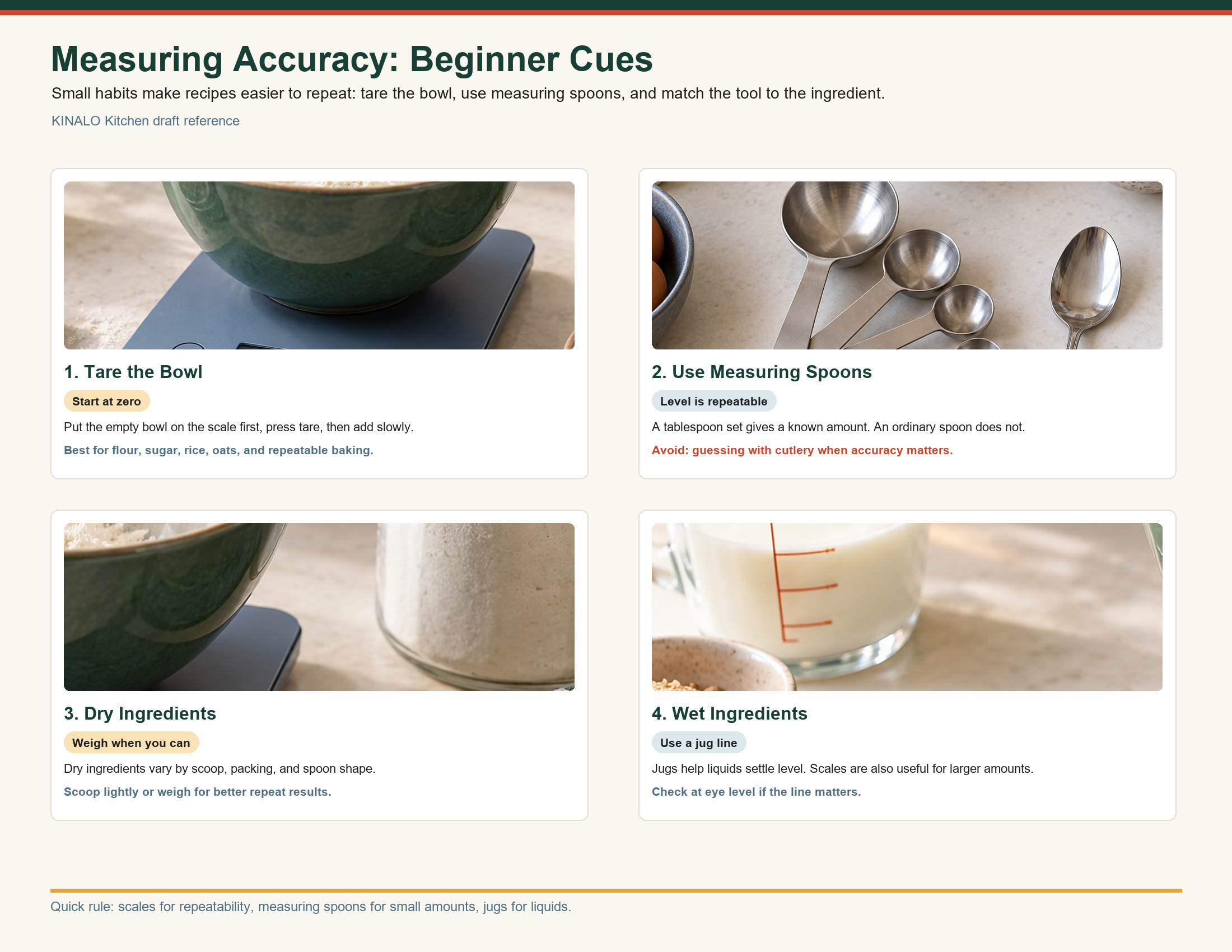
How to read level spoons, measuring jugs and scales, and when accuracy matters more than a rough handful.
 Charts And References
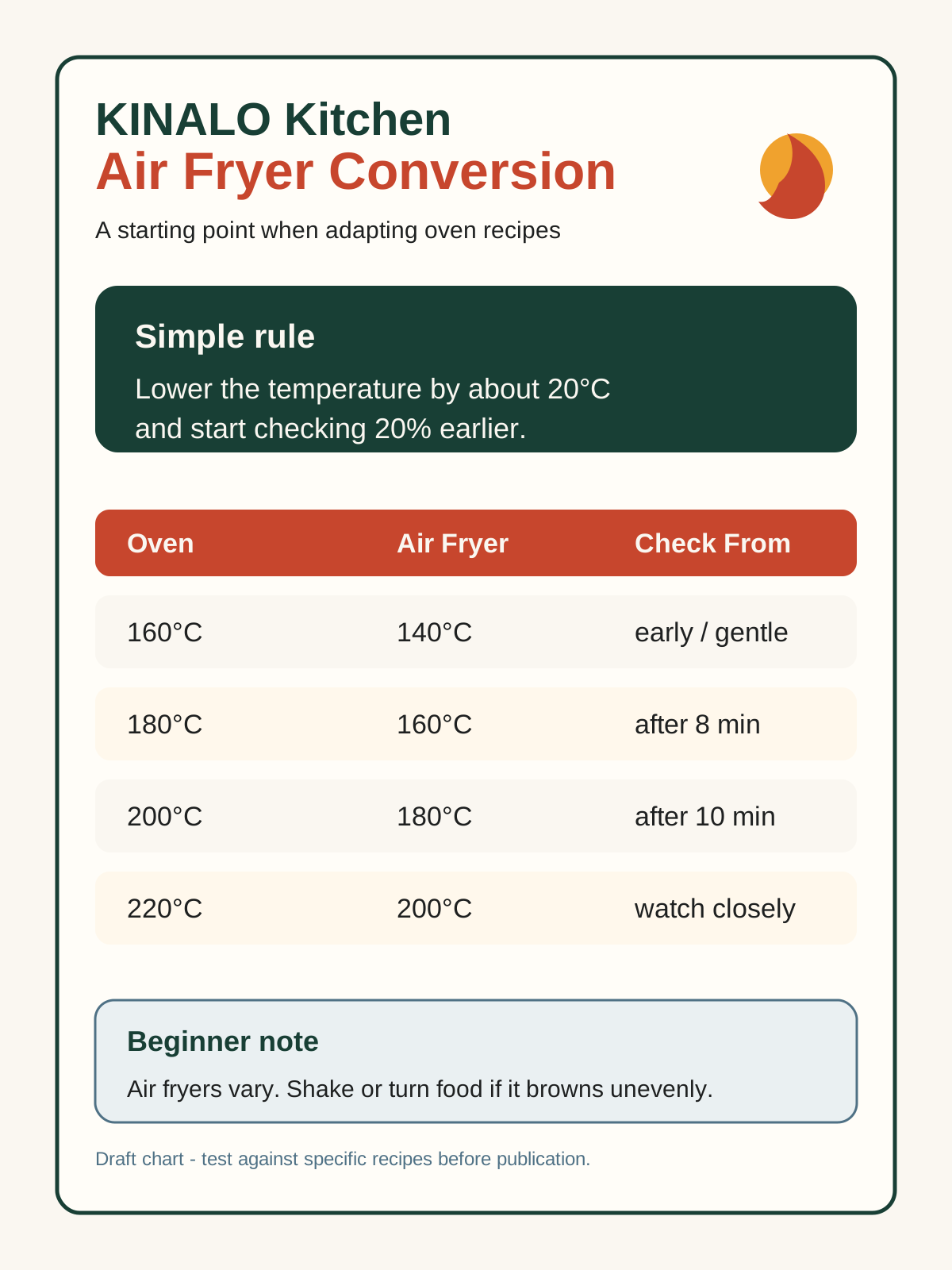
How to think about oven-to-air-fryer conversions, spacing, checking early and avoiding dry or over-browned food.
5 guides
Common cooking advice checked, softened and explained without kitchen folklore.
 Myths And Confidence
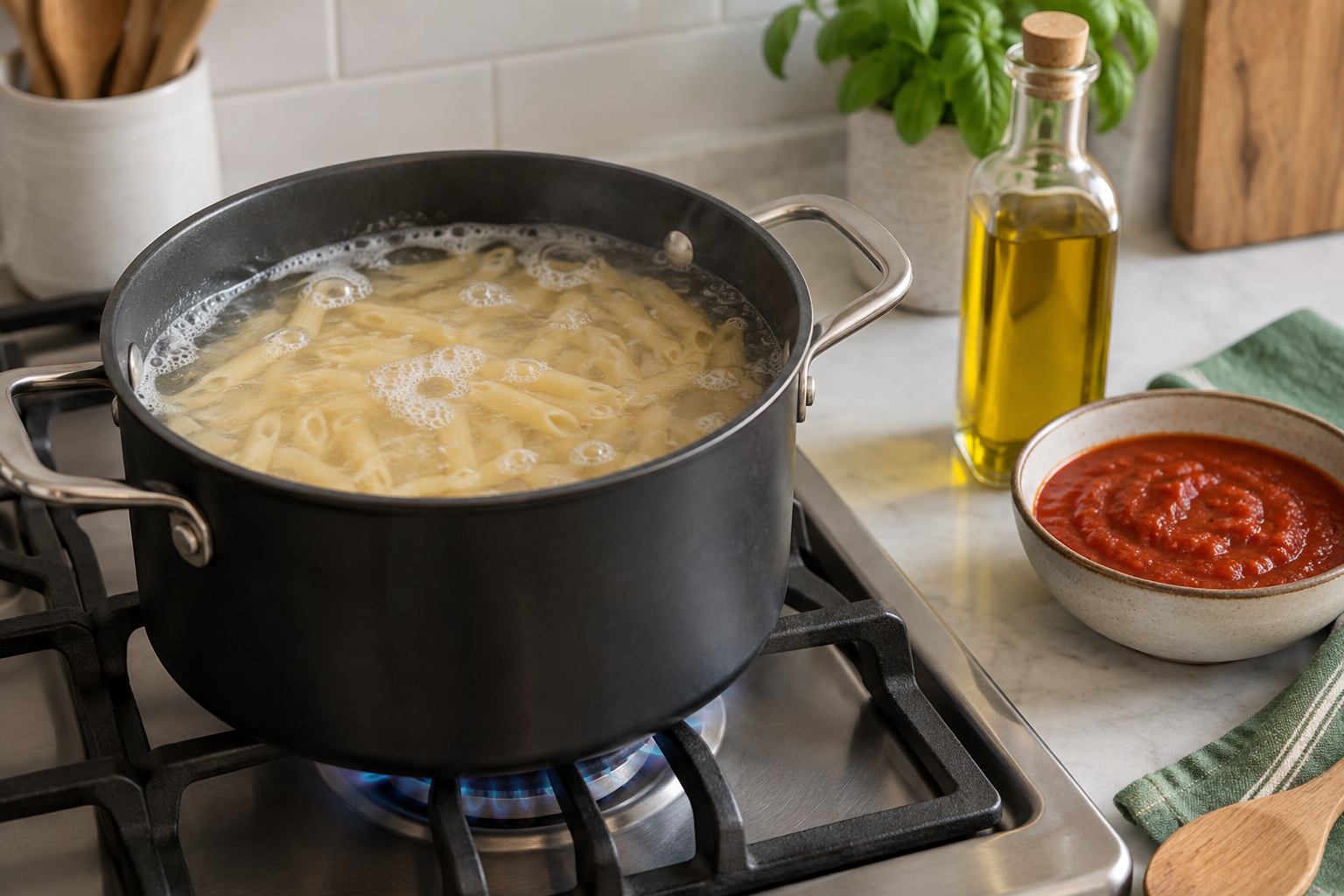
Why oil in pasta water is not the main fix for sticky pasta, and what actually helps: enough water, stirring and sauce timing.
 Myths And Confidence
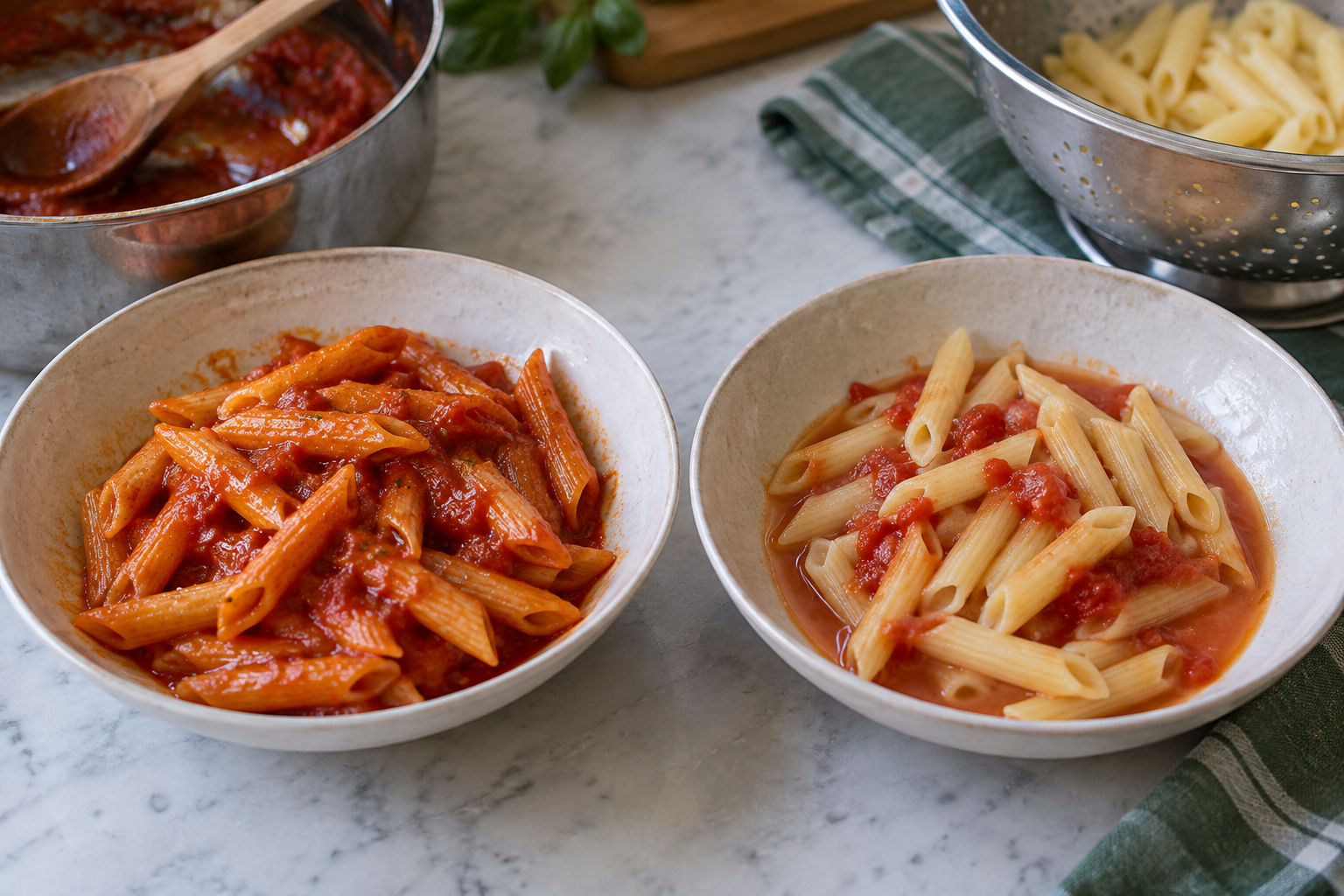
When rinsing pasta helps, when it hurts sauce cling, and why most hot pasta dishes should keep their starch.
 Myths And Confidence
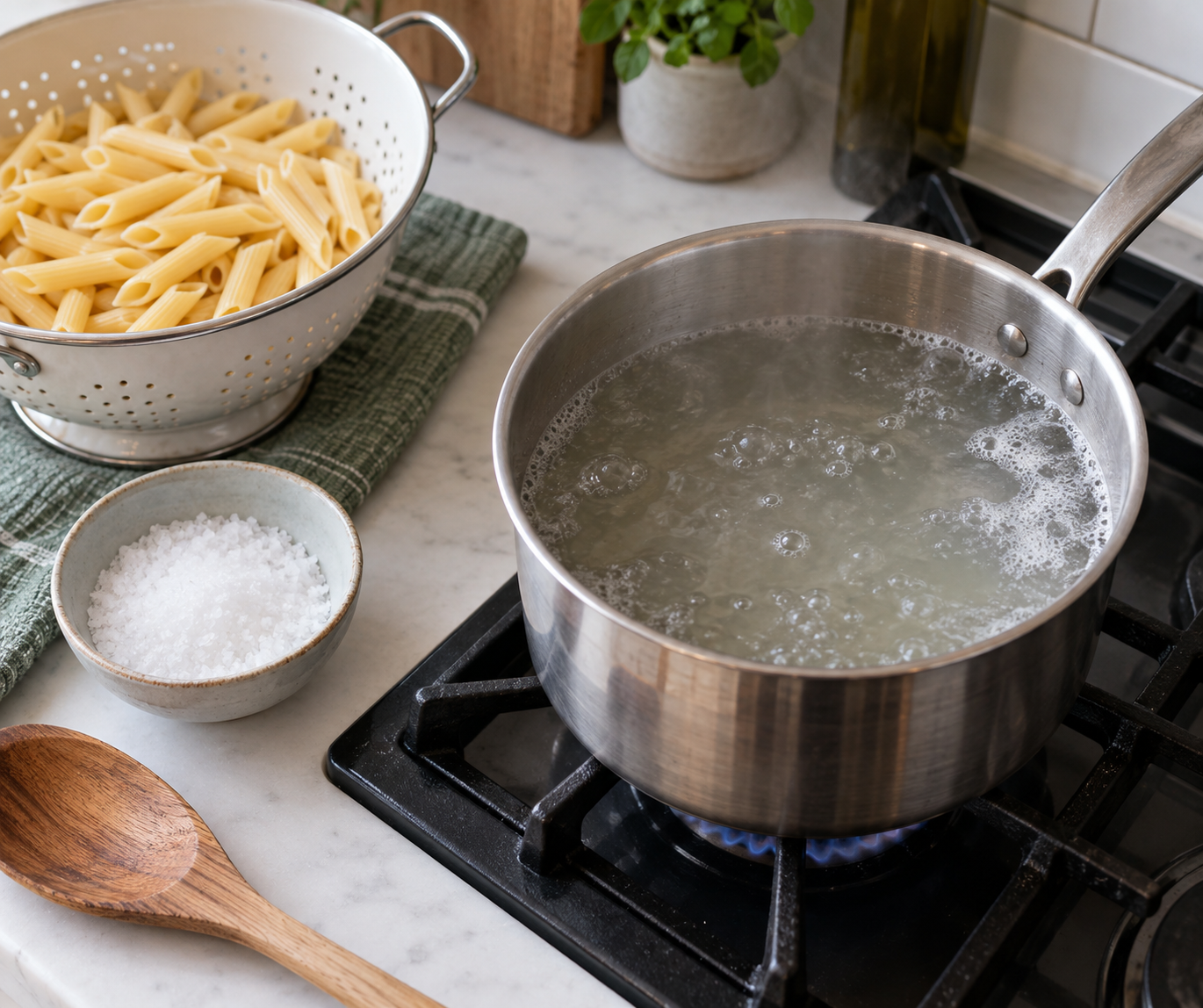
Why pasta water should be seasoned, how pasta absorbs flavour, and why adding salt only at the end is not the same.
 Myths And Confidence
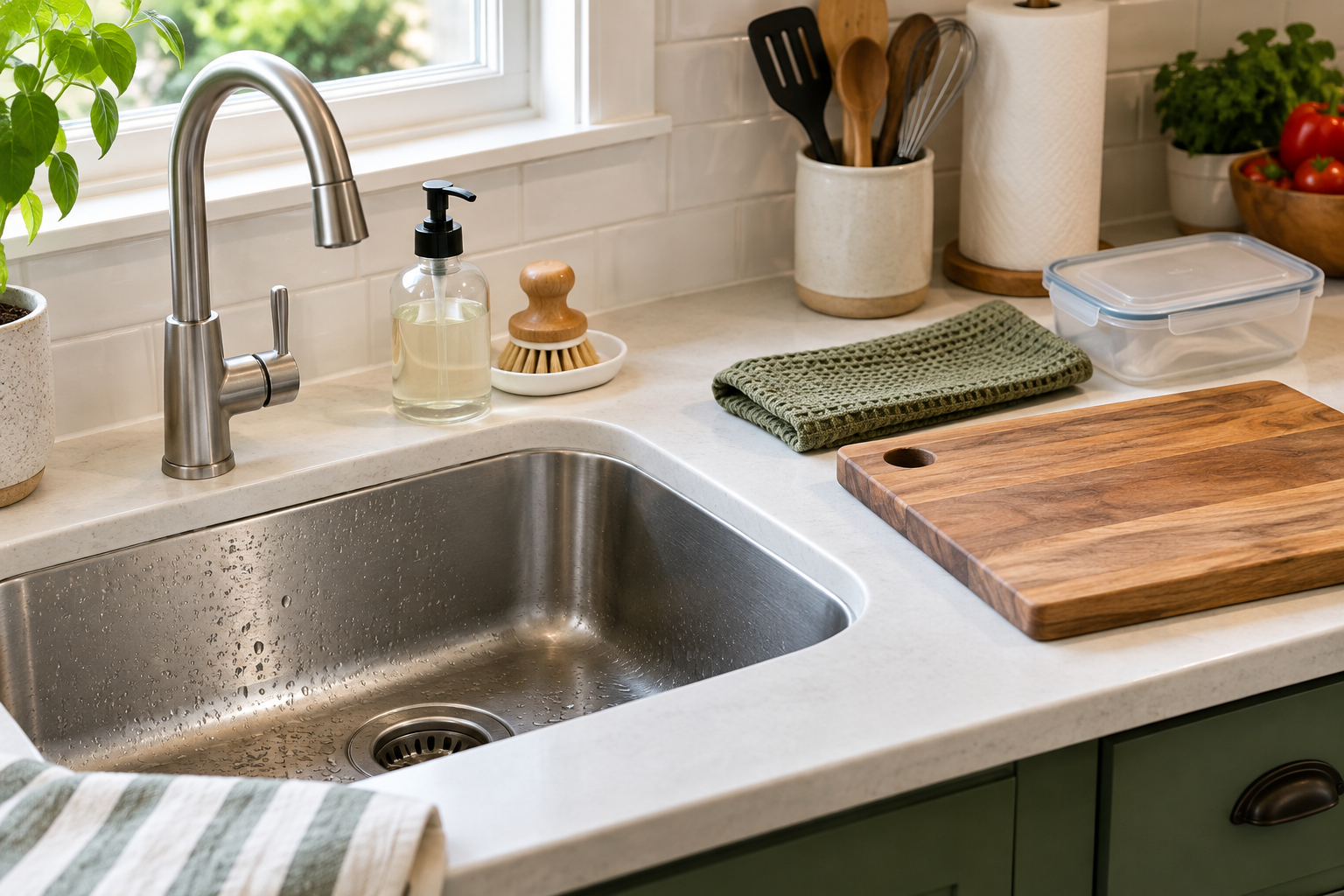
A beginner-safe explanation of why washing raw chicken or meat can spread germs around the sink and what to do instead.
 Myths And Confidence
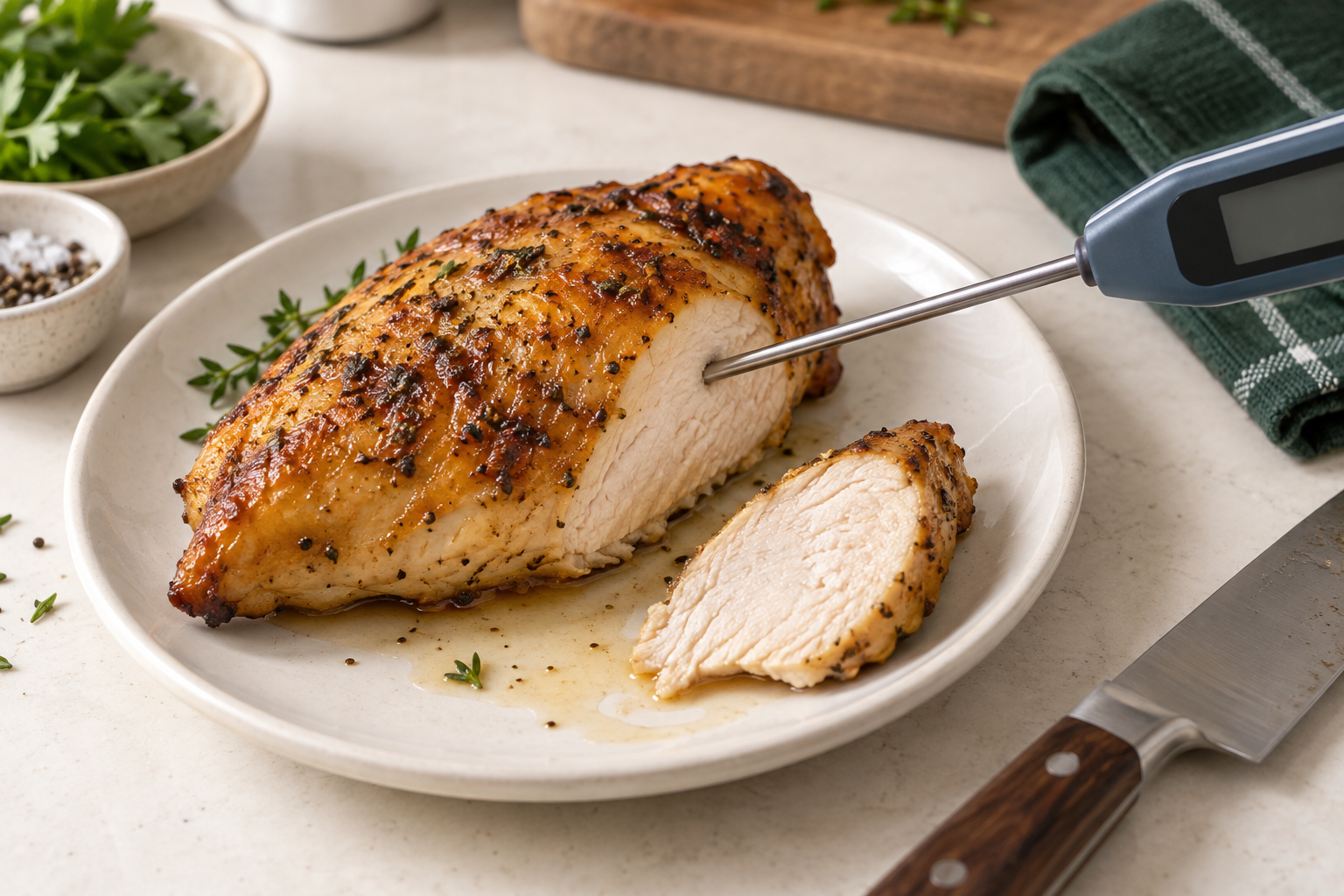
Why colour alone can be confusing, how a thermometer helps beginners stop guessing, and where safety guidance should come from.